The resale boom of 2026
The secondhand designer market is growing fast. It isn't a niche hobby anymore; it's how most people shop now. Fashionphile data shows a 35% jump in resale value for top luxury brands since 2023, and that number is still climbing.
This shift in consumer attitude isn’t just about price. People increasingly want to participate in a circular economy, reducing waste and extending the life cycle of luxury goods. Platforms like The RealReal, Vestiaire Collective, and Poshmark have made resale more accessible, but they’ve also inadvertently created a larger market for sophisticated counterfeits.
As the resale market matures, so do the fakes. Counterfeiters are investing in better materials and mimicking designer details with increasing accuracy. This makes authentication – verifying the authenticity of an item – more critical than ever before. A beautiful bag at a suspiciously low price isn’t a bargain; it's a risk.
How authentication apps actually work
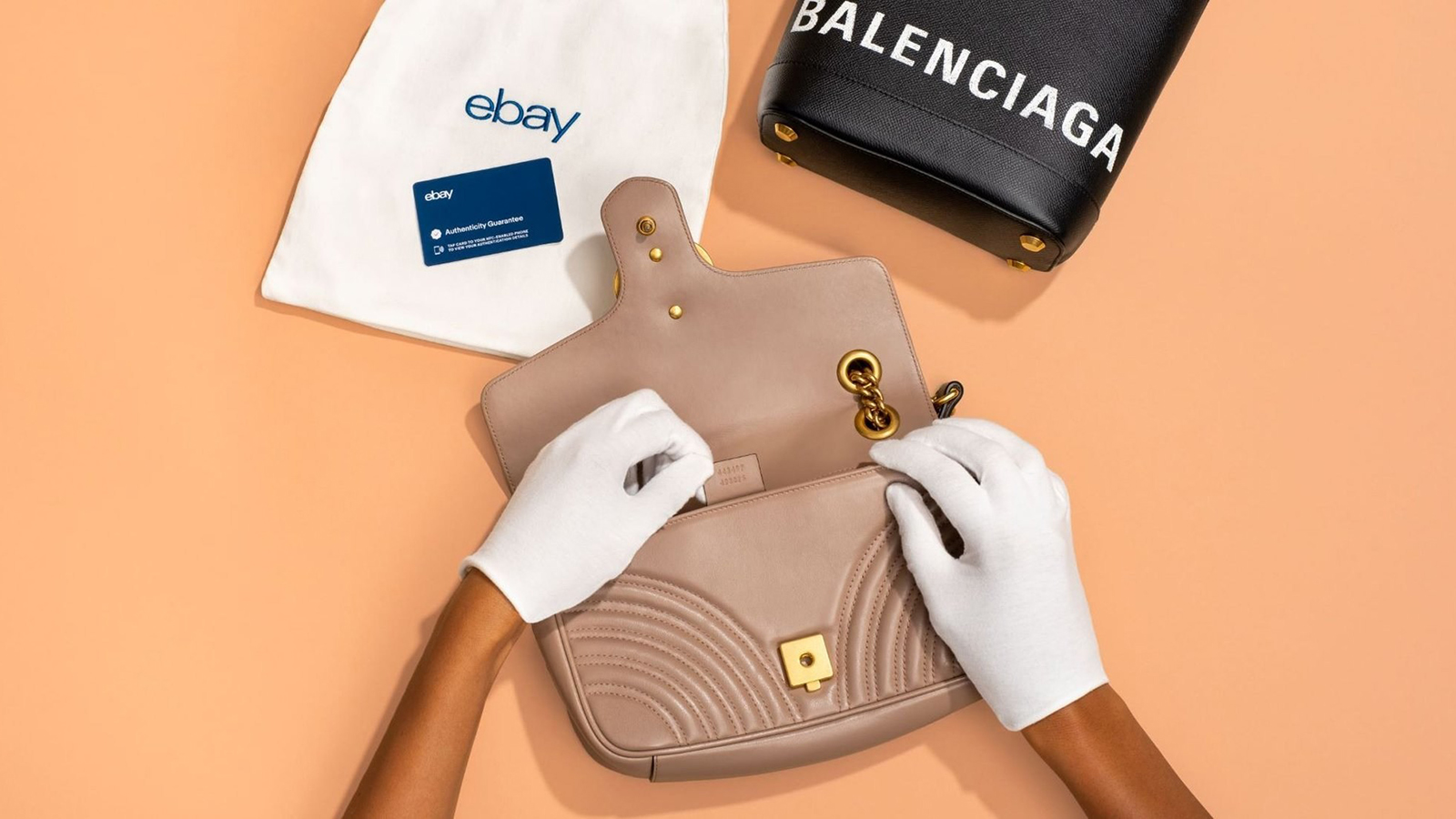
Several authentication apps aim to help consumers avoid fakes, but their capabilities vary significantly. Entrupy is a leading provider, utilizing microscopic analysis and a database of verified authentic items. It currently supports handbags from over 20 brands, including Chanel, Louis Vuitton, and Hermès, but has limited support for shoes or clothing.
Real Authentication offers broader coverage, attempting to authenticate a wider range of items including sneakers, apparel, and watches. They rely heavily on AI-powered image recognition, which can be effective for identifying obvious fakes but struggles with subtle discrepancies. Subscription costs for these apps range from $99 to $299 per year, depending on the number of authentications needed.
These apps have limits. They aren't foolproof. Entrupy has a 99.1% accuracy rate, but that doesn't help if the item isn't in their database or if the counterfeit is brand new. Use these as a first check, not a final guarantee. They are great at spotting common fakes but often miss high-end 'superfakes'.
- Entrupy uses microscopic analysis for handbags and costs about $99 a year.
- Real Authentication: AI-powered image recognition, wider range of items, $299/year.
- Authenticate First: Human authenticators combined with AI, broad coverage, pricing varies.
Spotting brand-specific red flags
You have to know how each brand builds their pieces. Take Chanel: the classic flap bags have diamond quilting that aligns perfectly across the pockets and flaps. The stitching is tight and even. If the diamonds don't line up at the seams, it's a fake.
Louis Vuitton is known for its Monogram canvas. A key indicator of authenticity is the placement of the Monogram pattern. On authentic bags, the pattern is symmetrical and consistent across seams. Counterfeits frequently have distorted or misaligned Monograms. Also, examine the date code – a series of letters and numbers that indicate where and when the bag was made. The code's format changes over time, so research the correct format for the bag's age.
Gucci’s interlocking GG logo is a common target for counterfeiters. Authentic Gucci logos are crisp and well-defined, with precise spacing between the Gs. Fake logos often appear blurry or uneven. Pay attention to the hardware – authentic Gucci hardware is heavy and high-quality, with a consistent finish. The serial number on Gucci items should be clearly embossed and match the brand's current numbering system.
Hermès is notoriously difficult to counterfeit due to the brand’s meticulous craftsmanship. The stitching on Hermès bags is saddle-stitching, a hand-stitched technique that creates a unique, slightly irregular appearance. Fake Hermès bags often have machine stitching that looks too perfect. Inspect the leather – authentic Hermès leather is incredibly supple and has a distinctive smell.
Prada uses specific nylon fabrics and hardware finishes. Authentic Prada nylon bags have a subtle sheen and a durable feel. The metal logo plate should be securely attached and have a clear, well-defined engraving. Counterfeits often use inferior nylon and poorly finished hardware.
The subtle signs of a fake
Authentication isn’t always about glaring flaws. Often, it’s the subtle details that give a fake away. The 'feel' of the leather is crucial. Authentic designer leather has a specific weight, texture, and suppleness that’s difficult to replicate. Counterfeiters often use cheaper, stiffer leather that doesn't feel the same.
The weight of the item can also be a clue. Authentic designer bags, for example, are often heavier than fakes due to the quality of the materials and hardware. A suspiciously lightweight bag should raise a red flag. Don’t underestimate the power of smell. Authentic leather has a distinctive aroma that fakes often lack or try to artificially replicate.
Pay close attention to the lining. Authentic designer items use high-quality linings that are durable and well-stitched. The color and texture of the lining should be consistent with the brand’s standards. Finally, remember that authentic designer items often have minor imperfections—a slightly uneven stitch, a natural variation in the leather—that fakes attempt to 'perfect'.
Vetting the seller
Where you buy matters as much as what you buy. Local consignment shops usually vet their inventory, which adds a layer of safety. Online marketplaces like Poshmark and eBay have more variety, but they also carry the highest risk because anyone can list an item.
Assessing a seller’s reputation is paramount. Check their reviews, feedback score, and return policy. A seller with consistently negative reviews or a restrictive return policy should be avoided. Be wary of unusually low prices – if a deal seems too good to be true, it probably is. Poor quality photos or vague descriptions are also red flags.
Don't hesitate to ask questions. Request additional photos, close-ups of specific details, and proof of purchase. A legitimate seller will be happy to provide this information. A seller who is evasive or unwilling to answer your questions is likely hiding something.
- Consignment stores offer moderate risk because they usually do some in-person vetting.
- Online Marketplaces (Poshmark, eBay): Higher risk, requires careful seller evaluation.
- Social Media: Highest risk, limited buyer protection.
When to hire a professional
For high-value items or those with questionable provenance, professional authentication services are a worthwhile investment. Fashionphile’s Concierge service offers expert authentication and consignment options. Numerous third-party authenticators also exist, such as Real Authentication and Entrupy’s professional services.
The process typically involves submitting photos of the item, along with any relevant documentation (receipts, certificates). Costs vary depending on the item and the service, ranging from $50 to $300 or more. Turnaround times can range from a few days to a week or longer.
Even professional authentication isn’t foolproof. Authenticators rely on their expertise and knowledge, but they can still be fooled by sophisticated counterfeits. It’s important to choose a reputable authenticator with a proven track record. Consider the authenticator’s specialization – some are experts in handbags, while others focus on shoes or apparel.
What's next for authentication tech
Emerging technologies promise to revolutionize authentication. Blockchain-based authentication systems could create a secure and transparent record of an item’s ownership and authenticity. AI-powered image analysis is also rapidly improving, with algorithms becoming more adept at detecting subtle discrepancies.
Microchip tagging is another potential solution, allowing for the unique identification of each item. However, the cost and practicality of implementing such a system are still being debated. Increased collaboration between brands and resale platforms is also crucial to combat counterfeiting. Brands are beginning to offer authentication services and working with platforms to remove counterfeit listings.
Ultimately, authentication will remain an ongoing arms race. Counterfeiters will continue to adapt and refine their techniques, so consumers and platforms must stay vigilant and embrace new technologies to stay one step ahead.

No comments yet. Be the first to share your thoughts!