Get thrift store flipping profit right
Thrift flipping works because you buy low and sell high, but the margin lives in the details. Before you list your first item, you need a system that catches overpriced listings and filters out dead stock. This section covers the four prerequisites that separate steady earners from people who end up with a closet full of unsold t-shirts.
First, pick your niche. The most successful flippers don’t buy everything; they hunt specific categories like vintage band tees, designer denim, or mid-century home goods. A narrow focus lets you learn fabric quality, spot fakes, and know exactly what buyers are searching for on eBay or Poshmark.
Second, set your buy price. A common rule is to pay no more than one-third of the item’s current resale value. If a jacket sells for $60, you should aim to buy it for $15 or less. This buffer covers shipping, platform fees, and the inevitable returns. If the math doesn’t work at the thrift store, put it back.
Third, verify the condition. Check for holes, stains, broken zippers, or missing buttons. Minor flaws can be fixed, but major damage kills resale value. Also, check the tags. Some brands, like Levi’s or Ralph Lauren, have specific tag styles that change by decade. Knowing these helps you date the item and price it correctly.
Finally, test the market. Before you commit to a bulk buy, list a few similar items to see how fast they sell and at what price. This gives you real data instead of guesswork. You’ll learn which sizes move quickly and which styles sit on shelves for months.
Work through the steps
Sourcing vintage clothing brands worth money requires a mix of speed and discipline. You have seconds to decide if an item is a flip or a donation. This sequence moves from scanning the racks to verifying the brand, ensuring you only buy inventory with a clear path to profit.
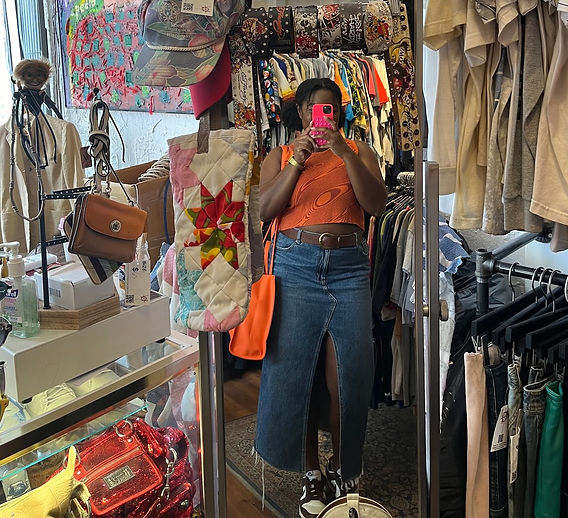
Start by feeling the material. Vintage buyers pay premiums for natural fibers like wool, silk, leather, and heavy cotton. If a garment feels thin, synthetic, or overly stiff, it likely won’t hold value. Check the seams and zippers; sturdy construction suggests the item has survived decades of wear and can survive yours.
Flip the garment to find the main label. Look for recognizable heritage brands like Levi’s, Pendleton, or Ralph Lauren, as well as niche vintage labels that hold collector interest. If the label is faded or missing, check the side seam for a secondary tag or a pattern number, which can help you identify the maker.
Hold the item up to the light to spot stains, holes, or discoloration. Check the underarms, collars, and hemlines for wear. Small flaws like a missing button are easy fixes, but large stains or fabric tears significantly reduce resale value. If the damage is major, put it back regardless of the brand.
Not all sizes sell equally well. While vintage sizing runs small, mainstream sizes (S-XL) generally move faster on platforms like eBay and Depop. If you find a high-value brand in an extreme plus or extra-small size, pause and quickly search your phone to see if there is active demand for that specific size range.
Before heading to the register, check the current sold listings for that exact item or brand. Aim for a buy price that is at least 20-25% of the expected selling price. This buffer covers listing fees, shipping materials, and platform commissions. If the math doesn’t work, the item is not a flip.
Avoid common flipping mistakes
New flippers often get excited by the brand name and forget to check the condition. A torn Levi’s jacket is worth far less than a pristine one. Another mistake is buying items in poor condition hoping to fix them. Unless you have specific tailoring skills, assume any flaw reduces the value. Finally, don’t buy based on potential alone; always verify the sold price before purchasing.
Proof your finds before buying
Use your phone to confirm the value immediately. Search the brand and item type on eBay, filter by "Sold Items," and look at the last 10 sales. If the items aren’t selling or are selling for very low prices, the market is saturated or the item isn’t desirable. This quick check prevents you from spending money on inventory that will sit in your closet.
Common Mistakes That Kill Profit in Thrift Flipping
Flipping vintage clothing for profit is less about luck and more about avoiding expensive errors. Many beginners lose money on items that look good in photos but fail under scrutiny. Fixing these habits early protects your margins and keeps your inventory moving.
Ignoring Fabric Composition and Care Labels
The biggest mistake is relying on brand names alone. A generic tag on a high-quality wool coat is worth more than a trendy brand made of thin polyester. Always check the inner care label for material content. Look for natural fibers like wool, silk, cotton, or linen. These materials hold value better and appeal to buyers seeking quality.
Synthetic blends often signal lower durability. If a garment is labeled "made in China" or "made in Vietnam" without a known brand, it is likely mass-produced fast fashion. While some modern brands are excellent, the lack of a specific label usually means lower resale value. Stick to items with clear, high-quality fabric compositions.
Overlooking Condition Flaws
You might spot a great brand but miss a small stain, missing button, or broken zipper. Buyers are ruthless about condition. They will return items for flaws that seem minor to you. Inspect every inch of the garment under bright light. Check armpits, collars, and hems for discoloration or wear.
Minor repairs can be done cheaply, but major damage kills value. A small hole in the back of a rare vintage tee is often a deal-breaker. If you buy damaged items, factor in the cost and time of repairs. If the repair cost exceeds 20% of your potential profit, walk away. It is better to skip one item than to spend hours fixing something that won’t sell.
Pricing Based on Emotion, Not Data
Beginners often price items based on how much they love them or what they think it is "worth." This leads to stagnant inventory. Use sold listings on eBay, Poshmark, or Depop to find actual market value. Look at the last 30 days of sales for similar items in similar condition.
If an item has not sold after 3-4 weeks, it is likely overpriced. Drop the price by 10-15% to attract buyers. Holding onto overpriced items ties up cash and storage space. Your goal is turnover, not perfection. Quick sales at fair prices build momentum and cash flow for your next flips.
Thrift store flipping for profit: what to check next
Before you start sourcing, it helps to clear up the practical hurdles that stop most beginners. Flipping isn’t just about finding cheap clothes; it’s about understanding the math behind the resale and the effort required to get there.
The key is to start small. Buy a few items, list them, and see how the market responds. This helps you learn what sells in your area without risking too much capital upfront.
No comments yet. Be the first to share your thoughts!