Get thrift store flipping profit right
Before you buy your first item, set up the infrastructure that keeps you from losing money on shipping, returns, or dead inventory. Most beginners skip this step and end up treating flipping like a hobby rather than a business. The difference is simple: a hobby consumes time and cash; a business generates profit.
Start with the basics. You need a dedicated bank account for business income and expenses, a reliable printer for labels, and a scale that measures to the ounce. If you’re selling on eBay, use their shipping label generator. It’s often cheaper than retail postage and gives you tracking automatically. For Poshmark or Depop, a simple kitchen scale and a tape measure are enough to get started.
Don’t forget to test your workflow. Photograph an item, list it, and go through the entire process of printing a label and packaging it. This “dry run” reveals bottlenecks before you’re swamped with real sales. If it takes you twenty minutes to ship one shirt, you’ll burn out fast. Aim for under five minutes per order.
Finally, set clear boundaries. Decide how many hours per week you can commit and stick to it. Flipping is addictive, but overbuying leads to storage nightmares and cash flow crises. Buy only what you can sell within 30 days. If it hasn’t moved by then, mark it down or bundle it. Speed is more important than margin when you’re starting out.
How to flip thrift store items for profit
Thrift flipping works by finding underpriced items locally and reselling them online. You do not need a huge investment to start, just a clear process for spotting value. This guide walks through the steps to turn thrift store finds into consistent income.
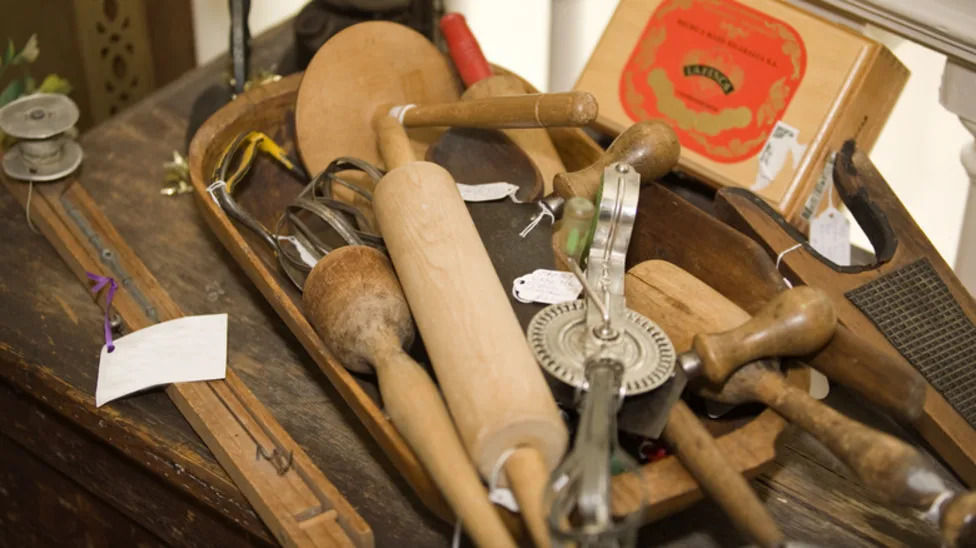
Start by visiting local thrift stores and charity shops regularly. Look for high-quality brands, vintage clothing, and mid-century modern furniture. Wall art, vases, and high-quality baskets are also good finds. Avoid items with stains, tears, or structural damage. Focus on pieces that are clean, complete, and have strong brand recognition.
Before purchasing, check what similar items sell for on eBay, Poshmark, or Mercari. Use the sold listings filter to see actual sale prices, not just asking prices. If an item sells for $30 and you can buy it for $5, the margin is strong. Avoid items with low demand or high shipping costs. Price your find at least three times the purchase cost to cover fees and shipping.
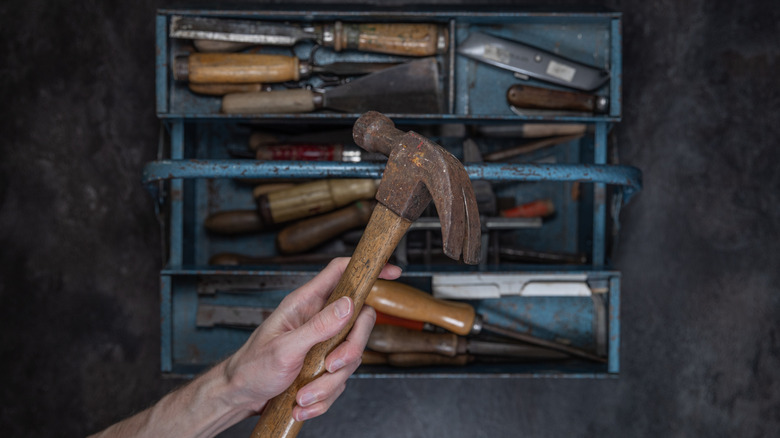
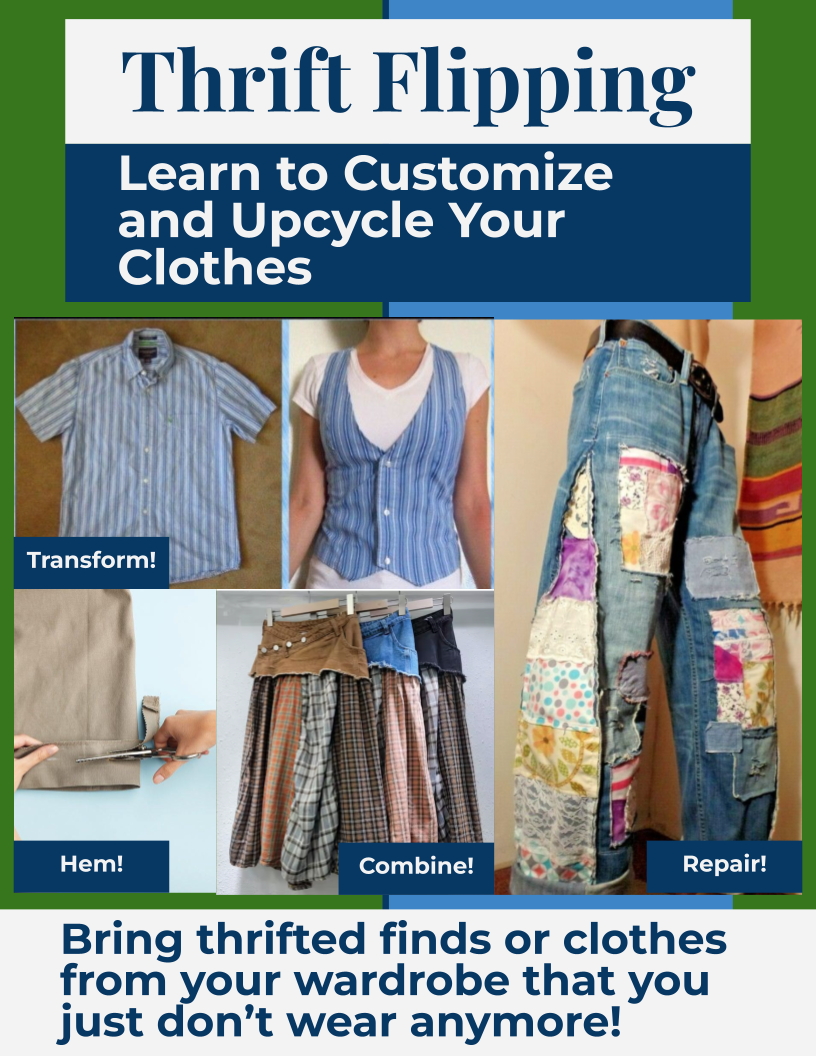
Clean every item thoroughly before listing. Wash clothing, polish furniture, and wipe down accessories. Repair minor issues like loose buttons or small scratches. A clean, well-maintained item sells faster and for a higher price. Use basic tools and supplies to restore items to their best condition. This step adds value and reduces returns from buyers.
Take clear, well-lit photos against a plain background. Show the front, back, sides, and any tags or labels. Include close-ups of fabric texture, brand logos, and any flaws. Natural light works best. Good photos build trust and reduce questions from buyers. List items with accurate descriptions and measurements to avoid disputes.
Post your items on eBay, Poshmark, Mercari, and Facebook Marketplace. Use relevant keywords in titles and descriptions. Price items competitively based on your research. Respond to messages quickly and ship items promptly. Re-list items that do not sell after 30 days with a lower price or fresh photos. Consistency is key to building a profitable flipping business.


As an Amazon Associate, we may earn from qualifying purchases.
Common Flipping Mistakes to Avoid
Even experienced flippers lose money on avoidable errors. These are the most frequent pitfalls that turn potential profit into inventory loss.
Ignoring Condition Details
Small flaws are easy to miss in dim thrift store lighting. A loose button or faint stain can cut your selling price in half. Always check seams, zippers, and armpits under bright light. If you spot damage, factor the repair cost into your buy price. Never assume "vintage" means "pristine."
Overpaying for Brands
Not all vintage brands hold value. Knowing which labels sell quickly prevents tying up cash in dead stock. Focus on recognizable names like Levi’s, Nike, or Patagonia. Avoid obscure labels unless the item is exceptionally rare. If you’re unsure, check sold listings on eBay before buying.
Poor Photography
Blurry or dark photos kill sales. Buyers can’t touch the fabric, so visuals are everything. Use natural light near a window. Shoot against a plain white or neutral background. Include close-ups of tags, logos, and any flaws. Clear images build trust and justify higher prices.
Neglecting Shipping Costs
Shipping errors eat into margins fast. Weigh items accurately before listing. Use a home scale or visit the post office. Choose the cheapest reliable service that protects the garment. Offer free shipping by baking the cost into the item price. This simplifies buyer decisions and boosts visibility.
Thrift store flipping for profit: what to check next
Before you start hunting for vintage clothing brands worth money, it helps to clear up the practical hurdles of flipping. Most beginners get stuck on pricing or shipping, not sourcing.
No comments yet. Be the first to share your thoughts!