Thrift store flipping profit budget
You don’t need a warehouse or thousands of dollars to start flipping. The most successful resellers treat their initial budget like a seed fund, not a lottery ticket. Start with $50 to $100 to test the waters. This amount is enough to buy 10–20 items from local thrift stores, allowing you to learn what sells without risking significant capital if your first picks miss the mark.
The real cost of flipping isn’t just the purchase price; it’s the hidden fees that eat into your margins. Platform fees, shipping materials, and postage can take 30–40% off your sale price. If you buy a vintage Levi’s jacket for $5, you need to sell it for at least $12–$15 just to break even after fees and shipping. Always calculate your target resale price before you hand over cash at the register.
Focus on high-turnover categories like vintage denim, branded activewear, and classic outerwear. These items sell faster, meaning your money cycles back into your budget quicker. Avoid bulky or fragile items early on. They cost more to ship and are harder to photograph, slowing down your cash flow. A lean budget forces you to be selective, which is exactly what you need to build a profitable flipping habit.
Shortlist real options
Choosing the right vintage brands to flip depends on what you can source locally and how much effort you want to put into cleaning or repairing items. Some categories, like mid-century furniture, offer high returns but require heavy lifting and shipping logistics. Others, like branded apparel, are easier to ship but face higher competition.
The following comparison breaks down four reliable flipping categories based on sourcing difficulty, average profit margins, and resale effort. Use this table to decide where to start your thrifting trips.
| Category | Sourcing Difficulty | Avg. Margin | Resale Effort |
|---|---|---|---|
| Vintage Denim | Low | 200-400% | Low |
| Mid-Century Furniture | Medium | 100-300% | High |
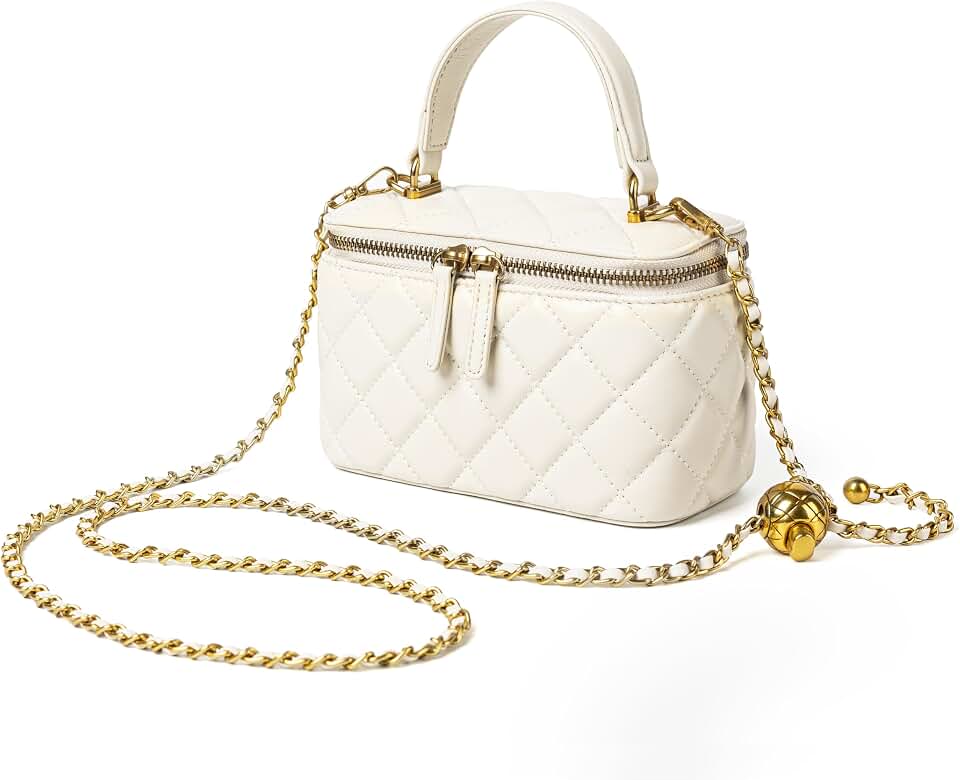
| Designer Handbags | High | 150-500% | Medium |
| Retro Sportswear | Medium | 100-250% | Low |
Vintage denim from brands like Levi’s or Wrangler is the easiest entry point. You can find undervalued pieces in almost any local thrift store, and they require minimal prep—just a good wash and accurate measurements. The resale market is saturated, so you must focus on rare washes or specific eras to maximize profit.
Mid-century modern furniture offers some of the highest margins but comes with logistical headaches. Sourcing requires visiting estate sales or larger thrift outlets. The effort is high because you need to clean, potentially repair, and arrange local pickup or expensive freight shipping for bulky items.
Designer handbags demand a sharp eye for authentication. While margins can be exceptional, the sourcing difficulty is high because authentic items are often snatched up quickly or hidden in plain sight. Authentication services add cost and time, but they protect your reputation on platforms like The RealReal or Vestiaire Collective.
Retro sportswear, particularly from the 90s and early 2000s, has seen a resurgence. Brands like Nike, Adidas, and Fila are in demand. Sourcing is moderately difficult as these items are often spotted quickly. The effort is low, similar to denim, making it a good secondary category for flippers who already have a routine.


As an Amazon Associate, we may earn from qualifying purchases.
Inspect the expensive parts
Before you buy, treat every item as a potential money pit. A $5 vintage Levi’s can turn into a $50 profit, or it can become a $200 tailoring bill if the seams are shot. The goal is to spot structural failures early so you only pay for things that are actually resellable.
Use this five-step checklist to filter out the risky finds. If an item fails any of these checks, leave it on the rack.
Ownership costs: when a cheap buy stops being cheap
The initial price tag is only the first expense. Before an item hits your listing, it needs to be viable. A $5 vintage Levi’s jacket might look like a steal, but if the zipper is broken and the lining is torn, the repair costs could eat your entire margin. Always inspect for structural damage before you buy. Small fixes like loose buttons are free, but replacing a zipper or re-stitching a seam requires time or money that reduces your profit.
Shipping is the silent margin killer. Vintage clothing often comes in heavy fabrics or bulky outerwear, which drives up postage costs. A light t-shirt might cost $3 to ship, but a denim jacket or wool coat can easily cost $8–$12 depending on the carrier and speed. Factor this into your pricing model early. If you’re buying items locally to save on shipping, remember that your time and gas are also costs.
Platform fees and payment processing take a standard cut. Most selling platforms charge a selling fee (usually around 10–15%) plus a payment processing fee (around 3%). If you sell a $50 item, you might only pocket $35–$38 after fees. Never list an item without calculating your net profit. A $10 buy that sells for $20 sounds like a win, but after fees and shipping, you might only make $5 or even lose money.
Recommended flipping essentials
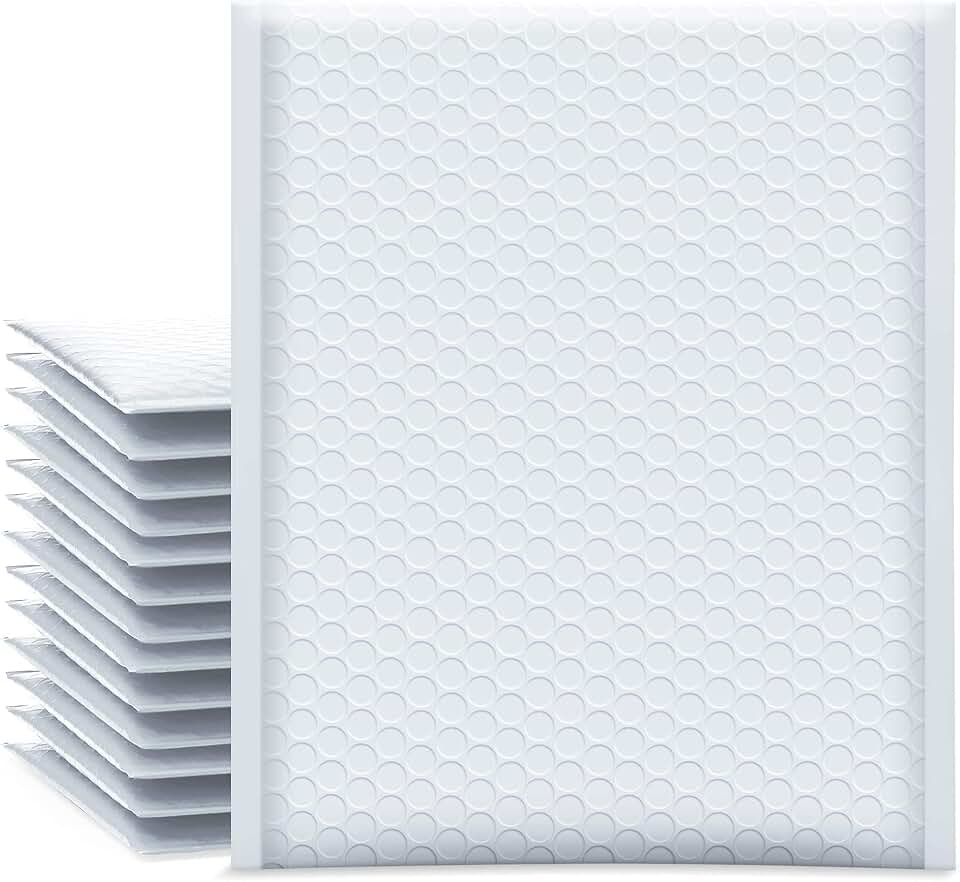
To keep costs low and profits high, you need the right tools. These items help you maintain quality, photograph effectively, and ship efficiently without overspending on unnecessary equipment.



As an Amazon Associate, we may earn from qualifying purchases.
Thrift store flipping for profit: what to check next
Before you start hunting for vintage gems, it helps to clear up the practical hurdles that trip up most beginners. Flipping isn't just about finding cheap stuff; it's about understanding where and how to sell it for a real margin.
What counts as a profitable thrift flip?
Profitable flipping means buying an item for significantly less than its current market value, then reselling it after accounting for fees and shipping. A common rule of thumb is the "three-times rule": if you can't sell the item for at least three times what you paid, skip it. This buffer covers platform fees (like eBay's 13%), shipping materials, and your time.
Is thrift flipping profitable in 2026?
Yes, but the margins are tighter than in previous years. Success now depends on niche knowledge rather than luck. Sellers who focus on specific vintage brands or high-demand categories—like 90s streetwear or mid-century home goods—consistently find underpriced items. General thrifters often compete with bots and experienced resellers, making specialization the key to consistent monthly profit.
How do I start with no money?
You don't need inventory capital to start. Begin by selling items you already own from your closet. This lets you learn how to photograph items well, write accurate descriptions, and navigate shipping without risking thrift store cash. Once you've made a few sales and understand the process, reinvest that initial profit into buying your first batch of inventory.
What are the best platforms to resell thrifted clothes?
The best platform depends on what you're selling. For branded vintage and streetwear, eBay and Grailed offer the highest reach and buyer trust. For fast fashion or lower-priced items, Poshmark and Mercari are easier to manage but have lower average selling prices. Avoid Facebook Marketplace for clothing unless you're local-only, as shipping complications can eat into your profits.
No comments yet. Be the first to share your thoughts!