Get thrift store flipping profit right
Before you start hunting for bargains, you need a system that protects your margins. Thrift store flipping is less about luck and more about verifying demand before you buy. If you purchase items without checking their resale value, you will end up with a garage full of unsold inventory.

Start by setting up your resale tools. You need a smartphone with a scanning app like eBay or Poshmark to check sold listings instantly. This lets you see what people actually pay, not just what sellers ask. Keep a small notebook or use a notes app to track your daily finds and their potential profit.
Next, define your niche. Trying to sell everything from vintage tees to broken lamps will slow you down. Pick one category—like women’s activewear, denim, or specific brands—and learn its market deeply. Specializing helps you spot quality faster and know which items are worth the effort to photograph and list.
Finally, prepare your workspace. You need a clean, well-lit area for photos and a scale for shipping. Good lighting makes clothes look more appealing, which directly impacts your sell-through rate. Without a dedicated spot, the logistics of cleaning, tagging, and packing will become overwhelming and eat into your time.
Work through the steps
Flipping thrift store finds for profit requires a disciplined workflow. You are not just browsing; you are auditing inventory for resale potential. The process moves from sourcing to verification, then to listing and shipping. Following a consistent sequence ensures you don't waste time on items that won't sell or that will result in a loss.
Start by visiting local thrift stores, estate sales, or liquidation centers. Focus on brands with established resale value, such as vintage Levi’s, North Face, Patagonia, or designer labels. Look for items in excellent condition with minimal wear. Avoid anything with stains, tears, or missing buttons unless you have the skills to repair them. The goal is to find underpriced items that are already desirable to online buyers.
Once you select an item, inspect it thoroughly. Check for authenticity tags, stitching quality, and fabric integrity. For high-value items, use resources like Reddit communities or authentication guides to verify legitimacy. Check all seams, zippers, and pockets. If an item is authentic but damaged, calculate the cost of repairs against the potential profit margin. If the repair cost eats up more than 20% of your expected profit, skip it.

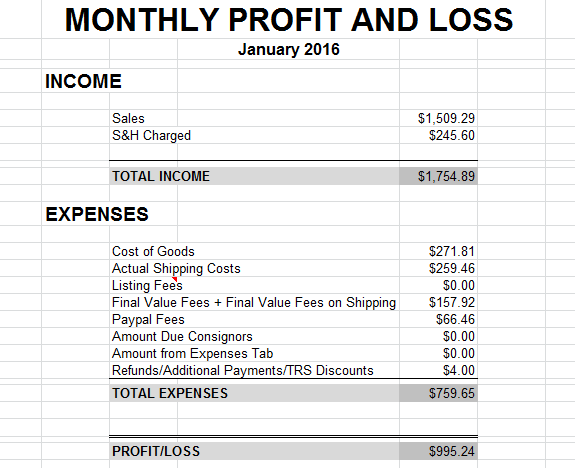
Before buying, check what similar items have sold for recently. Use eBay’s "Sold" listings filter to see actual transaction prices, not just asking prices. This data tells you what buyers are actually willing to pay. Factor in platform fees (typically 10-15%), shipping costs, and packaging materials. If the resale price minus fees and costs doesn't leave you with at least a $10-$15 profit, the item is likely not worth flipping.
Take clear, well-lit photos against a neutral background. Include close-ups of tags, logos, fabric texture, and any flaws. Write a detailed title and description using relevant keywords. Mention the brand, size, material, condition, and any unique features. List the item on platforms like eBay, Poshmark, Depop, or Mercari. Choose the platform that best matches your item's niche and fee structure.
Once sold, ship the item within 1-2 business days. Use sturdy packaging to prevent damage during transit. Include a thank you note or small freebie to encourage positive reviews. Fast shipping and good communication boost your seller rating, which leads to more sales. Track every shipment and update the buyer promptly.
Use your initial profits to buy higher-quality inventory. As you gain experience, you can identify more lucrative niches and negotiate better prices at thrift stores. Track your expenses and profits to understand your true margins. Reinvesting consistently allows you to scale from a side hustle to a steady income stream.
-
Check for stains, tears, and missing buttons
-
Verify brand authenticity using tags and stitching
-
Research recent sold prices on eBay
-
Calculate profit after fees and shipping
-
Take clear, well-lit photos
-
Write detailed titles and descriptions
-
Ship within 1-2 business days
Fix common mistakes
Flipping thrift store clothes for profit is simple in theory: buy low, sell high. In practice, small errors in sourcing, listing, or pricing can turn a promising haul into dead inventory. You might spend hours on photos and shipping only to realize the item wasn’t worth the effort in the first place. Avoid these frequent pitfalls to keep your margins healthy and your time well spent.
Ignoring fabric composition
The fabric label is the first thing you should check before paying. Synthetic blends like polyester or acrylic often have low resale value unless they are specific vintage styles or high-end brands. Natural fibers like 100% cotton, wool, linen, or silk command significantly higher prices. If you buy a "premium" looking shirt that turns out to be thin polyester, you will struggle to sell it. Always check the tag. If it’s not natural fiber or a recognized performance fabric, put it back.
Listing without checking sold listings
Many new flippers list items based on the current asking price of similar items, not what people actually paid. Asking prices can be inflated or unrealistic. To find the true market value, go to eBay or Poshmark and filter by "Sold Items" or "Completed Listings." This shows you the final sale price, including shipping. If similar items are selling for $5, listing yours for $20 will result in zero views. Price competitively based on real transaction data, not wishful thinking.
Poor photo quality and lighting
Your photos are your only way to show the item’s condition. Dark, blurry, or cluttered photos make buyers assume the item is damaged or low quality. Use natural daylight near a window. Take clear shots of the front, back, sides, tags, and any flaws. A $20 blazer can look like a $50 blazer with good lighting and a clean background. Conversely, a $50 blazer looks worthless in a dim, messy room. Invest five minutes in better photos; it increases click-through rates significantly.
Underestimating shipping costs
Shipping can eat up most of your profit if you don’t plan for it. Lightweight items like t-shirts are cheap to ship, but heavier items like denim jackets or coats cost more. Check the weight of your item and the dimensions of your box before listing. Many platforms calculate shipping automatically, but if you set a flat rate, you might lose money on heavy packages. Always weigh your item and measure the box to ensure your shipping cost matches the carrier’s rate.
Missing minor flaws
Hiding flaws or failing to mention them leads to returns and negative reviews. Buyers expect thrifted items to show some wear, but they also expect honesty. A small stain, a missing button, or a loose thread should be mentioned and photographed. If you hide a flaw and the buyer finds it, they will leave a bad review, which hurts your shop’s visibility. Transparency builds trust. If an item has a significant flaw, consider selling it "as is" at a lower price or donating it rather than risking a return.
Overpaying for items
The most common mistake is buying items that don’t have enough profit margin. If you buy a shirt for $5 and it costs $3 to ship and $1 in fees, you need to sell it for $9 just to break even. That’s a hard sell. Aim for items where you can buy for $1-$3 and sell for $15+. If you’re paying more than $5 for an item, ask yourself if it’s worth the risk. Stick to high-demand brands, specific styles, or rare finds that justify the higher purchase price.
Thrift store flipping for profit: common: what to check next
Flipping thrifted clothes online is a practical side hustle, but it requires more than just finding good deals. Understanding the hidden costs and platform rules is essential before you list your first item.
No comments yet. Be the first to share your thoughts!