Vintage Gold: Brands Resale Shops Want
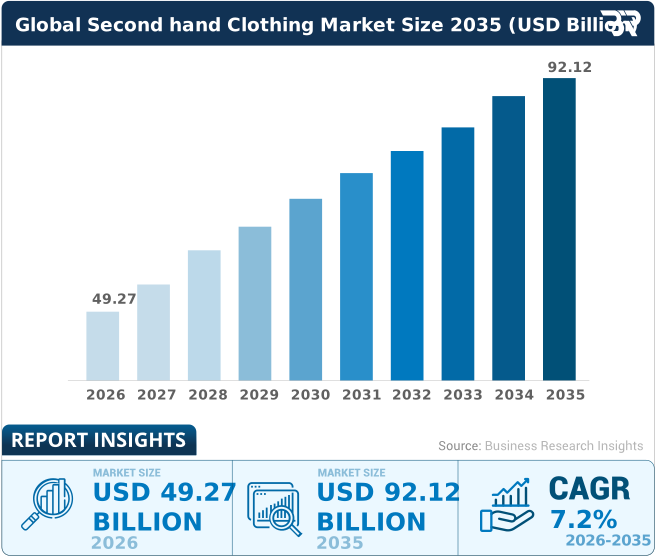
The vintage clothing resale market is booming. Shoppers are turning to thrift stores and estate sales for unique finds, driven by a growing awareness of fast fashion's impact and a cyclical return to past trends like Y2K. 2026 is shaping up to be a lucrative year for resellers.
According to Underpriced AI’s 2026 list, certain brands consistently outperform others in resale value. Value comes from quality, rarity, and current demand, not just designer names. Here's a rundown of labels to seek out.
Here are some of the most valuable vintage clothing brands, with a little insight into what makes them desirable and what you can expect to see them selling for (as of early 2026):
- Chanel (1950s-1990s): Quilted bags, tweed suits, costume jewelry. Expect $500 - $10,000+.
- Hermès (1970s-2000s): Silk scarves, leather bags (Kelly, Birkin), equestrian pieces. $300 - $15,000+.
- Dior (1947-2000s): "New Look" dresses, saddle bags, tailored separates. $400 - $8,000+.
- Gucci (1960s-1990s): Floral prints, bamboo-handled bags, logo pieces. $200 - $5,000+.
- Yves Saint Laurent (1960s-2000s): Le Smoking suits, safari jackets, Rive Gauche pieces. $300 - $6,000+.
- Levi's (1960s-1990s): 501s (especially orange tab and selvedge denim), denim jackets, vests. $50 - $500+.
- Ralph Lauren: (1970s-1990s) – Polo shirts, cable-knit sweaters, Western wear. $40 - $400+.
- Escada: (1970s-1990s) – Boldly patterned silk blouses and dresses, colorful knitwear. $60 - $300+.
- Pucci: (1960s-1980s) – Psychedelic printed silk dresses and scarves. $100 - $1,000+.
- Courrèges: (1960s-1970s) – Space-age inspired dresses and separates, vinyl and geometric designs. $150 - $800+.
Decoding Vintage Labels & Dating Clothes
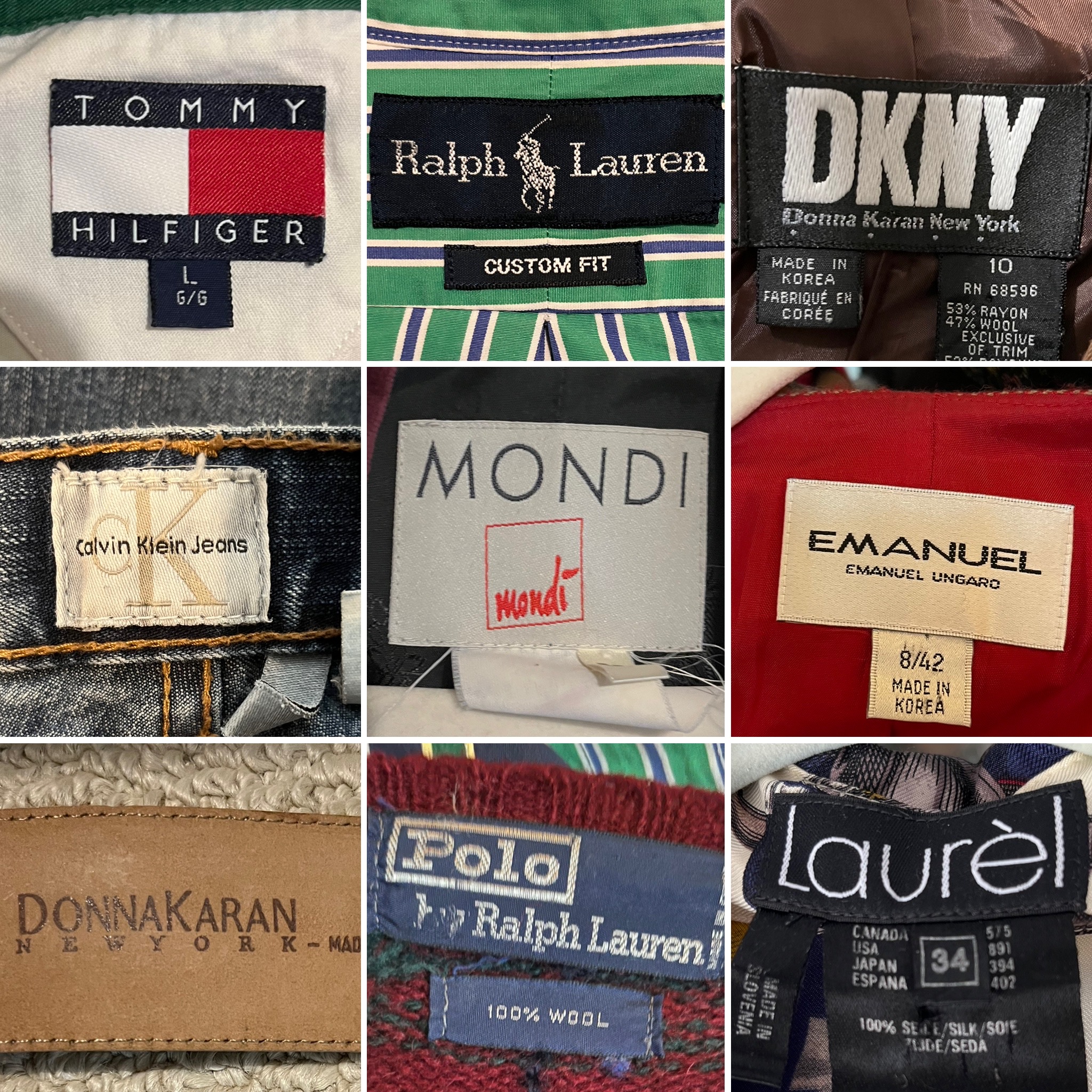
Identifying a vintage piece's value requires knowing how to read its labels and date the clothing. Union labels can pinpoint the year of manufacture. Pay attention to stitching and materials. Fabric content tags are also helpful.
Tag styles and label designs often indicate an era. Early 1960s garments might have smaller tags, while 1980s pieces often feature bolder labels. Zip codes on labels can also offer clues about origin and age.
Be wary of reproductions. Red flags include inaccurate logos, poor stitching, and modern materials in older-looking garments. A quick Google search of the brand and label style can help identify fakes. If a price seems too good to be true, it probably is.
Luxury Standouts: Chanel, Hermès, and Dior
Chanel, Hermès, and Dior consistently top the lists of most valuable vintage brands. These houses have a long history of craftsmanship and design innovation, and their pieces retain their desirability for decades. However, not all items from these brands are created equal. Certain pieces command significantly higher prices than others.
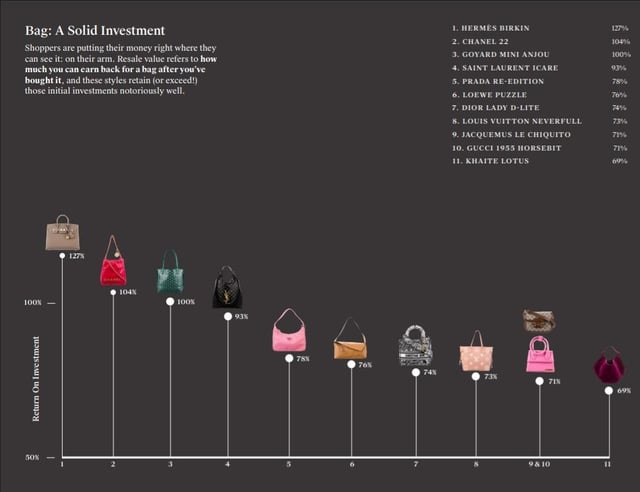
For Chanel, quilted bags (especially the classic flap bag) are the holy grail. Tweed suits and well-preserved costume jewelry also perform exceptionally well. Hermès scarves, particularly those with iconic designs like the Carré, are highly sought after, as are their leather bags. Dior’s saddle bags have experienced a massive resurgence in recent years, driven by the Y2K revival, and are fetching impressive prices.
Condition is paramount when it comes to luxury vintage. A pristine piece will always be worth more than one with significant wear and tear. Recent auction results show that a Chanel quilted bag in excellent condition can easily sell for over $10,000, while a Dior saddle bag in similar condition can fetch between $2,000 and $5,000. Authentication is also critical – always verify the authenticity of a luxury item before purchasing or reselling.
Denim Dreams: Levi's, Wrangler, and Lee
Vintage denim is a powerhouse in the resale market. Levi's, Wrangler, and Lee are the big three, and specific styles from these brands are highly coveted by collectors and fashion enthusiasts. The appeal lies in the quality of the denim, the unique washes and fits, and the iconic status of these brands.
Levi's 501s, particularly those from the 1960s and 1970s (especially with the orange tab), are consistently in demand. Selvedge denim – identified by the clean, finished edge of the fabric – is also highly prized. Wrangler's 13MWJ jeans, known for their rodeo tailoring, are popular with vintage cowboys and fashion-forward buyers alike. Lee riders are also highly collectible.
Here's a quick guide to what details increase value:
These brands often marked which country they were made in. “Made in USA” jeans almost always command a higher price than those made elsewhere.
- Selvedge denim: Indicates higher quality and craftsmanship.
- Orange Tab Levi's: A sign of vintage authenticity.
- Rodeo tailoring (Wrangler): Appeals to a specific niche.
- Specific washes: Dark wash, raw denim, and unique fading patterns.
- Made in USA: Generally increases value.
Vintage Levi's Lines: Rarity, Condition & Resale Potential (2026)
| Line | Rarity | Condition Expectations | Price Range |
|---|---|---|---|
| 501 (Pre-1970s) | Rare | Excellent to Good - minimal wear, original details intact | Medium to High 💰 |
| 501 (1970s-1980s) | Uncommon | Good - some fading/wear acceptable, no major flaws | Medium |
| 505 (1967-1980s) | Uncommon | Good to Fair - slight wear, original hardware preferred | Medium |
| 606 (1950s-1960s) | Rare | Excellent - pristine condition commands top dollar | High 💸 |
| Orange Tab (1960s-1970s) | Uncommon | Good - clear Orange Tab, minimal repairs | Medium |
| 501 (Red Line Selvedge - 1990s-2000s) | Uncommon | Excellent to Good - clean, original hem | Medium |
| 505 (Regular Fit - 1990s-2000s) | Common | Good - minimal wear, no significant damage | Low to Medium |
| 606 (1970s - Zip Fly) | Uncommon | Good - functioning zip, original stitching | Medium |
Illustrative comparison based on the article research brief. Verify current pricing, limits, and product details in the official docs before relying on it.
Designer Details: Pucci, YSL, and Courrèges
While Chanel, Hermès, and Dior are always safe bets, several other designer brands are experiencing a surge in popularity, making them excellent finds for resellers. Emilio Pucci’s psychedelic printed silk dresses and scarves are having a moment, driven by the renewed interest in 1960s and 1970s fashion. Yves Saint Laurent’s Le Smoking suits – the original tuxedo for women – remain timeless classics.
Courrèges, with its space-age aesthetic, is also gaining traction, particularly among younger buyers. The brand’s vinyl dresses, geometric designs, and futuristic silhouettes are resonating with a new generation of fashion enthusiasts. Blue Collar Red Lipstick frequently highlights these brands as favorites for thrifting due to their unique styles and potential resale value.
These brands often represent a lower barrier to entry than the ultra-luxury houses, meaning you’re more likely to find them at reasonable prices in thrift stores and vintage shops. However, their growing popularity means prices are steadily increasing, so it’s a good time to start hunting.
Spotting Fakes: Red Flags to Watch For
The vintage market, unfortunately, attracts counterfeiters. Protecting yourself – and your buyers – requires a keen eye and a healthy dose of skepticism. Poor stitching is a major red flag. Authentic vintage garments are typically well-made, with neat, even stitches. Incorrect labels are another giveaway – research the brand’s label history to ensure the tag matches the era of the garment.
Cheap materials are a dead giveaway. Luxury brands use high-quality fabrics, and a flimsy or poorly textured material is a clear sign of a fake. Inaccurate logos are also common – pay close attention to the font, spacing, and overall design. For Chanel, look for the double-C logo to be perfectly aligned and symmetrical.
Here’s a quick checklist to help you spot fakes:
- Poor stitching: Uneven, loose, or sloppy stitches.
- Incorrect labels: Mismatched fonts, inaccurate dates, or missing details.
- Cheap materials: Flimsy fabrics or poor-quality hardware.
- Inaccurate logos: Misaligned, distorted, or poorly printed logos.
- Unusually low price: If it seems too good to be true, it probably is.
Where to Resell: Platforms & Strategies
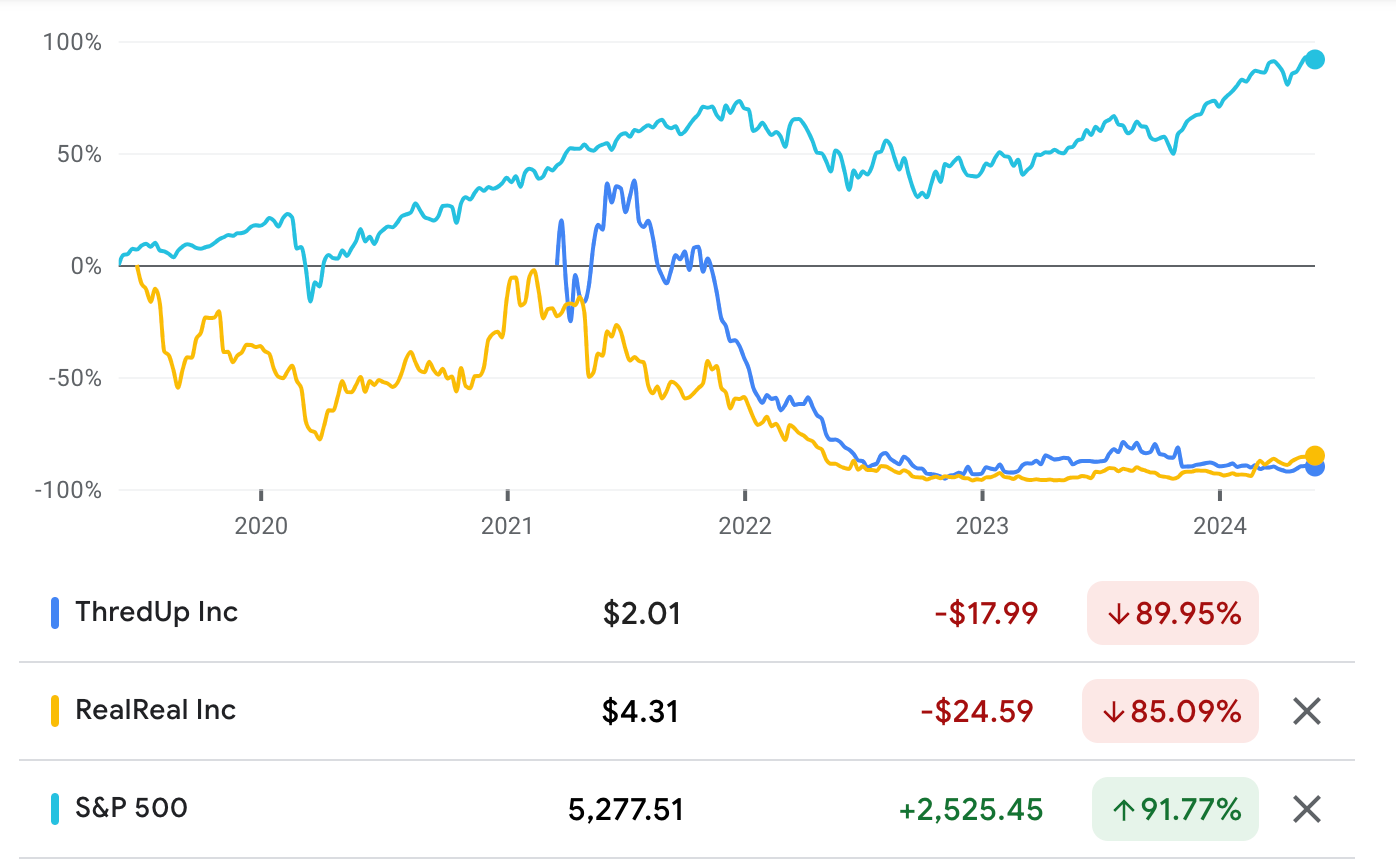
Once you’ve curated your vintage collection, it’s time to find buyers. Several popular resale platforms cater to different niches and price points. eBay remains a reliable option for reaching a wide audience, while Poshmark and Depop are popular with younger buyers and focus on fashion. The RealReal specializes in luxury consignment and offers authentication services.
Each platform has its pros and cons. eBay offers the broadest reach but also attracts more competition. Poshmark and Depop are more visually driven and have a strong social media component. The RealReal offers authentication and handles the shipping process, but takes a higher commission. To maximize profits, focus on high-quality photos, detailed descriptions, accurate sizing, and competitive pricing.
Platform-specific strategies can also be effective. On Poshmark, utilize bundles and offer discounts to encourage multiple purchases. On Depop, engage with the community and use relevant hashtags. Regardless of the platform, excellent customer service is key to building a positive reputation and repeat business.
- eBay: Wide reach, competitive pricing.
- Poshmark: Fashion-focused, social media integration.
- Depop: Younger audience, visually driven.
- The RealReal: Luxury consignment, authentication services.
No comments yet. Be the first to share your thoughts!