Resale trends for 2026
Secondhand shopping isn't a backup plan anymore. By 2026, the market is expected to hit $350 billion globally as people move away from fast fashion. We're seeing a shift where buying used is the first choice for most shoppers under 30.
Gen Z and Millennials are the primary forces behind this shift, prioritizing sustainability and affordability. These demographics are comfortable with online shopping and actively seek out unique, pre-owned items. Inflation and fluctuating disposable income are also playing a role, making resale a more attractive option for budget-conscious consumers.
This isn’t simply an extension of eBay as it once was. The market is becoming increasingly sophisticated, with specialized platforms and AI-powered tools transforming the resale experience. Expect to see more emphasis on curated collections, personalized recommendations, and streamlined logistics.
Sustainability concerns are no longer a niche interest. Consumers are more aware of the environmental impact of fast fashion and are actively looking for ways to reduce their carbon footprint. Resale offers a viable alternative, extending the life cycle of clothing and reducing textile waste. This trend will only intensify in the coming years.
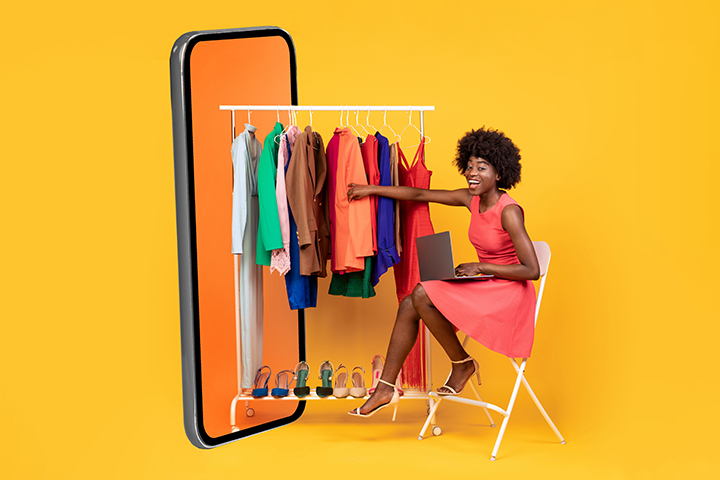
How AI writes your listings
Artificial intelligence is fundamentally changing how clothes are listed for resale. The days of painstakingly writing descriptions and manually optimizing photos are quickly becoming outdated. AI is automating many of these tasks, making the listing process faster and more efficient.
Automated background removal is now commonplace, ensuring professional-looking product photos. AI-powered tools can also suggest relevant titles and descriptions, optimizing listings for search engines and increasing visibility. These suggestions aren’t always perfect, but they provide a solid starting point for sellers.
AI pricing tools are the biggest change. Most apps now scan millions of sold listings to tell you exactly what your sweater is worth. I don't fully trust these bots for rare vintage pieces yet, but they give you a solid baseline so you don't underprice your inventory.
We’ll likely see further advancements in AI-powered listing tools. Expect to see features like automated style tagging, virtual try-on capabilities, and even AI-generated product videos. The goal is to create a seamless and engaging listing experience for both buyers and sellers. The platforms that embrace these technologies will have a significant advantage.
Platform Breakdown: Key Players in 2026
The resale platform landscape is crowded, with several key players vying for market share. Each platform has its own strengths and weaknesses, catering to different audiences and product categories. Understanding these differences is crucial for maximizing your resale success.
ThredUp remains a popular choice for its convenience, particularly its clean-out bags. However, payout rates can be lower compared to other platforms, and acceptance criteria are relatively strict. It's best suited for sellers looking for a hands-off approach and willing to accept lower returns.
Poshmark is known for its social features and focus on building a community. It’s a good option for sellers who enjoy interacting with buyers and promoting their listings. Fees are relatively straightforward, but shipping can be expensive.
Depop caters to a younger, trend-focused audience. It's a great platform for selling vintage, streetwear, and unique fashion items. Depop’s fee structure is competitive, but sellers need to be active in promoting their listings.
Mercari is a more general marketplace, offering a wider range of products. It’s a good option for sellers who want to reach a broader audience. Fees are lower than some other platforms, but there’s more competition.
The RealReal specializes in luxury consignment. It’s the platform of choice for selling designer clothing, handbags, and accessories. The RealReal handles authentication and logistics, but fees are higher. It’s a good option for sellers looking to offload high-value items without the hassle of managing the process themselves.
The most profitable niches
While general resale platforms offer broad reach, focusing on niche markets can significantly increase your profits. Certain categories consistently outperform others in terms of demand and resale value.
Vintage clothing remains a highly sought-after niche. Unique pieces from the 1970s, 1980s, and 1990s are particularly popular, especially items from well-known brands or with distinctive designs. Platforms like Depop and Etsy are ideal for selling vintage.
Designer handbags are a consistently strong performer, particularly from brands like Chanel, Louis Vuitton, and Hermès. The RealReal is the go-to platform for selling luxury handbags, but Poshmark and eBay also have active markets.
Athletic wear, particularly brands like Lululemon and Nike, has a high resale value. Demand for these items remains strong, and they tend to sell quickly. Poshmark and Mercari are good options for selling athletic wear.
Children’s clothing is another promising niche. Kids grow quickly, and parents are always looking for affordable, gently used clothing. Mercari and Kidizen are popular platforms for selling children’s clothing.
Specific brands with strong resale value, such as Patagonia and North Face, also command premium prices. These brands are known for their quality and durability, making them attractive to resale buyers.
High Resale Value Brands
- Lululemon - Known for quality athletic wear, Lululemon consistently retains approximately 50-70% of its original retail value on resale platforms. Demand remains strong for popular styles and limited editions.
- Patagonia - A leader in sustainable outdoor apparel, Patagonia items often resell for 40-60% of their original price, with down jackets and fleece pullovers being particularly sought after.
- Free People - This bohemian-style brand maintains a good resale value, typically around 40-55%, driven by its unique designs and loyal customer base.
- Madewell - Popular for its denim and everyday basics, Madewell clothing generally resells for 30-50% of its retail price, depending on condition and style.
- Aritzia - The Canadian brand’s minimalist aesthetic and quality fabrics contribute to a resale value of approximately 35-60%, particularly for outerwear and knitwear.
- Reformation - Focused on sustainable fashion, Reformation dresses and separates frequently resell for 30-50% of the original price, appealing to environmentally conscious buyers.
- Nike - Highly collectible sneakers and athletic apparel from Nike can retain 40-70% of their value, especially limited-edition releases and collaborations.
- Canada Goose - Premium outerwear from Canada Goose consistently commands high resale prices, often achieving 60-80% of the original retail cost due to its durability and brand recognition.
Shipping & Logistics: Streamlining the Process
Shipping and logistics can be a significant pain point for online resellers. Managing shipping costs, packaging materials, and label printing can be time-consuming and expensive.
Shipping costs are a major consideration. Sellers need to factor these costs into their pricing strategy to remain competitive. Offering free shipping can attract more buyers, but it’s important to absorb the cost or build it into the price of the item.
Sustainable packaging is becoming increasingly important to consumers. Using recycled or biodegradable packaging materials can enhance your brand image and appeal to environmentally conscious buyers.
AI could play a role in optimizing shipping routes and reducing costs. Algorithms can analyze shipping data to identify the most efficient and affordable shipping options. Some platforms are already integrating with shipping providers to streamline the process.
Integrating with shipping providers like USPS, UPS, and FedEx can simplify label printing and tracking. Many platforms offer built-in integrations, making it easier to manage shipping logistics.
Photography & Presentation: Standing Out
Even with the rise of AI, high-quality photography remains essential for successful resale. A well-lit, clear photo can make all the difference in attracting buyers. Poor photos can deter potential customers, even if the item is in excellent condition.
Natural lighting is ideal for photographing clothing. Avoid harsh direct sunlight, which can create shadows and wash out colors. Take photos in a well-lit room with soft, diffused light.
Showcase the item from multiple angles, highlighting its key features and any flaws. Include close-up shots of details like fabric texture, buttons, and labels.
Accurate descriptions and detailed measurements are crucial. Include information about the item’s size, material, condition, and any notable features. Provide measurements for key areas like chest, waist, and length.
Use Canva or Lightroom to strip out messy bedroom backgrounds. A white backdrop sells faster because it looks like a professional retail site. It takes ten seconds but usually adds 15% to the final sale price.
Resale Platform Comparison: ThredUp, Poshmark, and Depop (2026 Outlook)
| Criteria | ThredUp | Poshmark | Depop |
|---|---|---|---|
| Convenience | High - Hands-off; sends a bag. | Medium - Requires individual listing & shipping. | Medium - Requires individual listing & shipping. |
| Payout Rate | Lower - Accepts a smaller percentage of items & offers consignment. | Medium - Seller sets price, but fees apply. | Medium - Seller sets price, but fees apply. |
| Pricing Control | Low - ThredUp determines final sale price. | High - Seller has significant control over pricing. | High - Seller has significant control over pricing. |
| Target Audience | Broader; mainstream brands and styles. | Fashion-focused; diverse brands, higher price points often seen. | Younger demographic; streetwear, vintage, and unique styles. |
| Effort Required | Low - Send the bag, they handle the rest. | High - Listing, photography, communication, shipping. | High - Listing, photography, communication, shipping. |
| Brand Focus | Better for established, popular brands. | Supports both established and independent brands. | Stronger for independent designers and vintage. |
| AI Integration (Projected 2026) | Likely to expand automated pricing & item categorization. | Potential for AI-driven listing suggestions & buyer matching. | Potential for AI-powered style recommendations to buyers. |
Qualitative comparison based on the article research brief. Confirm current product details in the official docs before making implementation choices.

No comments yet. Be the first to share your thoughts!