The reality of thrifting in 2026
Thrifting has changed. High demand for designer labels, driven by tighter budgets and the rise of resale apps, means prices are climbing. It is harder to find a steal when every shop knows the market value of what they are putting on the floor.
We’re seeing a clear impact from platforms like The RealReal, Poshmark, and ThredUp. These sites have not only expanded the reach of secondhand designer items but also established a level of price transparency. Savvy shoppers are now aware of current resale values, and that knowledge is directly influencing what they’re willing to pay – or not pay – for items in brick-and-mortar thrift stores.
This isn't to say great deals are impossible to find, but the days of stumbling upon a Chanel bag for $20 are largely over. Competition is fierce. Successful thrifting in 2026 requires knowledge, patience, and a keen eye for authenticity. It's about understanding the market, recognizing quality, and being prepared to act quickly when you spot something special.
Designer brands worth the hunt
These 19 brands are the most consistent earners right now. The prices below reflect actual sold listings from late 2026 on The RealReal and Poshmark. Keep in mind that a scuffed corner or a missing button can cut these numbers in half.
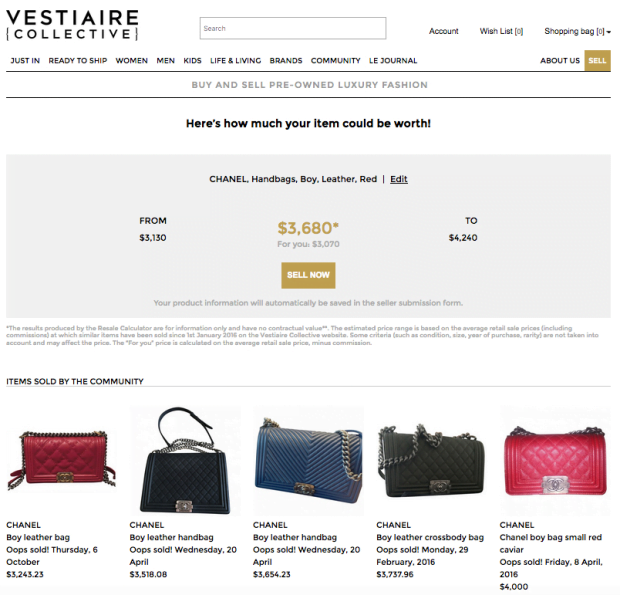
Chanel: Thrift store price: $50 - $500 (depending on item). Resale value: $200 - $5,000+. Look for classic quilted bags, vintage costume jewelry, and tweed jackets. Authenticity is paramount – scrutinize the CC logo and serial numbers.
Hermès: Thrift store price: $75 - $800. Resale value: $300 - $15,000+. Focus on silk scarves, leather belts, and smaller leather goods. Hermès items are heavily counterfeited, so professional authentication is recommended.
Gucci: Thrift store price: $30 - $400. Resale value: $150 - $3,000+. Search for vintage logo bags, belts with the iconic GG buckle, and silk scarves. Pay attention to the quality of the canvas and stitching.
Louis Vuitton: Thrift store price: $40 - $600. Resale value: $200 - $4,000+. Monogram canvas bags are common, but look for limited-edition pieces. Date codes are crucial for authentication.
Prada: Thrift store price: $20 - $300. Resale value: $100 - $2,000+. Nylon bags and leather wallets are good finds. Check for the Prada logo plaque and the quality of the hardware.
Dior: Thrift store price: $30 - $450. Resale value: $150 - $3,500+. Look for vintage scarves, belts, and smaller leather goods with the Dior logo. Authentication can be tricky; seek expert advice.
YSL (Saint Laurent): Thrift store price: $40 - $500. Resale value: $200 - $4,000+. Focus on YSL logo bags and leather jackets. Examine the quality of the leather and hardware.
Burberry: Thrift store price: $20 - $300. Resale value: $100 - $1,500+. Look for trench coats and bags with the iconic Burberry check pattern. Be wary of faded or damaged patterns.
Versace: Thrift store price: $25 - $350. Resale value: $120 - $2,500+. Medusa head logo items are highly sought after. Check the quality of the embellishments and the stitching.
Fendi: Thrift store price: $30 - $400. Resale value: $150 - $3,000+. Look for logo bags and fur accents. Authentic Fendi items have precise stitching and high-quality materials.
Salvatore Ferragamo: Thrift store price: $15 - $250. Resale value: $80 - $1,200+. Focus on Vara pumps and leather goods. Check for the Ferragamo logo and the quality of the leather.
Bottega Veneta: Thrift store price: $50 - $700. Resale value: $300 - $5,000+. Intrecciato woven leather goods are highly desirable. Authentication is complex; consider a professional service.
Balenciaga: Thrift store price: $30 - $400. Resale value: $150 - $3,000+. Look for City bags and statement pieces. Balenciaga designs can be distinctive, making fakes easier to spot.
Givenchy: Thrift store price: $30 - $400. Resale value: $150 - $2,500+. Antigona bags and logo tees are popular. Pay attention to the quality of the leather and hardware.
Marc Jacobs: Thrift store price: $10 - $150. Resale value: $50 - $800+. The Stam bag and quilted bags are good finds. Check for consistent stitching and quality materials.
Tory Burch: Thrift store price: $10 - $100. Resale value: $40 - $400+. Look for logo bags and flats. Tory Burch items are generally easier to authenticate.
Kate Spade: Thrift store price: $5 - $80. Resale value: $20 - $300+. Focus on colorful bags and accessories. Kate Spade items are often readily available at thrift stores.
Coach: Thrift store price: $5 - $75. Resale value: $20 - $250+. Vintage Coach bags are particularly valuable. Look for classic styles and good leather quality.
Ralph Lauren: Thrift store price: $5 - $50. Resale value: $15 - $150+. Polo shirts, leather jackets, and accessories are good finds. Ralph Lauren items are often well-made and durable.
How to spot a fake
Spotting a fake is crucial. It's not enough to simply recognize the brand; you need to know the details. Labels are a primary area of concern. Authentic designer labels are typically sewn on straight, with neat and consistent stitching. Counterfeits often have crooked or uneven stitching, and the fabric of the label may feel cheap.
Hardware is another key indicator. Authentic designer hardware is usually substantial and well-made, with a good weight to it. Look for clean lines, consistent coloring, and properly engraved logos. Fakes often use lightweight, flimsy hardware with poorly defined logos.
Materials matter. Designer brands use high-quality materials. Leather should feel supple and durable, canvas should be tightly woven, and metal should have a substantial feel. Be suspicious of items that feel cheap or poorly constructed. Even experts can be fooled, so when in doubt, seek a professional authentication service.
Resources like Authenticate First and Real Authentication offer paid authentication services. Online guides and forums can also be helpful, but be cautious about relying solely on user-submitted information. Common red flags include misspellings on labels, inconsistent logo placements, and a price that seems too good to be true.
- Stitching that is straight, tight, and uses a single thread color throughout.
- Examine the hardware: Substantial weight, clean lines, proper engraving.
- Inspect the materials: High-quality leather, canvas, or metal.
- Verify the logo: Correct font, placement, and proportions.
- Look for serial numbers/date codes: Authenticity markers specific to the brand.
Beyond the Bag: Unexpected Valuable Items
Don’t limit your search to handbags and clothing. Many overlooked items can yield surprising returns. Vintage scarves from brands like Hermès and Gucci can resell for $50-$500+, depending on the design and condition. Designer belts, even without prominent logos, can fetch $30-$200+.
Costume jewelry, particularly signed pieces from designers like Chanel or Dior, is often undervalued in thrift stores. A signed Chanel brooch could easily resell for $100-$500+. Designer sunglasses, in good condition, can also be quite valuable – $50-$300+ depending on the brand and style.
Small leather goods like wallets, cardholders, and keychains are often overlooked but can resell for $40-$200+. Even designer home goods, such as table linens or decorative items, can be worth a look – a vintage Versace plate could fetch $50-$150+.
Better ways to shop the racks
Maximize your success with a strategic approach. The best days to shop are typically restocking days, which vary by store. Ask staff when they put out new merchandise. Senior discount days can also be less crowded, giving you more time to browse.
Building rapport with thrift store staff can be incredibly beneficial. They often get a heads-up on donations and may be willing to point you in the direction of designer items. Be polite, respectful, and show genuine interest in their store.
Scan racks efficiently. Don’t get bogged down in items that don’t fit your criteria. Focus on brands and styles you know are valuable. Always try things on – sizing can vary significantly, especially with vintage clothing. Finally, learn to let go. Not every item will be a winner, and it’s important to avoid getting emotionally attached.
- Ask the manager which mornings they roll out the new furniture and clothing bins.
- Build relationships with staff: They can offer valuable insights.
- Scan racks efficiently: Focus on targeted brands and styles.
- Try everything on: Sizing varies significantly.
- Learn to let go: Don't get attached to items that aren't a perfect fit.
Resale Platforms: Maximizing Your Profit
Once you’ve sourced valuable items, choosing the right resale platform is critical. The RealReal specializes in luxury consignment, offering authentication and professional photography, but charges higher commission fees (around 30-70%). Poshmark is a more DIY platform with lower fees (20% for sales over $15), but requires you to handle photography, descriptions, and shipping.
eBay offers the widest reach but also attracts the most competition. Commission fees vary depending on the item category. Vestiaire Collective focuses on pre-owned luxury fashion and offers authentication services, with commission rates ranging from 20-30%.
Compelling listings are essential. Use clear, well-lit photos, and write detailed descriptions that highlight the item’s condition and features. Price competitively, research comparable listings, and respond to inquiries promptly. Remember to factor in shipping costs and potential tax implications when setting your price.
Resale Platform Comparison: Finding the Right Fit for Your Designer Finds (2026)
| Platform | Commission Structure | User Experience | Authentication | Shipping |
|---|---|---|---|---|
| The RealReal | Generally higher, tiered based on item value | Streamlined, curated experience; geared towards luxury | Robust, in-house experts authenticate items | Handles shipping logistics; white glove service available |
| Poshmark | Flat fee for sales under a certain amount; declining percentage for higher value items | Social marketplace; relies on user interaction and 'Posh Parties' | Limited authentication; buyer/seller responsibility | Seller manages shipping, with pre-paid label options |
| eBay | Variable; based on category and seller status | Wide range of options; auction and fixed price formats | Limited authentication; buyer protection program | Seller or buyer manages shipping; multiple carrier options |
| Vestiaire Collective | Commission varies significantly based on brand and sale price | Focus on designer and luxury items; strong European presence | Authentication process for most items; expert review | Seller ships to Vestiaire Collective for authentication, then they handle final shipping |
| Mercari | Lower than many platforms; simple fee structure | User-friendly app; easy listing process | No formal authentication; relies on buyer/seller reputation | Seller manages shipping; various carrier options |
| Depop | 10% fee per sale | Visually focused; popular with younger demographics and vintage/streetwear | No formal authentication; relies on buyer/seller reputation | Seller manages shipping |
Qualitative comparison based on the article research brief. Confirm current product details in the official docs before making implementation choices.


No comments yet. Be the first to share your thoughts!