Thrift Store Gold: 25 Brands to Watch
Finding valuable vintage clothing depends on knowing what to look for. The resale market for vintage is booming, and certain brands consistently perform well. Demand is strong for well-preserved pieces from the 70s, 80s, and 90s, with early 2000s Y2K styles also gaining traction.
Thrifting and reselling for years has shown that quality, unique items are always in demand. Value comes from the condition, style, and story of a piece, not just the brand name. Starting with brands that have proven resale value is a smart strategy. Here are 25 brands to look for, with notes on what to seek and potential price ranges as of early 2026.
Levi’s (all variations): $20 - $300+ (depending on era and style). Anything selvedge denim, or rare washes are highly sought after. Look for Orange Tab and Red Tab variations.
Lee (vintage): $15 - $150. High-waisted styles from the 70s and 80s are particularly popular. The "Lazy S" stitch is a key identifier for vintage Lee.
Wrangler (vintage): $20 - $200. Similar to Lee, focus on high-waisted styles from the 70s and 80s. Rodeo tailoring is a plus.
Pendleton (wool items): $30 - $400. Blankets are classic, but shirts, skirts, and jackets are also valuable. Look for vibrant patterns and good condition.
St. John (knit sets): $50 - $500+. These are a luxury find. Quality is key – look for well-made knitwear in classic colors.
Escada (silk blouses/dresses): $40 - $300. Bright colors and bold prints are desirable. Check for 100% silk.
Ralph Lauren (Polo shirts, blazers): $25 - $200. Made-in-USA pieces are particularly valuable.
Tommy Hilfiger (sportswear, denim): $20 - $150. 90s Tommy Hilfiger is experiencing a major revival.
Adidas (tracksuits, sneakers): $30 - $300+. Rare colorways and vintage styles are highly sought after.
Puma (tracksuits, sneakers): $20 - $200. Similar to Adidas, focus on vintage styles and rare collaborations.
Nike (vintage sportswear): $40 - $400+. Early Nike running shoes and tracksuits can be very valuable.
Gucci (vintage accessories): $50 - $1000+. Belts, scarves, and handbags are good finds. Authenticity is crucial.
Chanel (vintage accessories): $100 - $5000+. Similar to Gucci, accessories are a good starting point. Expert authentication is recommended.
Christian Dior (vintage dresses/suits): $100 - $2000+. Look for classic silhouettes and high-quality materials.
YSL (vintage blouses/jackets): $80 - $800+. Bold designs and statement pieces are desirable.
Calvin Klein (vintage jeans/underwear): $20 - $100. 90s Calvin Klein is very popular.
Guess (denim jackets/jeans): $20 - $100. 80s and 90s Guess denim is in high demand.
Versace (vintage prints): $60 - $600+. Bright, bold prints are characteristic of the brand.
Moschino (quirky designs): $40 - $400. Look for unique and playful pieces.
Vivienne Westwood (punk/new wave): $50 - $500+. Rare and collectible pieces.
Comme des Garçons (avant-garde styles): $60 - $600+. Unique and artistic designs.
Issey Miyake (pleated designs): $50 - $400. Known for innovative fabrics and designs.
Betsey Johnson (floral prints): $30 - $200. Bright, colorful, and whimsical designs.
Decoding Vintage Labels & Dating Clothes
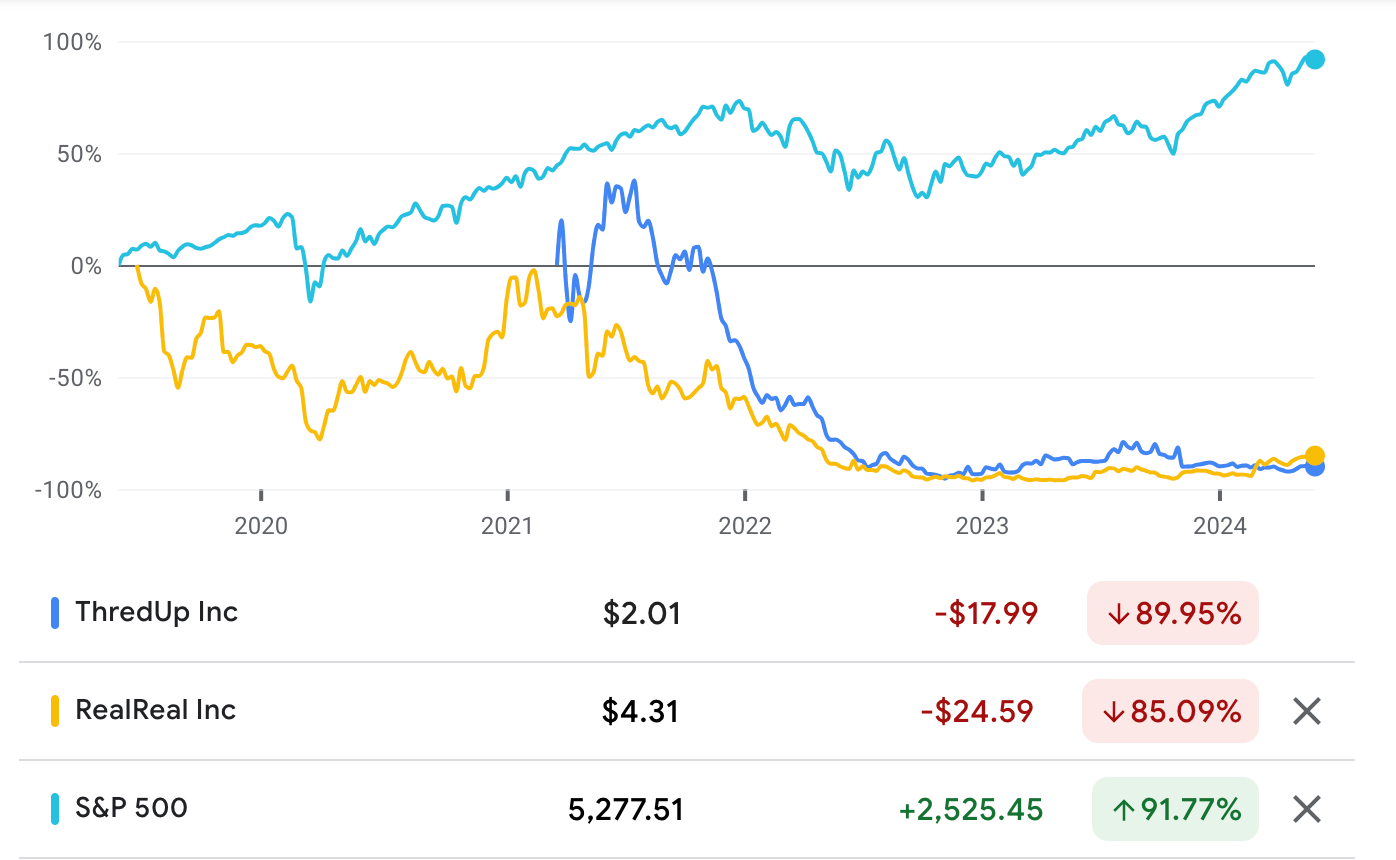
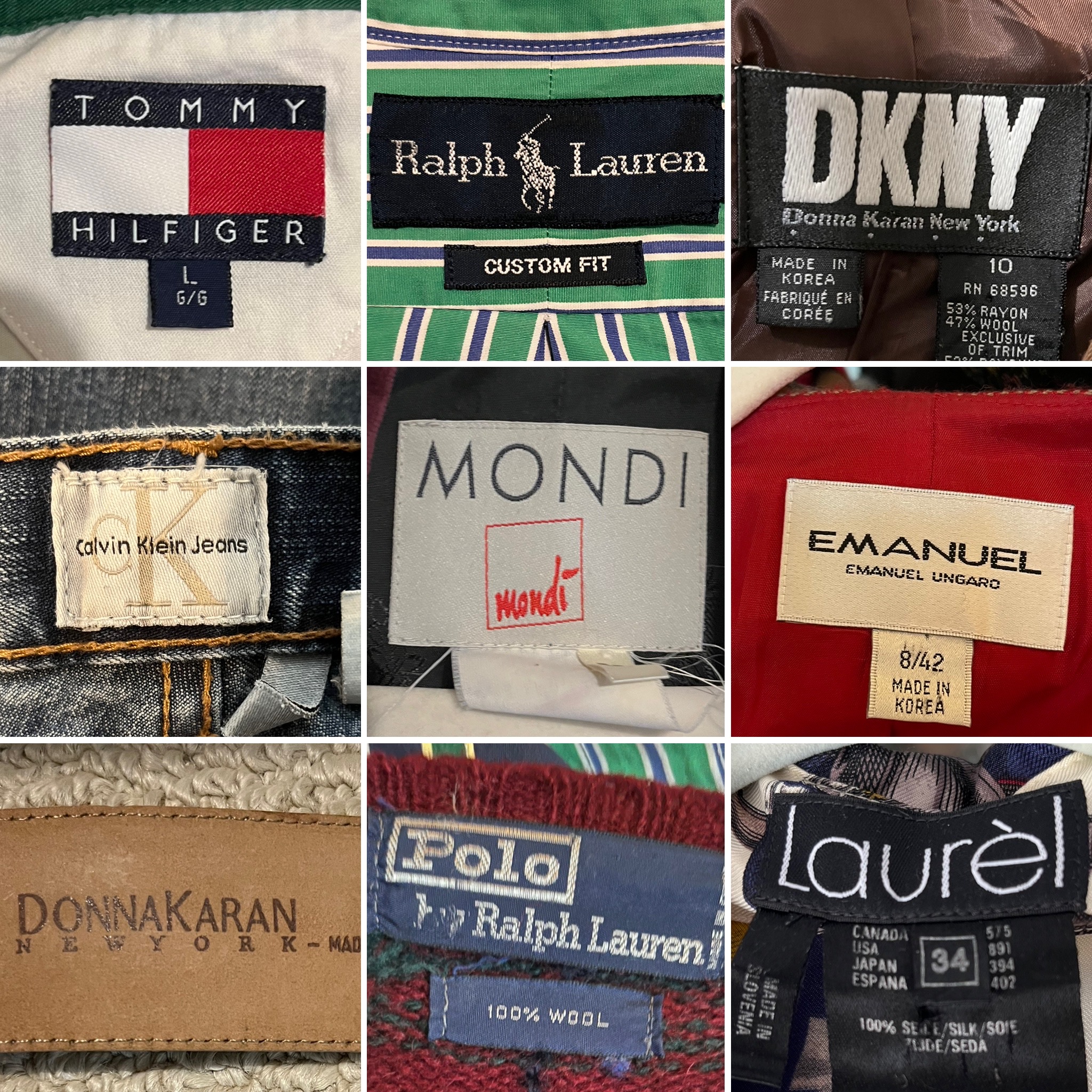
Knowing a brand is valuable is only part of the equation; dating the item is crucial for understanding its potential worth. Vintage labels offer clues about an item's age and origin. Union labels, for instance, changed designs over time, providing a rough estimate of when a garment was made. Fabric content tags are also helpful, as the materials used and their labeling evolved significantly over the decades.
Looking at details like the cut, construction, and hardware can reveal an item's era, even if the label is missing or illegible. For example, the way a zipper is constructed can indicate age; early zippers differed from those used in the 80s or 90s.
Researching online resources dedicated to vintage clothing labels and dating can be very rewarding. Familiarizing yourself with popular styles from different eras, such as the 70s versus the 80s, will help identify valuable pieces.
Levi's: Beyond the 501s
Levi's are a staple in vintage clothing, but not all pairs are created equal. There's a significant difference in value between modern and 1970s pairs. The Orange Tab line, introduced in the 1960s, is particularly desirable, especially those made in the USA. Look for the “Made in USA” tag and the orange tab on the back pocket.
Selvedge denim is a key indicator of value. This refers to denim woven on old-fashioned looms, creating a clean, finished edge that doesn't fray. It signifies higher quality and is sought after by collectors. Different washes and finishes also impact price, with dark washes and raw denim generally being more valuable than heavily faded or distressed denim.
Beyond the 501s, look for other Levi's styles like the 606 (a slimmer fit) and the 517 (bootcut). Limited edition collaborations and unique details can increase value. Pay attention to the rivets; their design and material can help pinpoint the era.
The Power of Pendleton: Blankets & Beyond
Pendleton is known for high-quality wool blankets, and vintage blankets are consistently valuable. Don't overlook their clothing, as vintage Pendleton shirts, jackets, and skirts can also fetch a good price. The key factors are the pattern and condition. Blankets in excellent condition with vibrant colors command a premium.
Certain patterns are more desirable than others; Chief Joseph blankets are particularly collectible. Look for blankets made in the USA, as they tend to be more valuable. Clothing items with unique patterns or detailing, like hand-stitched embroidery, are also worth seeking.
Condition is paramount with Pendleton. Even a minor flaw can significantly reduce value. Look for items that are clean, free of moth holes, and unaltered. Proper storage is important to preserve the wool’s quality.
Designer Denim: Wranglers, Lee, & More
While Levi’s dominates the vintage denim market, vintage Wrangler and Lee are gaining popularity. The 70s and 80s were a prime era for these brands, with high-waisted styles being particularly sought after. Look for the "Lazy S’ stitch on vintage Lee jeans; it"s a key identifier.
Wrangler rodeo tailoring is a desirable feature, referring to reinforced stitching and construction designed for cowboys. These jeans are durable and have a unique aesthetic. Pay attention to color and wash; darker washes and unique fades are more valuable.
Lesser-known brands like Panhandle Slim and Cinch can also be valuable, especially with unique detailing or from a specific era. Research is key to identifying these hidden gems.
Sportswear Standouts: Adidas, Puma, & Nike
Vintage sportswear is a large market, driven by the trend for athleisure and retro styles. Adidas, Puma, and early Nike items are consistently in demand. Tracksuits, windbreakers, and sneakers are particularly popular. Look for pieces with the Trefoil logo (Adidas) or the Puma formstrip.
Authenticity is critical for vintage sportswear, as many fakes exist. Pay attention to the logo, stitching, and materials. Online resources can help in spotting fakes.
Rare colorways and collaborations are sought after. Limited edition releases and pieces designed with famous athletes or designers can fetch a premium price. Items from the 80s and 90s are particularly valuable.
Authenticating Vintage Adidas, Puma & Nike Sportswear (2026)
| Brand | Feature | Authentic Details | Red Flags |
|---|---|---|---|
| Adidas | Logo Style (1970s-1980s) | Often features the trefoil logo, sometimes with 'Adidas' spelled out underneath in a specific font. Look for consistent stitch quality. | Poorly stitched logos, misaligned trefoil petals, or modern fonts are indicators of fakes. |
| Adidas | Fabric | Vintage Adidas often used heavier weight cotton and polyester blends. Tracksuits frequently featured a ribbed texture. | Thin, flimsy fabrics or materials that feel significantly different from typical 70s/80s sportswear. |
| Adidas | Tag | Early tags were often woven, sometimes with country of origin. Later tags transitioned to printed versions. Check for correct spelling and font. | Missing tags, tags that look recently added, or tags with incorrect fonts/spelling. |
| Puma | Logo Style (1980s-1990s) | The Puma 'jumping cat' logo was prominent. Look for a clean, defined shape. Color variations existed, but generally a bold black or red. | Blurry or distorted logo, inconsistent cat shape, or faded/poorly applied colors. |
| Puma | Fabric | Puma sportswear from the 80s/90s frequently utilized nylon and polyester blends for windbreakers and tracksuits. Often water-resistant. | Materials that feel cheap or lack the expected water resistance for vintage Puma outerwear. |
| Puma | Tag | Tags evolved over time; look for tags consistent with the era of the garment. Early tags might include 'Made in Yugoslavia'. | Modern-looking tags or tags that don't match the garment's style/era. |
| Nike | Logo Style (1970s-1980s) | The 'Swoosh' logo was often smaller and more streamlined in early years. Look for consistent shape and placement. | Oversized or awkwardly placed Swoosh logos, or a Swoosh shape that deviates from the classic design. |
| Nike | Fabric | Vintage Nike often used durable nylon and cotton blends. Windrunners were a signature item, known for their lightweight, water-resistant fabric. | Thin or easily damaged fabrics, or materials that don’t feel consistent with vintage Nike quality. |
Illustrative comparison based on the article research brief. Verify current pricing, limits, and product details in the official docs before relying on it.
Luxury Finds: St. John, Escada & More
The luxury vintage market offers profit potential. St. John knit sets, Escada silk blouses, and other designer pieces can be valuable. Identifying quality materials and construction is key. St. John is known for its impeccable knitwear, while Escada is known for its vibrant silk prints.
Look for 100% silk, cashmere, and other high-end fabrics. Pay attention to stitching and overall garment construction. Luxury brands typically use higher-quality materials and more skilled craftsmanship. Check for designer buttons, linings, and other details.
Cleaning and caring for delicate vintage fabrics is essential. Silk and cashmere require special attention. Professional cleaning can preserve the garment’s quality and value. Proper storage is also important; use garment bags and avoid direct sunlight.
Where to Resell Your Finds
undefined to vintage clothing, each with its own strengths and weaknesses. eBay is a good option for reaching a wide audience, but it can be competitive. Poshmark is popular for designer and contemporary brands, while Depop is favored by younger buyers.
Mercari is another option, offering a simple and straightforward selling experience. I personally prefer Poshmark for its social features and buyer protection policies. However, eBay often yields higher prices for rare or highly sought-after items.
To maximize your profits, take high-quality photos, write detailed descriptions, and price your items competitively. Research similar items on each platform to get an idea of market value. Don't be afraid to negotiate, but be realistic about your pricing.
No comments yet. Be the first to share your thoughts!