Start with the right gear
Thrift store flipping for profit doesn’t require a warehouse or expensive tech. Your overhead stays low when your toolkit is simple, portable, and cheap. Think of your kit like a first-aid box: small, ready, and solving problems before they cost you money.
Your eyes and hands are your primary tools. Carry a bright flashlight to spot hidden stains or structural damage in dark furniture corners. A lint roller removes pet hair from vintage textiles instantly. A small spray bottle tests fabric colorfastness without saturation. These items prevent costly mistakes at the register.
For the digital side, a smartphone with barcode scanning apps is essential. Apps like eBay or Mercari show recent sold prices in seconds, telling you if a $5 vase is worth $50 or trash. Keep a portable battery pack handy, as thrift store Wi-Fi is unreliable. Offline access to your notes app is also wise.
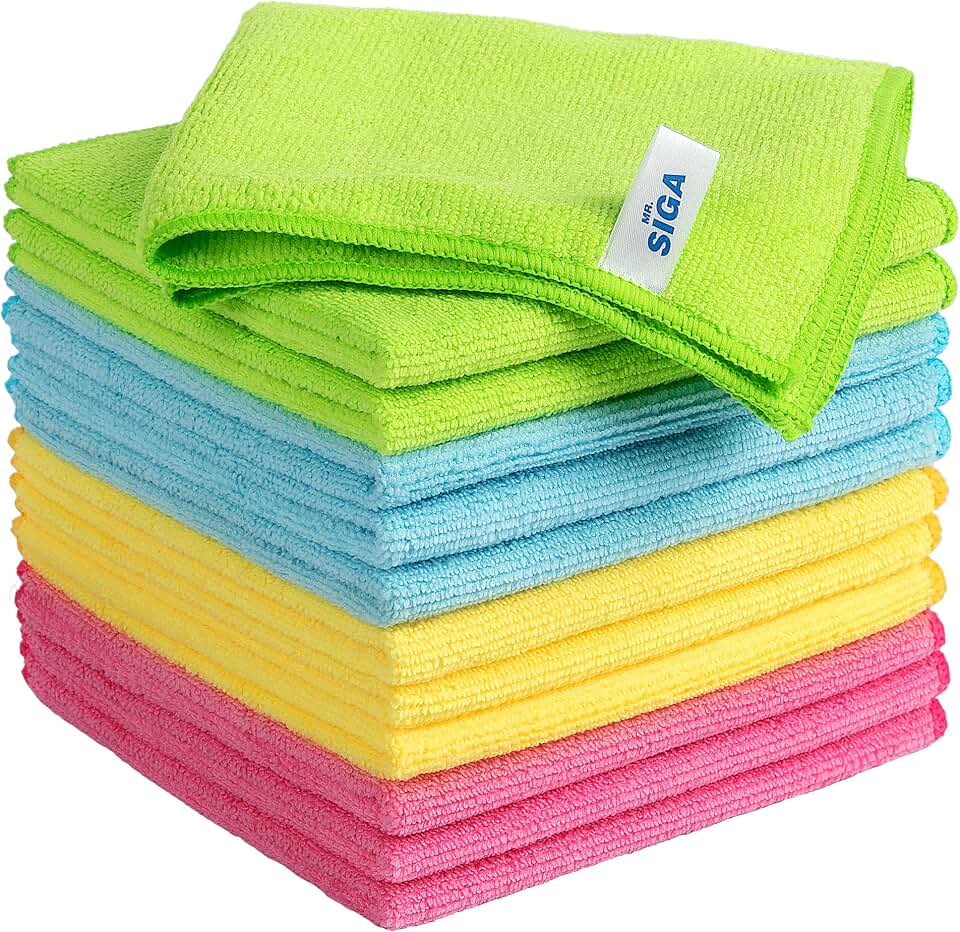
Finally, prepare for transport. Bring a sturdy tote or dolly for heavy items like cast iron. A basic cleaning kit—microfiber cloths, gentle cleaner, and disinfectant wipes—keeps inventory fresh. Cleaning items immediately after purchase makes them look new and ready for listing.

Use a barcode scanner app to check sold listings. This confirms if an item has demand before you buy it.
Check corners, seams, and interiors with a flashlight. Look for structural weakness or hidden stains.

Wipe down surfaces and remove lint. A clean item photographs better and sells faster.


As an Amazon Associate, we may earn from qualifying purchases.
Spot valuable thrift store finds
The difference between a $2 bin item and a $50 sale lies in the details. When thrift store flipping for profit, you aren’t just looking for clean clothes; you are hunting for specific markers of value. Scan for brand names, material tags, and construction quality.
Start with labels. Vintage clothing brands from the 1970s to the 1990s often carry a premium. Look for heritage workwear like Levi’s, Carhartt, or Woolrich, and outdoor staples like L.L.Bean or Patagonia. Even with minor wear, these labels signal durability. If you see a high-end designer tag or a discontinued sportswear line, inspect it closely.
Check material composition. Natural fibers like 100% cotton, linen, wool, and silk generally hold value better than synthetics like polyester. A heavy-weight cotton tee or wool-blend coat appeals to buyers seeking quality. Tags saying "made in the USA" or "made in Italy" often indicate higher construction standards.
Assess condition. Look for holes, stains, or missing buttons that require costly repairs. However, minor flaws can be overlooked if the brand is rare. Trust your gut: if you wouldn’t buy it for yourself, it will be hard to sell.
Verify value before you buy
Before paying, confirm the item sells for more than you paid. This is the most critical step in thrift store flipping for profit. A low price tag doesn’t guarantee profit; it might just mean low demand or hidden damage.
Think of this as a quick market audit. You aren’t looking for what sellers list items for—that’s wishful thinking. You are looking for what buyers actually paid. This data accounts for shipping, fees, and preferences. Skipping this step is gambling; doing it is investing.
Open eBay and type the exact brand and item name. Click "Filters" and check "Sold Items." This removes unsold clutter, showing only successful sales.
Look at prices in gray next to sold items. Focus on the last 30–90 days. Seek a consistent price range, not just one lucky high sale. If a vintage Pendleton shirt sold for $40 last month but $15 three months ago, demand may be cooling.
Subtract fees from the sold price. eBay takes ~13%, payment processing ~3%, plus shipping materials. If a jacket sold for $50, your net is ~$38. If the store price is $10, you keep $28. Set a minimum profit threshold (e.g., $15) and walk away if numbers don’t meet it.
Compare the item in hand to sold listings. If sold items are pristine, a stained version may not fetch the same price. Minor flaws can drop value by 20–50%. Only buy heavily worn items if the price is dirt cheap.
This routine turns impulse buying into strategic purchasing. You stop guessing and start knowing. This discipline separates casual thrifting from a profitable business.
Get items ready for the listing
Before photographing, ensure your finds look their best. A stained vintage band tee won’t sell for top dollar just because the brand is rare. Cleaning and minor repairs distinguish a quick sale from an item sitting in your closet for months.
Wash and spot-clean textiles
Clothing, linens, and fabric accessories should always be washed before listing. Check care labels for temperature limits, but a gentle cycle with mild detergent usually works. Pre-treat stains with remover or a baking soda paste before washing. For dry-clean-only items, spot-clean with a damp cloth and mild soap, but be transparent in your listing about this. A clean item feels more valuable and hygienic.
Lay the item on a flat surface. Check every seam, zipper, and button for loose threads, holes, or missing buttons. Trim loose threads carefully. For missing buttons, sew on a replacement or note the defect in your description.
Fix small tears or reattach loose buttons if you’re handy. For sticking zippers, use graphite from a pencil or zipper lubricant. If repairs are beyond your skill, sell "as-is" with clear photos of the damage to avoid returns.
Wrinkles make items look worn. Use a steamer for delicate fabrics like silk or wool, and an iron for cottons and linens. Ensure items are dry and cool before packing. A crisp garment looks more professional and justifies a higher price.
Photograph against a clean background
Good lighting and a clean background are non-negotiable. Natural light near a large window is best, but avoid direct sunlight which creates harsh shadows. Use a plain white or neutral backdrop like a sheet or foam board to keep focus on the item.
Take photos from multiple angles: front, back, sides, and close-ups of tags, logos, or unique details. Photograph flaws clearly and honestly. For clothing, show how it fits on a mannequin or friend rather than just laying it flat. For furniture, take photos in a well-lit room to show scale.
Write a detailed description
Your description should answer every buyer question before they ask. Include brand, size, material, and condition. For vintage pieces, mention the era or distinctive features like "90s grunge style." Be specific about flaws, such as "small stain on the inside hem."
Use relevant keywords in your title and description. If selling Levi’s 501 jeans, include "vintage," "high waist," and "straight leg." This helps your item reach buyers specifically searching for that style.
List and ship with care
Your profit margin depends on details. A great find is just inventory until you present it clearly and ship it safely.
Optimize your listing
Treat your listing like a digital storefront. Buyers rely on your photos and description. Take photos in natural light against a neutral background. Show every angle, including tags and flaws. Transparency builds trust and reduces returns.
Write descriptions that answer questions proactively. For vintage Levi’s, mention waist size, inseam, and era. For electronics, list the model number and confirm it powers on. Use keywords like "vintage" or specific brand names to improve search visibility.
Package and ship securely
Shipping ensures the item arrives in the condition you photographed. Use sturdy boxes or padded mailers that fit snugly. Avoid empty space where products can shift. Use poly mailers for clothes and bubble wrap for fragile items like glassware. Double-box ceramics if necessary.
Print shipping labels directly from the marketplace platform for discounted rates. Include a handwritten thank-you note or small sticker. This personal touch encourages positive reviews.
Pre-shipment checklist
Before taping up the box, verify:
-
Item is clean, lint-free, and odor-free
-
Measurements match the listing
-
Photos match the actual item
-
Packaging is sturdy
-
Tracking number is uploaded
Common mistakes to avoid
Even seasoned flippers lose money by getting sloppy. The difference between profit and loss usually comes down to buying damaged goods or mispricing items.
The most common trap is ignoring hidden damage. A vintage Levi’s jacket might look perfect from the front, but armpits and collars often have yellowing or sweat stains that are hard to remove. Electronics often have cracked screens or non-functional ports not visible at a glance.
Pricing errors are equally costly. Many new flippers list items at full retail price, forgetting buyers expect discounts for secondhand goods. Always check "sold" listings on eBay or Poshmark to see what people actually paid. If you overpay for inventory, you’ll spend months breaking even instead of building a business.
No comments yet. Be the first to share your thoughts!