Thrift store gold: brands to watch
Thrifting is a treasure hunt where the prize is resale value. While the market for secondhand designer gear is growing, finding a payout depends entirely on condition. A pristine 1970s jacket is a paycheck; the same jacket with a blown-out zipper or moth holes is just a rag.
Why do certain brands consistently command higher prices? A combination of factors contributes, including historical significance, design innovation, quality craftsmanship, and, let's be real, a little bit of hype. Some brands have a devoted following that actively seeks out their vintage pieces, driving up demand. This guide will walk you through 25 vintage clothing brands worth keeping an eye on while you’re out thrifting, focusing on what to look for and why these brands are holding their value.
We’re looking ahead to 2026 because of the increasing interest in sustainable fashion and the growing appeal of unique, one-of-a-kind pieces. The younger generations are driving a lot of this demand, actively seeking out vintage finds as an alternative to fast fashion. So, sharpen your skills, hit those thrift stores, and get ready to uncover some hidden gems!
The big three in vintage denim
Vintage denim is a powerhouse in the resale market, and certain brands consistently outperform others. Levi’s is the undisputed king – specifically, 501s. Early pairs, particularly those from the 1960s and 70s with the red tab (indicating original manufacture) and selvedge denim, can go for hundreds of dollars. Orange Tab Levi’s from the 70s and 80s are also highly sought after.
Wrangler and Lee are the other heavy hitters, provided they have the 'Made in USA' tag. Focus on the 1940s through the 1980s. Darker washes and the Wrangler Rodeo line are the most consistent sellers. If you can find a pair with a documented connection to a specific film or musician, the price jumps significantly.
Spotting a fake can be tricky. Pay close attention to the tag – is the font correct? Is the stitching consistent? Authentic vintage denim will generally have heavier weight fabric and more durable construction than modern reproductions. The details matter. A quick search on eBay for completed listings can give you a sense of current market prices and help you identify red flags.
Luxury labels worth the hunt
When it comes to luxury vintage, the logos are a starting point, not the finish line. Chanel, Hermès, Gucci, and Yves Saint Laurent are always in demand, but it's the quality and details that truly determine value. Look beyond the interlocking Cs or the double Gs. Examine the construction – is the stitching precise and even? What about the materials? Is it genuine leather, silk, or high-quality wool?
Hardware is another key indicator. Authentic designer pieces will have substantial, well-made hardware with clear markings. For example, Chanel buttons and zippers are often marked with the Chanel logo. Hermès scarves, in particular, hold their value exceptionally well, with certain limited-edition designs fetching thousands of dollars. Vintage Gucci bags with the bamboo handle are also consistently popular.
Authentication is crucial with luxury vintage. Services like Real Authentication and Entrupy offer professional authentication for a fee. Online forums dedicated to specific brands can also be helpful, but always exercise caution and verify information from multiple sources. Don't forget to check for serial numbers and authenticity cards, but remember that these can also be faked. Consider the overall feel of the garment—does it feel luxurious and well-made?
American Sportswear Standouts
The resurgence of athletic leisure (athleisure) has fueled demand for vintage sportswear. Adidas, especially tracksuits from the 70s and 80s with the iconic three stripes, are highly collectible. Puma also holds strong value, particularly their suede sneakers and vintage track jackets. The key is to look for pieces in good condition with vibrant colors and recognizable logos.
Nike’s early running shoes and windbreakers from the 80s and 90s are also gaining traction. Look for pieces with the original Nike swoosh and classic color combinations. Champion, known for its Reverse Weave sweatshirts, is experiencing a major revival, driven by streetwear trends. Collegiate branded sportswear – vintage sweatshirts and jackets from universities – are also incredibly popular.
The appeal of vintage sportswear lies in its retro aesthetic and association with a specific era. It’s about more than just comfort; it’s about making a statement. The quality of construction in vintage sportswear is often superior to that of modern fast-fashion alternatives, adding to its desirability.
Forgotten Gems: Under-the-Radar Finds
Sometimes, the most profitable finds are the brands that aren’t on everyone’s radar. Bill Blass was a prominent American designer known for his elegant and sophisticated clothing, particularly dresses and suits from the 60s and 70s. Anne Klein is another designer whose vintage pieces are starting to gain recognition, especially her tailored separates and knitwear.
Halston, particularly his jumpsuits from the 70s, are highly coveted. These pieces are known for their fluid silhouettes and luxurious fabrics. Pucci, with its vibrant, psychedelic prints, is a brand that stands out. Vintage Pucci dresses and scarves are instantly recognizable and can command high prices. These brands represent a level of quality and craftsmanship that's hard to find today.
These brands are valuable for a few key reasons: historical significance (they were influential designers of their time), unique designs (their aesthetics are distinct and recognizable), and quality craftsmanship (they used high-quality materials and construction techniques). Learning to identify these under-the-radar brands can give you a significant edge in the thrifting game.
- Bill Blass dresses and suits from the 1960s and 70s
- Anne Klein: Tailored separates and knitwear
- Halston: Jumpsuits (1970s)
- Pucci: Psychedelic printed dresses and scarves
Forgotten Gems: Recognition vs. Resale Potential (2026)
| Brand | Era to Watch | Recognition Factor | Resale Value Potential |
|---|---|---|---|
| Bill Blass (early years) | 1970s-1980s | Medium | Medium-High 💰 |
| Anne Klein (pre-1985) | 1960s-1980s | High | Medium-High 🌟 |
| Norman Norell | 1950s-1960s | Low | High💎 |
| Geoffrey Beene (early designs) | 1960s-1970s | Medium | Medium |
| Oscar de la Renta (early runway pieces) | 1960s-1970s | Medium | High ✨ |
| Halston (early 70s) | 1970s | High | Medium-High 🚀 |
| Bonnie Cashin | 1940s-1960s | Low | Medium |
| Pauline Trigère | 1950s-1960s | Low | Medium-High |
Illustrative comparison based on the article research brief. Verify current pricing, limits, and product details in the official docs before relying on it.
Decades that sell best
Currently, the 1970s, 1980s, and 1990s are the most in-demand decades for vintage clothing. The 70s are experiencing a revival thanks to the influence of disco and bohemian style. Think flowing dresses, bell bottoms, and platform shoes. The 80s, with its power dressing and bold colors, is also incredibly popular. Oversized blazers, shoulder pads, and neon hues are all highly sought after.
The 90s grunge aesthetic – flannel shirts, ripped jeans, and combat boots – continues to resonate with younger generations. Identifying clothing from different eras requires paying attention to cuts, fabrics, and details. For example, 80s clothing often features more structured silhouettes and synthetic fabrics, while 90s clothing tends to be more relaxed and casual.
Fashion is cyclical. Trends come and go, but they always return. Right now, people are actively searching for pieces that evoke a sense of nostalgia and individuality. Knowing which eras are trending can help you focus your thrifting efforts and identify potential resale opportunities.
Resale Platforms: Where to Sell Your Finds
Once you've curated your collection of valuable vintage finds, it's time to sell them. eBay remains a popular choice, offering a wide audience and a relatively low-fee structure. Poshmark is another good option, particularly for clothing and accessories, with a focus on social selling. Depop is favored by younger buyers and is ideal for trendy vintage pieces.
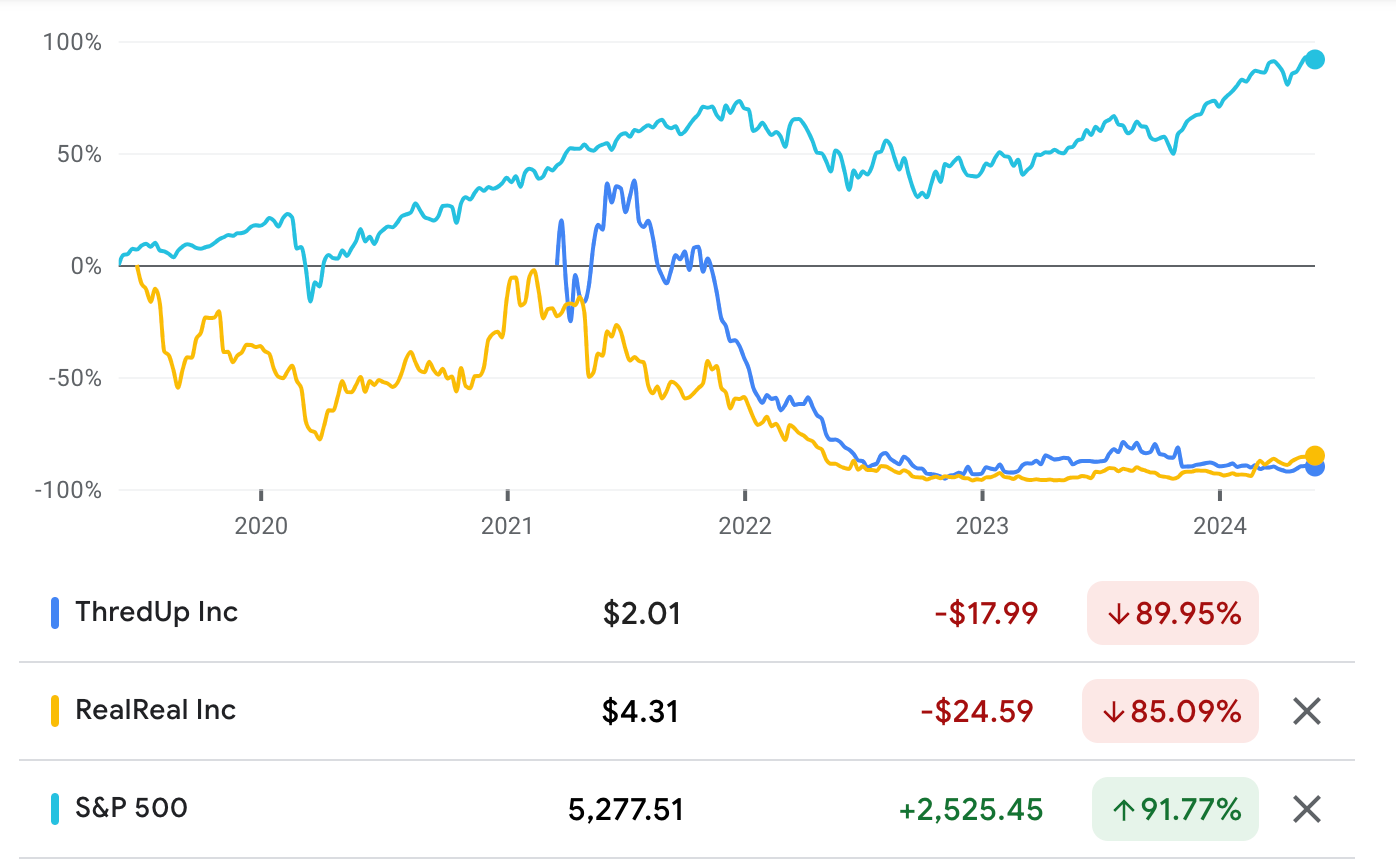
The RealReal specializes in luxury consignment and offers authentication services, making it a good choice for high-end designer items. Each platform has its pros and cons. eBay offers the broadest reach but requires more effort in terms of listing creation and customer service. Poshmark and Depop are more user-friendly but have smaller audiences.
To create effective listings, use high-quality photos that showcase the garment’s details. Write detailed descriptions that accurately reflect the condition and features of the item. Price your items competitively based on comparable listings. Be responsive to buyer inquiries and provide excellent customer service.
No comments yet. Be the first to share your thoughts!