
Why vintage clothing brands worth money hold value
The resale market for vintage clothing brands worth money relies on three pillars: scarcity, material integrity, and brand heritage. Unlike modern fast fashion, these items were often produced in limited runs using durable fabrics that have survived decades of wear. This physical longevity creates a finite supply of high-quality goods that cannot be replicated, driving demand among collectors and resellers.
Scarcity is the primary economic driver. When a brand ceases production or a specific era ends, the available inventory shrinks permanently. For example, Levi’s 501s from the 1960s and 70s are highly sought after because the manufacturing techniques and fabric weights used in that period are no longer standard. This limited availability allows these pieces to command premiums significantly higher than their original retail price adjusted for inflation.
Material quality further distinguishes valuable vintage from contemporary replicas. Items made with natural fibers like heavy-weight cotton, wool, or leather tend to age gracefully, developing a patina that enhances their aesthetic appeal. Brands like Filson, Pendleton, and Woolrich built their reputations on rugged construction, making their vintage pieces desirable not just for their history, but for their continued utility.
Brand heritage adds a layer of cultural capital. Labels like Levi’s, Hermès, and Ralph Lauren carry historical significance that resonates with buyers. This emotional connection transforms clothing from a mere commodity into a collectible artifact. As the resale market expands, these heritage brands continue to appreciate in value, offering both style and financial retention for savvy shoppers.


As an Amazon Associate, we may earn from qualifying purchases.
High-end designer vintage brands to target
Vintage clothing brands worth money are rarely about logos alone; they are about provenance, rarity, and the enduring demand for specific luxury houses. Collectors and resellers consistently target pieces from heritage brands that defined specific eras of fashion history. The most valuable items often come from the mid-20th century, when craftsmanship was prioritized over mass production.
Hermès stands at the top of the resale hierarchy. While their leather goods are famous, vintage Hermès ready-to-wear pieces, particularly silk scarves and tailored jackets, command premium prices due to the brand's extreme rarity and luxury heritage. Similarly, Hermès Birkin and Kelly bags from past decades are considered investment-grade assets, often appreciating in value over time.
French couture houses like Christian Dior, Yves Saint Laurent, and Balenciaga are also highly sought after. Vintage dresses from these designers are frequently collected by museums and private enthusiasts. A signed Yves Saint Laurent Le Smoking tuxedo or a 1960s Dior Bar jacket represents the pinnacle of vintage luxury, offering both historical significance and high resale potential.
Italian luxury brands like Gucci and Prada have strong followings in the vintage market. Gucci’s iconic double-G logos from the 1970s and 80s, along with their leather handbags, are consistently valuable. Prada’s nylon bags from the 1990s revolutionized luxury fashion and remain highly collectible today. These brands offer a more accessible entry point into high-end vintage compared to French couture.
AmazonProductGrid


Workwear and heritage brands with strong resale
Vintage clothing brands worth money often include durable workwear labels that have transitioned from utilitarian gear to collectible staples. These items offer a lower entry point for new resellers because they are ubiquitous in thrift stores and estate sales, yet their construction quality ensures lasting value. Focusing on heritage workwear allows you to build a portfolio of high-demand items without the steep capital requirements of luxury fashion.
Carhartt and Dickies: The Entry-Level Powerhouses
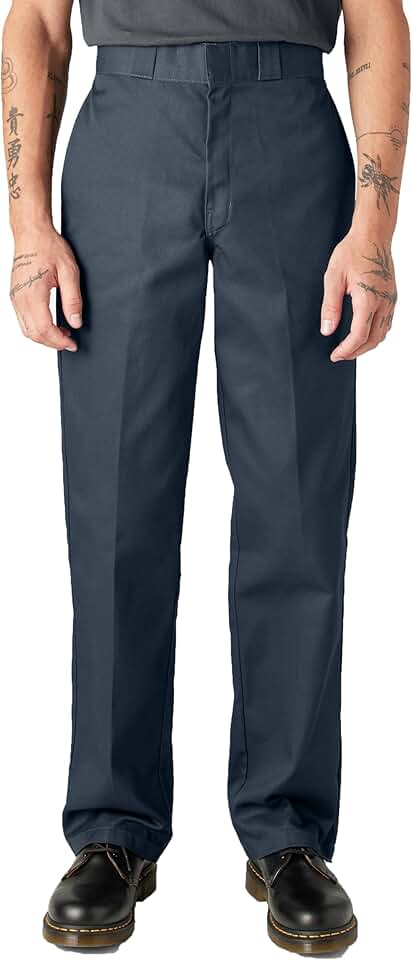
Carhartt chore coats and Dickies work pants from the 1970s through 1990s are the bedrock of the vintage workwear market. Carhartt’s heavy duck canvas and Dickies’ durable twill have aged beautifully, creating a distinct patina that modern reproductions struggle to replicate. These pieces are highly sought after by both workers and fashion enthusiasts, making them consistent sellers in the resale market.

As an Amazon Associate, we may earn from qualifying purchases.
Filson and Woolrich: Heritage Warmth
For colder climates, Filson and Woolrich represent the premium tier of accessible workwear. Filson’s Mackinaw Wool Cloth and Woolrich’s Arctic Parka are iconic pieces that retain their warmth and structural integrity for decades. These brands command higher resale prices due to their specialized materials and American manufacturing heritage, appealing to buyers looking for longevity.
| Brand | Key Material | Best Era | Resale Value |
|---|---|---|---|
| Carhartt | Duck Canvas | 1970s-1990s | High |
| Dickies | Polyester-Cotton Twill | 1980s-1990s | Moderate-High |
| Filson | Wool Cloth / Canvas | 1950s-1980s | Very High |
| Woolrich | Wool / Nylon | 1960s-1980s | Very High |
Levi’s and Wrangler: Denim Durability
While often categorized separately, vintage Levi’s and Wrangler jeans are integral to the workwear resale ecosystem. The 501 and 505 models from the 1970s and 80s are prized for their heavy selvedge denim and specific fading patterns. Authentic tags, such as the red tab on Levi’s or the cowboy on Wrangler, help authenticate these pieces and drive their value among collectors.
How to resell clothes online for maximum profit
Vintage Clothing Brands Worth Money works best when the purchase path is explicit. Verify the source, compare the offer against real alternatives, check the total cost, and confirm what happens after payment before you decide. After each comparison, write down the one risk that would change your mind. If the seller, condition, support, warranty, shipping, or upkeep still feels uncertain, resolve that question before moving to checkout.
-
Verify the sellerCheck reputation, included details, delivery terms, and return policy before treating the listing as credible.
-
Compare total costAdd shipping, accessories, maintenance, warranty, and likely replacement costs to the listed price.
-
Confirm fitMatch the option to the real use case before paying for features that will not matter.
Common mistakes when buying vintage inventory
Protecting your profit margins starts with spotting the traps that sink new sellers. When hunting for vintage clothing brands worth money, the gap between cost and resale value is often determined by what you miss during inspection. A single overlooked flaw can turn a high-value collectible into a loss.
Counterfeits are the most expensive mistake. Even well-known luxury labels from the 90s, like Versace or Moschino, are frequently replicated. If a price seems too good to be true for a leather jacket or designer dress, it likely is. Always verify stitching, hardware weight, and authenticity cards against reputable databases before purchasing.
Damage is the second silent killer of margins. Sellers often hide stains under collars, wear on elbows, or broken zippers. A small tear in silk or a missing button on a vintage denim jacket can reduce its value by half.
Finally, avoid overpaying for "vintage" labels that have no market demand. Not all old clothes are valuable. Focus on brands with proven resale history rather than generic era-specific items. If you can't easily find comparable sales on eBay or Poshmark, walk away.


As an Amazon Associate, we may earn from qualifying purchases.
Frequently asked questions about vintage resale
How do I know if vintage Levi's are real? Authentication relies on specific construction details. Look for the "Big E" red tab (pre-1971), double-stitched seams, and a copper rivet with the "LEVI'S®" stamp. Check the interior chain-stitched hem and the presence of a leather patch rather than printed ink on the back waistband. These markers distinguish authentic vintage denim from modern reproductions.
What is the best platform for selling vintage Levi's and designer items? For high-value designer pieces like Gucci or vintage Levi's, specialized marketplaces like Vestiaire Collective or The RealReal offer better buyer trust and authentication services. For standard vintage workwear or denim, eBay remains the dominant platform due to its massive audience and robust seller protection programs for secondhand goods.
Which vintage clothing brands hold the most resale value? Workwear staples like Carhartt and Dickies retain strong value among collectors. High-end designer labels such as Christian Dior, Yves Saint Laurent, and Balenciaga are consistently sought after. Additionally, iconic band t-shirts and vintage denim from the 1970s and 1980s often command premium prices due to their rarity and cultural significance.
Are vintage Levi's worth more than new ones? Not always. Value depends on the era, condition, and rarity. Vintage Levi's from the 1940s to 1970s, particularly those with unique tags or modifications, are often worth significantly more than modern equivalents. However, mass-produced vintage from the 1990s may have little premium over new retail prices unless they are specific collector models.
No comments yet. Be the first to share your thoughts!