High-value brands to watch
Thrifting for profit in 2026 requires moving past generic labels and hunting for specific manufacturing eras. While the resale market is crowded, certain heritage brands and early-2000s labels still offer high margins if you know how to spot a pre-1971 tag or a specific stitch pattern.
Why do some vintage brands hold their value – and even increase in price? It's a mix of factors: superior construction, iconic designs, rarity, and cultural impact. Brands that were well-made and represented a specific moment in time tend to resonate with collectors and fashion enthusiasts. Plus, there's a growing appreciation for the history and story behind vintage garments.
Several trends are driving this increased demand. The rise of Y2K nostalgia, the 'quiet luxury' aesthetic, and a broader focus on sustainability are all playing a role. People are looking for alternatives to fast fashion and are willing to invest in pieces that will last. This means that knowing which brands to look for while thrifting can be incredibly rewarding – both personally and financially.
The denim staples: Levi's and Wrangler
When it comes to vintage denim, Levi's and Wrangler reign supreme. These brands consistently fetch high prices on the resale market, and they’re relatively easy to find in thrift stores if you know what to look for. Levi's 501s are a classic for a reason—they're durable, versatile, and always in style. Pay attention to the year of manufacture, indicated by the tag; early models (pre-1971) are particularly valuable.
The 'orange tab' Levi's, produced from the 1960s through the 1980s, are also highly sought after. Look for jeans with a clean, faded wash and minimal wear. Early 70s high-waisted Levi's are gaining traction, too, as vintage silhouettes become more popular. Wrangler, especially their rodeo-branded jeans, are another great find. Jeans marketed towards rodeo cowboys and cowgirls often feature unique detailing and are incredibly durable.
To authenticate these, look for the 'Big E' on the red Levi's tab—a sign the pair was made before 1971. For Wranglers, the 13MWZ tag from the 70s is the gold standard. I've seen 501s from this era hit $200 on Depop, while rodeo-specific Wranglers with the original branding often fetch $300 from collectors who value the heavier denim weight.
The current trend towards 'vintage wash' – the naturally faded and worn look of older denim – is further boosting the demand for these brands. People are actively seeking jeans with authentic wear, rather than trying to achieve the look artificially. This makes finding well-preserved vintage Levi's and Wrangler jeans a particularly lucrative opportunity.
Designer Resurgence: Early 2000s Labels
The early 2000s are back, and with that revival comes a surge in demand for brands like Von Dutch, Juicy Couture, Baby Phat, and Ed Hardy. These labels, once ubiquitous, are now considered ironic fashion statements and highly collectible pieces. The Y2K aesthetic – think low-rise jeans, crop tops, and bold logos – is dominating social media and influencing current fashion trends.
Condition is especially important with these brands. While some wear is expected, items in good condition command higher prices. These pieces were often worn hard back in the day, so finding ones that haven’t been overly loved is key. Look for vibrant colors, intact logos, and minimal damage. The more original the better.
Specific pieces are driving the demand. Velour tracksuits from Juicy Couture are fetching upwards of $100-$200, while Von Dutch trucker hats can sell for $50-$150. Graphic tees from Baby Phat and Ed Hardy, especially those with unique designs, are also popular. Keep an eye out for limited-edition collaborations or pieces with celebrity associations – these can be particularly valuable.
- Juicy Couture velour tracksuits often sell for $100 to $200.
- Von Dutch trucker hats range from $50 to $150 depending on the colorway.
- Baby Phat Graphic Tees: $30 - $80+
- Ed Hardy Graphic Tees: $40 - $100+
Brands to Watch
- Levi's 501s (Pre-2000) - Especially those with red tab variations or unique washes. Demand for vintage denim remains consistently high. 👖
- Harley Davidson (1990s-Early 2000s) - Leather jackets, embroidered shirts, and even t-shirts are sought after. Look for good condition and intact embroidery. 🏍️
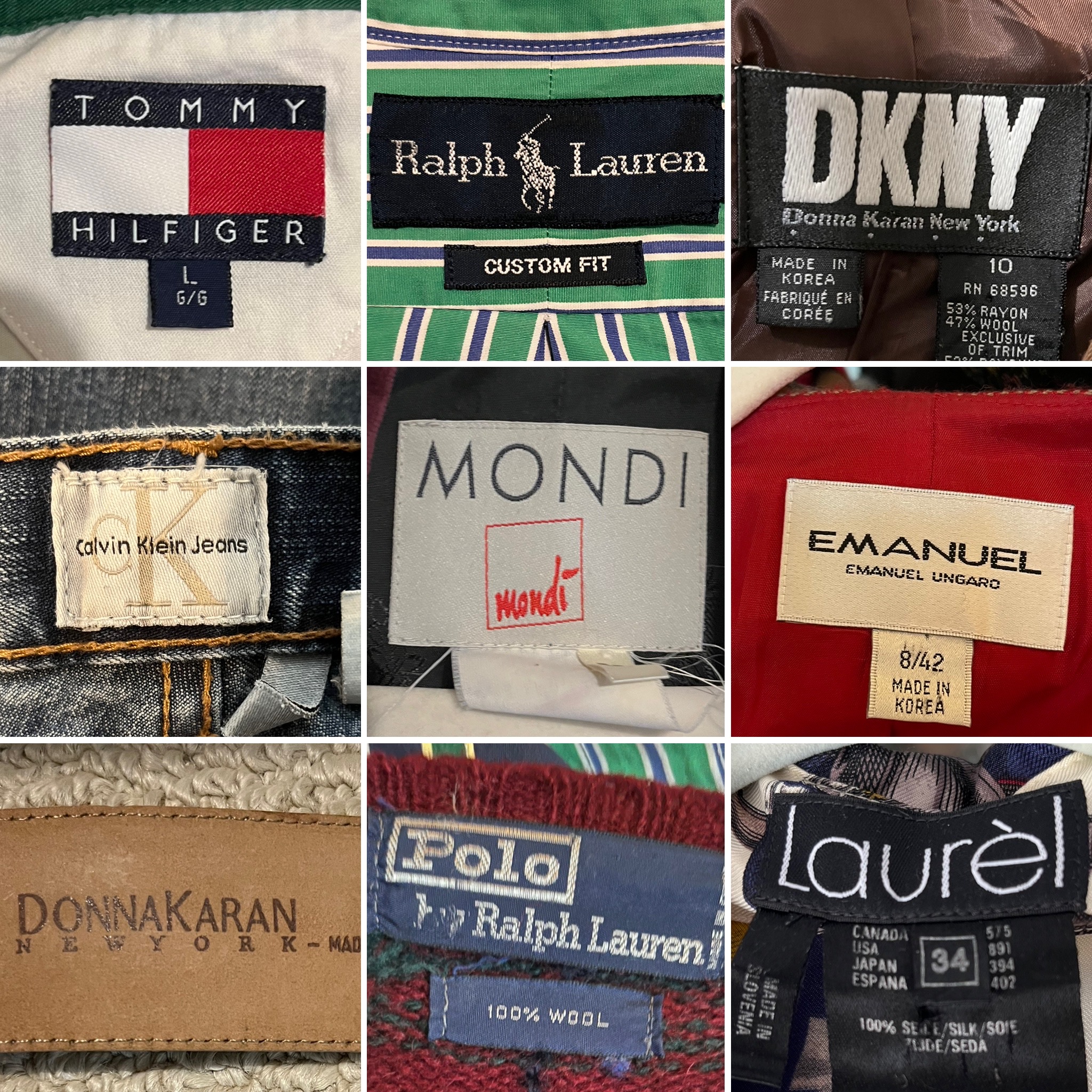
- Ralph Lauren (Polo Sport/Rugby 1990s) - Pieces from the Polo Sport and Rugby lines, particularly those with bold color blocking or the US flag motif, are trending. ⛳
- Tommy Hilfiger (1990s) - The iconic flag logo is still hugely popular. Windbreakers, oversized sweaters, and even button-down shirts command good resale value. 🇺🇸
- Eddie Bauer (1980s-1990s) - Durable outerwear, especially down jackets and quilted vests, are gaining traction. Look for pieces in good, wearable condition. 🧥
- L.L.Bean (1990s-Early 2000s) - Bean Boots (especially older models) and canvas bags hold value. Check for wear on the soles of the boots. 🥾
- Versace (1990s) - Anything with the Medusa head logo, particularly silk shirts or dresses, can be quite valuable. Authenticity is key!
- Gap (1990s) - While seemingly ubiquitous, certain Gap pieces – especially those with unique collaborations or limited-edition designs – are seeing a resurgence. 👕
Sportswear Standouts: Adidas & Nike
Vintage Adidas and Nike sportswear are consistently popular with collectors and resellers. Adidas tracksuits, particularly those with the iconic Trefoil logo, are highly sought after. Nike windbreakers from the 1980s and 90s, especially those in bright colors or with unique designs, are also in demand. Air Jordan sneakers, particularly older models, represent a significant segment of the vintage sportswear market.
The collectibility of specific colorways and collaborations is a major factor in determining value. Limited-edition releases and collaborations with artists or designers can fetch incredibly high prices. For example, certain Air Jordan colorways from the 1990s can sell for hundreds or even thousands of dollars. Identifying vintage sportswear requires attention to detail. Look for tag styles, manufacturing locations (Made in USA is often desirable), and specific design features.
Condition is critical when it comes to vintage sneakers. Even minor wear and tear can significantly impact the resale value. Pay close attention to the soles, uppers, and overall cleanliness of the shoes. A good rule of thumb is to only buy sneakers that you would be willing to wear yourself.
Polo Ralph Lauren and the shift to quiet luxury
Polo Ralph Lauren is experiencing a major resurgence, driven by the 'quiet luxury' aesthetic. This trend emphasizes timeless style, quality materials, and understated elegance. Classic cable-knit sweaters, Oxford shirts, and polo shirts from the brand are highly sought after. The appeal lies in their versatility and ability to be dressed up or down.
The Polo bear logo is a key identifier and a symbol of the brand's heritage. Different lines within Polo Ralph Lauren also impact value. Ralph Lauren Collection represents the brand's highest tier, while Polo Sport offers a more casual, athletic aesthetic. Knowing the difference can help you identify valuable pieces.
The current demand for Polo Ralph Lauren is fueled by a desire for classic, well-made clothing that transcends fleeting trends. The brand's association with preppy style and American heritage also resonates with a new generation of consumers.
Unexpected Gems: Brands to Dig For
Beyond the mainstream brands, there are several lesser-known labels that are gaining traction in the vintage market. Stussy, particularly from the early 1990s, is a prime example. Their surf-inspired designs and streetwear aesthetic are highly collectible. Carhartt WIP (Work in Progress), from the early 2000s, is another brand to watch – their durable workwear-inspired pieces are popular with a younger audience.
For those willing to do some serious digging, high-end vintage from designers like Ossie Clark or Biba can be incredibly rewarding. These brands represent a golden age of British fashion and are highly sought after by collectors. However, authenticating these pieces requires a keen eye and a deep understanding of vintage fashion.
The key to success with these unexpected gems is brand research and knowing your niche. Focus on brands that you're passionate about and learn everything you can about their history, design, and production. Being able to spot quality construction and materials is also essential.
Resale Platform Comparison: Finding the Right Home for Your Vintage Treasures (2026 Outlook)
| Platform | Fees | Target Audience | Ease of Use | Authentication Services |
|---|---|---|---|---|
| Poshmark | Generally a flat commission fee of $2.95 for sales under $15; 20% for sales over $15. | Broad - leans towards contemporary & trendy, but a strong vintage community exists. | User-friendly app, social features encourage engagement. | Limited - relies heavily on seller/buyer diligence, some brand verification. |
| Depop | 10% fee on sales, plus PayPal transaction fees. | Gen Z & Millennial focused, strong streetwear and Y2K presence. | Mobile app-centric, visually driven. | None directly offered, but community reporting is common. |
| Etsy | Listing fee of $0.20 per item, 6.5% transaction fee, plus payment processing fees. | Diverse - caters to handmade, vintage, and craft supplies. Vintage clothing has a dedicated market. | Relatively easy to use, but requires more shop setup than Poshmark/Depop. | Limited - seller responsibility, but Etsy offers buyer protection policies. |
| eBay | Variable fees based on final value & category, generally around 13.25% for clothing. | Very broad - reaches a massive audience, good for rare or high-value items. | Can be complex, multiple selling formats available. | Authenticity Guarantee available for select brands & categories (e.g., luxury handbags, sneakers). |
| Vestiaire Collective | Commission rates vary based on selling price (e.g., 20-30% for items over $300). | Luxury & designer resale, strong international presence. | App and website, streamlined process for luxury goods. | Expert authentication services for many designer brands 💎. |
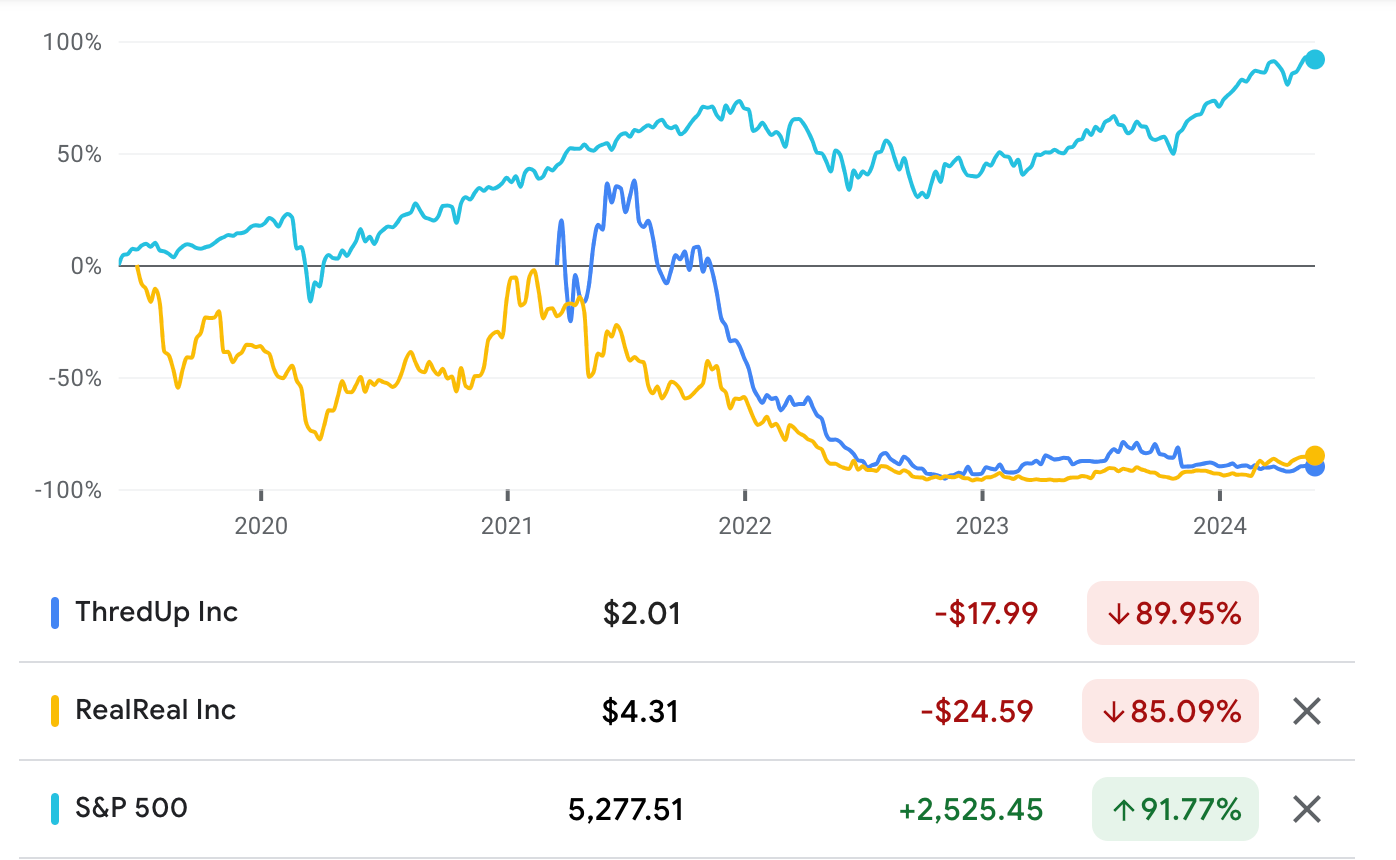
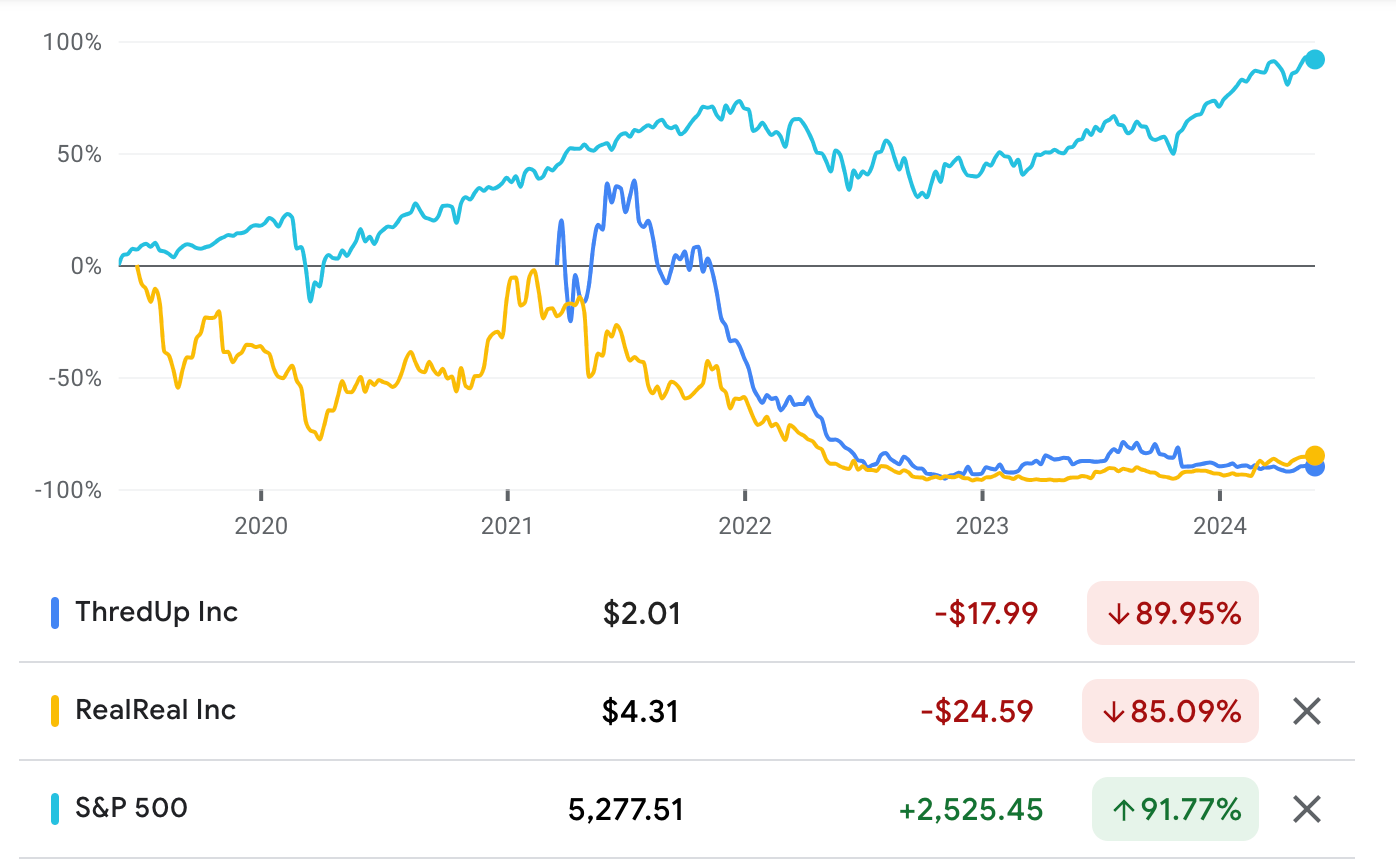
| ThredUp | ThredUp handles most of the process, but offers lower payouts. Fees are deducted from your earnings. | Budget-conscious shoppers, convenience focused. | Easy for sellers – send in a Clean Out Kit, but less control over pricing. | ThredUp authenticates and grades items. |
Illustrative comparison based on the article research brief. Verify current pricing, limits, and product details in the official docs before relying on it.
No comments yet. Be the first to share your thoughts!