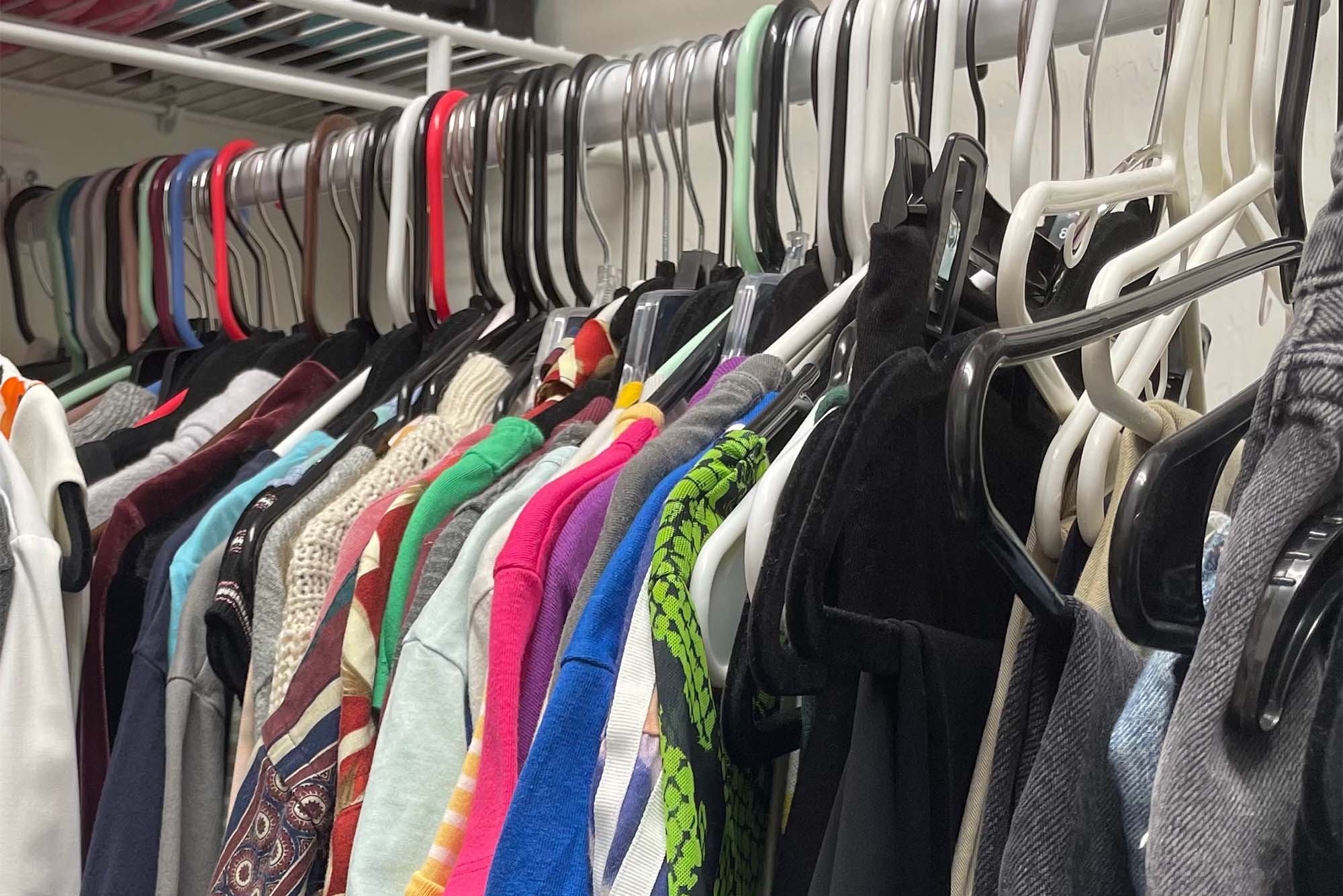
Thrift store flipping profit budget
Thrift flipping isn’t a get-rich-quick scheme; it’s a margin game. Your profit depends on the gap between what you pay at the bin and what the market pays for condition and authenticity. Most successful flippers start with a small, flexible budget—typically $50 to $100 per trip—focused on high-turnover items rather than expensive luxury pieces.
The biggest mistake beginners make is overpaying for condition. A $5 designer jacket with a missing button or stained lining is a liability, not an asset, because repair costs eat your margin before you even list it. Instead, prioritize items with minor flaws that are easy to fix, or stick to pristine vintage denim and workwear, which holds value even with slight wear.
To keep your budget healthy, track your cost per item. If you spend $3 on a shirt, you need to sell it for at least $15–$20 to cover platform fees, shipping, and your time. This 5x–10x markup rule is standard in the resale community. Start by flipping 5–10 items a week to test demand before scaling your inventory spend.
AmazonProductGrid items='["designer-handbag-inspection-kit","vintage-clothing-scale","steam-garment-finisher","authenticity-decoder-book"]' />
Shortlist real options
Thrift Flipping works best when the purchase path is explicit. Verify the source, compare the offer against real alternatives, check the total cost, and confirm what happens after payment before you decide. After each comparison, write down the one risk that would change your mind. If the seller, condition, support, warranty, shipping, or upkeep still feels uncertain, resolve that question before moving to checkout.
| Factor | What to check | Why it matters |
|---|---|---|
| Fit | Match the option to the primary use case. | A good deal still fails if it does not fit the job. |
| Condition | Verify age, wear, and service history. | Hidden condition issues erase upfront savings. |
| Cost | Compare purchase price with likely upkeep. | The cheapest option is not always the lowest-cost option. |
Inspect the expensive parts
Thrift flipping works because you buy risk cheaply, but a single mistake can wipe out your margin. Before you bag a designer piece or vintage find, check the areas where repairs cost more than the item is worth. Think of this like a car inspection: you aren't looking for every scratch, just the ones that mean the engine is shot.
Check seams and stress points
Hold the garment up and gently pull apart the side seams and underarms. On vintage items, fabric fatigue is silent until it rips. If the thread snaps with light tension, the structural integrity is gone. For structured items like blazers, check the shoulder padding and canvas interlining for warping or separation. These repairs require specialized tailoring that often costs more than the jacket itself.
Inspect zippers and hardware
A stuck zipper is a minor annoyance; a broken zipper on a vintage leather jacket is a total loss. Zip all fasteners up and down three times. They should move smoothly without catching. Check that metal hardware, like buttons and rivets, is securely attached. Loose hardware on denim or heavy coats suggests future damage. If the zipper pull is missing or the slider is bent, assume you will need to replace the entire mechanism.
Look for hidden stains and odors
Bright lights reveal what thrift store racks hide. Check the underarms, collars, and hemlines for yellowing or discoloration. These are often set-in stains that professional cleaning cannot remove. Smell the fabric deeply; musty or smoke odors are notoriously difficult to eliminate. If the item smells like mildew, skip it. The cost of specialized deodorizing treatments often exceeds the profit margin of the flip.
Verify authenticity markers
For high-value designer items, authenticity is your only protection against returns and fraud. Check the stitching density, font on care labels, and placement of logos. Compare these details against official brand references or trusted authentication guides. A single misspelled word on a care tag or uneven stitching is a red flag. If you cannot verify the item's provenance, do not buy it.
Plan for ownership costs
A $20 designer bag might look like a steal, but hidden maintenance can eat your profit margin before you even list it. Thrift flipping isn't just about the buy price; it's about the total cost of ownership. You need to budget for cleaning, repairs, and shipping materials, or you'll find that "cheap" buys are actually money pits.
The hidden costs of designer goods
Designer items often require professional care. A leather jacket might need conditioning, and silk blouses often demand dry cleaning. If you buy a vintage piece with broken zippers or missing buttons, factor in the cost of a tailor. These services aren't optional if you want to sell at top dollar. A $50 find that needs $30 in repairs is only a $20 find, not a $50 one.
Cleaning and prep budget
Don't assume everything can go in the wash. Many thrifted items need spot cleaning, steam treatment, or odor removal. Keep a small stash of stain removers, lint rollers, and garment steamers on hand. Treating items properly before listing can increase their perceived value and reduce return rates.
When a cheap buy stops being cheap
The rule of thumb is simple: if the repair or cleaning cost exceeds 20% of your target resale price, walk away. It's better to pass on a "deal" that requires significant work than to tie up your capital in a item that drains your profits. Focus on pieces that are ready to sell or need only minor, low-cost fixes.


As an Amazon Associate, we may earn from qualifying purchases.
Thrift store flipping for profit: what to check next
Thrift store flipping is a viable side hustle, but it requires treating it like a retail arbitrage business rather than a casual hobby. The most successful flippers don’t just buy what looks nice; they buy what sells. This means researching market demand on platforms like eBay and Poshmark before you ever put an item in your cart.
Is thrift store flipping worth it?
Yes, but only if you are willing to learn valuation. The margin exists because thrift stores price items based on condition and category, not brand rarity. If you can identify a $5 vintage Levi’s jacket that sells for $60, you have found value. However, if you buy without knowing resale prices, you will end up with a closet full of unsold clothes. Treat your first few months as paid education.
How much can you make thrift flipping?
Income varies wildly based on time invested and item selection. Some flippers make $200–$300 a month as a casual weekend activity, while dedicated resellers earning $2,000–$3,000 monthly treat it as a full-time job. The difference is volume and speed. Consistent earners restock shelves weekly and list items immediately, often within hours of purchase.
Is thrift store reselling profitable?
Profitability depends on your overhead. Your costs include the purchase price, shipping materials, platform fees (typically 10–15%), and shipping. A $10 item selling for $30 might only net you $12 after fees and postage. Focus on higher-ticket items like designer handbags or vintage outerwear where the percentage margin remains healthy despite higher absolute costs.
What is the most profitable item to flip?
Designer apparel and vintage denim consistently offer the best return on investment. Look for specific brands like Levi’s, Ralph Lauren, and Nike, as well as luxury labels like Gucci or Prada. These items hold value because they have established resale markets. Avoid generic fast fashion or obscure brands unless they are in exceptional, rare condition.
No comments yet. Be the first to share your thoughts!