Thrift store flipping profit budget
Building a profitable thrift store flipping budget requires balancing upfront inventory costs against the time you spend sourcing and listing. You do not need a large capital reserve to start, but you do need a system for tracking what you spend versus what you earn. Most successful flippers begin with a modest budget of $50 to $100 per shopping trip, focusing on high-velocity items that sell quickly to recycle their cash.
The most critical part of your budget is accounting for hidden costs. Beyond the purchase price, you must factor in shipping supplies, platform fees (typically 10–15% on sites like eBay or Poshmark), and payment processing fees. If you buy a vintage jacket for $5 but spend $3 on shipping and $1.50 in fees, your profit margin shrinks significantly. Aim for items where the resale price is at least three times the purchase price to ensure a healthy margin after these deductions.
Inventory turnover speed also impacts your effective budget. Money tied up in slow-selling items is money you cannot use to buy better finds. Prioritize brands and categories with proven demand, such as Levi’s, Carhartt, or Nike, to keep your cash flow moving. This approach allows you to scale your budget gradually as your knowledge of the market grows, rather than risking large sums on speculative purchases.
Compare the best vintage clothing brands for flipping
Thrift store flipping for profit relies on spotting brands that hold value long after leaving the rack. Not every vintage label sells quickly, so comparing specific items helps you focus on pieces with consistent demand. The table below highlights four reliable options based on market activity and resale ease.
| Brand | Best For | Profit Potential | Resale Risk |
|---|---|---|---|
| Levi’s 501s | Classic denim | High | Low |
| Carhartt | Workwear jackets | Medium | Low |
| Patagonia | Outdoor fleeces | High | Medium |
| Champion Reverse Weave | Vintage tees | Medium | Medium |
These brands represent the core of a sustainable flipping strategy. Levi’s 501s remain the gold standard for denim because the fit is timeless and the market is saturated with buyers. Carhartt offers durable workwear that appeals to both casual and utility-focused shoppers. Patagonia’s fleece jackets retain value due to their quality and brand loyalty, though condition matters more. Champion reverse weave tees are popular for their retro aesthetic and sturdy cotton blend.
When evaluating these items, check for specific details like tags, stitching, and fabric weight. Original tags can significantly increase value for Champion and Patagonia pieces. For Levi’s, look for red tabs and proper stitching patterns that indicate older manufacturing. Carhartt jackets should be inspected for heavy wear on cuffs and collars. Avoid items with stains, holes, or fading unless they are rare vintage pieces that can be restored.


As an Amazon Associate, we may earn from qualifying purchases.
The key to success is buying low and selling high, but it’s also about understanding what buyers want. Focus on clean, well-maintained pieces from these brands. Avoid overpaying for items that are common or in poor condition. With practice, you’ll develop an eye for what sells and what doesn’t, making thrift store flipping a reliable side hustle.
Inspect the expensive parts
Thrift store flipping for profit relies on spotting quality before you buy. A single mistake with a high-ticket vintage item can wipe out weeks of profit. Use this checklist to inspect the most expensive failure points before you pay.

Lift the arms and check under the collars. Sweat stains are often invisible under store lighting but ruin resale value. Sniff the fabric deeply; musty smells are hard to remove from vintage wool or silk.
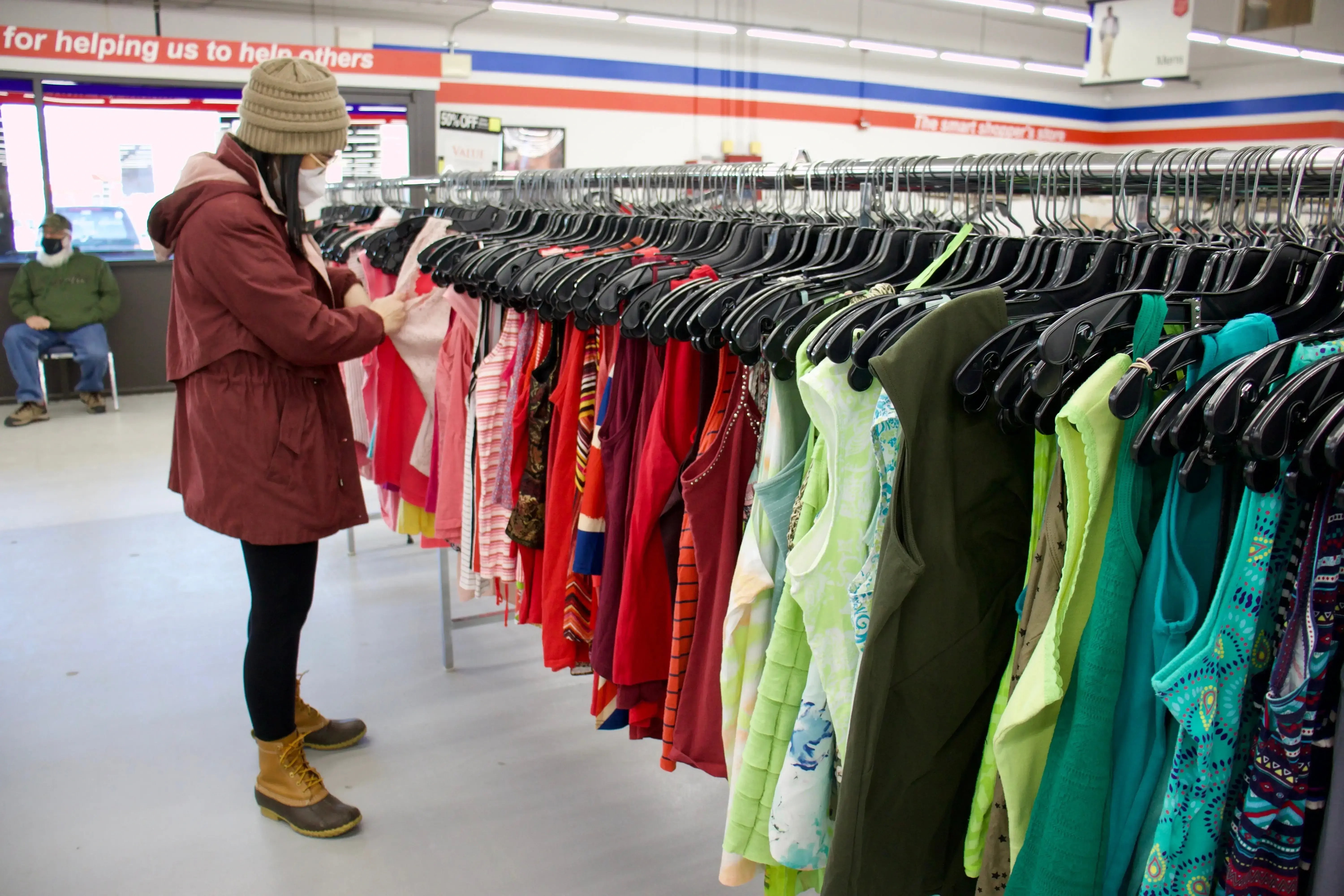
Pull gently on the armholes, crotch, and shoulder seams. Vintage garments often have weak threads that will tear during shipping. Check for "frogging" (re-stitched seams) which indicates major repairs.
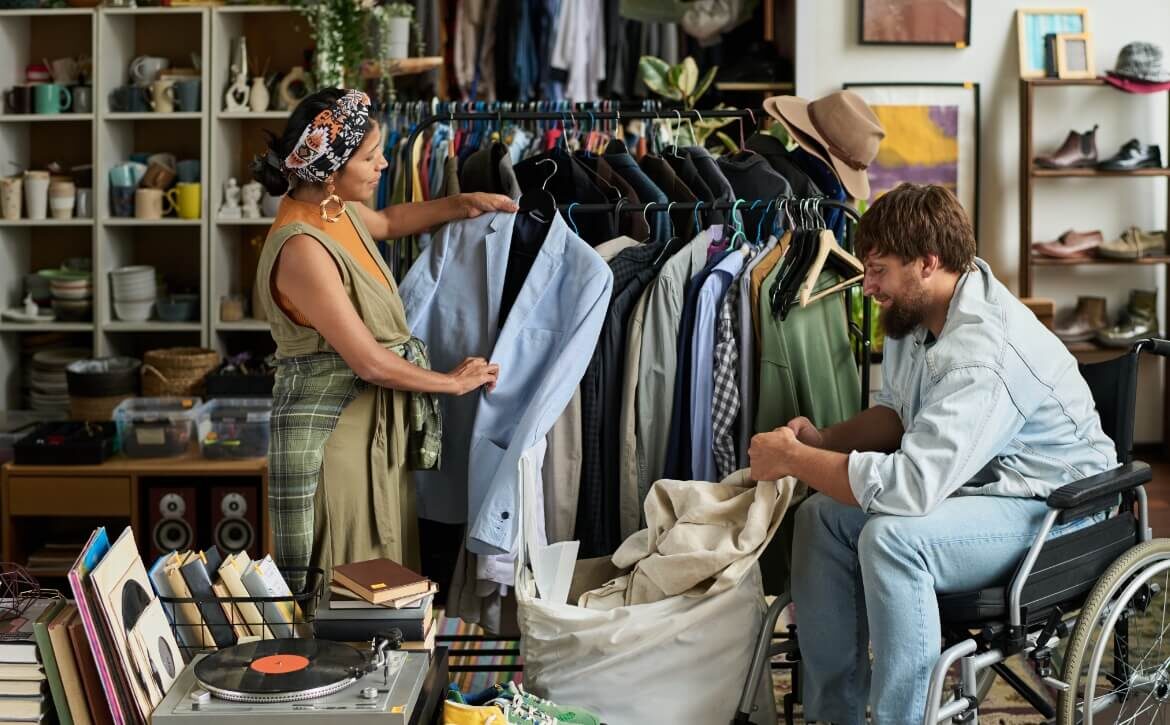
Read the care label. Natural fibers like 100% silk, wool, or cotton hold value better than synthetics. If the label is missing, burn a tiny thread from the inside seam to test the material.
Examine the underarms and hems for tiny holes. Moth damage is common in vintage wools. Check for thinning fabric at the elbows or knees, which signals the end of the garment's life.
Check for specific brand tags and serial numbers. Fake luxury items have poor stitching and wrong font styles. Learn the key identifiers for brands like Levi's, Coach, or Ralph Lauren before you buy.
Zip and unzip everything. Stuck zippers are expensive to replace. Check that buttons are securely attached and match the original style. Missing original buttons reduce collectible value.


As an Amazon Associate, we may earn from qualifying purchases.
Plan for ownership costs
Thrift Store Flipping for Profit works best when the purchase path is explicit. Verify the source, compare the offer against real alternatives, check the total cost, and confirm what happens after payment before you decide. After each comparison, write down the one risk that would change your mind. If the seller, condition, support, warranty, shipping, or upkeep still feels uncertain, resolve that question before moving to checkout.
The simplest way to use this section is to verify the seller, compare the total cost, and resolve the biggest risk before you commit.
Thrift store flipping for profit: what to check next
Before committing time to sourcing, it helps to clear up the practical hurdles. Thrift store flipping involves buying underpriced items from secondhand shops and reselling them online for a profit. While the barrier to entry is low, success requires specific knowledge rather than just buying anything cheap.
Understanding these basics helps you avoid common pitfalls. Focus on learning brand identifiers and market prices rather than guessing. This approach turns a simple hobby into a reliable side income.
No comments yet. Be the first to share your thoughts!