Thrift Store Flipping Profit Budget
Success in thrift flipping doesn’t require a massive upfront budget; it requires capital efficiency. Most successful flippers start with $50 to $100, treating that money as a revolving fund rather than a sunk cost. The goal is to keep cash tied up in inventory for less than two weeks so you can restock quickly.
The 5x Rule for Entry Budgets
A practical rule of thumb is the 5x multiplier. If you buy an item for $5, you should aim to list it for at least $25. This accounts for platform fees (10-15%), shipping costs, and your time. Items under $5 are the best entry point because they carry the lowest financial risk. Even if an item doesn’t sell, you’ve only lost the cost of a coffee.
High-Value, Low-Cost Categories
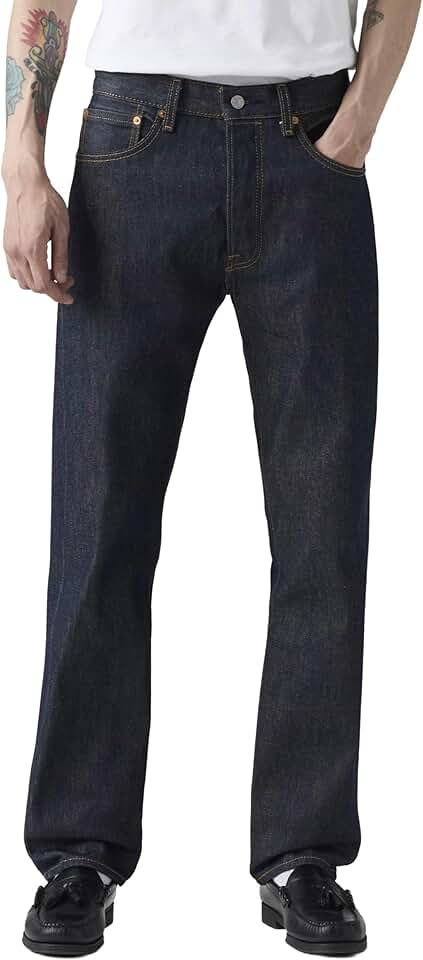
Focus your initial budget on categories with high demand and low supply in local thrift stores. Vintage band tees, Levis 501 jeans, and brass kitchenware often sell for $2-$8 in stores but move for $30-$60 online. These items don’t require expensive restoration, keeping your profit margins clean.


As an Amazon Associate, we may earn from qualifying purchases.
Reinvesting Profits
The most effective way to scale is to reinvest 100% of your first month’s profits. If you spend $100 and make $300, use the entire $300 for your next shopping trip. This compounding effect allows you to acquire higher-quality items that larger buyers might overlook, gradually increasing your average profit per item without increasing your initial risk.
Best Vintage Brands and High-Value Finds
Thrift store flipping works best when you focus on brands with established resale value. The goal is to find items where the resale price significantly exceeds the thrift store cost, covering platform fees and shipping while leaving a healthy margin. We evaluated top categories based on demand, condition sensitivity, and average profit potential.
Levi’s Vintage Denim
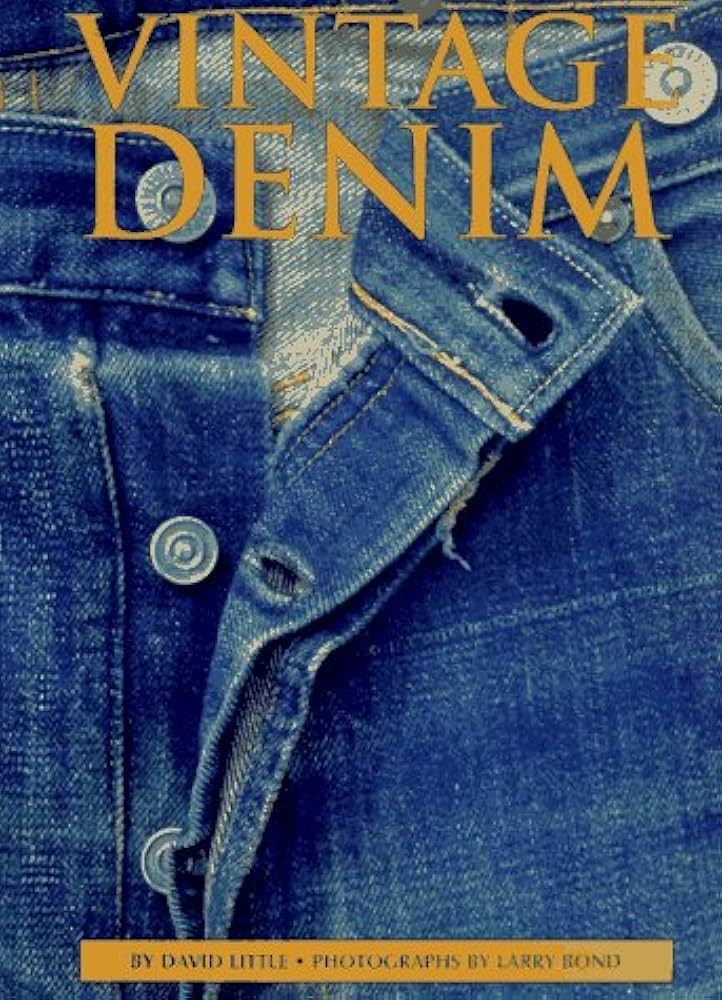
Levi’s remains the most reliable entry point for new flippers. Specific lines like Levi’s 501, 505, and the red-tab era pieces from the 1970s-1990s hold strong value. Look for clean stitching, intact buttons, and minimal fading. Even minor stains or holes can drop the value by 50% or more. Authenticity tags and red/white tab details are critical checks.
Mid-Century Modern Furniture
Furniture offers higher ticket prices but requires more logistical effort. Brands like Herman Miller, Knoll, and Dux are gold standards, but even lesser-known mid-century pieces can sell for $100-$500 if they are in good condition. Focus on solid wood construction, original finishes, and iconic silhouettes. Avoid items with significant structural damage or upholstered pieces with pet hair or stains, as cleaning costs eat into profits.
Designer Handbags
Luxury handbags from brands like Coach, Dooney & Bourke, and vintage Chanel or Hermès command premium prices. Condition is everything. Check for corner wear, strap discoloration, and hardware tarnishing. Authentication is a major hurdle; without original receipts or dust bags, selling high-end items can be risky. Stick to recognizable models with clear serial numbers to avoid counterfeit disputes.
Vintage Home Decor
Items like Pyrex bowls, mid-century glassware, and brass candlesticks are consistent sellers on eBay and Poshmark. Look for bold patterns, rare colors, and intact labels. Home decor is less sensitive to minor wear than clothing, making it a forgiving category for beginners. However, shipping bulky items can be expensive, so prioritize small, dense items like ceramics or glass.
| Category | Avg. Profit Margin | Skill Required | Shipping Difficulty |
|---|---|---|---|
| Levi’s Denim | 60-80% | Low | Low |
| Mid-Century Furniture | 100-300% | High | High |
| Designer Handbags | 50-150% | Medium | Medium |
| Vintage Home Decor | 40-100% | Low | Medium |


As an Amazon Associate, we may earn from qualifying purchases.
Inspect the expensive parts
Thrifting is a numbers game, but a single costly mistake can wipe out weeks of profit. Before you buy, treat the item like a mechanic inspecting a used car. Look for the expensive failure points: structural damage, hidden stains, and broken hardware. If the fix costs more than the potential resale margin, put it back.
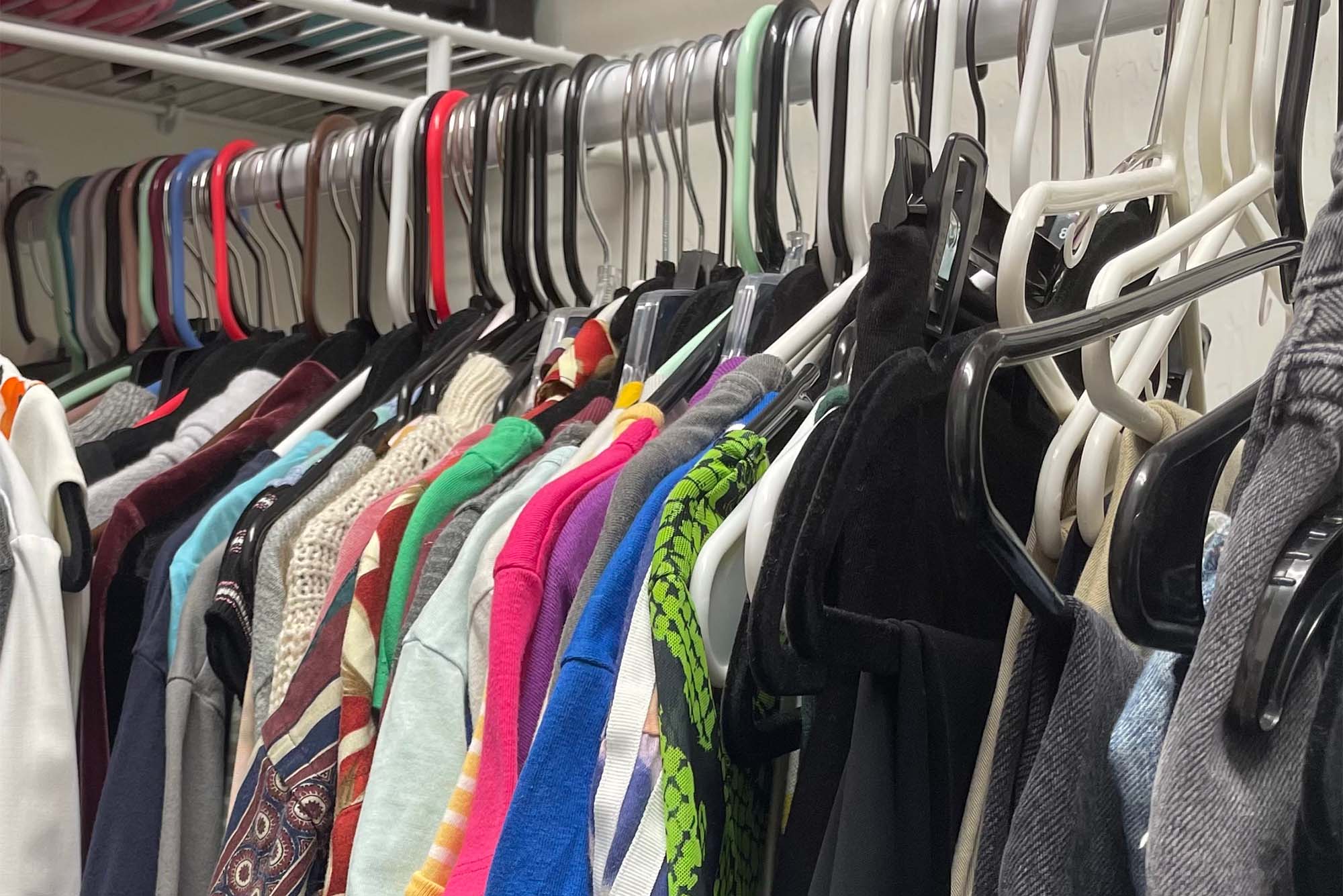
Run your fingers along the armpits, inseams, and shoulder seams. Look for thinning fabric, loose threads, or small holes. For jackets and bags, check where straps attach to the body; these areas bear the most weight and often fail first. A loose stitch is an easy fix, but a torn seam in vintage denim or leather is usually a dealbreaker.

Take the item to a well-lit area or use your phone flashlight. Look closely at the collar, cuffs, and underarms for yellowing or discoloration. For white items, check for rust stains from metal buttons or zippers, which are nearly impossible to remove. If the fabric feels stiff or smells like mildew even after washing, the odor may be permanent.
Zip up and unzip every zipper multiple times. It should move smoothly without catching. Check that buttons are securely attached and not cracked. For vintage pieces, look for original brand tags and unique hardware details that add value. Broken zippers on high-end coats can cost $50+ to replace, killing your profit margin.

Check the care label for material content. Natural fibers like wool, silk, and cotton often hold value better than synthetics. Be wary of "dry clean only" items unless you have a reliable, affordable cleaner nearby. Also, check for any "made in" labels that indicate country of origin, as some countries are preferred for vintage quality.
By focusing on these critical areas, you avoid buying items that look good in the store but fall apart at home. This disciplined approach ensures you only invest in pieces that are ready to sell or worth the repair effort.
Plan for Ownership Costs
A $5 vintage jacket becomes expensive when you add shipping, cleaning, and the time spent listing it. The initial purchase price is just the entry fee; the real profit margin depends on how much overhead you absorb before the sale clears. Many flippers ignore these hidden costs until they are working for minimum wage.
Start by calculating your total cost basis for every item. This includes the thrift store price, outbound shipping to the buyer, and any inbound shipping if you are sourcing from a distance. You must also factor in cleaning supplies. A quick spray of fabric refresher might cost $10 but save a $50 sale by removing odors. If an item needs professional dry cleaning, that cost can wipe out your profit entirely.
Time is your most expensive resource. If you spend an hour photographing, writing a description, and answering questions for a $15 profit, you are losing money. Set a strict time limit per listing. If an item requires more than 30 minutes of prep or listing, pass on it. Cheap buys stop being cheap when the labor exceeds the margin.


As an Amazon Associate, we may earn from qualifying purchases.
When buying, ask yourself: "Will this item sell fast enough to cover these costs?" If the answer is no, the low price tag is a trap. Focus on items that need minimal prep and have high demand to keep your effective hourly rate up.
Thrift store flipping for profit: what to check next
Before committing time to sourcing, it helps to separate the hobbyist approach from the actual business. Flipping is less about luck and more about knowing what sells and at what margin. Here are the most common practical questions new flippers ask.
No comments yet. Be the first to share your thoughts!