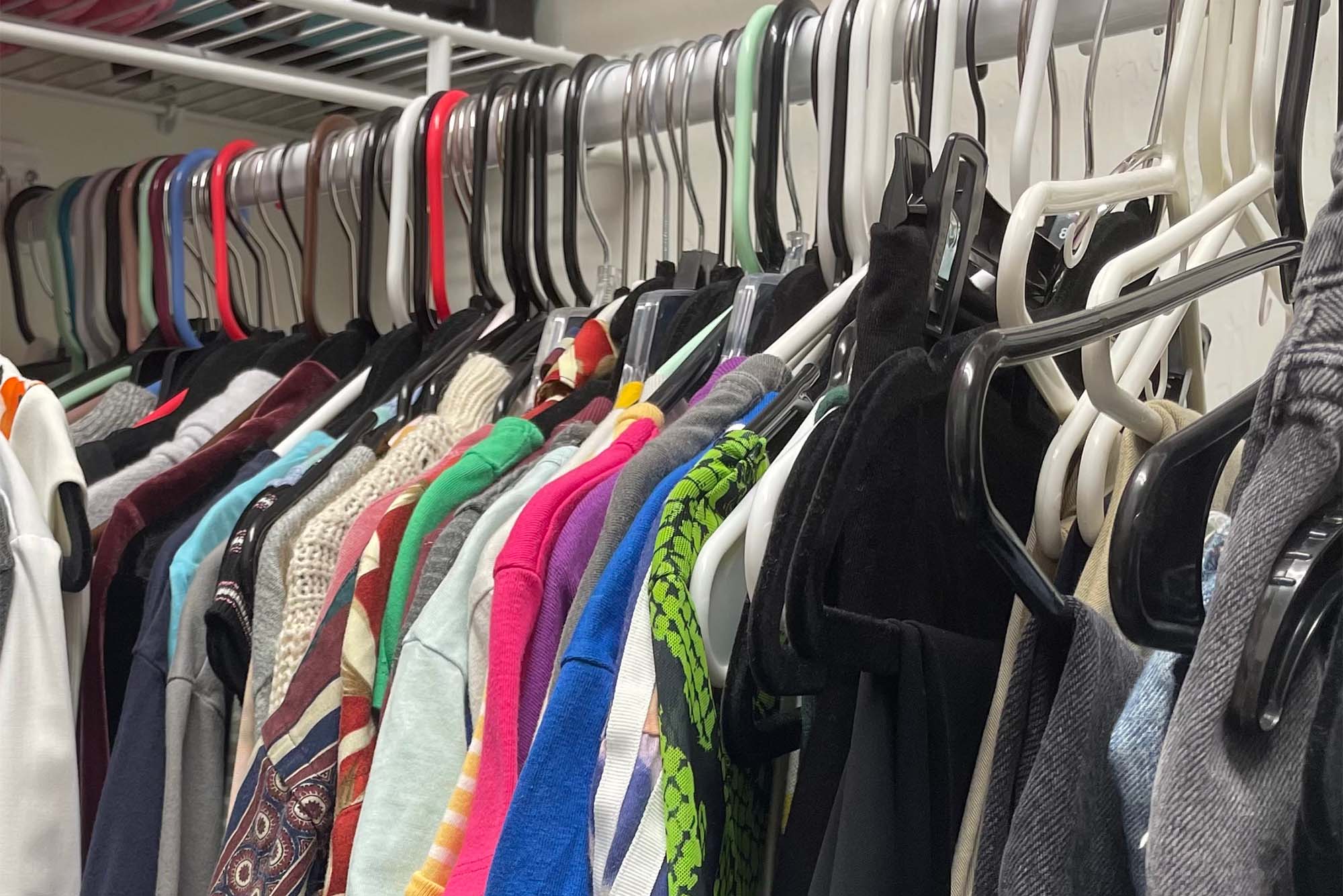
Thrift store flipping profit budget
Starting a flipping operation doesn’t require a warehouse or a massive loan, but it does require discipline. Most successful flippers operate with a tight per-item budget, typically capping thrift store purchases between $1 and $5. This constraint forces you to move quickly and look past cosmetic flaws that can be repaired later. The goal is to find items where the resale value on platforms like eBay or Poshmark is at least three to five times the purchase price. This markup covers your time, shipping materials, and platform fees.
Your budget should also account for the "find rate." You might visit three stores a week, buying only one or two items that meet your criteria. The rest of your trip is spent scanning shelves, learning what sells and what doesn’t. Think of your budget as a filter, not a spending limit. If an item doesn’t immediately scream value, leave it. The most profitable flips often come from overlooked categories like vintage glassware, specific brand-name workwear, or unbranded but high-quality leather goods.
To help you visualize potential inventory, here are some common categories that yield consistent returns when sourced correctly:


As an Amazon Associate, we may earn from qualifying purchases.
Condition is your biggest variable. A stained t-shirt might be unsellable, but the same shirt with a minor tear could be a quick fix with fabric glue or a patch. Factor in the cost of cleaning supplies and repair materials when setting your budget. If an item requires more than $2 in restoration, it likely won’t meet your margin goals. Stick to items that are structurally sound or have minor, fixable issues. This approach keeps your risk low and your inventory turnover high.
Compare the best vintage brands and valuable finds for resale profit
Choosing the right category to flip determines whether you spend weekends cleaning or building a sustainable side income. Not every thrift store find yields a healthy margin. Some items require expensive restoration, while others sell instantly with minimal effort. This comparison highlights four reliable categories that consistently generate profit for resellers in 2026.
The following table breaks down the trade-offs between popular flipping niches. Use it to decide where your time and capital will yield the best return.
| Category | Avg. Margin | Restoration Effort | Resale Market |
|---|---|---|---|
| Designer Handbags | High | Low | Stable |
| Vintage Denim | Medium | Low | Volatile |
| Mid-Century Furniture | High | High | Seasonal |
| Vintage Cameras | Medium | High | Niche |
Designer handbags
Luxury brands like Louis Vuitton, Chanel, and Gucci remain the gold standard for thrift flipping. These items hold their value remarkably well, often selling for more than their original retail price. The primary risk is authentication; you must verify serial numbers and stitching patterns before buying. Cleaning is usually minimal, involving just a soft cloth and specialized leather conditioner. If you can spot a genuine piece buried in a bin, the profit margin is substantial and the resale market is stable.
Vintage denim
High-quality denim from brands like Levi’s, Wrangler, and Lee sells quickly, especially vintage styles from the 1980s and 1990s. The key is condition: look for clean fabric with no holes, stains, or excessive fading. Unlike furniture, denim requires almost no restoration. Just wash it and photograph it on a mannequin or model. However, the market is competitive, and margins can be thinner unless you find rare, deadstock items. Focus on specific cuts like 501s or 550s to maximize appeal.
Mid-century modern furniture
Furniture flipping offers some of the highest profit margins, but it demands significant physical effort and space. Mid-century modern pieces, particularly those by Herman Miller or Knoll, can sell for hundreds or thousands of dollars. The catch is restoration: you may need to reupholster cushions, fix wobbly legs, or refinish wood surfaces. This category is also seasonal, with sales peaking in the spring. Only enter this niche if you have a vehicle capable of transporting large items and a workspace for repairs.
Vintage cameras
Collectors pay a premium for functional vintage cameras, especially models from Leica, Nikon, and Canon. These items appeal to hobbyists and professionals who appreciate analog photography. The challenge is technical: you must test shutters, lenses, and light meters to ensure they work. A non-functional camera is often worthless to resellers. If you have an eye for optics and a basic understanding of camera mechanics, this niche offers less competition than clothing and higher margins than small accessories.
Inspect the expensive parts
Use this section to make the Thrift Flipping Trends decision easier to compare in real life, not just on paper. Start with the reader's actual constraint, then separate must-have requirements from details that are merely nice to have. A practical choice should survive normal use, maintenance, timing, and budget. If a recommendation only works in an ideal situation, call that out plainly and give the reader a fallback path.
-
Verify the basicsConfirm the core specs, condition, and fit before comparing extras.
-
Price the downsideLook for the repair, maintenance, or replacement cost that would change the decision.
-
Compare alternativesCheck at least two comparable options before treating one listing as the benchmark.
Plan for ownership costs
A low purchase price at the thrift store doesn't guarantee a profit margin. Before you list an item, calculate the hidden costs that eat into your resale value. These overheads include shipping materials, platform fees, and the time spent cleaning or repairing goods. An item bought for $5 can easily cost $12 to sell once all expenses are factored in.
Maintenance and repair surprises
Vintage items often require immediate attention. Leather jackets may need conditioning, zippers might need replacement, and stained fabrics could require professional cleaning. Factor these costs into your initial offer. If a $20 jacket needs a $15 repair, your break-even point rises significantly. Always inspect items thoroughly for structural damage that isn't visible at a glance.
When a cheap buy stops being cheap
The goal is to find undervalued items, not broken ones. If you're spending more on restoration than the item's potential resale value, it's not a flip—it's a donation. Stick to items that need minor cosmetic touches rather than major structural fixes. This keeps your overhead low and your profit margins healthy.


As an Amazon Associate, we may earn from qualifying purchases.
Thrift store flipping for profit: what to check next
Before committing time to sourcing and listing, it helps to understand the real-world limits of thrift flipping. This isn't a get-rich-quick scheme; it's a logistics business that rewards patience and a trained eye for quality.
No comments yet. Be the first to share your thoughts!