The 2026 Thrift Store Goldmine
There’s a unique thrill in discovering a hidden gem amongst the racks at a thrift store, isn’t there? It’s a feeling that combines the joy of the hunt with the satisfaction of sustainable shopping. And 2026 is shaping up to be an exceptional year for thrifting – a perfect storm of renewed interest in vintage, shifting trends, and a growing awareness of the environmental impact of fast fashion.
Right now, we’re seeing a powerful resurgence of styles from the late 90s and early 2000s – Y2K is everywhere. Cottagecore continues to hold strong, and mid-century modern design remains incredibly popular. These trends are driving up demand, and consequently, the value of certain thrift store finds. We'll explore specific categories, what details to look for, and realistic resale values, keeping in mind that the market can be unpredictable.
This isn't about getting rich quick, but about making smart finds and potentially earning a profit while embracing a more sustainable lifestyle. I want to be upfront: values fluctuate based on condition, rarity, and current demand. The prices I'll mention are based on current market data from platforms like eBay and Poshmark, combined with expert opinions from designers and resale professionals.
Vintage Clothing: Beyond the Basics
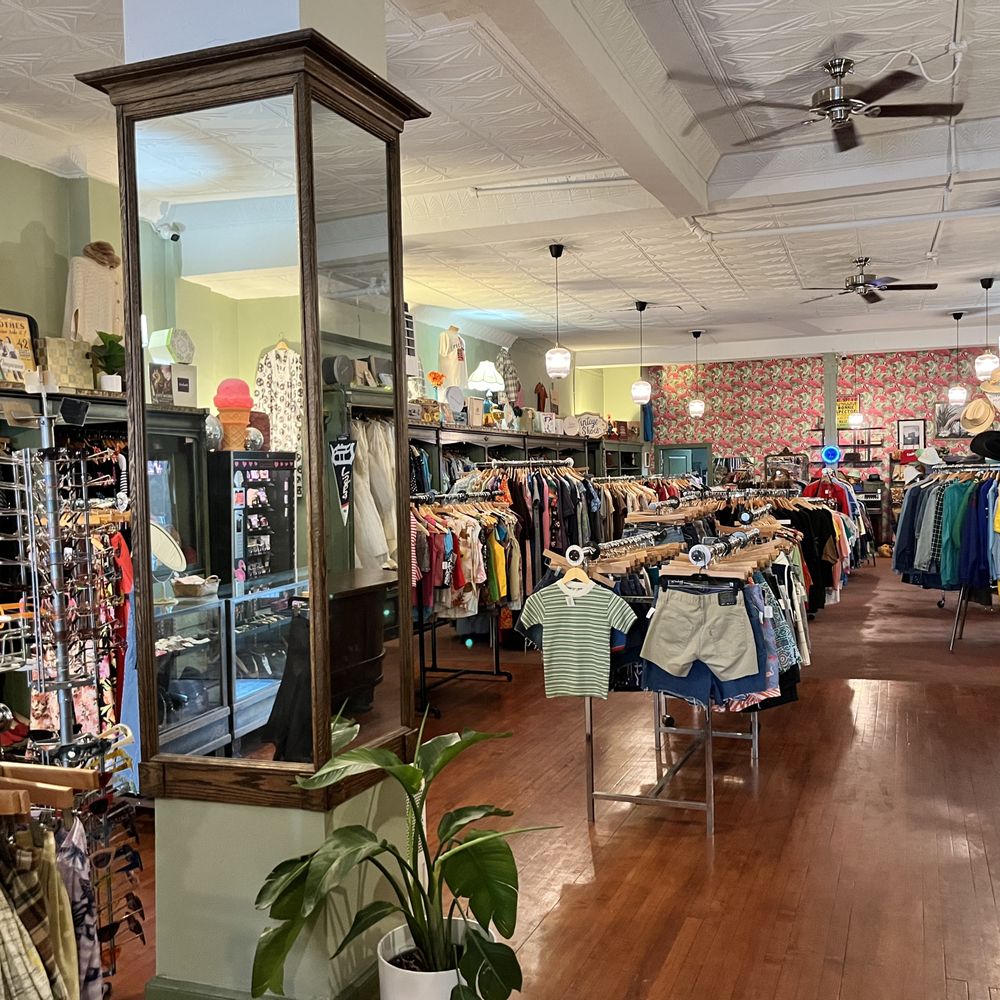
Vintage clothing is consistently a strong performer in the resale market, but knowing what to look for is key. The early 2000s are having a huge moment, so think baby tees, low-rise jeans, and anything with a bit of sparkle. Nineties grunge is also massively popular – flannel shirts, oversized sweaters, and worn-in band tees are all highly desirable.
Don’t dismiss the 1970s either; disco-era pieces like jumpsuits, platform shoes, and bold prints are gaining traction. But it’s not just about the era. Specific items within those eras command higher prices. Levi's 501s, particularly those from the 80s and 90s with specific orange tab colors and manufacturing details, can sell for upwards of $100-$200, sometimes much more. Designer denim, even if it's just a classic pair of Calvin Kleins, will always attract attention.
Rare band t-shirts – especially those from early tours or limited releases – can be incredibly valuable, sometimes reaching into the hundreds of dollars. Vintage athletic wear, like Adidas tracksuits or Nike windbreakers, is also popular. Condition is absolutely critical. Look for items with minimal wear and tear, no major stains or damage, and original tags if possible. Union labels can help date garments and add to their authenticity.
Reselling platforms like eBay, Poshmark, and Depop are your best bets for reaching a wider audience. According to House Beautiful, experts recommend focusing on quality materials and unique details. A perfectly preserved vintage slip dress might sell for $75-$150, while a well-maintained leather jacket could fetch $200 or more.
- Levi's 501s (80s/90s): $100 - $200+
- Rare Band Tees: $50 - $500+
- Designer Denim: $50 - $200+
- Vintage Athletic Wear: $30 - $100+
Mid-Century Modern Furniture Finds
Mid-century modern furniture remains a consistently valuable category in the thrifting world. The appeal lies in its clean lines, functionality, and timeless aesthetic. While iconic pieces from designers like Charles and Ray Eames, George Nelson, and Florence Knoll command high prices, even lesser-known but well-made brands can be worth a pretty penny.
What to look for? Pieces crafted from teak, walnut, and fiberglass are particularly desirable. Clean lines and minimal ornamentation are hallmarks of the style. Be wary of reproductions – the quality often isn’t the same, and they won’t hold their value. Look for solid wood construction, dovetail joints, and original hardware.
Common red flags include significant damage (water rings, cracks, veneer issues) and modifications (repainting, reupholstering). While minor repairs are often acceptable, extensive damage will significantly lower the value. Authentic pieces often have manufacturer’s marks or stamps. Veranda.com emphasizes the importance of identifying authentic pieces.
Resale values vary wildly depending on the designer, condition, and rarity. A small teak side table might sell for $50-$150, while a well-preserved Eames lounge chair and ottoman could fetch upwards of $5,000. A vintage credenza in good condition could easily sell for $300-$800, depending on its size and features.
- Teak Side Table: $50 - $150
- Eames Lounge Chair & Ottoman: $5,000+
- Vintage Credenza: $300 - $800
Retro Video Games & Consoles
Nostalgia fuels a strong market for retro video games and consoles. Popular systems like the Nintendo Entertainment System (NES), Sega Genesis, and Atari 2600 consistently attract collectors. Condition is paramount – original boxes and manuals dramatically increase the value. Completeness is also key; having all the original accessories adds to the appeal.
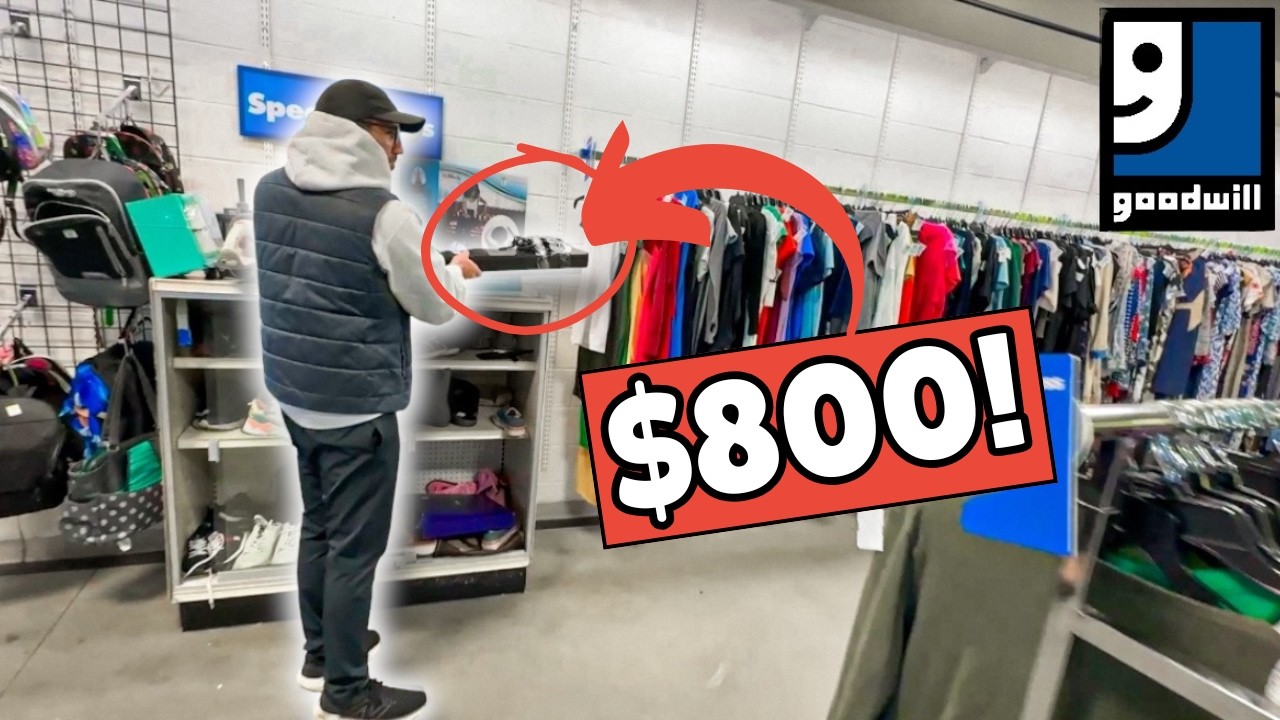
Specific games are particularly sought after. First edition Pokémon games (Red, Blue, Yellow) can sell for hundreds, even thousands, of dollars. Rare RPGs like EarthBound or Chrono Trigger also command high prices. The YouTube thrift haul video I reviewed showed someone finding a sealed copy of The Legend of Zelda for the NES – a potential goldmine!
The market is volatile, however. Prices can spike quickly based on hype and rarity. Keep an eye on auction results and recent sales on platforms like eBay to get a sense of current values. Be cautious about purchasing games with damaged cartridges or altered labels.
A complete-in-box NES can sell for $200-$500, depending on its condition. A sealed copy of a rare game like Stadium Events could fetch thousands. Don’t underestimate the value of accessories, either – a vintage Nintendo Zapper or light gun can also be worth a decent sum.
Unexpected Treasures: Ceramics & Glassware
Beyond furniture and clothing, keep an eye out for unique ceramics and glassware. Pieces from brands like Bitossi (Italy), Heath Ceramics (California), and Murano glass (Italy) are particularly valuable. These pieces are prized for their artistry, craftsmanship, and historical significance.
Identifying marks and signatures are crucial. Research the maker's mark to determine the age and authenticity of the piece. Common damage includes chips, cracks, and crazing (fine cracks in the glaze). Damage will significantly reduce the value, but even pieces with minor imperfections can be worth something to the right collector.
The value of these items is highly dependent on the specific design, rarity, and condition. I'm not sure about precise price points, as the market is quite nuanced, but a well-preserved Bitossi Rimini Blu vase could easily sell for $100-$300 or more. A unique piece of Murano glass art could fetch even higher prices.
Look for bold colors, interesting shapes, and unique glazes. Don't be afraid to spend some time researching different pottery marks and styles. You might be surprised at what you find.
Art & Prints: Spotting Potential
undefined unique textures and brushstrokes, while prints will appear more uniform.
Signatures are important, but not always a guarantee of authenticity. Research the artist and their signature to ensure it matches. Provenance – the history of ownership – can also add value. Condition is critical; damage like tears, fading, or water stains will significantly lower the price.
Artists who are currently gaining popularity are always a good bet. Keep an eye on art auctions and gallery exhibitions to see which artists are trending. Online resources like Artsy and Artnet can help you research artists and their work. Be extremely cautious about fakes and forgeries – if a deal seems too good to be true, it probably is.
This category requires more research and expertise than others. Don't be afraid to consult with an art appraiser if you're unsure about the value of a piece. A small original painting could sell for $50-$200, while a valuable print by a well-known artist could fetch hundreds or even thousands of dollars.
Standout Finds: Books & Ephemera
Don't overlook the potential value of books and ephemera (old letters, postcards, photographs). First editions, signed copies, and rare books can be incredibly valuable. Vintage maps and old photographs can also be highly sought after. Look for books with unique features, such as dust jackets, illustrations, or limited edition bindings.
What to look for: publisher, printing date, condition, and any unique features. First editions are typically identified by a statement on the copyright page indicating it's a first printing. Online databases like BookFinder.com can help you identify rare books and their values. Book collecting guides are also a valuable resource.
For example, a first edition of The Great Gatsby in good condition could be worth thousands of dollars. A signed copy of a popular author’s latest novel could also fetch a premium price. Old photographs, especially those depicting historical events or famous people, can also be valuable.
A collection of vintage postcards from a specific location or era could also be worth something to a collector. Remember, condition is key. Books with damaged covers or missing pages will be worth less.
Reselling Strategies for Maximum Profit
Once you've sourced your treasures, it's time to turn them into profit. Several online platforms are well-suited for reselling thrift store finds. eBay is a great option for reaching a wide audience, while Poshmark is popular for clothing and accessories. Etsy is ideal for vintage and handmade items, and Facebook Marketplace is good for local sales.
High-quality photos are essential. Use good lighting and clear backgrounds to showcase your items. Write detailed and accurate descriptions, highlighting any unique features or flaws. Be honest about the condition of the item. Pricing is crucial – research comparable items on each platform to get a sense of market value.
Consider offering free shipping to attract buyers. Respond promptly to inquiries and provide excellent customer service. Pack your items carefully to prevent damage during shipping. Building a positive reputation will encourage repeat business.
Don’t be afraid to experiment with different pricing strategies. Start a little high and lower the price if you don’t receive any offers. Remember, patience is key. Finding the right buyer for your treasures takes time.
No comments yet. Be the first to share your thoughts!