Vintage brands that actually sell
Reselling vintage clothing is a grind, but the margins are there if you stop chasing every 1960s polyester dress you see. I've tracked the data for early 2026, and the real money is moving toward specific labels that collectors actually fight over. This isn't about luck; it's about knowing which tags are worth the shelf space.
Many lists focus on 'dream' vintage – those incredibly rare, high-fashion items that rarely surface. That’s not helpful for most resellers. This guide will focus on brands you can realistically find at thrift stores, estate sales, and online, and then flip for a solid return. The key is knowing what to look for, and understanding what collectors and vintage enthusiasts are willing to pay.
According to recent reports, the vintage apparel market is experiencing double-digit growth, with a projected value of over $70 billion by 2026 (UnderpricedAI, January 2026). That growth is fueled by demand for sustainable fashion, unique style, and the desire for quality garments that last. Knowing which brands to target is the first step to capitalizing on this trend.
The denim staples: Levi's and Wranglers
Vintage denim is a cornerstone of the resale market, and Levi's and Wranglers consistently top the list of valuable brands. Levi's 501s, in particular, are highly sought after, but value varies significantly based on era, wash, and condition. Early 501s (pre-1970s) with a red tab are especially desirable, as are those with unique details like cinch backs or copper rivets.
Check the red tab first. If it has a capital 'E' in Levi's, you've found a pre-1971 pair that collectors want. For Wranglers, I look for the 13MWZ tags from the 70s. They were built for rodeos and have a heavy, stiff denim that modern pairs can't replicate. These aren't just old pants; they're built better than anything on the racks today.
Authentication is crucial. Counterfeit Levi's and Wranglers are common. Check for correct tag placement, consistent stitching, and quality denim fabric. The copper rivets on Levi’s should be securely attached and have a consistent finish. Price ranges vary widely: excellent condition 501s from the 1960s can fetch $150-$300+, while good condition 1980s Wranglers might sell for $50-$100. Be sure to check recently sold listings on eBay for current market values.
High-end leather: Hermès and Gucci
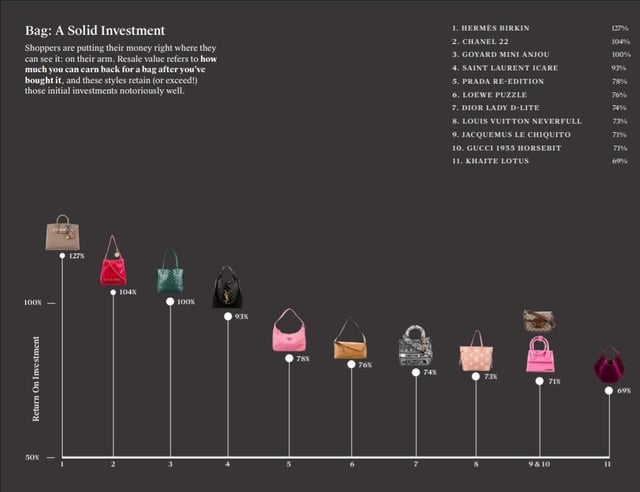
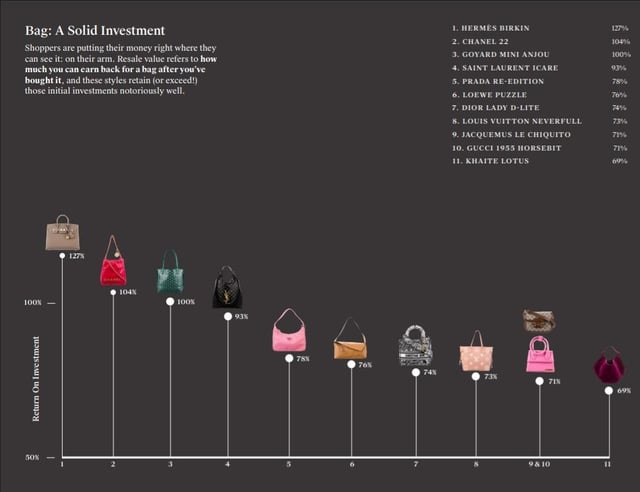
Stepping into the luxury market, Hermès and Gucci offer some of the highest potential returns. Hermès scarves, particularly silk twill designs, consistently hold their value and can resell for hundreds of dollars. Hermès leather goods—bags, belts, and wallets—are even more lucrative, but require careful authentication. Look for consistent stitching, high-quality leather, and the correct hardware.
Gucci from the 70s and 80s is where the profit sits. The leather on an old Diana bag feels denser and less 'plastic' than modern reissues. I've seen these go for $1,200 if the bamboo handles aren't cracked. Don't just look for the logo; feel the weight of the hardware. If it feels light or tinny, leave it behind.
Authentication is paramount with these brands. Counterfeits are rampant. Check for serial numbers (where applicable), consistent stitching, and the correct hardware. Pay attention to the details – the font on the logo, the quality of the lining, and the overall craftsmanship. Services like Authenticate First offer professional authentication for a fee. A fake Gucci bag might sell for $50, while an authentic one could fetch $500 or more.
Designer Details: Chanel & YSL
Chanel remains a perennial favorite among vintage collectors. Chanel jackets and handbags are always in demand, but condition is absolutely critical. Even minor flaws can significantly reduce the resale value. Look for classic tweed jackets, quilted handbags, and costume jewelry with the iconic CC logo. The presence of original tags and authenticity cards adds significant value.
Yves Saint Laurent (YSL) from the 1980s and 1990s is experiencing a resurgence in popularity. The Le Smoking tuxedo suit, in particular, is highly sought after. YSL accessories, such as belts and handbags, also command good prices. I’m less certain about the current resale market for vintage YSL shoes, so caution is advised when evaluating those items.
Authenticating Chanel and YSL requires a keen eye. Check for consistent stitching, high-quality materials, and correct hardware. Look for the correct font and placement of the logos. Original tags and dust bags are a good sign, but can also be faked. A Chanel classic flap bag in excellent condition might sell for $2000-$5000+, while a YSL Le Smoking jacket could fetch $800-$1500.
- Check the jacket for weighted silk linings and buttons that feel like heavy metal, not plastic.
- YSL Le Smoking Checklist: Examine the fit, fabric quality, and button detailing. Verify the authenticity of the YSL logo.
Authentication Difficulty & Key Features for Valuable Vintage Brands (2026)
| Brand | Authentication Difficulty | Key Authentication Features | Resources for Authentication |
|---|---|---|---|
| Levi's | Easy | Consistent tag format for era (e.g., red tab, lot numbers), copper rivets, arcuate stitching on back pockets. Look for details specific to the decade. | https://www.levis.com/us/authenticity-guide/ |
| Wrangler | Easy | Consistent tag format for era, '13MWJ' (13-pocket, made in the USA, jean) markings on older jeans, specific stitching patterns. | https://www.wrangler.com/authenticity-guide.html |
| Gucci | Medium | Serial numbers, quality of materials (leather, canvas), consistent stitching, specific hardware details (buckles, clasps). Changes in logo style over time. | https://www.realauthentication.com/gucci-authentication/ |
| Chanel | Hard | Serial number stickers (and their font/placement), interlocking CC logo details, camellia flower quality, chain strap construction. High rate of counterfeiting. | https://www.authenticate4sure.com/blog/how-to-authenticate-a-chanel-bag/ |
| Hermès | Hard | Date stamps, specific leather types and their characteristics, saddle stitch quality, hardware details. Highly sophisticated counterfeits exist. | https://www.authenticate4sure.com/blog/how-to-authenticate-hermes/ |
| YSL (Yves Saint Laurent) | Medium | Consistent logo style for the era, quality of materials, stitching, hardware details. Serial numbers can be present but are not always reliable. | https://www.realauthentication.com/ysl-authentication/ |
Illustrative comparison based on the article research brief. Verify current pricing, limits, and product details in the official docs before relying on it.
Sportswear Standouts: Adidas & Nike
Vintage sportswear is a growing niche, driven by the popularity of streetwear and retro fashion. Adidas tracksuits from the 1970s and 1980s, featuring the iconic three stripes, are highly collectible. Nike Air Jordans, especially limited edition releases and early models, are also in high demand. Vintage Nike running shoes, with unique waffle soles and bold color combinations, are gaining traction.
Size and condition are particularly important for sportswear. Buyers often seek specific sizes, and pristine condition commands a premium. Limited edition releases and collaborations (e.g., Adidas x Pharrell Williams) are especially valuable. A YouTube video from a reseller highlighted the profitability of vintage Nike Windrunners and Adidas Stan Smiths (Ultimate Reseller Starter Kit, 2024).
Authenticating vintage sportswear can be challenging. Look for correct logos, original tags, and quality materials. Research specific models to identify distinguishing features. A rare Adidas tracksuit could resell for $200-$500+, while a sought-after pair of Air Jordans might fetch $500-$1000+.
Unexpected Gems: Escada & St. John
Beyond the usual suspects, some less obvious brands are gaining traction in the vintage resale market. Escada, known for its colorful knitwear and bold prints, can fetch good prices, especially if in excellent condition. St. John, renowned for its sophisticated suits and coordinated separates, is also worth exploring.
These brands often get overlooked, meaning less competition and the potential for higher profits. The key is knowing what to look for – distinctive designs, high-quality materials, and a well-maintained condition. Escada pieces with vibrant colors and unique patterns are particularly desirable.
A well-preserved Escada knit suit might sell for $150-$300, while a St. John suit in excellent condition could fetch $200-$400. These brands appeal to a specific clientele who appreciate quality and timeless style.
How to spot a fake
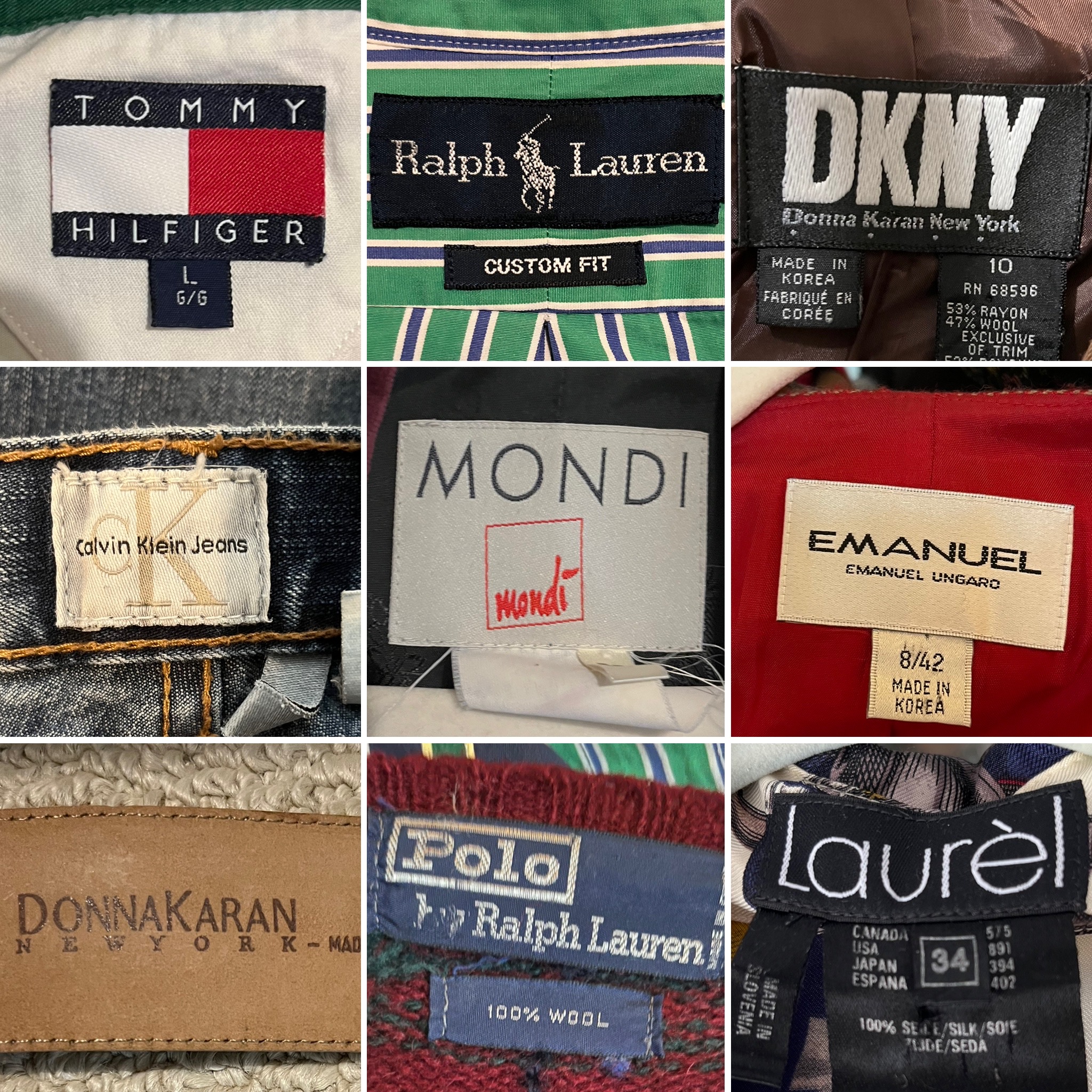
The proliferation of reproductions is a major challenge in the vintage resale market. Counterfeit items can significantly devalue authentic pieces and erode buyer trust. Common signs of fakes include poor stitching, incorrect labels, and cheap materials. Reproductions often lack the attention to detail and quality craftsmanship of the originals.
Reproductions are most prevalent with high-end brands like Chanel, Gucci, and Hermès. Pay close attention to the logos, hardware, and overall construction. Compare the item to authentic examples online and in reputable stores. Look for inconsistencies in the stitching, the quality of the materials, and the placement of the labels.
Resources for authentication include online forums, authentication services (Authenticate First, Real Authentication), and brand-specific guides. A quick checklist can help: Check the stitching quality. Verify the authenticity of the labels. Examine the hardware for correct markings. Compare the item to known authentic examples.
- Look for tight, even thread work; fakes usually have loose loops or 'nesting' on the underside of the seam.
- Labels: Verify the correct font, placement, and material of the labels.
- Hardware: Check for correct markings and quality materials. Reproductions often use cheap, lightweight hardware.
- Materials: Authentic items are made with high-quality materials. Reproductions often use cheaper alternatives.
No comments yet. Be the first to share your thoughts!