The reality of reselling in 2026
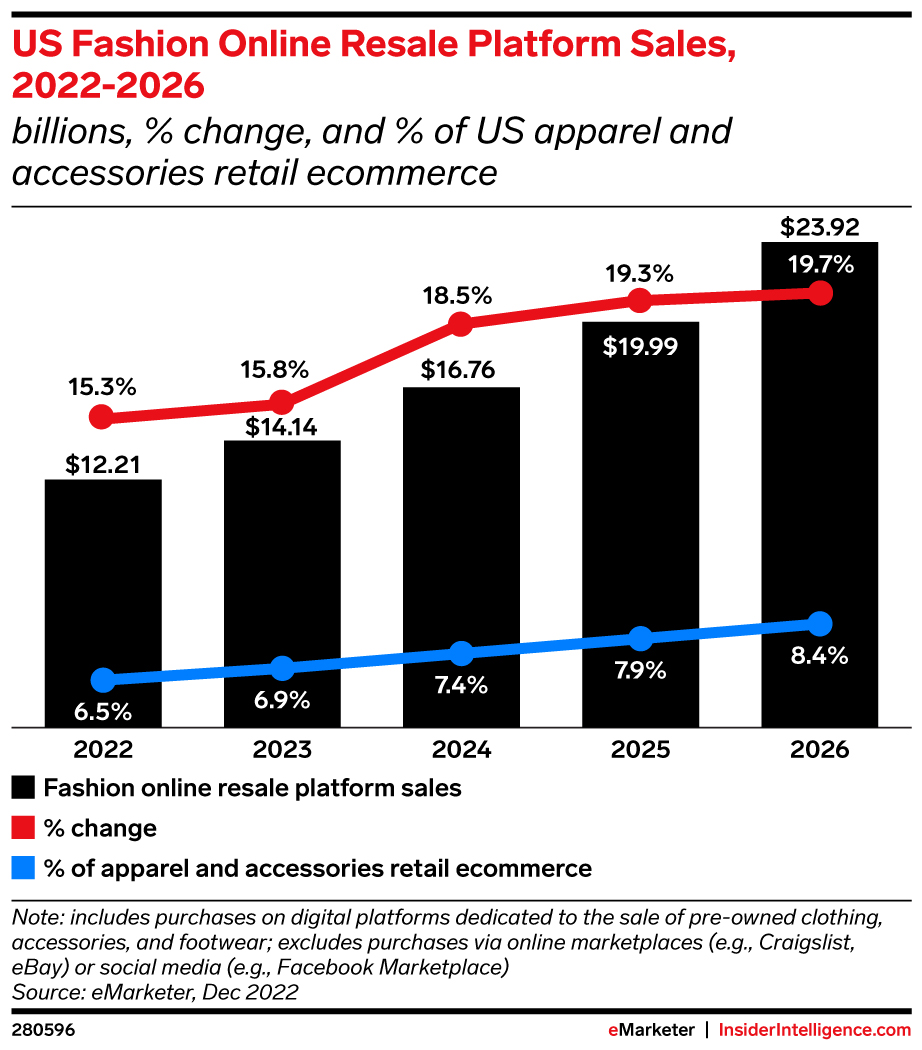
The resale market is crowded. ThredUp’s 2023 report shows secondhand apparel is growing faster than traditional retail, but that means more competition for every listing. In 2024, buyers expect professional-grade photos and fast responses. You aren't just cleaning out a closet; you're competing with full-time sellers.
A few years ago, listing an item and waiting for a bid felt easier. Now, buyers are more discerning, platforms are more crowded, and algorithms prioritize certain sellers. 2026 will likely see this intensify, with increased focus on video content, social selling, and personalized shopping experiences. The platforms themselves are evolving rapidly, too. We’re seeing more emphasis on authentication and brand partnerships.
Reselling is a grind, not passive income. I spend about 10 hours a week just on sourcing and shipping to make a few hundred dollars. If you can't commit to daily message checks and bi-weekly post office trips, the algorithms will likely bury your shop.
Despite the effort, the potential rewards are there. A well-managed resale operation can generate a significant side income, and it’s a fantastic way to give clothes a second life. But success in 2026 demands a strategic approach, an understanding of the current landscape, and a willingness to adapt.
Where to list your clothes
Choosing the right platform is the first big decision. Each has its strengths and weaknesses, catering to different audiences and item types. Let’s start with Poshmark. Poshmark is known for its social aspect – you're encouraged to 'share' listings to keep them visible, and it attracts a fashion-conscious crowd. Fees are a flat 20% on sales over $15, which is fairly standard, but can sting on lower-priced items. Shipping is simple, using a prepaid label, but can be costly for heavier items. I’ve found Poshmark best for mid-range brands and designer pieces.
Mercari is a more general marketplace, with a broader range of items allowed. It’s often a good starting point for beginners, as it’s relatively easy to use. Fees are lower than Poshmark, at 10%, but you’re responsible for shipping costs, which can be a pro or a con depending on your preference. I've had success with Mercari for selling bundles of kids' clothes and household items. It feels less 'fashion-focused' than Poshmark.
Depop is heavily geared towards Gen Z and streetwear. It’s very visually driven, with a strong emphasis on aesthetics. Fees are 10%, plus PayPal fees. Shipping is handled by the seller, which gives you more control but also more responsibility. I’ve noticed Depop buyers are very attuned to trends and vintage pieces. It's not the place for basic, everyday clothing.
Vinted is gaining popularity, especially in Europe, and it’s known for its low fees – sellers keep almost all of the sale price. However, shipping can be more complex, and the platform is still relatively new to the US market. I’m keeping a close eye on Vinted, as its low fees could disrupt the market. It has a more casual feel than some of the other platforms.
The RealReal is for luxury consignment. They take the work off your hands by authenticating and photographing items, but they also take a massive cut—sometimes up to 60% of the sale price. I use them for high-end bags I don't want to risk shipping myself, but I avoid them for anything worth less than $200.
Facebook Marketplace is often overlooked, but it’s a powerful tool, especially for local sales. There are no fees, but you’re responsible for arranging meetups or shipping. Look up similar items online to determine competitive pricing. Group similar items into bundles to sell together. I've found Facebook Marketplace works best for larger items or items you want to sell quickly.
Reselling Platforms Compared: A Seller's Guide (2026)
| Platform | Fees | Target Audience | Shipping | Best For | Ease of Use (1-5 stars) | Payout Speed |
|---|---|---|---|---|---|---|
| ThredUp | Generally no fees for sellers, but lower payout percentages. | Broad - caters to many brands and styles, focusing on convenience. | ThredUp provides a clean-out bag; seller shipping is not typically required. | Everyday wear, popular brands, items in good condition. Less ideal for luxury or vintage. | 4/5 - Very easy for sending in bulk, less control over individual listings. | Slower - can take weeks for processing and payout. |
| Poshmark | 20% on sales $15 and over; flat rate for lower priced items. | Fashion-forward individuals, brand-conscious buyers, and those seeking specific styles. | Seller pays shipping or buyer pays a calculated rate. | Trendy clothing, shoes, accessories, and some luxury items. | 3/5 - Relatively straightforward listing process, but requires active engagement. | Moderate - typically a few days after shipping confirmation. |
| Depop | 10% fee on sales. | Gen Z and Millennial shoppers interested in vintage, streetwear, and unique finds. | Seller pays shipping or buyer pays a calculated rate. | Vintage, streetwear, Y2K fashion, handmade items. | 3/5 - App-focused, visually driven, requires good photography. | Moderate - typically a few days after shipping confirmation. |
| Mercari | 10% selling fee. | Broad audience, similar to Poshmark but often with a wider range of item categories. | Seller can choose to offer free shipping or buyer pays. | Clothing, shoes, accessories, and a variety of other items. | 4/5 - Simple listing process, easy to use app. | Moderate - typically a few days after shipping confirmation. |
| eBay | Variable fees, typically around 13% of the total sale price, plus a small per-order fee. | Very broad, global audience. Caters to all price points and item conditions. | Seller pays shipping or offers free shipping. | Wide range - designer, vintage, everyday wear, depending on listing. | 2/5 - Can be complex for beginners, many options and settings. | Variable - depends on payout method, can be quick or take several days. |
| Facebook Marketplace | Generally no fees, but can vary depending on payment method. | Local and broader audience, often used for quick sales and local pickup. | Typically arranged between buyer and seller; seller usually pays. | All types of clothing, especially everyday wear and larger items. | 4/5 - Very easy to list, integrates with existing Facebook account. | Fast - often same day for local pickup, variable for shipped items. |
Illustrative comparison based on the article research brief. Verify current pricing, limits, and product details in the official docs before relying on it.
Pricing for actual profit
Pricing is where many resellers stumble. Don't just look at what you paid for the item; focus on what the market is willing to pay. Start by researching comparable items on the platform you’re using. Search for the same brand, style, and condition to get a sense of the going rate. Facebook Marketplace is excellent for this initial research.
Factor in condition, brand, and demand. A pristine, in-demand item from a well-known brand will command a higher price than a worn, obscure item. Be realistic about flaws – disclose them in your description and adjust the price accordingly. Don’t try to hide damage; honesty builds trust.
The psychology of pricing is important. Prices ending in .99 tend to feel more appealing than rounded numbers. Bundling items can increase your average sale price and move inventory faster. Consider offering small discounts for multiple purchases. However, don’t be afraid to hold firm on price if you know an item is worth it.
Don't underestimate the power of 'or best offer.' It can attract more attention and lead to a quicker sale. Be prepared to negotiate, but have a bottom line in mind. Knowing when to be flexible and when to stand your ground is a skill that comes with experience.
Photos that actually sell
Your photos are your storefront. They’re the first thing potential buyers see, so make them count. Natural light is your best friend. Avoid harsh shadows and direct sunlight. A clean, uncluttered background is essential. A white wall or a simple backdrop works well.
Take multiple photos from different angles. Show the entire garment, as well as close-ups of details like fabric, buttons, and any flaws. Consider modeling the item (or using a mannequin) to give buyers a sense of fit. Good photography can easily increase the perceived value of an item.
Detailed descriptions are crucial. Include measurements (bust, waist, length), fabric content, and any imperfections. Be specific and accurate. Use relevant keywords that buyers might search for. For example, instead of 'blue sweater,' try 'navy blue cashmere crewneck sweater.'
Honesty and transparency are paramount. Disclose any flaws, even minor ones. Accurately describe the color and condition of the item. Building trust with buyers is essential for long-term success. A detailed, honest listing saves you time answering questions and reduces the risk of returns.
- Use indirect natural light from a window
- Good lighting
- Clean background
- Multiple angles
- Close-ups of details
- Accurate color representation
Shipping without the headache
Shipping can be a logistical headache, but it’s a critical part of the reselling process. Each platform has its own shipping guidelines and options. Poshmark provides prepaid shipping labels, which simplifies the process but can be expensive for heavier items. Mercari and Depop require you to arrange shipping yourself.
Consider using a flat-rate box or envelope from the USPS or UPS. This can save you money and make shipping more predictable. Weigh your packages accurately to avoid extra charges. Invest in good-quality packaging materials – sturdy boxes, bubble wrap, and packing tape.
Always include tracking information and insurance, especially for higher-value items. This protects you from lost or damaged packages. Consider using a shipping calculator like Shippo or Pirate Ship to compare rates from different carriers.
Prompt shipping is essential for positive reviews. Aim to ship items within 1-2 business days of receiving payment. Communicate with buyers if there are any delays. A little extra effort can go a long way in building a good reputation.
Scaling Your Reselling: From Hobby to Side Hustle
If you're serious about turning reselling into a profitable side hustle, you need a strategic sourcing plan. Thrift stores are a classic source, but competition is fierce. Explore estate sales, garage sales, and online auctions. Consider consignment shops and wholesale suppliers.
Inventory management is key. Keep track of your inventory in a spreadsheet or using a dedicated app. Categorize items by size, brand, and style. This will help you quickly locate items when they sell and identify slow-moving inventory. A well-organized system saves time and reduces errors.
Time management is crucial. Schedule dedicated time for sourcing, listing, shipping, and customer service. Batch similar tasks together to improve efficiency. Consider using automation tools to streamline repetitive tasks.
Building a brand and creating a loyal customer base can significantly increase your sales. Use consistent branding across all platforms. Offer excellent customer service. Consider running promotions and offering exclusive discounts to repeat customers. Word-of-mouth is powerful.
- Local bins and outlet centers
- Thrift stores
- Estate sales
- Garage sales
- Online auctions
- Consignment shops
Sourcing Beyond Thrift Stores
- Estate Sales - Often yield vintage and designer items, sometimes at surprisingly low prices. Be prepared to dig!
- eBay Auctions - A vast marketplace for unique and potentially valuable clothing. Requires diligent searching and understanding auction dynamics.
- LiveAuctioneers - Specializes in curated auctions, including vintage fashion and designer pieces. Often features items from auction houses.
- Consignment Stores - Offer a curated selection of gently used, often higher-end clothing. Prices are typically higher than thrift stores, but quality is usually better.
- Garage & Yard Sales - A classic source for budget-friendly finds. Early birds get the best selection!
- Friends & Family - A surprisingly fruitful source! Ask around – people often have clothes they're willing to part with.
- Facebook Marketplace (Local) - Individuals frequently sell clothing bundles or individual items locally, offering potential for good deals and easy pickup.
- Chairish - Focuses on vintage and designer furniture and décor, but also features a curated selection of vintage clothing.
What is your biggest challenge when reselling clothes online?
We know the resale hustle is real, and every seller faces different hurdles. Whether you are just getting started or have been flipping clothes for years, we want to hear from you. Vote below and let the Thriff Resale community know where you struggle most!


No comments yet. Be the first to share your thoughts!