Thrift store gold: reselling in 2026
The secondhand market is massive. In 2024, it hit $67.4 billion, and it's on track to quintuple by 2033. If you love thrifting, there is money to be made, but 2026 is different. You can't just grab random shirts and hope for the best anymore; you need a specific plan.
What’s driving this growth? A lot of it comes down to a shift in consumer mindset. People are increasingly aware of the environmental impact of fast fashion and are looking for more sustainable alternatives. Plus, let’s be real, the thrill of the hunt and the satisfaction of finding a hidden gem are hard to beat. Reselling taps into both of those desires.
This isn’t just about making a quick buck; it’s about participating in a circular economy. However, that doesn't mean profit isn't important! The key to success in 2026 will be specialization. Forget trying to be everything to everyone. Find a niche – vintage band tees, designer denim, kids’ designer clothes – and become the go-to seller for that item. I've seen people build entire businesses around very specific aesthetics.
The market is getting crowded, no doubt. But with a smart strategy and a little hustle, you can carve out your own profitable corner of the resale world. It requires more than just snapping a photo and throwing something online. It demands knowledge, effort, and a willingness to adapt.
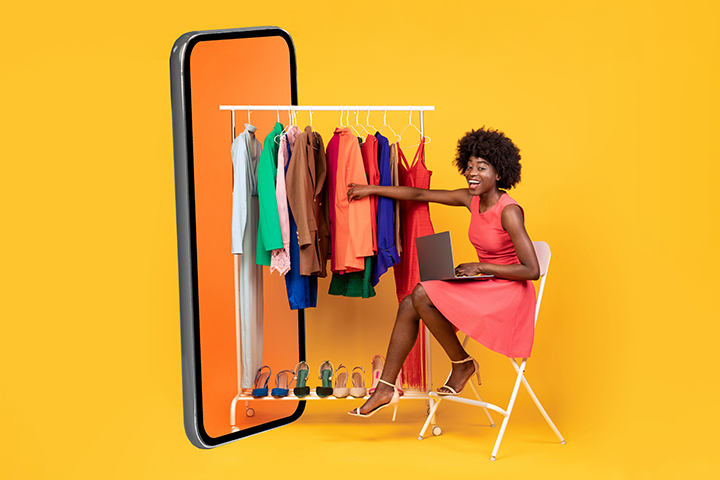
Where to sell your finds
Choosing the right platform is crucial. Each one has its strengths and weaknesses, and what works for one person might not work for another. Let’s break down some of the major players.
Poshmark is great for brand-name clothing and accessories. It has a strong social component, which can help you build a following. However, their fees are relatively high (a flat $2.95 for sales under $15, then 20%) and shipping can be a bit clunky. They're continually adding features, though – recently they’ve focused on simplifying the shipping process and offering more buyer protection.
Mercari generally has lower fees than Poshmark (10% selling fee), making it a good option for lower-priced items. It’s also known for being easier to use, especially for beginners. The downside? It attracts a lot of lowball offers and can feel less curated than Poshmark. The platform has been experimenting with Mercari Deals, a feature aimed at quick sales.
eBay remains a powerhouse, particularly for vintage and unique items. It offers a lot of flexibility in terms of listing formats and shipping options. But it can also be overwhelming, and competition is fierce. Authentication services for luxury items are a plus. They charge around 13.25% for most sales.
Depop is popular with Gen Z and is known for its trendy, streetwear aesthetic. It’s a visually-driven platform, so high-quality photos are essential. Fees are 10% plus a payment processing fee. They've been working on improving their search functionality to help buyers find what they're looking for.
ThredUp offers a convenient way to sell in bulk – they send you a clean-out bag, and they handle the listing and shipping. However, you have less control over pricing, and you'll receive a smaller percentage of the sale price. Currently, they offer a first order discount of 50% off with code FIRST50. It's a good option if you want a hands-off approach, but don't expect to maximize your profits.
Don’t overlook Facebook Marketplace and Facebook Groups. These can be a great way to sell locally and avoid shipping costs. However, be cautious of scams and always meet in a public place. I’ve seen too many people get burned by accepting payment methods that aren't secure.
- Poshmark: Best for brand name items, social selling.
- Mercari: Lower fees, easy to use.
- eBay: Wide reach, good for vintage.
- Depop: Trendy, Gen Z focused.
- ThredUp: They send you a bag and do the work, but they take a huge cut.
- Facebook Marketplace/Groups: Local sales, potential for scams.
Reselling Platforms Compared: Finding Your Best Fit in 2026 🛍️
| Platform | Target Shopper | Shipping | Ease of Use (1-5, 5=Easiest) | Best For |
|---|---|---|---|---|
| Poshmark | Fashion-focused, social shoppers | Flat rate shipping, seller covers | 3/5 - Social features add complexity | Mid-range to higher-end brands, trendy items |
| Mercari | Broad audience, value-conscious buyers | Seller or buyer pays, flexible options | 4/5 - Simple listing process | Everyday wear, kids' clothes, shoes, variety |
| eBay | Wide range, auction & fixed price | Seller manages or uses calculated shipping | 2/5 - Can be complex, many options | Vintage, unique items, collectibles, designer pieces |
| Depop | Gen Z & Millennials, streetwear & vintage | Seller manages shipping | 3/5 - Visually focused, app-based | Vintage, Y2K, streetwear, handmade items |
| ThredUp | Convenience-focused, sustainable shoppers | ThredUp handles shipping (Clean Out Bags) | 5/5 - Very easy, send & forget | Convenient selling, mainstream brands (lower resale value potential) |
Qualitative comparison based on the article research brief. Confirm current product details in the official docs before making implementation choices.
Sourcing beyond the rack
Finding profitable items is an art form. It’s about knowing where to look and what to look for. While traditional thrift stores are a great starting point, you need to expand your horizons.
Goodwill and Salvation Army are obvious choices, but don’t limit yourself. Explore smaller, locally-owned thrift stores – they often have hidden gems that haven’t been picked over. Go on days when they restock (usually midweek) and head straight for the sections that align with your niche. I always check the men's section for oversized sweaters or vintage flannels – they often get overlooked.
Consignment shops can be a good source for higher-end items, but prices are typically higher. Estate sales and flea markets require more digging, but you can often find incredible deals. Online thrift stores like Beyond Retro or thredUP (for sourcing to resell) can also be worth checking, but factor in shipping costs.
Building relationships with thrift store employees can give you a leg up. They might give you a heads-up when new merchandise arrives or let you know about special sales. Be friendly, respectful, and tip generously. I've known resellers who get notified about estate sales before they're even advertised!
Remember, knowing your niche is key. If you specialize in vintage Levi's, focus your efforts on sections where you're likely to find them. Don't waste time browsing through racks of clothes that aren't relevant to your business. Speed and focus are your friends.
What actually sells
Okay, you’ve found a potential treasure. Now, how do you know if it’s actually worth reselling? Research, research, research. Certain brands consistently perform well on the resale market. Lululemon, Free People, Nike, Patagonia, and Aritzia are always in demand. Designer brands like Reformation, Madewell, and Anthropologie also hold their value.
Vintage clothing is a huge market, but it requires some knowledge. The 1990s and early 2000s are particularly hot right now, with Y2K styles making a major comeback. Look for unique pieces, interesting prints, and well-preserved condition. Cowboy boots are also consistently popular. However, trends change quickly, so stay informed.
Before listing anything, research comps (completed listings) on the platform you’re using. See what similar items have actually sold for, not just what people are asking. Pay attention to condition, size, and any unique features. Referencing Facebook.com, it's important to look up similar items to determine competitive pricing.
Identifying flaws is crucial. A small stain or a missing button can significantly impact the price. Be honest about any imperfections in your listings. Photos are your friend here – show potential buyers exactly what they’re getting. A small repair might be worth the effort if it increases the resale value.
Keywords are king. Use relevant keywords in your titles and descriptions to help buyers find your items. Think about what someone would search for to find that specific piece of clothing. For example, instead of “Blue Sweater,” try “Vintage 90s Oversized Blue Cashmere Sweater.”
- Hot Brands: Lululemon, Free People, Nike, Patagonia, Aritzia
- Trending Vintage: 1990s, early 2000s (Y2K)
- Essential Research: Check completed listings for accurate pricing.
- Be Transparent: Disclose all flaws in listings.
- Keyword Power: Use relevant keywords for search optimization.
Photography & Listing Magic
Let's face it: people buy with their eyes. High-quality photos are non-negotiable. Natural light is your best friend. Avoid harsh shadows and overly bright flashes. A simple white background works well, or you can use a clean, uncluttered space in your home.
Consider using a mannequin or model to show how the clothing fits. Flat lays are okay, but they don’t give buyers a good sense of the garment’s shape. Take multiple photos from different angles, including close-ups of any details or flaws.
Accurate descriptions are just as important as good photos. Include measurements (bust, waist, length), materials, and any imperfections. Be specific and avoid vague language. A well-written description builds trust and reduces the risk of returns.
Compelling titles attract clicks. Use keywords, but also be creative. Instead of “Dress,” try “Floral Midi Dress – Boho Chic Style.” While AI tools can help generate listing descriptions, don’t rely on them entirely. Always proofread and personalize the text to ensure it accurately reflects the item.
- Lighting: Natural light is best.
- Background: Simple and uncluttered.
- Photos: Multiple angles, close-ups.
- Descriptions: Accurate measurements, materials, flaws.
- Titles: Keyword-rich and creative.
Shipping & Customer Service: Keeping Buyers Happy
Fast and reliable shipping is essential for building a good reputation. USPS, UPS, and FedEx are all viable options. Weigh your packages accurately to avoid overcharging for shipping. Consider offering free shipping to attract buyers, but factor the cost into your pricing.
Invest in quality packaging materials – sturdy boxes, poly mailers, and tissue paper. A little extra effort goes a long way. Include a thank-you note or a small gift to show your appreciation. Referencing ThredUp, their clean out bag service offers convenience, but you sacrifice control over pricing.
Respond to customer inquiries promptly and professionally. Be polite, helpful, and willing to resolve any issues. Clear communication is key. If a buyer has a problem, address it quickly and fairly.
Returns are inevitable. Have a clear return policy and be prepared to handle them gracefully. Most platforms offer buyer protection, so you’ll need to follow their guidelines. A positive attitude can turn a negative experience into a loyal customer.
Scaling Your Reselling Business
So, you’re making consistent profits and want to take things to the next level? Scaling requires a strategic approach. Sourcing larger volumes of clothing is the first step. Explore wholesale options or build relationships with estate sale companies.
Hiring help can free up your time to focus on the most important tasks. Consider a virtual assistant to manage listings, a photographer to take high-quality photos, or a shipping assistant to handle packaging and shipping. Referencing Medium.com, there are plenty of resources available for making money reselling clothes online.
Inventory management is crucial as your business grows. Use a spreadsheet or a dedicated inventory management tool to track your items, costs, and sales. Track your expenses carefully to ensure you’re actually making a profit.
Don’t forget the legal aspects. You may need to obtain a business license or permit, depending on your location. Keep accurate records for tax purposes. Building a brand and creating a loyal customer base will set you apart from the competition. Use consistent branding across all your platforms and engage with your followers.

No comments yet. Be the first to share your thoughts!