Beyond the Racks: Why Thrifting is Booming in 2026
Thrifting isn’t just a budget-friendly way to shop anymore; it’s a cultural phenomenon. The secondhand market is experiencing significant growth, and 2026 is poised to be a record year. This isn’t simply about finding a bargain, though that’s still a draw. We’re seeing a fundamental shift in consumer values, with sustainability and unique self-expression taking center stage.
The resale market’s evolution is remarkable. It’s moved beyond being a last resort for those seeking affordable clothing to becoming a destination for conscious consumers and style enthusiasts. Shoppers are increasingly interested in the story behind their purchases, and vintage or pre-owned items offer a connection to the past that new goods simply can’t replicate.
This change is driven, in part, by a desire to reduce textile waste and lessen the environmental impact of fast fashion. However, the appeal extends beyond ethics. Many shoppers are actively seeking one-of-a-kind pieces that allow them to curate a personal style distinct from mass-produced trends. The thrill of the hunt is definitely a factor, too.
Social media plays a huge role. Platforms like TikTok and Instagram are flooded with "thrift flip’ videos and hauls, inspiring others to explore the world of secondhand shopping. This visibility has normalized thrifting and made it feel cool and accessible, further fueling its popularity. What was once considered ‘used’ is now often viewed as ‘pre-loved’ or ‘vintage’ – a clever reframing that"s resonated with a new generation of shoppers.
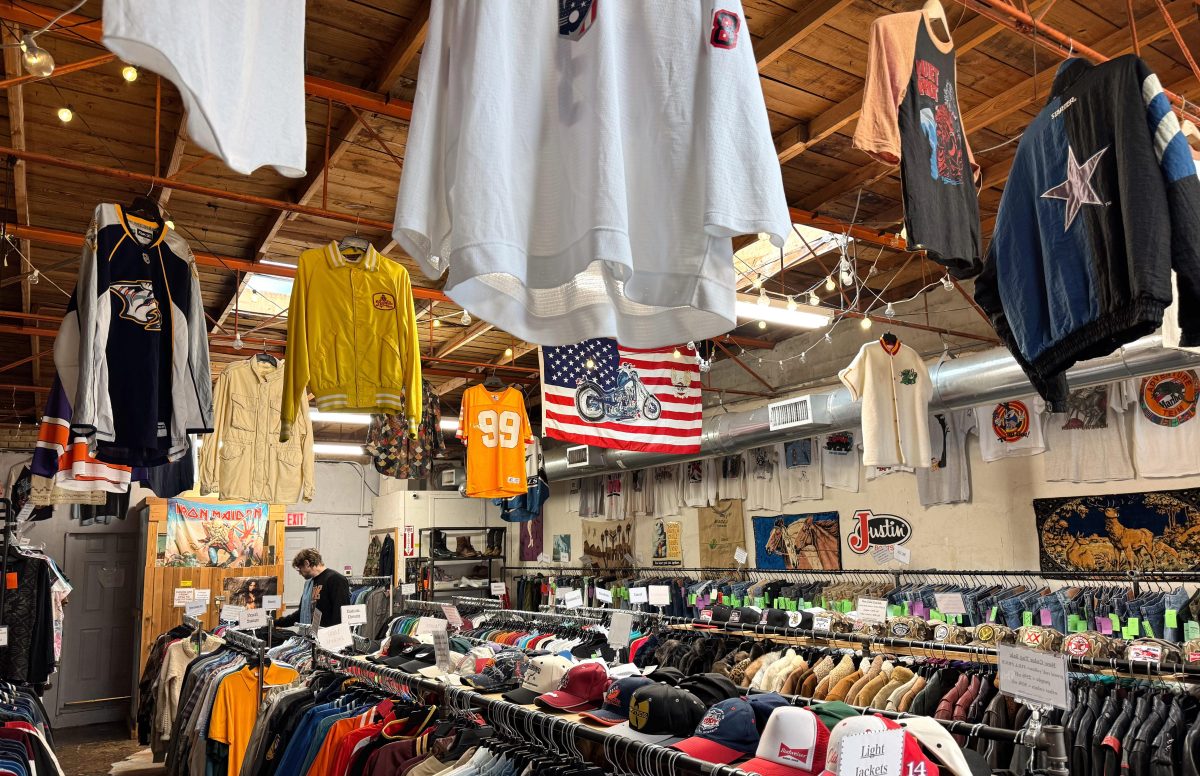
Best Thrift Stores Near Me And Online [Save Money Shopping] https://t.co/c1RASOhJic
— Invested Wallet (@InvestedWallet) January 16, 2022
Decoding the Thrift Store Landscape: Types You’ll Encounter
The world of thrift stores is surprisingly diverse. It’s not simply a choice between Goodwill and a consignment shop. Understanding the different types of stores is key to maximizing your thrifting success. Each category has its own strengths and weaknesses, and knowing what to expect will save you time and frustration.
National chains like Goodwill and Salvation Army offer the largest selection and the lowest prices, but require patience and a willingness to sift through a lot of inventory. These stores are often overflowing with donations, meaning you’ll find everything from clothing and furniture to housewares and books. The sheer volume can be overwhelming, but the potential for a great find is always there.
Local charity shops, often run by religious organizations or community groups, tend to be smaller and more curated than national chains. Prices may be slightly higher, but the selection is often more carefully chosen. These stores frequently support local causes, so you can feel good about your purchases.
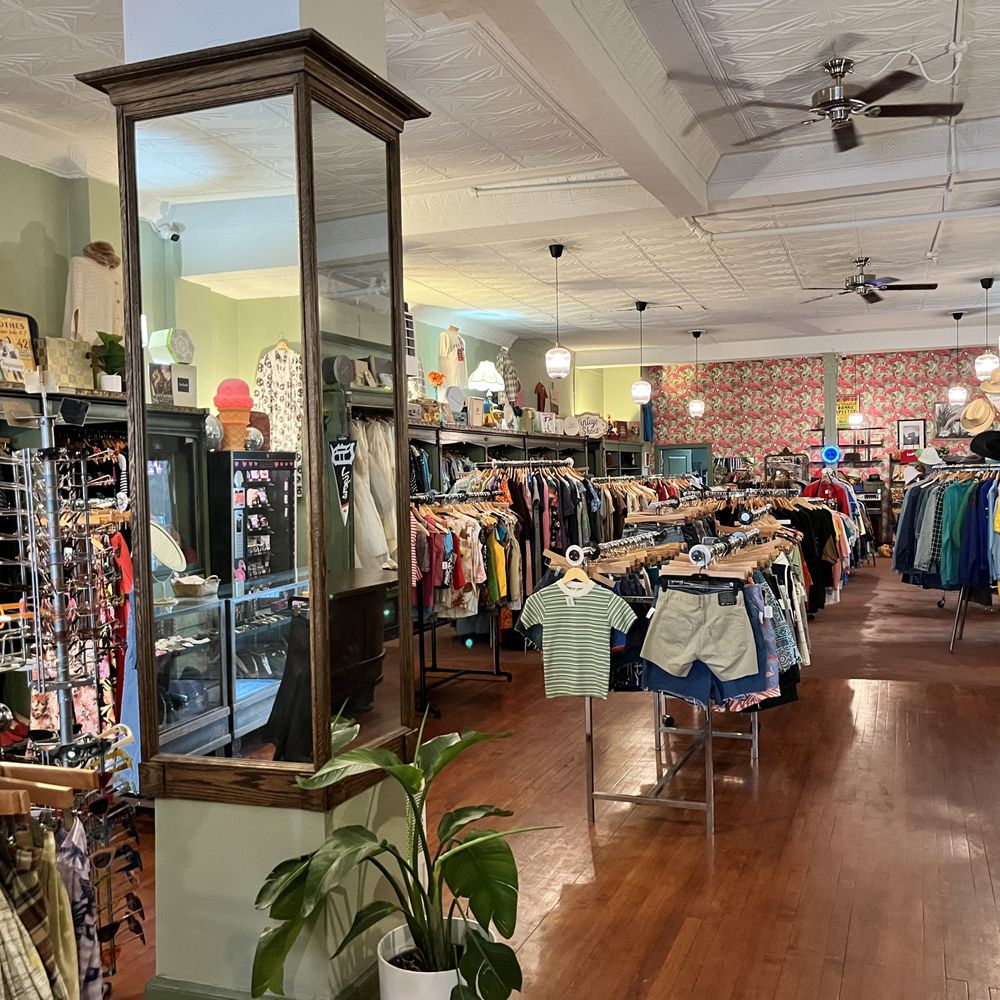
Then there are vintage boutiques that present as thrift stores, but operate with a much higher price point. These shops specialize in curated collections of vintage clothing and accessories, often focusing on specific eras or styles. While the quality and selection are generally excellent, be prepared to pay a premium. It’s important to be aware of this distinction, so you don’t mistake a vintage boutique for a traditional thrift store.
Online platforms with physical locations are also gaining traction. These stores often offer a more polished shopping experience and a curated selection of items. Estate sale-focused stores, while less common, can be treasure troves for antique furniture and collectibles. Knowing the distinctions between these different models sets you up for success.
- National Chains (Goodwill, Salvation Army): Large selection, low prices, requires patience.
- Local Charity Shops: Smaller selection, moderate prices, supports local causes.
- Vintage Boutiques: Curated selection, high prices, specializes in vintage items.
- Online/Physical Hybrids: Polished experience, curated selection, often higher prices.
- Estate Sale Stores: Antique furniture, collectibles, unique finds.
Thrift Store Type Comparison – 2026
| Store Type | Price Range | Selection Size | Item Quality | Uniqueness Potential |
|---|---|---|---|---|
| National Chains (Goodwill, Salvation Army) | Generally Affordable | Very Wide Variety | Hit or Miss – requires diligent searching | Moderate – potential for finds, but often mass-market items |
| Local Charity Shops | Generally Affordable to Moderate | Moderate Variety | Variable, often dependent on donations | Good – frequently feature locally-sourced items and donations from diverse households |
| Consignment Shops | Moderate to Higher | Moderate Selection | Generally Good – pre-screened for condition | Moderate – curated selection, but focused on current styles |
| Vintage Stores | Higher | Smaller, Highly Curated | Generally Good to Excellent – items are often restored or well-maintained | Very High – specializes in unique, older items |
| Online Platforms with Physical Locations (e.g., Plato's Closet) | Moderate | Moderate, focused on specific brands/styles | Good – typically accepts only items in current, sellable condition | Moderate – geared towards trendy, resaleable clothing |
| Estate Sale-Focused Resale Shops | Variable – can be very affordable to moderately priced | Moderate to Large | Variable – dependent on the estate's contents | High – often includes antiques, collectibles, and unique household goods |
| Boutique Resale Shops | Higher | Small, Highly Curated | Excellent – items are carefully selected and often designer | Very High – focuses on high-end and distinctive pieces |
Qualitative comparison based on the article research brief. Confirm current product details in the official docs before making implementation choices.
Location, Location, Location: Finding Hidden Gems Near You
Finding the best thrift stores isn’t just about knowing that they exist; it’s about knowing where to find them. Relying solely on Google Maps is a good starting point, but it’s far from comprehensive. Truly uncovering hidden gems requires a bit of detective work and a willingness to explore beyond the obvious.
Local Facebook groups dedicated to thrifting and resale are invaluable resources. These groups often feature recommendations from fellow thrifters, tips on upcoming sales, and alerts about newly stocked items. Community bulletin boards in libraries, coffee shops, and community centers can also be surprisingly effective sources of information.
Word-of-mouth recommendations are still incredibly powerful. Ask friends, family, and coworkers if they have any favorite thrift stores. Don’t be afraid to strike up conversations with people you meet while thrifting – they may be willing to share their own secret spots. A little networking can go a long way.
Demographics can significantly influence the quality of donations a thrift store receives. Areas with higher incomes and a greater concentration of fashion-conscious residents tend to have better donations. Proximity to colleges and universities can also be a good indicator, as students often donate items when they move out.
Look for areas with a high concentration of retirement communities. These areas often generate a steady stream of donations, including vintage clothing, furniture, and collectibles. Pay attention to neighborhoods undergoing demographic shifts – these areas may have a surplus of unwanted items as residents downsize or relocate.
The Cincinnati Example: A Deep Dive into a Thrifting Hotspot
Cincinnati, Ohio consistently ranks as a strong thrifting destination, according to Yelp data from 2026. Let’s explore some of the top-rated stores and what makes them stand out. This offers a practical example of how to apply the strategies we’ve discussed.
Revival Vintage Clothing consistently receives high marks for its curated selection of vintage clothing, particularly dresses and accessories. Yelp reviewers rave about the helpful staff and the reasonable prices, despite the higher price point compared to Goodwill. Expect to find pieces from the 1950s through the 1980s.
Ohio Valley Goodwill is a classic thrift store experience. It's large, somewhat chaotic, but offers the potential for incredible deals. Many reviewers mention finding designer items for a fraction of their retail price. Patience is key here. One reviewer noted, “You really have to dig, but the rewards are worth it!”
Heart Mercantile is praised for its unique mix of vintage and handmade items. It’s a great place to find one-of-a-kind gifts or add a touch of personality to your home. Prices are mid-range, but the quality and selection are generally excellent.
The Closet Boutique focuses on gently used, contemporary clothing. It’s a good option if you’re looking for current styles at affordable prices. Reviewers appreciate the clean and organized store layout. Another reviewer commented on the “surprisingly good selection of name-brand items.”
St. Vincent de Paul Thrift Store is another large-scale operation with a wide variety of items. It's similar to Ohio Valley Goodwill in terms of selection and pricing. It's a good place to browse if you're looking for furniture, housewares, or clothing.
Second Time Around focuses on designer consignment. Expect to find brands like Coach, Michael Kors, and Kate Spade at discounted prices. It’s a good option for those looking for high-end items without the high-end price tag. Finding a bargain here feels like a real win.
Baton Rouge's Vintage Scene: A Different Approach
Baton Rouge, Louisiana presents a different thrifting landscape than Cincinnati. According to 225BatonRouge.com, the scene is heavily influenced by vintage and consignment shops, with a strong emphasis on unique and locally sourced items. While chain thrift stores exist, the real treasures are found in the smaller, independent boutiques.
Unlike Cincinnati’s more balanced mix, Baton Rouge’s thrifting scene leans heavily towards curated vintage. Stores like White Lily Vintage are known for their carefully selected collection of clothing and accessories from the mid-20th century. This reflects a local appreciation for Southern style and history.
Consignment shops are also prevalent in Baton Rouge. Hemline is a popular option for finding gently used designer clothing and accessories. The emphasis here is on quality and style, with a focus on current trends. Prices are generally higher than traditional thrift stores, but the selection is more refined.
The overall vibe in Baton Rouge is more relaxed and eclectic. You’re less likely to find a massive, overwhelming thrift store like Goodwill and more likely to stumble upon a charming boutique with a unique personality. This makes the thrifting experience more enjoyable for those who prefer a curated selection.
There’s a stronger sense of community among the thrifting scene in Baton Rouge. Many shops host events and workshops, fostering a sense of connection among shoppers and sellers. It’s a place where you can not only find unique items but also connect with like-minded individuals.
Baton Rouge Thrift Hotspots (2026)
- Goodwill Baton Rouge - A consistently popular choice, Goodwill frequently receives high volumes of donations, increasing the likelihood of finding a diverse range of items. Recent social media buzz indicates a strong selection of vintage clothing and housewares. Goodwill Baton Rouge Website
- Plato's Closet Baton Rouge - Catering to a younger demographic, Plato’s Closet specializes in gently used, trendy clothing and accessories. Influencer @BRStyleFiles (X post 10/26/2024) highlighted a recent find of a like-new Free People dress for $35. Plato's Closet Baton Rouge Website
- ARC of Baton Rouge Thrift Store - Supporting a valuable local cause, ARC’s thrift store often has unique furniture pieces and vintage collectibles. A local resident, @BatonRougeFinds (X post 11/15/2024), shared a photo of a mid-century modern lamp purchased for $20. ARC of Baton Rouge Thrift Store Website
- St. Vincent de Paul Baton Rouge - Known for its larger store format and frequent sales, St. Vincent de Paul offers a broad selection of clothing, furniture, and household goods. User @ThriftQueenBR (X post 09/02/2025) mentioned finding a complete bedroom set for under $200. St. Vincent de Paul Baton Rouge Website
- Red Stick Thrift - A smaller, curated thrift store gaining popularity, Red Stick Thrift focuses on vintage and retro items. They are praised for their organized selection and reasonable prices. A post from @LouisianaLiving (X post 01/10/2026) featured a 1970s Levi's jacket found for $45. Red Stick Thrift Facebook Page
- The Clothesline - Specializing in women's consignment, The Clothesline offers higher-end brands at discounted prices. Local blogger @BatonRougeFashion (X post 03/08/2025) noted a selection of designer handbags, including Coach and Michael Kors, in good condition. The Clothesline Facebook Page
- Habitat for Humanity ReStore - Focusing on home improvement items, furniture, and building materials, the ReStore is ideal for DIY projects and home renovations. A recent post from @BRHomeDIY (X post 12/01/2025) highlighted a find of a set of kitchen cabinets for $75.
Pro-Tips for the Savvy Thrifter: Maximizing Your Haul
Thrifting successfully requires more than just luck. There are strategies you can employ to increase your chances of finding hidden gems and scoring great deals. Timing is crucial – visit stores on weekdays or early in the morning to avoid crowds and get first dibs on new donations. Store restocking schedules vary, so asking staff can give you an edge.
When browsing, focus on quality fabrics like silk, wool, linen, and cashmere. These materials tend to hold up well over time and are often a sign of a well-made garment. Pay attention to vintage labels – they can indicate the age and quality of an item. Also, look for unique details like hand-embroidery or interesting buttons.
Always inspect items carefully for damage before purchasing. Check for stains, tears, missing buttons, and broken zippers. Minor repairs are often manageable, but significant damage can detract from the value of an item. Don’t be afraid to ask if you can try on clothing or test out electronics.
Negotiating prices is sometimes possible, especially at smaller thrift stores or estate sales. Be polite and respectful, and don’t be afraid to make a reasonable offer. Building a relationship with store staff can also lead to discounts or early access to sales.
Learning to recognize designer items and authenticate vintage pieces is a valuable skill. Research common designer logos and hallmarks. Familiarize yourself with vintage clothing construction techniques and fabrics. If you’re unsure about an item’s authenticity, it’s best to err on the side of caution.
- Go early/weekdays: Avoid crowds and get first pick.
- Focus on quality fabrics: Silk, wool, linen, cashmere.
- Check for damage: Stains, tears, broken zippers.
- Negotiate (politely): Especially at smaller stores.
- Learn authentication: Designer logos, vintage construction.
Beyond Shopping: The Reselling Potential of Your Finds
Thrifting doesn’t have to end with simply acquiring new items for your wardrobe or home. It can also be a source of income. The reselling market is booming, and platforms like eBay, Poshmark, and Mercari make it easier than ever to turn your thrifting finds into cash.
Before listing an item, it’s essential to research comparable sales (comps) to determine a fair price. Search for similar items on the reselling platforms and see what they’ve sold for recently. Consider the item’s condition, brand, and rarity when setting your price. Accurate descriptions and high-quality photos are crucial for attracting buyers.
Presentation matters. Clean and iron clothing before photographing it. Use natural light and a clean background. Take multiple photos from different angles. Be honest about any flaws or imperfections. Clear communication and prompt shipping are essential for building a positive reputation as a seller.
While reselling can be profitable, it requires time and effort. It’s not a get-rich-quick scheme. Be prepared to spend time listing items, packaging orders, and responding to customer inquiries. However, for those who enjoy thrifting and have an eye for value, it can be a rewarding side hustle.
No comments yet. Be the first to share your thoughts!