Start with the right gear
You don’t need a warehouse or expensive equipment to begin thrift store flipping. The barrier to entry is low because the core tools are items you likely already own or can buy for under twenty dollars. Think of this setup as your mobile command center: lightweight, portable, and focused on speed.
The most critical tool is your smartphone. It serves two purposes: identifying items in real-time and managing your inventory. Download a reputable scanning app like eBay or Poshmark to check sold listings instantly. Pair this with a basic cleaning kit—microfiber cloths, a gentle fabric cleaner, and a lint roller. A quick wipe-down can transform a dusty lamp or a wrinkled shirt into a showroom-ready piece, significantly boosting its perceived value.
Carry a small, collapsible tote bag. Heavy backpacks strain your back and limit your mobility in crowded aisles. A sturdy tote allows you to inspect items thoroughly without rushing, giving you the time needed to spot hidden gems. This simple shift in gear keeps you agile and ready to act when you find a profitable item.
Use your phone to scan barcodes or search brand names immediately. Check sold listings on eBay or Poshmark to confirm the item’s actual market value, not just its retail price. If it doesn’t sell, it’s not a flip; it’s just clutter.
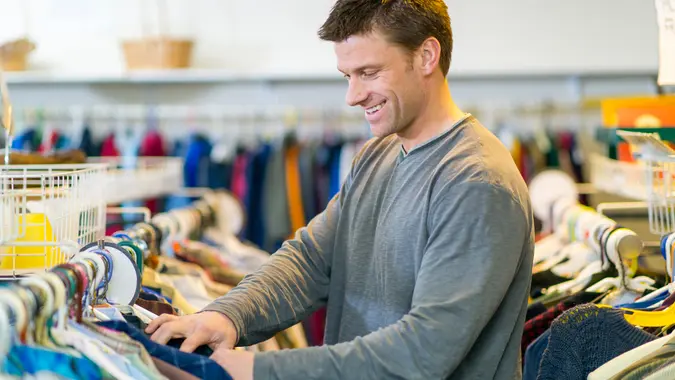
Check seams, zippers, and fabric for stains or tears. Minor issues like loose buttons are easy fixes, but structural damage often kills resale value. If an item requires expensive repairs, skip it.
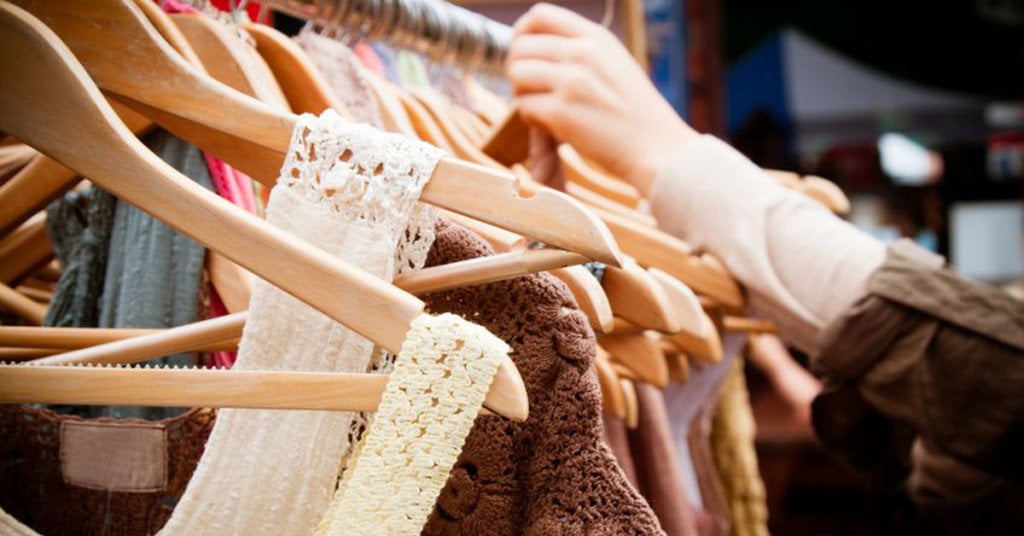
Wipe down surfaces and remove dust with your microfiber cloth. Place items in your collapsible tote carefully to avoid wrinkles or damage during transport. A clean item sells faster and commands a higher price.
Spot high-value vintage brands
Finding profit starts with recognizing labels before you even check the price tag. When you scan a rack of secondhand clothing, your eyes should lock on specific vintage clothing brands and secondhand designer items that hold resale value. These labels signal quality materials and historical demand that outlasts fast fashion trends.
Focus on established heritage brands that have maintained consistent quality over decades. Look for Levi’s 501s with red tabs, Ralph Lauren polo shirts with embroidered logos, and L.L.Bean boots. In the designer space, pieces from Chanel, Gucci, and vintage Coach leather goods often command high prices if they are in good condition. Knowing these names allows you to filter out the noise and focus on inventory that actually moves.
Condition is just as critical as the brand. A stained Levi’s jacket or a torn designer bag will have little resale value, regardless of the label. Check for missing buttons, fading, pilling, or odors that won’t wash out. If the item passes the brand and condition checks, you’ve likely found a profitable flip. Always verify the era of the tag; some vintage labels from the 1970s and 80s are particularly sought after by collectors.
Check condition and authenticity
Before you move an item to your cart, you need to confirm two things: the item is in sellable condition, and it is actually what the tag claims. Buying damaged goods or counterfeits is the fastest way to eat into your profit margin. A quick, systematic inspection protects your investment.
1. Inspect for damage and wear
Thrift stores rarely accept items with significant flaws, but they do stock them. You must identify these defects before purchasing. Check the following areas on clothing and accessories:
- Stains and odors: Hold the item up to the light. Look for yellowing underarms, collar stains, or discoloration. Smell the fabric; musty or perfume-heavy scents are hard to remove and signal poor storage.
- Stains and tears: Inspect seams, hems, and pockets. Look for fraying, missing buttons, or small holes. On denim, check for excessive fading or "blowouts" at the knees.
- Zippers and hardware: Test every zipper. Stuck zippers are difficult to repair and reduce resale value. Ensure buttons are secure and metal hardware is not tarnished or broken.
Use this checklist to speed up your evaluation:
-
No visible stains, holes, or fraying
-
Zippers glide smoothly without catching
-
Buttons are secure and original
-
No strong odors or discoloration
2. Verify authenticity and brand value
Not all items labeled "Designer" are valuable. Many thrift stores mislabel items or sell high-street brands that look luxury but have low resale demand. Focus on brands with a proven track record in the secondary market.
High-demand brands to look for:
- Outerwear: North Face, Patagonia, L.L.Bean, Canada Goose.
- Denim: Levi’s (especially vintage or Made in USA), Wrangler, Lee.
- Activewear: Lululemon, Nike, Adidas, Under Armour.
- Luxury: Coach, Michael Kors, Gucci, Louis Vuitton (verify stitching and hardware carefully).
3. Check labels and tags
Authenticity often lives in the details. Look for specific markers that distinguish valuable items from generic ones:
- Vintage tags: Items with multiple care labels, specific fabric compositions (like 100% wool or silk), or "Made in USA/Italy/Japan" labels often hold higher value.
- Serial numbers: For handbags and shoes, check for authenticity cards or serial numbers. You can often verify these on the brand’s official website or dedicated authentication apps.
- Logo placement: Ensure logos are centered, straight, and not peeling. Misaligned logos can indicate a counterfeit or a lower-tier production line.
4. Compare with online listings
Once you’ve identified a potential item, use your phone to check its market value. Open eBay or Poshmark and search for the exact brand, model, and condition. Filter by "Sold Items" to see what people are actually paying, not just what sellers are asking. If the sold price is lower than your purchase price plus fees, put it back.
Start with a visual scan. Look for obvious stains, tears, or missing parts. Turn the item inside out to check lining and seams.

Zip up jackets, open bags, and check shoe soles. Broken zippers or worn soles are red flags that require repair costs.
Check the label for high-demand brands. Look for specific tags, serial numbers, or quality markers that indicate authenticity.

Use eBay or Poshmark to find sold listings for the exact item. Ensure the resale value covers your cost, fees, and shipping.
List items on resale platforms
Photographing your finds is only half the battle. The other half is presenting them so buyers can see exactly what they’re getting. A clear photo and a precise description turn a $5 thrift store jacket into a $50 eBay sale. This section walks you through the listing process for platforms like eBay, Poshmark, and Depop.
Lighting is your most important tool. Take photos near a large window during the day. Avoid flash, which creates harsh shadows and distorts colors. Capture the front, back, and sides of the item. If there are flaws—like a missing button or a small stain—photograph those close-ups too. Buyers trust transparency, and it prevents returns later.
Your title helps your item appear in search results. Start with the brand, then the item type, color, and size. For example, use "Patagonia Men’s Navy Blue Fleece Jacket Size L" instead of "Nice Jacket." Include specific details that matter to buyers, such as material or unique features like "water-resistant" or "vintage 90s."
Be honest about the item’s condition. Use standard terms like "New with tags," "Gently used," or "Fair condition." If there are flaws, describe them clearly in the description box. Mention any odors, stains, or wear. This builds trust and reduces the chance of disputes. If you’re unsure about a brand’s authenticity, mention that you are selling it as-is.
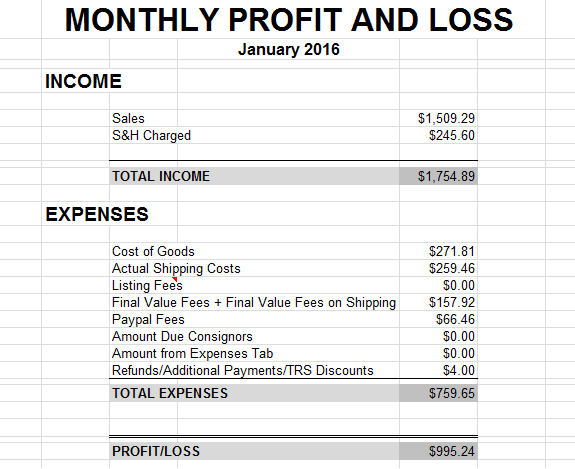
Don’t guess the price. Search your sold listings on eBay or similar items on Poshmark to see what people are actually paying. Factor in platform fees, shipping costs, and your initial purchase price. Aim for a profit margin that makes your time worthwhile. If an item isn’t selling after a few weeks, consider lowering the price or relisting it with better photos.
A well-listed item moves faster. Consistency matters more than perfection. Take the time to get the photos and description right, and you’ll build a reputation that leads to repeat sales.
Avoid common flipping mistakes
Even experienced flippers lose money when they skip the basics. Most beginners make the same errors: buying damaged goods, underestimating shipping costs, or mispricing items based on emotion rather than data. These pitfalls can turn a promising find into a storage headache.
The first rule is strict condition checking. Never buy anything with stains, missing buttons, broken zippers, or structural damage unless you are a skilled tailor or restorer. Thrift stores often sell "as-is" items for pennies, but repair costs eat your margin. If you spot a flaw, walk away. The next item on the rack is always better than a broken one.
Pricing is the second trap. Don't list items based on what you think they're worth. Use sold listings on eBay, Poshmark, or Mercari to see what buyers actually pay. If a vintage Levi’s jacket costs $5 at the thrift store but only sells for $15 after fees and shipping, it’s not worth the time. Focus on high-margin items with low shipping weights, like jewelry, small electronics, or branded apparel.
Finally, avoid buying based on impulse. Stick to a list of known profitable brands and categories. If you don’t recognize the brand or value, it’s likely not worth the risk. Thrift store flipping for profit requires discipline, not just luck.
No comments yet. Be the first to share your thoughts!