Start with the right gear
Profitable flipping requires speed and data accuracy, not expensive equipment. Your toolkit must minimize time per item while maximizing pre-purchase verification. A reliable smartphone with reselling apps is sufficient for scanning barcodes and checking sold listings instantly, preventing inventory stagnation.
Equip yourself with basic inspection and cleaning tools: microfiber cloths, glass cleaner, and a lint remover. These allow you to improve presentation on-site without removing items from the store. Inspect seams, zippers, and fabric integrity immediately. If an item needs heavy repair, factor those costs into your margin calculation before buying.

Bring portable packing supplies like poly mailers and a tape dispenser. This reduces friction between purchase and listing, accelerating cash flow.


As an Amazon Associate, we may earn from qualifying purchases.
Spot valuable thrift store finds
Shift your mindset from consumer to buyer. You are seeking inventory with immediate resale liquidity, not personal use items. Focus on brand recognition and fabric composition.
Recognize Profitable Brands
Heritage workwear, vintage sportswear, and high-end contemporary labels command consistent demand. These items retain value due to recognizable branding and construction quality.
- Workwear: Levi’s (red-line or Made-in-USA tags), Carhartt (double-knee pants), and Wrangler.
- Vintage Sportswear: Nike and Adidas from the 1980s/90s, especially retro logos or team affiliations.
- High-End Contemporary: Ralph Lauren (Polo), Tommy Hilfiger, and early 2000s designer labels (Gucci, Prada) in good condition.
Check interior labels for origin. Items made in the USA, Italy, or Japan often carry a premium due to perceived quality and scarcity.
Evaluate Fabric Quality
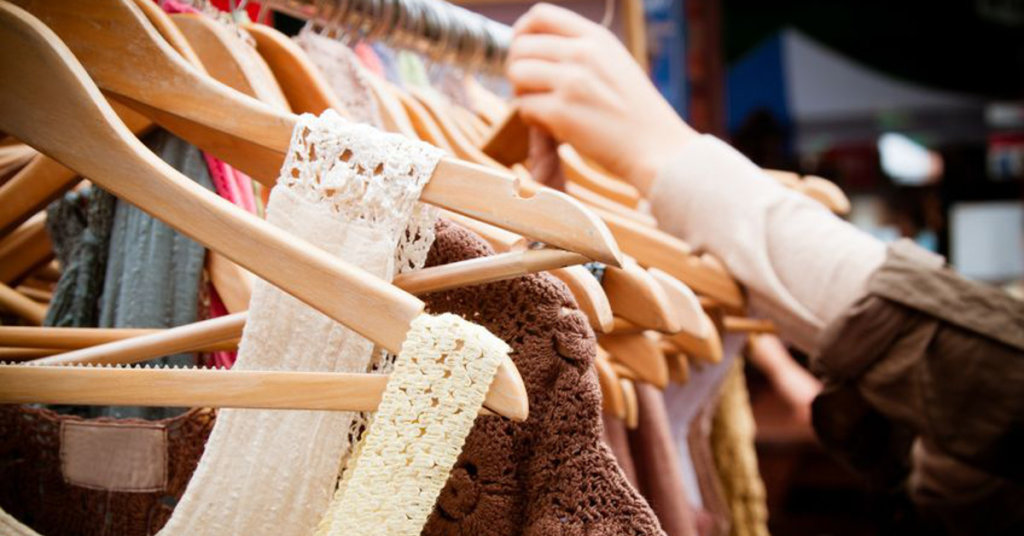
Natural fibers generally resell better than synthetics. Check care tags for material content.
- 100% Cotton: Heavy-weight cotton for jackets/denim is valuable. Lightweight cotton is only valuable if vintage or from a sought-after brand.
- Wool and Cashmere: High intrinsic value. Even slightly worn items fetch significant prices if free of moth holes.
- Silk and Linen: Premium materials desirable for texture and drape.
Avoid synthetic blends (polyester, nylon, acrylic) unless they are specific vintage sportswear pieces where the material is part of the aesthetic. Synthetics often have lower resale ceilings.
Verify Authenticity and Details
Check for unique stitching, logo placement, and hardware quality. Counterfeit items are common in thrift stores. Look for inconsistencies in font, spacing, or logo design. If something feels off, walk away. Authenticity is non-negotiable for maximizing profit margins.
Verify profit margins quickly
Confirm the item will turn a profit before purchasing. Thrift flipping relies on the gap between low acquisition cost and real-world resale value. Guessing leads to unsold inventory; verifying ensures cash flow.
The most reliable method is checking what buyers have actually paid, not what sellers are asking. Listing prices are often inflated. Sold listings reflect market reality.
Open eBay, Poshmark, or Depop. Enter the brand, model, or specific description. For example, search "Levi’s 501 jacket vintage" rather than just "jacket." Specificity filters out irrelevant results and shows direct competitors for this exact find.
This is the most critical step. On eBay, click "Filter" > "Show only" > "Sold Items." On mobile apps, use the "Sold" toggle. This removes active listings where sellers are still hoping for a price, showing only closed transactions and accurate data on what people are willing to pay.

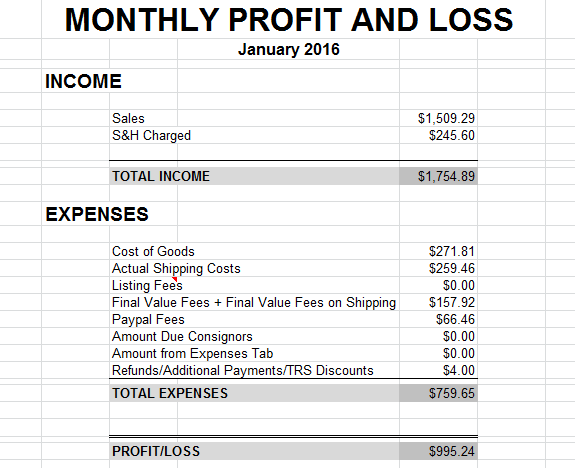
Look at the last 5–10 sold listings for items in similar condition. Ignore the highest price (rare variants) and lowest (damaged items). Calculate the median. If three similar mugs sold for $12, $14, and $13, your expected revenue is roughly $13. This is your profit ceiling.
Listing price is not profit. Subtract platform fees (10–15%), payment processing fees (~3%), and shipping costs. If an item sells for $13 and fees total $4, net revenue is $9. Subtract the thrift store price (e.g., $3) to see actual profit ($6). If the margin is less than 50% of the purchase price, the item is usually not worth buying unless it sells very fast.
Use this calculation for every item. It turns shopping into a disciplined business. If the math doesn’t work, walk away.
List and ship efficiently
Listing and shipping protect or erode your margin. Buyers judge your business by response speed and package condition. A streamlined workflow reduces time per item, allowing you to flip more inventory with less overhead.
Platform algorithms rely on specific data. Include brand, material, size, and unique identifiers like model numbers. Avoid vague terms like "vintage" without context; specify "1990s North Face fleece." Describe flaws in detail with close-up photos. Transparency prevents returns, which threaten net profit.
Never guess a price. Use the "sold" or "completed" listings filter on eBay and Poshmark to see actual transaction prices. This reflects current demand. Price slightly below the average sold price for quick turnover, or at the median for rare items. Factor in platform fees and shipping costs.

Shipping damage results in refunds. For clothing, use poly mailers for lightweight items and sturdy boxes for heavier goods. Include a thank-you note or business card to encourage positive reviews. Seal packages with strong packing tape and avoid worn boxes.
Speed is a ranking factor. Aim to ship within one to two business days. Fast shipping improves store visibility and buyer satisfaction. Print shipping labels directly through the platform to ensure automatic tracking updates.
Avoid Common Thrift Store Flipping Mistakes
The difference between a profitable flip and a dead-end purchase is due diligence. Beginners lose money by buying items that are too damaged, fake, or mispriced. Treat every trip like a procurement audit.
Inspect for Hidden Damage
Fabric stains, missing buttons, and broken zippers are deal-breakers unless you are a skilled tailor. A small coffee stain can cut resale value in half. Check seams under arms and along hems for thinning fabric. For electronics, always test them. A lamp with a frayed cord is a repair project, not a quick flip.
Verify Authenticity
Selling counterfeits destroys your reputation and can get you banned. Learn to spot fakes: misspelled brand names, poor stitching, and cheap hardware. Use resources like The RealReal or Entrupy guides for high-value categories like handbags and sneakers. If you aren’t 100% sure, assume it’s fake.
Price for Margin, Not Emotion
Never buy because you like it; buy because the math works. Calculate total costs: purchase price, cleaning supplies, shipping materials, and platform fees (15-20%). If a jacket costs $5 and sells for $30, your profit is only $13 after fees. That’s a thin margin for your time. Aim to buy at 10-20% of the target resale price.
Pre-Purchase Checklist
Run through this verification list before handing over cash:
-
Stains & Odors: Check under arms, collars, and pockets for yellowing or smells that won’t wash out.
-
Structural Integrity: Pull on seams and test zippers/buttons. Ensure no holes or missing pieces.
-
Brand Verification: Compare hardware, logos, and stitching against known authentic examples.
-
Market Research: Search sold listings on eBay or Poshmark to confirm current demand and price.
-
Cleaning Cost: Estimate if the item needs professional cleaning or expensive repairs.
No comments yet. Be the first to share your thoughts!