Start with the right supplies
Thrift store flipping for profit relies on speed and accuracy. You cannot evaluate inventory effectively without the right tools in hand. The barrier to entry is low, but the cost of a mistake—buying a dead-end item—eats directly into your margins. Equip yourself with a minimal, high-impact kit that allows for immediate verification and efficient processing.
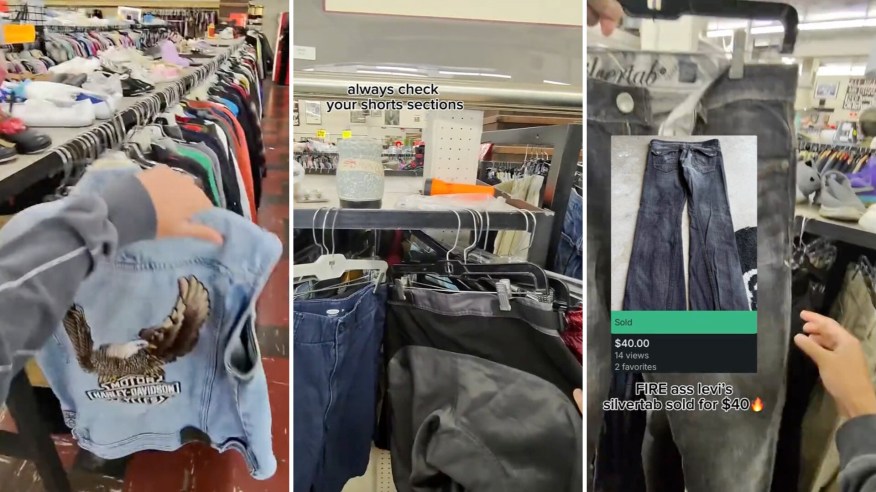
Download a dedicated resale scanner app like Scoutify, PriceCharting, or eBay’s official app. These tools pull real-time sold data, not just listing prices, giving you an accurate estimate of resale value within seconds. This is your primary filter for profitability.
While apps work, a handheld Bluetooth scanner speeds up the process significantly, especially if you plan to check large batches of items or work in cluttered thrift store aisles. It reduces manual entry errors and keeps you moving.
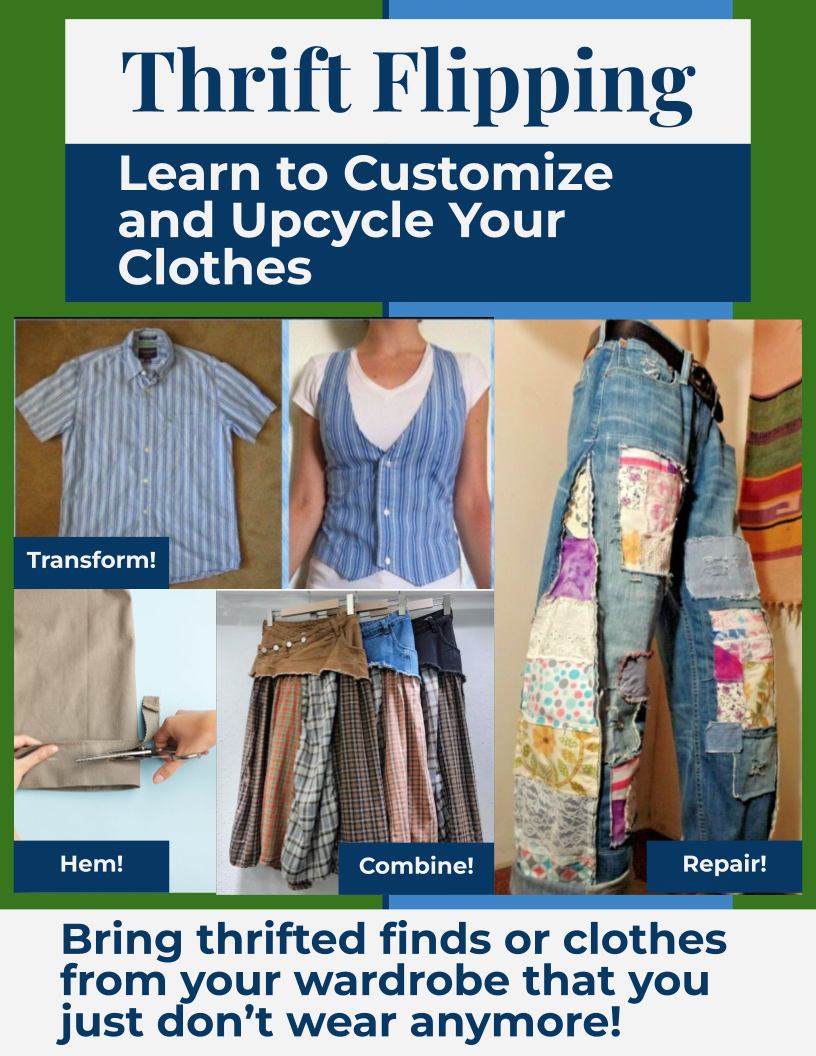
Bring a microfiber cloth, a small bottle of glass cleaner, and a pack of AA batteries. Test electronics and clean surfaces on the spot. A dirty or untested item looks like a risk to buyers; a clean, working item commands a higher price.
Bring a lightweight tote or backpack. Thrift stores often charge for bags, and bringing your own reduces overhead. It also allows you to carry items to your car for a quick inspection in natural light before committing to the purchase.
Investing in these basics costs less than $50 upfront, yet they prevent costly errors. Without a scanner, you are guessing. Without cleaning supplies, you are leaving value on the table. Keep your kit simple and portable so you can act fast when you spot a high-ROI item.

![Amazon Basics Microfiber Cleaning Cloths, Ultra Absorbent, Lint Free, Streak Free, Non-Abrasive, Reusable and Washable, 16" x 12", Blue/White/Yellow, Pack of 24 [Amazon-developed Certification] Compact by Design](https://m.media-amazon.com/images/I/91WjG1lqmLL._AC_UL960_QL65_.jpg)

As an Amazon Associate, we may earn from qualifying purchases.
Start with these essentials. As you scale, you can add a label printer or a thermal shipping printer, but those are efficiency upgrades, not starting requirements. Focus on the scanner and the cleaning kit first; they directly impact your buy/no-buy decisions.
Spot valuable vintage brands
Identifying high-value vintage clothing requires training your eye to recognize specific brand markers and fabric quality before you ever pull out a price scanner. The most profitable flips come from items where the brand name is legible, the condition is near-perfect, and the material composition justifies a higher resale tier. Start by scanning racks for tags that indicate heritage brands or limited production runs, as these carry inherent market demand.
Focus your search on established labels with strong secondary market recognition. Brands like Levi’s (look for red tab tags), Pendleton, and Ralph Lauren (especially Polo or RRL lines) are reliable staples. For outerwear, check for Patagonia or North Face tags, particularly on vintage fleece or down jackets with minimal pilling. These brands have consistent sell-through rates on platforms like eBay and Poshmark, reducing your holding time.
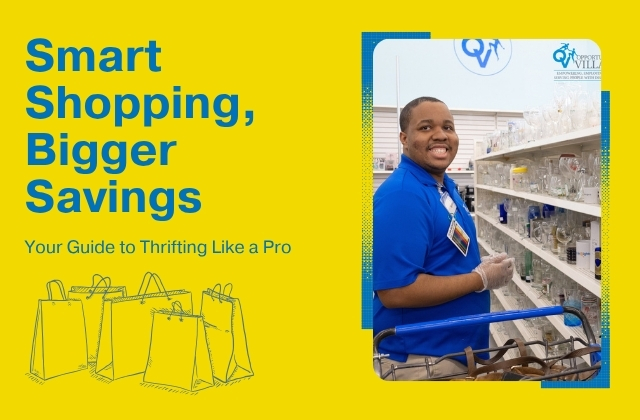
Beyond the label, inspect the construction. High-quality vintage items often feature French seams, metal zippers, and reinforced stitching. If a garment has loose threads, missing buttons, or significant fading, the profit margin shrinks drastically due to the labor required for restoration. Stick to items that are ready to ship or list immediately to maximize your return on investment.
When you find a potential hit, verify its current market value quickly. Use the eBay sold listings filter to see what similar items have actually sold for in the last 90 days, not just what sellers are asking. This data-driven approach prevents overpaying for items that look good but have low resale velocity. Prioritize brands with active communities, such as surfwear or streetwear labels, where buyers are willing to pay premiums for specific eras or designs.
Verify profit before buying
Most thrift store flipping for profit beginners make one fatal error: they buy based on what they think an item is worth, not what it actually sold for. This approach turns inventory into dead weight. To flip successfully, you must treat every purchase as a data-driven investment decision. Before you hand over cash, you need to confirm that the resale value exceeds the purchase price, platform fees, shipping costs, and your time.
Step 1: Find the item and note the details
Start by identifying the brand, model, size, and condition. High-end brands like Patagonia, Levi’s 501s, or Apple products have transparent market values. Generic items are harder to value. If the item is a vintage piece, look for maker’s marks or unique tags. These details are essential for the next step. Without accurate information, your search will yield irrelevant results.
Step 2: Search sold listings on eBay
Do not look at current "asking" prices. Asking prices are wishes; sold prices are facts. Open the eBay app or website and search for the exact item. Use the filter option to show "Sold Items" and "Completed Items." This reveals what buyers have actually paid in the last 30–90 days. For example, a North Face jacket listed for $50 might only sell for $35 if you look at the sold data. This step prevents you from overpaying for overvalued goods.
Step 3: Calculate your net profit
Subtract all costs from the average sold price. On eBay, this includes the 10–15% final value fee and payment processing fees. Add the cost of a shipping box, tape, and label. If you use a shipping service like Pirate Ship, you get discounted rates, but you still need to factor them in. If you buy a $10 item and it sells for $30, your gross profit is $20. After fees and shipping, your net profit might be only $8. Decide if that time investment is worth it. A good rule of thumb is to aim for at least a 3x markup to cover hidden costs.
Step 4: Decide buy or pass
If the math works, buy it. If the profit margin is thin or the item is hard to sell, pass. This discipline separates profitable flippers from hobbyists. You will encounter many items that look good but fail the profit test. Trust the data. Building a habit of verification ensures you build a profitable inventory rather than a cluttered garage.
Identify the brand, model, and condition. Note any unique tags or serial numbers.
Search eBay for the exact item and filter by "Sold Items" to see real market value.
Subtract fees, shipping, and cost of goods from the sold price. Aim for a 3x markup.

Buy only if the numbers work. Pass on items with thin margins or high risk.
List items on the right platform
Choosing where to list depends on the item’s category, condition, and target audience. Each platform has distinct fee structures, buyer demographics, and shipping requirements that impact your net profit. Matching the right product to the right marketplace is the difference between a quick sale and a stagnant listing.
Use the comparison below to decide which platform fits your inventory.
| Platform | Seller Fees | Best For | Shipping |
|---|---|---|---|
| eBay | 13.25% + $0.30 | Vintage, collectibles, high-value items | Buyer pays or free shipping |
| Poshmark | 20% on sales >$15 | Mid-range fashion, brand-name apparel | Flat rate provided by Poshmark |
| Depop | 10% + processing | Y2K, streetwear, unique vintage | Buyer pays or seller-paid option |
| Mercari | 10% + processing | General clothing, bundles, home goods | Discounted labels available |
eBay remains the go-to for high-value vintage or rare finds. Its auction format can drive up prices for unique pieces, but the 13.25% fee is higher than most alternatives. It also requires more detailed descriptions and photos to justify premium pricing.
Poshmark excels for mid-range brand-name clothing. The social aspect of sharing listings can boost visibility, but the 20% fee on items over $15 cuts into margins. It’s ideal for fast-moving fashion items where you can price competitively.
Depop attracts a younger, trend-focused audience. It’s the best platform for Y2K, streetwear, and eclectic vintage pieces. The lower 10% fee makes it attractive for high-volume sellers, but success depends on aesthetic presentation and active community engagement.
Mercari is versatile for general clothing and bundles. Its straightforward listing process and 10% fee make it a solid choice for items that don’t fit neatly into fashion niches. Discounted shipping labels help keep costs down for heavier items.
Start by listing one item on each platform to test visibility and speed of sale. Track your net profit after fees and shipping to determine which channel yields the best ROI for your specific inventory.
Avoid common flipping mistakes
Financial loss in thrift store flipping rarely comes from buying bad items; it usually stems from calculation errors and overlooked conditions. Treat every purchase as a data point. If the numbers don’t work before you reach the register, walk away. This discipline protects your margin against the hidden costs of fees, shipping, and time.
Ignoring condition reports
A stain, loose thread, or missing button can slash an item’s resale value by 50% or more. Buyers on platforms like Poshmark or eBay expect accurate condition descriptions. If you list a "good" item that arrives with a hidden flaw, you’ll face returns, negative feedback, and restocking fees. Always inspect seams, zippers, and fabric integrity thoroughly. When in doubt, disclose the flaw explicitly or skip the item.
Miscalculating fees and shipping
Your profit is what remains after fees. Platforms like eBay take roughly 13% of the total sale price, including shipping. PayPal or Stripe processors add another 2.9% + $0.30 per transaction. If you forget to account for these, you might think you made $10 on a $20 sale, but the actual profit is closer to $4. Always calculate your net profit margin before listing. Use a simple spreadsheet to track costs per item.
Shipping improperly
Improper packaging leads to damaged goods, which means refunds and lost inventory. Use sturdy boxes, not poly mailers, for heavy or structured items like denim jackets or boots. Wrap fragile accessories in bubble wrap. Label packages clearly and insure high-value items. A $500 vintage jacket damaged in transit wipes out weeks of profits. Treat packaging as part of the product quality.
Overpricing based on retail value
Never list an item at its retail price. Resale value is typically 20-40% of original retail, depending on brand and condition. Check sold listings on eBay or Poshmark to see what buyers actually paid. If comparable items sell for $15, listing at $30 will likely result in no sales. Price competitively to move inventory faster, freeing up capital for your next flip.
FAQs about thrift flipping
How much does it cost to start flipping thrift store items? You can launch a thrift store flipping business with as little as $50. This initial budget covers your first inventory haul and basic supplies like cleaning solutions, replacement tags, and shipping materials. Since the core strategy relies on finding underpriced items in local thrift stores rather than large-scale investments, your startup costs remain low. Reinvest your first profits to scale your inventory gradually.
How much time do I need to commit to flipping? Success in thrift flipping depends on consistent effort rather than hours logged. Most successful flippers dedicate 5–10 hours weekly to sourcing, verifying, and listing. The process follows a strict sequence: spend your first hour scouting stores for high-potential brands, the next hour verifying item conditions and researching market values, and the final hours managing listings on platforms like eBay or Poshmark. Consistency in this routine drives ROI.
What are the best items to flip for profit? Focus on categories with high demand and clear resale value. Mid-century modern furniture, vintage wall art, and high-quality branded clothing (like Patagonia or North Face) typically yield the highest margins. Avoid fragile or heavily damaged items unless you have specialized restoration skills. Always verify the brand and condition before purchasing to ensure the item will sell for more than its acquisition cost plus fees.
How do I handle returns or defective items? Thrift store flipping carries inherent risk since most items are sold "as-is." To mitigate this, thoroughly inspect every item for stains, tears, or missing parts before buying. When listing, provide detailed, honest descriptions and clear photos of any flaws. This transparency reduces return rates and protects your seller rating on platforms like eBay and Mercari. If a buyer disputes an item, document your inspection process to support your case.
Do I need a business license to flip thrift store items? In most jurisdictions, casual reselling of personal goods does not require a formal business license. However, if you scale to consistent monthly profits, you may need to register as a sole proprietorship or LLC for tax purposes. Consult local regulations regarding sales tax collection and income reporting. Keeping accurate records of your purchases and sales is essential for compliance and calculating your true profit margins.
No comments yet. Be the first to share your thoughts!