Start with the right gear
You don’t need an expensive toolkit to succeed at thrift store flipping for profit. In fact, the best part of this hobby is how accessible it is. With just a few inexpensive items, you can evaluate pieces accurately and avoid costly mistakes that eat into your margins. Think of your gear as your personal quality control team, working quietly in your pocket or bag.
Start with your smartphone. It is your most powerful tool. Install resale apps like eBay, Poshmark, or Depop so you can instantly check sold listings for similar items. If a vintage Levis jacket or a specific brand of kitchenware looks promising, a quick search tells you if it’s worth buying. Pair this with a small, bright flashlight to inspect seams, labels, and hidden stains that store lighting might hide. A lint roller is also handy for a quick visual check on clothing textures.

For a slightly more advanced setup, consider a portable steamer. It’s lightweight and lets you quickly refresh a wrinkled garment on the spot. If the fabric looks smooth and high-quality after a quick steam, it’s a good sign. These simple tools cost less than a single thrift store find but will save you from buying damaged or low-value items. Keep them ready so you can move fast when you spot a gem.
Spot valuable thrift store finds
Thrift store flipping for profit starts with training your eye to see potential where others see clutter. The goal isn’t to buy everything that looks nice, but to hunt for specific high-margin items that sell quickly. When you learn to recognize quality brands and condition, you turn a $5 tag into a $50 profit.
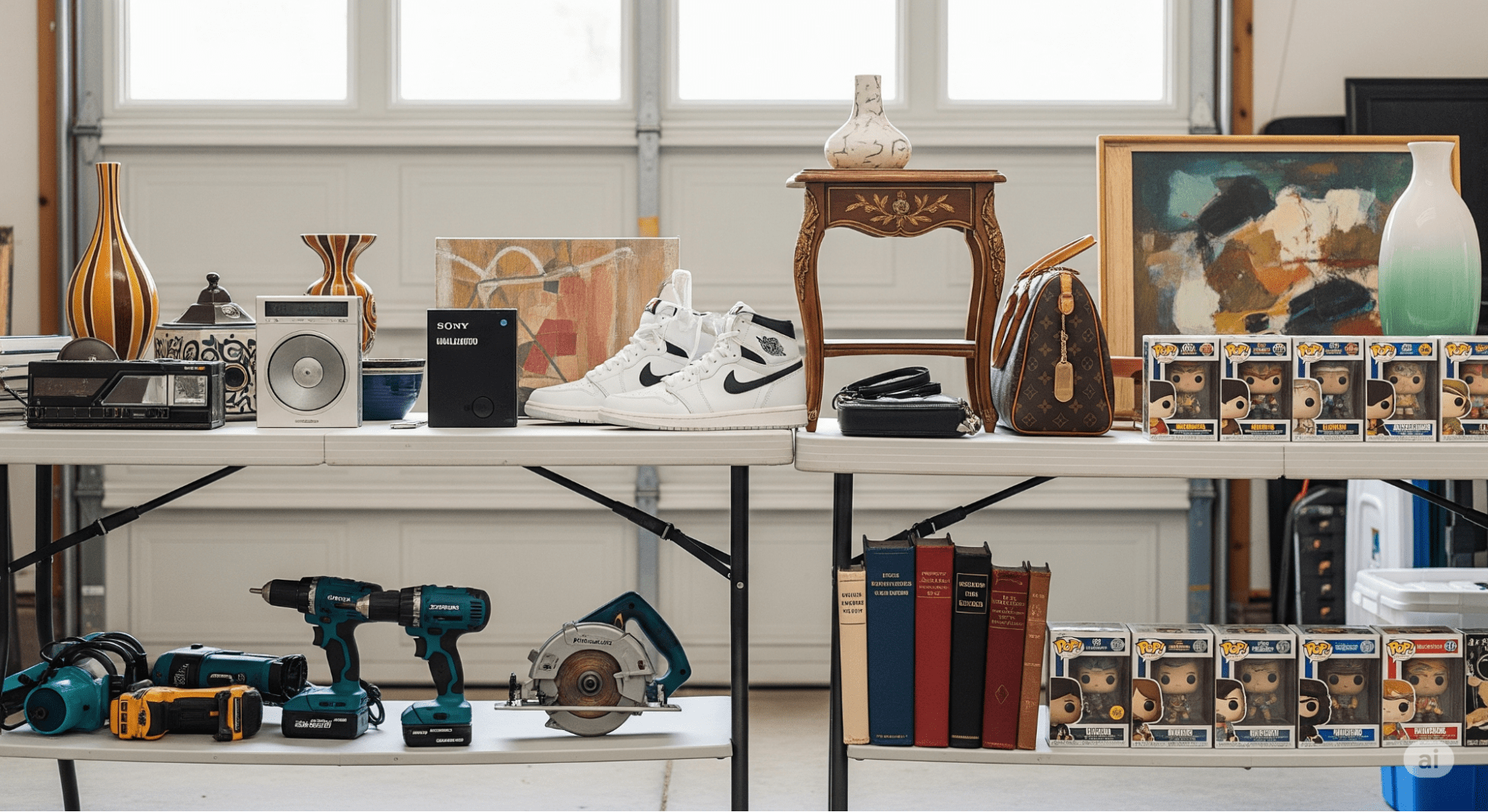
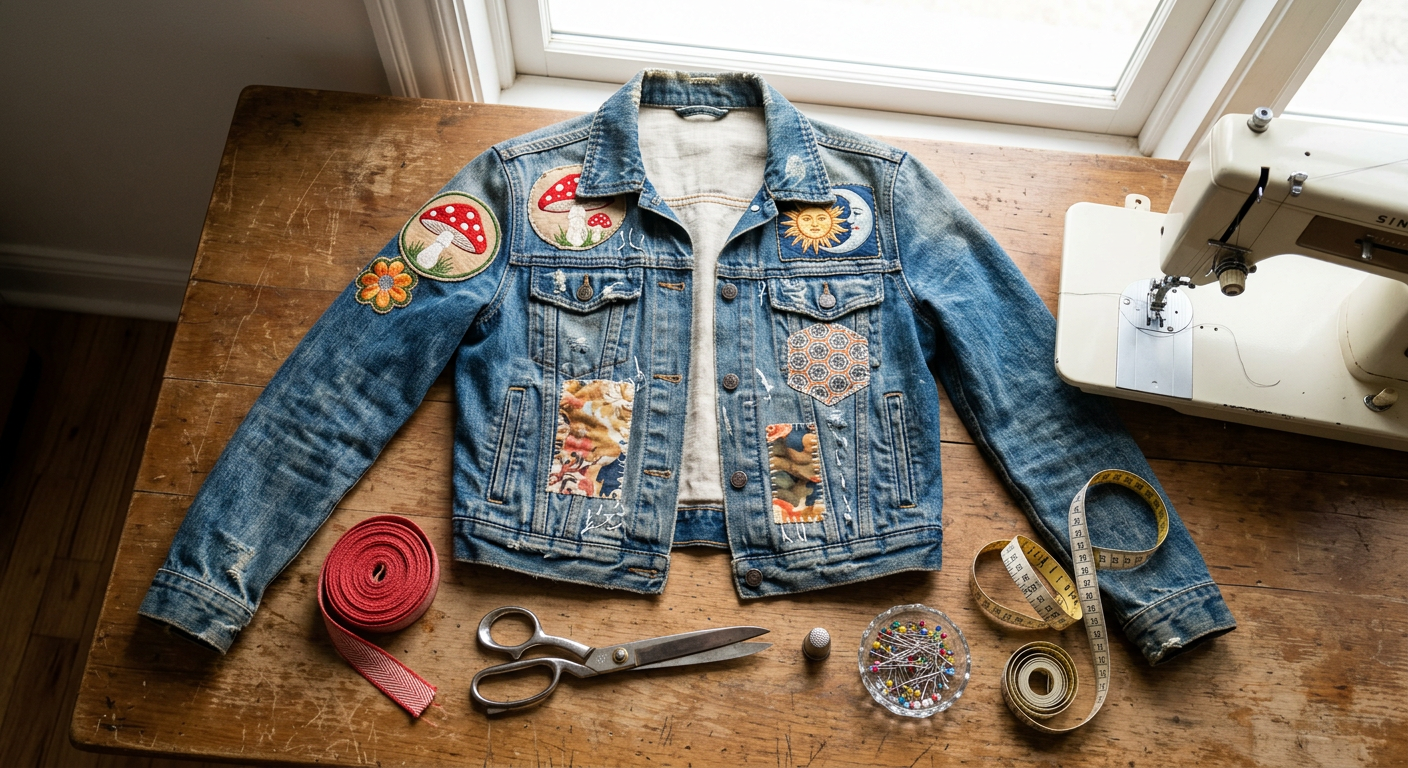
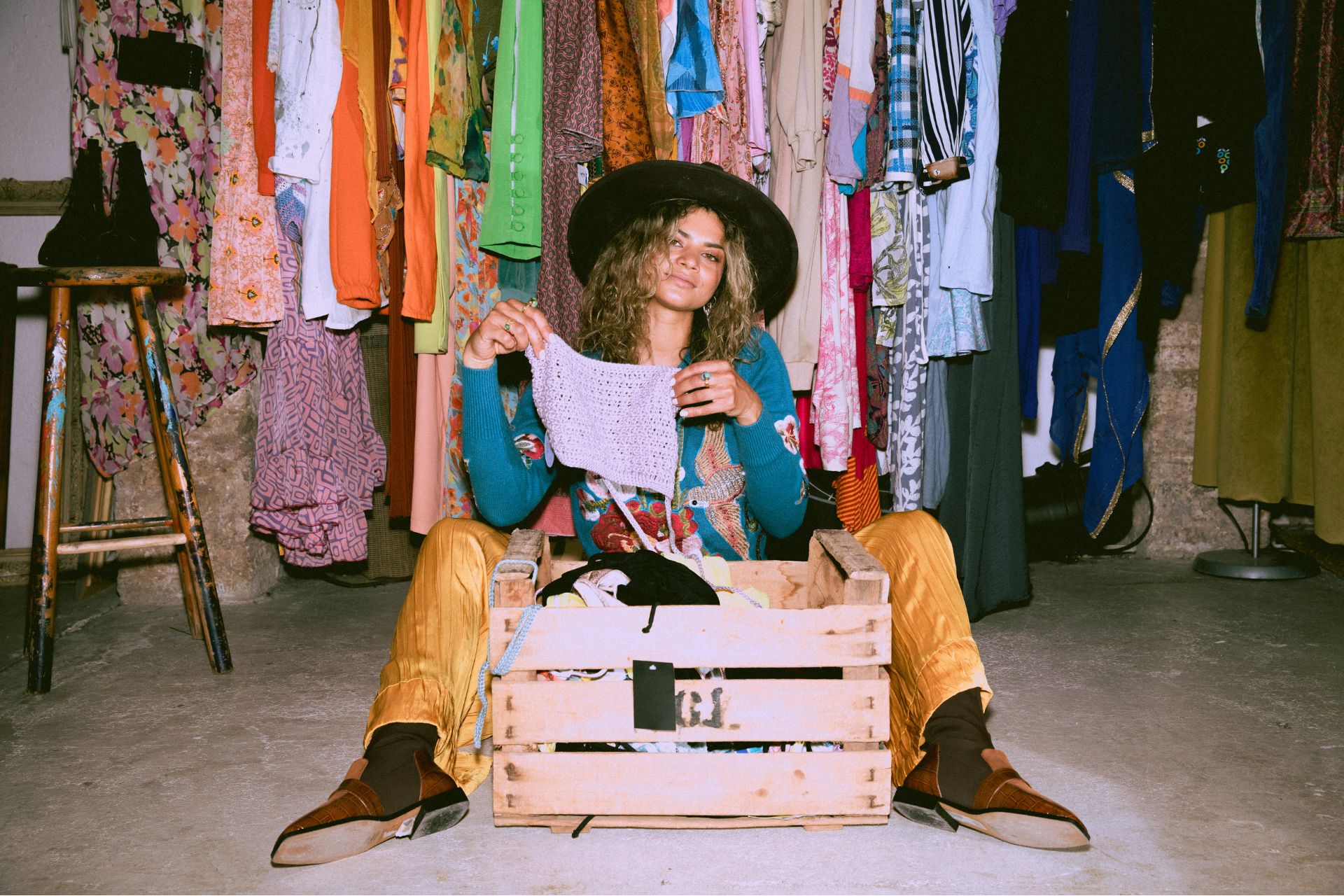
Focus your energy on vintage clothing and secondhand designer items. These categories often have the highest return on investment for beginners. You aren’t looking for fast fashion; you are looking for durability and brand recognition. A generic cotton t-shirt might sell for $5, but a vintage band tee or a well-made denim jacket can fetch $40 or more.
High-Value Targets
Look for these specific items to maximize your success:
- Vintage Band Tees: Authentic tour shirts from the 80s and 90s are highly collectible. Check for single-stitch hems and crisp graphics.
- Designer Handbags: Look for Louis Vuitton, Gucci, or Coach. Always check the date code and condition of the leather.
- Leather Jackets: Genuine leather (not faux) holds value well. Look for clean zippers and minimal scuffs.
- Wool Coats: Winter coats from brands like L.L. Bean or Pendleton are always in demand during colder months.
Condition Matters
Even a valuable item loses profit potential if it’s damaged. Check for:
- Stains or discoloration
- Missing buttons or zippers
- Unusual odors (smoke, mildew)
- Pilling or thinning fabric
If an item needs repairs, factor those costs into your profit calculation. Only buy items you are confident you can sell as-is or with minimal cleaning.
Quick Comparison: Generic vs. High-Value
| Item Type | Typical Thrift Price | Estimated Resale | Profit Margin |
|---|---|---|---|
| Generic Cotton Tee | $2.00 | $5.00 | 150% |
| Vintage Band Tee | $5.00 | $35.00 | 600% |
| Fast Fashion Dress | $3.00 | $8.00 | 166% |
| Designer Handbag | $10.00 | $60.00 | 500% |
Start by focusing on one category, like vintage tees or leather goods. Master that niche before expanding your search. The more you know about your chosen items, the faster you’ll spot the winners.
Verify authenticity and condition
Before you commit to buying a piece for your inventory, you need to be certain it is genuine and in sellable shape. In the world of thrift store flipping for profit, a fake or heavily damaged item is dead weight that eats up your capital and storage space. Taking five extra minutes to inspect an item now saves you hours of customer service headaches and refunds later.
Check stitching and logos
Start by examining the brand’s signature details. High-end labels pay attention to precision. Look for even, tight stitching with no loose threads or crooked seams. Logos should be crisp, centered, and free of peeling or fading. For example, a vintage Levi’s jacket should have red tab stitching that is straight and secure, while a designer handbag’s hardware should feel substantial, not light and hollow.
Look for date codes or serial numbers
Many brands use internal coding to verify age and origin. Handbags from brands like Coach or Louis Vuitton often have date codes or serial numbers stamped inside. Consult brand-specific guides to ensure the code matches the era of the item. If a serial number is missing on a piece that should have one, or if the font looks wrong, treat it as a red flag.
Inspect for stains or tears
Hold the item up to the light and check every angle. Look for underarm discoloration, collar stains, or faint water rings that might not be obvious in dim thrift store lighting. Check the inside seams for rips or previous repairs. Even small holes can significantly reduce resale value, so be honest about the condition before you add it to your cart.
Verify material tags
Finally, read the content labels. A garment labeled "100% Silk" should feel smooth and drape softly, not stiff like polyester. Mismatched materials are a common sign of counterfeits or mislabeled items. If the tag says "Leather" but the texture feels plastic-like or the smell is chemical, put it back. Authentic materials are a key selling point for buyers willing to pay top dollar.
Examine seams for evenness and logos for crispness. Look for loose threads or peeling prints that indicate poor quality or counterfeits.
Locate internal stamps or tags. Verify that codes match the brand’s historical formatting to confirm the item’s age and authenticity.
Check under bright light for hidden discoloration, holes, or weak seams. Ensure there are no previous repairs that detract from value.
Read content labels and compare them to the item’s feel and weight. Mismatched materials often signal counterfeits or mislabeled goods.
Price items for maximum profit
The biggest mistake new thrift store flippers make is looking at what people are asking for an item, rather than what it actually sold for. Asking prices are just wishes; sold listings are the truth. If you price based on asking prices, you will likely end up with items that sit in your garage for months.
To price your thrift store finds correctly, you need to check completed or sold listings on platforms like eBay, Poshmark, or Mercari. This gives you a realistic idea of what buyers are actually willing to pay right now. For example, a vintage Levi’s jacket might be listed for $50, but if similar jackets sold for $30 last week, that’s your real market value. Aim to price your items slightly below the average sold price to encourage a quick sale, especially when you’re just starting out.
Here is a simple way to calculate your profit margin before you even buy the item. Take the expected sold price and subtract the platform fees (usually around 10-15%), shipping costs, and your purchase price. If the number left over is at least $5–$10, it’s usually worth flipping. This simple check ensures that every item you bring home from the thrift store adds to your bottom line rather than becoming a storage burden.
List and ship your items
Now that you’ve sourced your finds, it’s time to turn them into sales. Thrift store flipping for profit relies heavily on presentation and speed. A well-photographed listing with clear measurements builds trust, while efficient shipping keeps your seller metrics high and your customers happy.
Good photos sell items. Use natural daylight near a window, not harsh direct sun. Photograph every angle, including logos, tags, and any flaws. For clothing, lay items flat or use a mannequin to show fit. Clear images reduce return requests and build confidence for buyers who can’t touch the fabric.
Be honest and specific. Include brand, size, material, and exact measurements (pit-to-pit, length, inseam). Note any stains, holes, or missing buttons. Buyers appreciate transparency. If an item is vintage, mention the era or style characteristics that make it unique.
Research sold listings on your chosen platform to see what similar items actually sell for, not just what they are listed at. Price slightly higher to allow for offers, but stay within market range to avoid stagnation. Quick sales are often more profitable than waiting for a peak price.
Use sturdy boxes or padded mailers. Include a thank-you note or a small freebie to encourage positive reviews. Ship within 1-2 business days to maintain good seller metrics. Accurate tracking numbers keep both you and the buyer informed.
Respond promptly to messages. If a buyer requests a return, follow platform policies fairly. Positive feedback boosts your visibility and trust score, making future flips easier to sell.
Common thrift store flipping mistakes to avoid
Even with low startup costs, it is easy to lose money on thrift store flipping for profit if you skip a few crucial checks. The margin you think you have on paper often disappears once you account for fees, shipping, and unexpected repairs. Here are the most common traps beginners fall into and how to sidestep them.
Overpaying for condition issues
It is tempting to grab a vintage Levi’s jacket or a mid-century chair because you see the potential. However, if an item requires significant cleaning, reupholstering, or structural repair, those costs eat directly into your profit. Always inspect for stains, missing buttons, broken legs, or rust before you reach for your wallet. If the repair cost is high, walk away. The goal is to buy items that are ready to sell or need only minor touch-ups.
Ignoring shipping costs and fees
Many new flippers calculate their profit based only on the item’s purchase price and the estimated selling price. This is a mistake. You must factor in platform fees (like eBay’s 13% or Mercari’s 10%), payment processing fees, and the cost of shipping materials and postage. A $20 dress might sell for $40, but after fees and a $15 shipping label, your profit is negligible. Use the eBay sold listings to check the final price buyers actually paid, not just the asking price.
Buying clutter instead of quality
Thrift stores are full of low-value items like mismatched mugs, generic decor, or outdated electronics. These items often sell for pennies on the dollar or not at all. Focus on brands, materials, and timeless styles that have a proven resale market. Stick to categories you know well, such as designer handbags, specific vintage brands like L.L. Bean or Patagonia, or solid wood furniture. Avoid buying "just because it’s cheap" unless you are certain you can move it quickly.
Your thrift flipping checklist
Before you head out, open your phone and search for the item you want to flip on eBay or Poshmark. Filter by "Sold Items" to see what people are actually paying, not just what sellers are asking. This quick check prevents you from buying something that won't move.
In the store, keep your eyes sharp. Check for stains, broken zippers, or missing buttons on clothing. For brands like Patagonia, Nike, or vintage Levi's, inspect the tags and stitching to verify authenticity. If it's furniture, wiggle the legs and check for structural damage. A small flaw can kill your profit margin.
Once you buy it, don't just toss it in a box. Clean the item thoroughly, take clear photos in good light, and list it immediately. Speed matters—listings that go up within 24 hours of purchase often sell faster. Treat your shopping trip like a targeted hunt, not a casual browse.
-
Check sold listings for price validation
-
Inspect for stains, tears, or missing parts
-
Verify brand tags and authenticity marks
-
Clean and photograph before listing
Frequently asked questions about thrift store flipping
Starting a side hustle with thrift store flipping for profit is less about having a big budget and more about having a sharp eye. Here are the most common questions beginners ask before making their first purchase.
No comments yet. Be the first to share your thoughts!