Start with the right gear
You don’t need a warehouse or a professional scanning station to begin thrift store flipping. Your smartphone is likely the most powerful tool in your kit. Before you head out, ensure it has a reliable resale scanning app installed to check sold listings in seconds. This helps you distinguish between a pretty vintage find and a profitable flip. Pair this with a small, bright flashlight; thrift store lighting is often dim, and good light reveals stains, tears, or missing buttons that the eye might miss in shadow.
Inexpensive accessories make the process smoother. Bring a sturdy tote bag or collapsible cart to carry your haul without strain. A lint roller and fabric steamer spray are wise additions, allowing you to quickly assess if a garment needs minor grooming before you commit. This saves you from taking home items that require expensive restoration.
For listing, a plain white sheet or light-colored wall works perfectly as a backdrop. Avoid busy backgrounds that distract from the item. The goal is to present the product clearly, letting the quality of the thrift store find speak for itself.
Use your phone’s resale app to check the sold price of items directly on the rack. This immediate data helps you decide if the thrift store price allows for a healthy profit margin after fees and shipping.
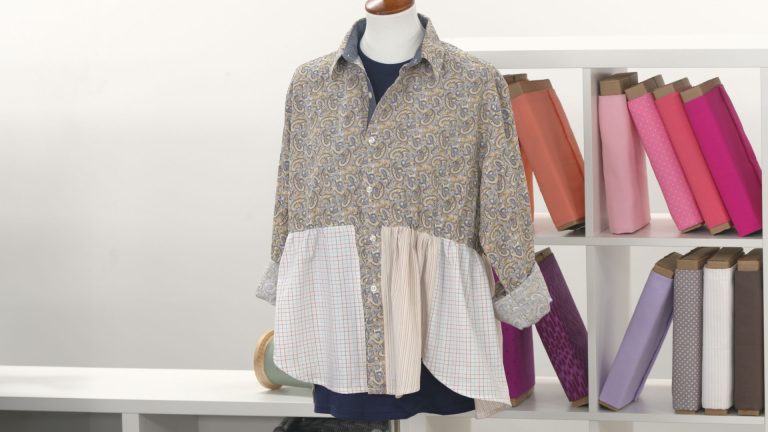
Check seams, zippers, and fabric integrity. Look for hidden stains or odors. A quick lint roll or steam test can reveal if an item is ready to sell or needs repair.
Scan shelves for high-value brands
Finding profit in a thrift store is less about luck and more about pattern recognition. You are looking for specific visual cues that signal quality materials, brand prestige, or vintage rarity. When you walk the racks, your eyes should filter out the noise and lock onto logos, tags, and fabric textures that tell a story of value.
Start by scanning for established heritage brands. Labels like Ralph Lauren, Levi’s, and L.L. Bean are reliable indicators of durable construction and consistent resale demand. A vintage Levi’s red tab or a Ralph Lauren orange label often commands a premium because collectors and casual buyers alike trust these names. Don’t overlook mid-century modern furniture or high-quality baskets; these items often have timeless appeal and lower competition than clothing.
Beyond the logo, check the fabric and construction. Cashmere, silk, and heavy-weight denim are your friends. A simple button-down shirt might look ordinary at a glance, but if it’s 100% cotton with reinforced stitching, it’s worth a closer look. You’re not just buying an item; you’re buying the potential margin between the thrift store price and what someone else will pay online.
Keep your eyes open for designer collaborations or limited editions. These items often sell out quickly in retail stores and can fetch high prices on secondary markets. If you spot a unique piece from a brand like Nike, Adidas, or a high-end designer, don’t hesitate. These are the items that can turn a $5 find into a $50 sale.
Verify condition and authenticity
Before you bag an item, you need to be sure it’s worth the flip. Thrift store flipping for profit relies on buying low and selling high, but that margin disappears fast if you end up with damaged goods or fakes. Think of this step as your quality control checkpoint. A quick, thorough inspection protects your wallet and ensures you aren’t buying dead stock.
1. Check seams, zippers, and fabric integrity
Start with the physical structure. Run your fingers along seams to find loose threads, splits, or weak points that might unravel after washing. Check zippers to ensure they glide smoothly without catching. For fabric, hold the item up to the light to spot thinning areas, holes, or stains that might not be obvious in dim thrift store lighting. Even small flaws can be deal-breakers for buyers on platforms like Poshmark or Depop.
Pull gently at stress points like armholes and pockets. Test every zipper and button. If a seam is split or a zipper sticks, walk away unless you have the skills to repair it cheaply.
Look for discoloration, pilling, or thinning fabric. Hold the garment up to a light source to reveal holes or stains that blend into the background color.
2. Inspect tags and labels for brand clues
Tags are your first clue to the item’s identity. Look for the main brand label inside the neck or waistband. Check care tags for material composition; natural fibers like cotton, wool, or silk often hold value better than cheap synthetics. If the brand is unfamiliar, note the style and material. Sometimes, generic items in excellent condition with high-quality materials can still be profitable flips, especially if they are trendy or vintage-style.
3. Verify authenticity markers for luxury items
If you spot a luxury brand like Gucci, Louis Vuitton, or Chanel, authenticity is non-negotiable. Counterfeits are common in thrift stores. Check for specific markers: serial numbers, heat stamps, stitching quality, and hardware weight. Luxury brands have distinct fonts and placement for their logos. If something feels off—like a logo that’s slightly crooked or hardware that feels lightweight—do not buy it. When in doubt, use a reputable authentication service before purchasing, or skip the item entirely to avoid losing money on a fake.
Quick Inspection Checklist
-
Seams are tight with no loose threads
-
Zippers glide smoothly without catching
-
No holes, stains, or thinning fabric
-
Brand label is clear and intact
-
Care tag indicates quality materials
-
Luxury items have verified authenticity markers
Choose the Right Platform for Your Items
Not every marketplace suits every find. Matching your item to the right audience is the difference between a quick sale and a listing that gathers digital dust. Some platforms thrive on fast-moving fashion, while others reward niche collectibles or vintage home goods.
Compare Top Marketplaces
Use this comparison to decide where to list your inventory. Each platform has distinct fee structures and buyer expectations that directly impact your profit margins.
| Platform | Best Audience | Seller Fees | Best Item Types |
|---|---|---|---|
| Poshmark | Fashion shoppers | 20% on sales over $15 | Brand-name clothing, shoes, accessories |
| eBay | Bargain hunters & collectors | ~13% + payment processing | Electronics, vintage, rare collectibles |
| Depop | Gen Z & vintage lovers | 10% per sale | Y2K fashion, streetwear, unique vintage |
Positioning for Visibility
Once you’ve picked a platform, treat your listing like a storefront window. Clear, well-lit photos are non-negotiable. Buyers want to see condition details, tags, and any flaws upfront to build trust.
Write descriptions that include specific brand names, materials, and measurements. Generic titles like "Nice Blue Shirt" get lost in search results. Instead, use keywords buyers actually search for, such as "Vintage Levi’s 501 Jeans Size 32." This specificity helps your item appear in relevant searches and attracts serious buyers willing to pay top dollar.
Final Checklist Before Listing
Before you hit publish, run through this quick checklist to ensure your listing is optimized for sales:
-
Take photos in natural light against a neutral background.
-
Measure the item and include dimensions in the description.
-
Disclose any stains, tears, or missing buttons clearly.
-
Research similar sold listings to price competitively.
-
Include relevant keywords in your title and tags.
Avoid common flipping mistakes
Protecting your profit margin is just as important as finding the right items. Even the best thrift store finds can become losses if you overlook hidden flaws or misjudge the market. By steering clear of these three common pitfalls, you keep your resale business healthy and profitable.
1. Ignoring Hidden Damage
Always inspect items for stains, tears, missing buttons, or broken zippers before buying. A small defect can make an otherwise perfect vintage jacket unsellable or require costly repairs that eat into your margin. For example, a designer handbag with a cracked strap or a Levi’s jacket with a broken zipper is often better left on the rack. If you buy damaged goods, you are buying a project, not inventory.
2. Overpaying for "Brand Name"
Seeing a recognizable label like Nike, Coach, or Ralph Lauren doesn’t automatically mean high resale value. Condition and rarity drive prices. If you pay $20 for a worn-out graphic tee just because it has a logo, you will struggle to sell it for a profit. Stick to your pricing rules: if you can’t sell it for at least three times what you paid, walk away. Never let brand hype override your margin calculations.
3. Mispricing Items
Underpricing kills your business, while overpricing leaves items sitting in your storage bin. Research sold listings on eBay or Poshmark to find the current market rate. If you list a gently used Patagonia fleece for $150 when similar items sell for $80, it won’t move. Use data, not guesswork, to set competitive prices that reflect the item’s true condition and demand.
No comments yet. Be the first to share your thoughts!