Spot high-value vintage clothing brands
Most thrift store flippers lose money because they chase vague "name brands" instead of specific vintage lines. Profit comes from identifying manufacturers who used higher-quality materials and construction methods before the late 1990s. These specific brands hold value because they are durable, recognizable, and often outperform modern equivalents in both comfort and longevity.
Focus your eye on four core categories that consistently drive high margins: Levi's, Nike, Ralph Lauren, and Carhartt. Each has distinct eras and tags that signal higher resale potential. Learning to read these tags is the difference between finding a $2 gem and a $50 flip.
Levi's is the gold standard for vintage denim. Look for the red tab on the back pocket, which indicates production before 1971. Post-1971 Levi's use white tabs or no tabs. For higher value, check the interior waistband for the "batwing" tag (pre-1971) or the "big E" logo (pre-1971). These early tags signify authentic vintage quality that commands premium prices on resale platforms.
Nike vintage apparel, particularly from the 1980s and 90s, is highly sought after. Look for the classic "swoosh" logo without the "Nike" text, or the "tubular" swoosh. Vintage Nike windbreakers, track suits, and graphic tees with bold, retro typography sell well. Avoid modern Nike items unless they are limited collaborations; standard current stock depreciates quickly.
Ralph Lauren (and its sub-brands Polo, Chaps, and Lauren) is a reliable source for vintage polos and sweaters. The key is the tag. Vintage Ralph Lauren items often feature the "Polo Bear" or the classic "Polo Player" logo. Look for items made in the USA or with "100% Cotton" tags, as these indicate higher quality construction. The "Big Pony" logo on jackets from the 90s is also a strong seller.
Carhartt workwear has transitioned from utility gear to streetwear staple. Vintage Carhartt jackets, particularly the Detroit Jacket and Double-Front Pants, hold value well. Look for the "Made in USA" tag, which indicates superior construction compared to modern overseas production. The color and wear pattern also matter; faded, worn-in Carhartt brown or navy items often sell for more than pristine, new-looking ones because they have character.
When scanning shelves, prioritize these brands. Ignore generic logos or modern fast-fashion brands that lack historical significance. Your time is better spent verifying the authenticity and era of these high-value items than browsing through low-margin clothing.
Inspect seams, tags, and fabric quality
Before you reach for your credit card, treat every item like a potential liability. A single flaw can turn a $5 find into a $5 loss if it requires expensive repairs or fails to attract buyers. This inspection takes thirty seconds but protects your profit margin.
Verify resale value using sold listings
Before you buy, you must validate the market demand. An item’s tag price is irrelevant; only what someone has actually paid matters. This step prevents you from overpaying for vintage brands that look good but sit unsold for months.
Start by searching the item’s specific details on eBay. Filter the results by "Sold Items" and "Completed Items" to see historical data. Ignore "Ask a question" or "Want it" counts, as these do not represent closed transactions. Look for items in similar condition to your find.
The table below illustrates how to calculate profit margins using a common vintage Levi's 501. Notice the difference between what sellers hope to get and what the market actually delivers.
| Condition | Asking Price | Sold Price | Est. Margin |
|---|---|---|---|
| New with tags | $150 | $95 | Low |
| Good vintage wear | $80 | $65 | Medium |
| Heavy distressing | $45 | $35 | Low |
Check Poshmark for clothing items, as its user base often pays higher prices for trendy, name-brand pieces. Search the brand and style, then filter by "Sold." If an item has sold multiple times recently, demand is high. If it has been "marked down" repeatedly without a sale, avoid it.
Cross-reference these prices with your local thrift store tags. If a Levi’s jacket sells for $60 online but costs $8 at the thrift store, you have a strong flip opportunity. If it costs $15 and sells for $20, the risk is too high. Always prioritize items with a clear, proven sales history.
Choose the right platform for your item
Your profit margin depends heavily on where you list. A generic t-shirt might move quickly on Mercari, but a rare 1990s Nike windbreaker will fetch a premium on Grailed or eBay. Matching the item’s niche to the right marketplace ensures you reach buyers actively searching for that specific style.
Branded casual wear and everyday vintage thrive on Poshmark. The app’s social features help items gain visibility through shares and offers, making it ideal for mid-range brands like Lululemon, Madewell, or classic denim. eBay remains the powerhouse for rare vintage, designer pieces, and collectibles where auction-style listings can drive up the final price. Grailed is the go-to for high-end streetwear and contemporary fashion, catering to a buyer base willing to pay top dollar for authenticity and condition.
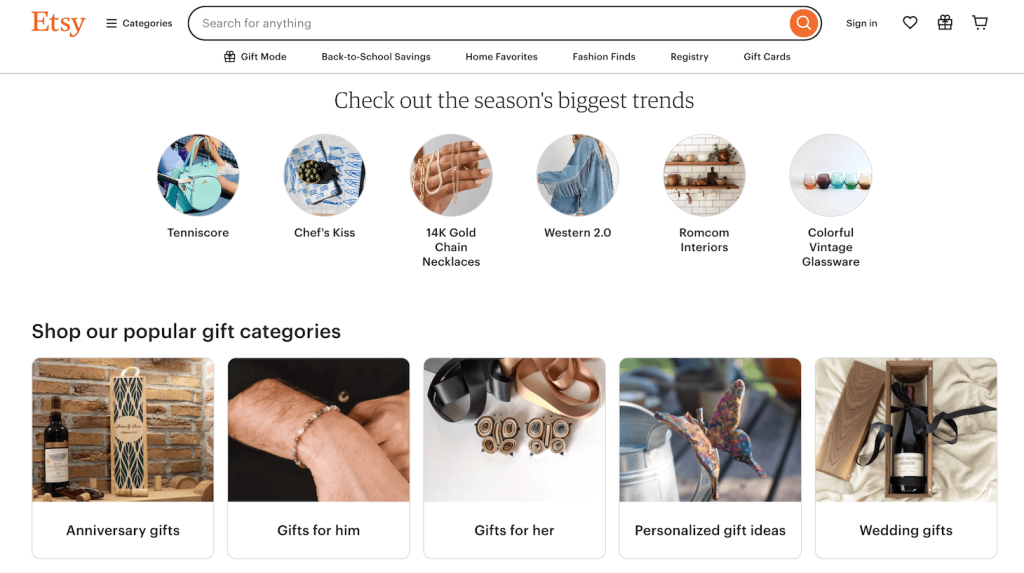
Avoid listing everything on every platform. It splits your attention and can lead to lower prices due to lack of focused marketing. Start with one or two platforms that align with your current inventory. Once you understand the fees, shipping requirements, and buyer expectations of those sites, you can expand to others. This focused approach helps you build a reputation and streamline your workflow.
Avoid common flipping mistakes
The margin between a profitable flip and a storage unit loss often comes down to a few specific oversights. New flippers frequently fall for the "vintage" trap, buying items that look old but hold little resale value, or they misread fabric blends that shrink or fade after the first wash. Every dollar spent on a bad purchase is a dollar that cannot be used for a verified winner.
The biggest profit killer is ignoring the full cost of doing business. A $5 Levis jacket might sell for $40, but if shipping eats $12 and your time isn’t accounted for, the margin collapses. Always calculate your net profit after fees, shipping, and supplies before you commit to a buy.

Check the care label inside every garment. Natural fibers like 100% cotton, wool, or silk generally hold value better than synthetic blends. If the label is missing, assume it’s a lower-value blend unless you can identify the fabric by touch and weight.
Look closely at stitching, logos, and hardware. High-end vintage brands like Levi’s, Pendleton, or Ralph Lauren have specific tag styles and construction methods that changed over the decades. If the logo looks slightly off or the stitching is uneven, it’s likely a modern replica with no resale value.
Before buying, quickly estimate your final sale price minus platform fees (usually 15-20%) and shipping. If the item doesn’t leave you with at least $10-15 in net profit after all costs, skip it. Volume matters, but only if each item contributes to the bottom line.
Thrift Flipping Checklist for Beginners
Before you reach for your wallet, run through this quick verification sequence. This checklist ensures you only buy items with verified resale value, protecting your profit margin from the start.
- Bring a tape measure: Verify dimensions match standard shipping boxes or furniture clearance needs. Oversized items often kill profits due to shipping costs.
- Inspect for stains and odors: Check armpits, collars, and hems under bright light. Any permanent stain or musty smell is an immediate reject.
- Verify brand tags: Look for specific vintage labels like Pendleton, Levis (red tab), or Ralph Lauren. Generic brands rarely yield high returns.
- Check sold prices: Use the eBay app to scan barcodes or search sold listings. Only buy if the item has sold recently for at least 3x the thrift store price.
- Calculate profit margin: Subtract the thrift price, shipping materials, and platform fees (approx. 15-20%). If the net profit is under $5, skip it.
Follow this process every time to build a disciplined buying habit. Consistency in verification beats luck in finding treasure.
Use a tape measure to confirm the item fits standard shipping dimensions or furniture clearance requirements. Oversized pieces often incur prohibitive shipping fees that erase your profit margin.
Examine seams, zippers, and fabric under bright light. Look for hidden stains, loose threads, or structural weakness. Any defect that requires professional repair should disqualify the item.
Search sold listings on eBay or Poshmark to verify current market demand. Only purchase if the item has sold recently for at least three times the thrift store price, ensuring a healthy net profit after fees.
Frequently asked questions about thrift flipping
How much money do I need to start?
You can begin flipping with as little as $50 to $100. This starting capital covers your initial inventory and basic shipping supplies. Experienced flippers often report earning $2,000–$3,000 monthly by reinvesting profits into higher-value items rather than seeking large upfront investments.
What is the best platform to sell thrift finds?
The best platform depends on your item type. Clothing and accessories sell best on Depop, Poshmark, and eBay. Furniture and home decor often command higher margins on Facebook Marketplace or local pickup groups. Compare commission rates and shipping ease before committing to a single channel.
How do I spot fake vintage brands?
Check the stitching, fabric composition, and brand labels closely. Authentic vintage items often feature specific construction techniques or tags that differ from modern reproductions. Look for signs of natural wear and high-quality materials rather than generic, mass-produced finishes.
Is thrift flipping a reliable side hustle?
It is a viable side hustle, but it requires consistent effort and market knowledge. Success relies on finding underpriced items quickly and understanding resale values. Treat it as a business with inventory management and profit tracking to ensure long-term profitability.
No comments yet. Be the first to share your thoughts!