Pick your selling platform
Choosing the right marketplace for your inventory is the first step in maximizing profit. The platform you select dictates your fees, your audience, and how much work you do before a sale happens. A luxury handbag belongs on a curated site, while a bundle of fast-fashion tees sells better on a bulk consignment app.
The following comparison breaks down four major platforms based on their fee structures and ideal inventory types. Use this to match your specific items to the correct venue.
How to match items to platforms
Start by sorting your closet into three piles: luxury, trendy/vintage, and everyday basics.
- Luxury items: Send these to The RealReal or Vestiaire Collective. The high commission is worth it for the authentication guarantee and access to high-net-worth buyers.
- Trendy or Vintage: Use Depop or Poshmark. These platforms rely on social engagement. You need to take good photos and write catchy descriptions to stand out.
- Everyday Basics: If you have dozens of plain t-shirts, jeans, or kids’ clothes that aren’t designer brands, use ThredUp. Their "Clean Out Kit" lets you mail everything in one go, saving you hours of photography and listing time.
Quick checklist for platform selection
-
Check fee structures: Calculate your net profit after the platform’s cut and payment processing fees.
-
Assess your time: Do you have hours to photograph and list items (Poshmark/Depop), or do you want to mail a bag and forget it (ThredUp)?
-
Verify authentication needs: High-value items (> $500) often benefit from platforms that offer authentication services to build buyer trust.
-
Review payout schedules: Some platforms hold funds for 7–14 days after delivery; others pay out weekly. Plan your cash flow accordingly.
Source valuable thrift finds
Finding high-value inventory in physical thrift stores is a skill that relies on speed, knowledge, and discipline. You are looking for items that have already been validated by the market, not just trendy pieces that might sit unsold. Focus on three specific areas: brand recognition, fabric quality, and condition.
Identify the brand
Start by scanning for recognizable labels. Established brands like Lululemon, Patagonia, North Face, and vintage Levi’s hold value because buyers trust their durability and style. If you don’t recognize the logo, check the inside care tags. Some brands, like Everlane or Reformation, have distinct typography or fabric composition tags that signal higher resale potential. If the brand is obscure, it is likely worth less unless it is a rare vintage piece.
Check the fabric
Natural fibers generally resell better than synthetics. Look for 100% cotton, wool, silk, or linen. These materials age well and are less likely to pill or lose shape. Avoid polyester blends unless the item is a specific performance piece from a known technical brand. Fabric quality is a strong indicator of how long the item will last for the next owner, which directly impacts its resale price.
Inspect for damage
Even a high-end item loses value if it is damaged. Check for stains, holes, missing buttons, or broken zippers. Look closely at the underarms and collars for yellowing or odor, which are difficult to remove. If you find an item with minor flaws, ask if the store offers a discount. Sometimes, a small price drop can make a damaged item profitable if you can repair it yourself.

Authenticate and inspect items
Before listing, verify that every piece is genuine and accurately described. Buyers expect items to match the photos and condition notes exactly. Skipping this step invites returns and damages your seller reputation.
Verify authenticity
For high-value brands like Nike, Gucci, or Supreme, authenticity is non-negotiable. Check stitching, logos, and hardware against official brand references. If you are unsure, use a third-party authentication service or consult expert communities before listing. Selling counterfeit items can lead to account bans and legal issues.
Inspect for flaws
Examine every garment under good lighting. Look for stains, holes, pilling, or fading. Check zippers, buttons, and seams to ensure they function properly. Even minor defects should be photographed clearly. Transparency builds trust and reduces the likelihood of disputes.
Document condition
Take photos of any imperfections alongside the main product shots. This visual proof protects you if a buyer claims the item arrived in worse condition than described. Accurate documentation is your best defense in case of a return request.
Research brand-specific details like tag styles, font weights, and material compositions. Use official brand websites or trusted authentication guides to compare against your item.
Inspect seams, hems, and fabric for wear. Test all closures and look for hidden stains under arms or collars. Note any issues immediately.
Take clear, well-lit close-ups of any flaws. Include these in your listing gallery so buyers see exactly what they are purchasing.
Photograph and list your inventory
Good photography and clear descriptions are the difference between a listing that sits in limbo and one that sells. Buyers cannot touch or try on the clothes, so your photos must replace the physical inspection. Start by clearing a clean background and using natural light to show the true colors and fabric texture. Avoid harsh shadows or cluttered rooms that distract from the item.
1. Photograph the garment
Take at least five photos for each item. Capture the front, back, and both sides. Include a close-up of the fabric texture, the brand label, and any unique details like buttons or patterns. If there are flaws, such as a small stain or a loose thread, photograph them clearly. Transparency builds trust and prevents returns. Use the Steps component below to visualize this workflow.
Iron or steam the item to remove wrinkles. Lay it flat or hang it on a plain hanger against a neutral wall. Ensure the lighting is bright and even.
Take a full-front shot, a back shot, and side profiles. Get close-ups of the neckline, cuffs, and hem. Include a photo of the size tag and brand label.
Photograph any signs of wear, such as pilling, fading, or small tears. This honesty reduces the chance of disputes or returns later.
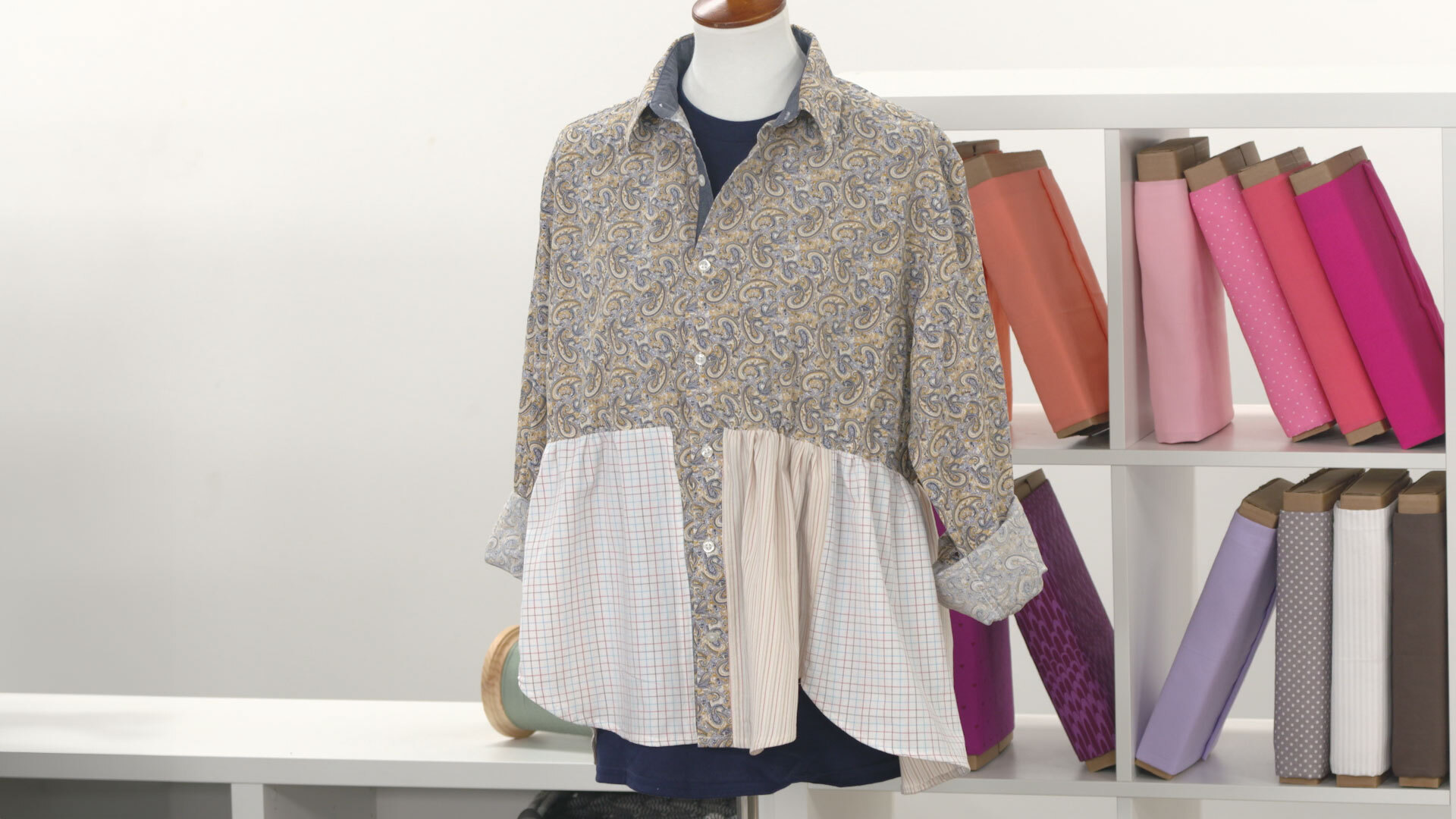
Check that all images are in focus and well-lit. Upload them in order of importance, with the best full-body shot first.
2. Write an SEO-friendly description
Your listing title and description help buyers find your item. Include the brand, item type, color, size, and material. For example, instead of "Nice blue shirt," use "Levi's Women's Size M Blue Denim Button-Down Shirt." This specificity helps your listing appear in relevant search results.
3. Provide accurate measurements
Even if the item says it is a "Medium," sizes vary widely between brands. Measure the chest, waist, hips, and length of the garment using a tape measure. List these numbers in your description. This step is especially important for vintage clothing or items from brands with inconsistent sizing.
4. Set a competitive price
Research similar items that have already sold on your chosen platform. eBay and Poshmark offer sold listing filters to see what buyers actually paid. Price your item slightly higher if you want room for negotiation, or price it firmly if you want a quick sale. Remember to factor in platform fees and shipping costs when setting your final price.
5. Choose the right platform
Different platforms attract different buyers. eBay is good for individual items and vintage pieces. Poshmark is popular for trendy, contemporary fashion. Depop appeals to a younger audience looking for unique or streetwear styles. Start with the platform that best matches your inventory style.
6. List and monitor
Once your listing is live, monitor it for questions or offers. Respond promptly to buyer inquiries to build trust. If an item isn't selling after a few weeks, consider adjusting the price or refreshing the listing with new photos. Patience and consistency are key to building a successful reselling business.
Handle shipping and customer service
Efficient shipping and responsive customer service are critical for maintaining a high seller rating. Use sturdy packaging to protect garments during transit, and include a thank-you note or business card to encourage repeat customers. Respond to buyer messages within 24 hours to resolve any questions or concerns quickly. Prompt communication builds trust and can lead to positive reviews, which boost your visibility on the platform.
No comments yet. Be the first to share your thoughts!