Find the best thrift stores near me
The most profitable flips rarely come from the nearest chain donation center. They come from stores that are one step behind the resale market. You need to map out your local inventory sources by looking for specific operational patterns, not just proximity. A store that receives donations daily and rotates shelves twice a week offers higher turnover potential than one that restocks monthly.
Start by identifying stores with high foot traffic but low curation. These locations often suffer from "donor fatigue," where staff are overwhelmed by volume and misprice high-value items like vintage glassware, branded outerwear, or solid wood furniture. Look for non-profits with smaller budgets for marketing; they rely on walk-ins and rarely list inventory online, leaving digital resellers to scoop up undervalued goods.
Use a local directory to pinpoint these hidden gems. The map below highlights top-rated thrift stores in your area. Cross-reference these locations with community boards or Facebook groups where locals discuss "bin diving" or bulk lot sales. These secondary channels often reveal the stores that are clearing out entire rooms, offering bulk pricing that dramatically improves your profit margins.
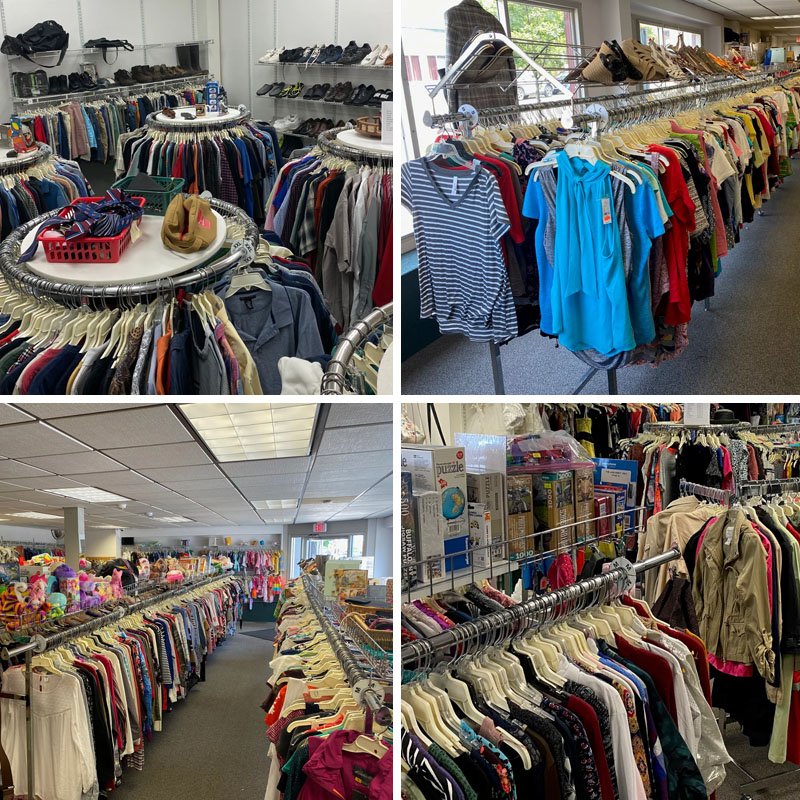
Timing your visits is as critical as choosing the right store. Most thrift stores restock on specific days, often right after the weekend donation surge. Arriving early on these restock days gives you first pick of the new inventory. If you miss the morning rush, late afternoon can also be fruitful as staff clear out items that didn't sell during the day, sometimes marking them down for quick disposal.
Spot valuable thrift store finds
The difference between a bad purchase and a profitable flip is spotting the details most shoppers ignore. When you walk into a local thrift store, you are looking for items with high margins and low acquisition costs. The goal is simple: find something for $2 or $3 that sells for $20 or more online. This requires a trained eye for quality, brand recognition, and condition.
Recognize high-margin clothing brands
Not all clothing flips well. Fast fashion items like H&M or Zara rarely hold value unless they are vintage. Focus on brands known for durability and recognizable logos. Look for Levi’s, Patagonia, North Face, L.L. Bean, and Carhartt. For designer pieces, stick to items in pristine condition with original tags or minimal wear, such as Coach, Michael Kors, or vintage Chanel. Always check the fabric content; natural fibers like wool, cotton, and silk generally resell better than synthetic blends.
Identify vintage and unique pieces
Vintage items often command higher prices because they are unique and no longer manufactured. Look for specific eras like 90s streetwear, 70s boho, or 80s athletic wear. Unique patterns, bold colors, and distinct logos from these decades are hot sellers. If an item has a label that says "Made in USA" or "Made in Italy," it often indicates higher quality construction and a better resale price. Condition is critical; even vintage items with stains, holes, or fading will be hard to sell.
Check condition and completeness
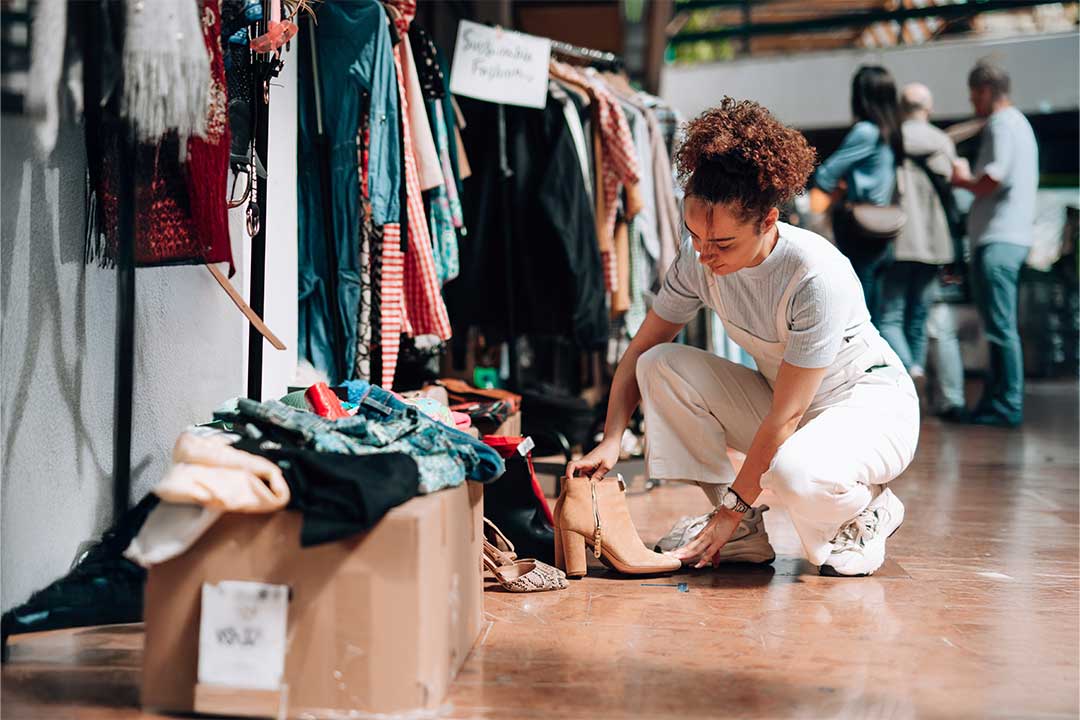
Before buying, inspect every item thoroughly. Look for hidden stains, missing buttons, broken zippers, or pilling fabric. For electronics or appliances, test them if possible. For collectibles, ensure all parts are present. A complete set or a pristine item will always sell faster and for a higher price than a damaged one. If you have to spend time repairing or cleaning an item, factor those costs into your profit margin calculation.
Compare potential profit margins
Use this table to quickly estimate potential profits for common thrift store categories. Prices are averages and vary by location and brand.
| Item | Store Price | Resale Price | Margin |
|---|---|---|---|
| Designer Jeans | $5-10 | $30-60 | 500% |
| Vintage T-Shirt | $2-5 | $20-40 | 800% |
| Branded Jacket | $8-15 | $50-100 | 600% |
| Home Decor | $1-3 | $15-30 | 900% |
How to resell clothes online effectively
Thrift Store Flipping for Profit works best when the purchase path is explicit. Verify the source, compare the offer against real alternatives, check the total cost, and confirm what happens after payment before you decide. After each comparison, write down the one risk that would change your mind. If the seller, condition, support, warranty, shipping, or upkeep still feels uncertain, resolve that question before moving to checkout.
-
Verify the sellerCheck reputation, included details, delivery terms, and return policy before treating the listing as credible.
-
Compare total costAdd shipping, accessories, maintenance, warranty, and likely replacement costs to the listed price.
-
Confirm fitMatch the option to the real use case before paying for features that will not matter.
Common mistakes new flippers make
Thrift store flipping for profit relies on the gap between a bargain basement price and the item’s true market value. New resellers often erode that margin before they even scan the barcode. The most frequent errors are predictable, but avoiding them separates consistent earners from those who end up with garage-sale clutter.
Overpaying without checking comps
Buying an item because it looks good in the store is a fast way to lose money. You need to verify what similar items actually sold for recently, not just what sellers are asking. If you are bidding or buying in person, a quick search on eBay’s completed listings or Poshmark sold items takes thirty seconds and saves you from overpaying. Never buy an item at thrift store prices that is already close to its resale value; you need room for shipping fees, platform commissions, and unexpected repairs.
Ignoring hidden condition issues
A pristine exterior can hide significant flaws. Stains that aren’t visible under store lighting, missing buttons, broken zippers, or strong odors can turn a profitable flip into a loss. Always inspect seams, check for holes, and look for signs of wear in high-friction areas. If an item requires professional cleaning or minor repairs, factor those costs into your initial purchase decision. If you can’t confidently assess the condition, walk away.
Choosing poor shipping options
Shipping costs can eat up your entire profit, especially for bulky or heavy items. New flippers often choose the cheapest option without verifying dimensions, leading to surprise fees or damaged goods. Measure your items accurately and compare rates across carriers. For heavier items, consider local pickup options or regional buyers to reduce shipping expenses. Proper packaging materials are also an investment; cheap boxes that break in transit result in refunds and negative feedback.
Frequently Asked Questions About Thrift Store Flipping
Is thrift store flipping legal?
Yes, buying items from thrift stores to resell is a legal business activity. However, you must respect the store’s policies. Some charities explicitly prohibit commercial reselling or limit the number of items you can buy at once. Violating these rules can lead to being banned from the location. Always check the store’s website or ask staff about their resale policies before you start shopping.
Do I need a business license or permit?
Most local governments require a business license or a seller’s permit if you are making a profit. You may also need to collect and remit sales tax on your online sales. Check with your city or county clerk’s office to understand your local obligations. Operating without the proper permits can result in fines that eat into your margins.
How much profit should I aim for per item?
Aim for a profit margin that justifies your time and effort. Many successful resellers target at least a 2x markup (100% profit margin) to cover fees, shipping, and time. If an item won’t net you at least $5–$10 after platform fees and shipping costs, it might not be worth the trip. Focus on high-margin items like vintage clothing or mid-century modern decor.
What are the best items to flip for profit?
Focus on categories with high demand and low supply in thrift stores. Top performers include vintage furniture, brand-name apparel, signed books, and collectible toys. Research current market prices on eBay or Poshmark before buying. Avoid items that are heavy, bulky, or difficult to ship, as these costs can destroy your profit margin.
Can I make a full-time income from flipping?
Yes, but it requires treating it like a serious business. Successful full-time resellers often spend 20–40 hours a week sourcing, listing, and shipping. You need to scale your operations by visiting multiple stores, using automation tools, and diversifying your sales platforms. It is not a passive income stream; it is active, hands-on work.
How do I find the best thrift stores near me?
Location is key to finding undervalued inventory. Use online maps to find thrift stores in affluent neighborhoods, as they often have higher-quality donations. Look for stores that are less tourist-heavy and have high foot traffic from locals. Visiting less popular stores can reduce competition and increase your chances of finding hidden gems.
No comments yet. Be the first to share your thoughts!