Spotting high-value vintage labels
The difference between a $5 thrift store find and a $50 resale item often comes down to the label inside the collar. Generic "name brands" sold in modern department stores rarely hold value in the vintage market. Instead, you are looking for specific heritage labels, discontinued lines, and era-specific tags that signal quality construction and brand prestige.
Start with the "Big Four" of vintage denim and outerwear: Levi’s (specifically Red Tab era post-1971), Wrangler, Schott, and Harley-Davidson. However, not all Levi’s are equal. A pair of 501s from the 1980s is common, but a pair from the 1950s with a single red tab and a curved "H" on the back pocket can command a premium. Similarly, Schott NYC jackets, particularly the Perfecto motorcycle style, retain value due to their durable leather and American manufacturing heritage.
Beyond denim, look for technical outerwear from brands like L.L. Bean, Eddie Bauer, and early North Face. These items were built for durability, not fast fashion. The 1990s saw a surge in high-quality fleece and down jackets from these heritage brands. Check for original logos and patches; faded logos can sometimes be less desirable than crisp, original prints.
Authentication is your primary profit driver. Learn the evolution of logos. For example, the Champion "C" logo changed designs multiple times. A vintage 1980s Champion reverse weave hoodie with the correct logo and tag style is highly sought after. Similarly, Ralph Lauren Polo shirts from the 1980s and early 90s, especially those made in the USA, are valuable. Look for the "Polo" script logo and the specific stitching details on the collar.
When you find these labels, don't assume they are in perfect condition. Minor flaws like loose threads or slight fading can be acceptable for vintage buyers who appreciate patina. However, major stains, holes, or missing buttons will drastically reduce your margin. Always inspect the armpits, collars, and hems for wear. If the label is intact and the construction is solid, you have a high-margin item ready for resale.
Top 5 Clothing Categories for Resale
Not every thrift store find yields a profit. The highest returns come from specific garment types where supply remains high in secondhand markets but demand on resale platforms stays consistently strong. Focusing on these five categories helps flippers maximize return on investment by targeting items with proven liquidity and margin potential.
1. Vintage Denim
Denim is the backbone of the resale market. Brands like Levi’s, Wrangler, and Lee from the 1970s through 1990s hold value because of their durable construction and timeless appeal. Look for specific tags: Levi’s 501s with red tabs, Wrangler western cuts, or Lee Riders. Authenticity matters—check for reinforced stitching, metal buttons, and accurate branding. These items often sell for $30–$80 depending on condition and rarity, far exceeding the $2–$5 thrift store cost.
2. Vintage Sportswear
Athletic wear from major brands like Nike, Adidas, and Champion, especially from the 1980s and 1990s, commands premium prices. Vintage sweatshirts, track jackets, and jerseys with retro logos or college team affiliations are particularly sought after. The key is identifying original tags, vibrant prints, and brand-specific details like Nike’s Swoosh evolution or Adidas’ three-stripe placement. These items often resell for $40–$100+, driven by nostalgia and streetwear trends.
3. Workwear and Outerwear
Durable workwear brands like Carhartt, Dickies, and Filson are built to last and remain in high demand. Vintage Carhartt jackets, especially those with original labels and minimal wear, can fetch $50–$150. Dickies work pants and shirts are also popular for their utilitarian aesthetic. Look for heavy-duty fabrics, reinforced knees, and authentic branding. These items appeal to both practical buyers and fashion-conscious consumers seeking a rugged look.
4. Retro Graphic Tees
T-shirts with vintage band logos, movie posters, or event graphics from the 1980s and 1990s are highly collectible. Brands like Hanes, Fruit of the Loom, and Russell Athletic are common, but the graphic design drives value. Authenticity is confirmed by print quality, fabric feel, and tag details. Popular subjects include rock bands, classic films, and sports teams. These tees can resell for $30–$100+, depending on rarity and condition.
5. Designer and Luxury Accessories
While not clothing, accessories like scarves, belts, and small leather goods from brands like Coach, Gucci, and Louis Vuitton offer high margins. Vintage scarves with distinctive patterns or logos are particularly profitable. Check for authenticity markers like serial numbers, stitching quality, and material composition. These items often resell for $50–$200+, making them excellent low-volume, high-margin flips.
| Category | Avg. Thrift Cost | Avg. Resale Value |
|---|---|---|
| Vintage Denim | $2–$5 | $30–$80 |
| Vintage Sportswear | $3–$7 | $40–$100+ |
| Workwear & Outerwear | $3–$6 | $50–$150 |
| Retro Graphic Tees | $2–$5 | $30–$100 |
| Designer Accessories | $5–$10 | $50–$200+ |
Essential tools for authenticating vintage
Counterfeit vintage items are the silent killer of profit margins. A fake designer bag or a misattributed vintage tee might look convincing at first glance, but savvy buyers on platforms like eBay or Poshmark will spot the flaws. Returns, negative feedback, and lost inventory costs quickly erase the margin you worked to build. Authentication is not just about integrity; it is a risk management tool that protects your bottom line.
To verify authenticity, you need to look beyond the logo. High-quality fakes often copy the label perfectly but fail on construction details. You need a set of reliable tools to inspect these finer points before you commit to a purchase or list an item.
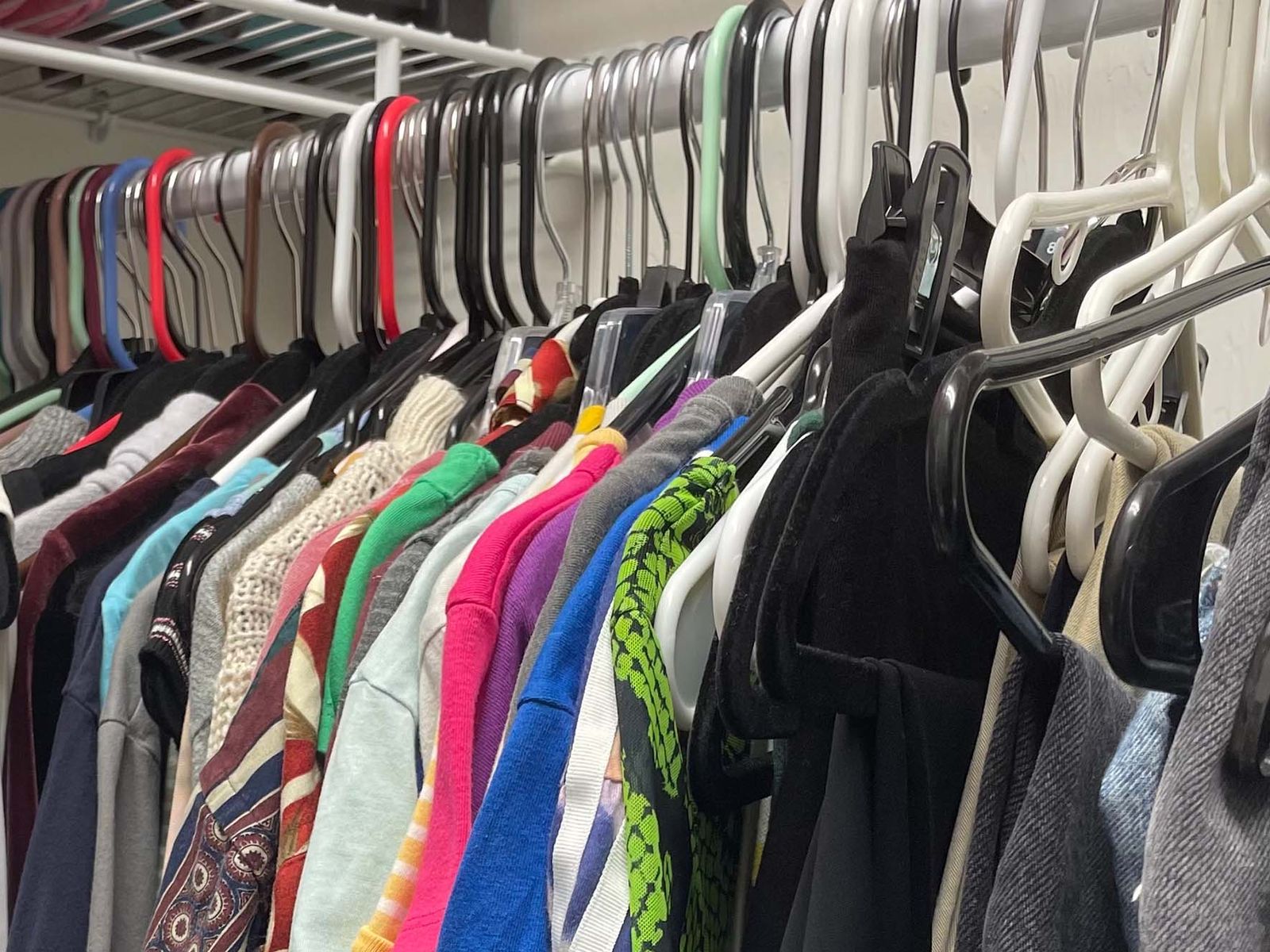
Look for uneven stitching, loose threads, or glued seams instead of stitched ones. Authentic vintage items, particularly from brands like Levi’s or Ralph Lauren, use consistent, high-tension stitching. Irregularities here are a major red flag for counterfeits.

Examine zippers, buttons, and buckles for branding. Authentic items often feature branded hardware like YKK, Talon, or Riri zippers. Cheap, unmarked metal that feels lightweight or tarnishes easily suggests a lower-quality reproduction.
Feel the fabric weight and texture. Vintage items often use natural fibers like 100% cotton, wool, or silk, which have a distinct hand-feel compared to modern synthetic blends. Check for care labels that match the era of the garment; a 1970s shirt with a modern polyester blend is likely a fake or a later reprint.
A simple 10x loupe can reveal print quality and fabric weave details invisible to the naked eye. Authentic vintage prints have slight imperfections and color variations, while fakes often have overly sharp, digital-looking prints. This tool helps you spot subtle discrepancies in logos and patterns.
Investing in these basic authentication tools pays for itself with a single avoided return. By catching counterfeits early, you ensure that every item you flip contributes positively to your ROI, maintaining a strong seller reputation and higher long-term earnings.
Best platforms for selling vintage clothes
Choosing the right marketplace is the final, most critical step in the flipping equation. A garment’s true value is often determined by where it is listed, as each platform attracts a different buyer demographic with distinct price tolerances. Listing a 1990s Nike windbreaker on eBay might yield a modest return, while the same item on Depop could command a premium from streetwear collectors. The goal is to match the item’s aesthetic and brand recognition to the platform where that audience is most active.
To compare the primary options, consider the following breakdown of fees, audience, and ideal product types.
| Platform | Seller Fees | Primary Audience | Best For |
|---|---|---|---|
| eBay | ~13% + payment processing | Global, broad | Rare vintage, branded sportswear, and high-ticket items like designer handbags |
| Poshmark | 20% flat commission | Fashion-forward, social shoppers | Mid-tier brands (J.Crew, Madewell) and contemporary vintage |
| Depop | 10% flat fee | Gen Z, streetwear enthusiasts | Y2K aesthetics, unique streetwear, and trendy vintage pieces |
| Mercari | 10% flat fee | General bargain hunters | Bulk lots, less recognizable brands, and quick sales |
eBay remains the heavyweight for authentication and high-value transactions. Its robust buyer protection and global reach make it the default choice for rare finds, such as a 1980s Levi’s 501 or a vintage Ralph Lauren polo. However, the listing process is more labor-intensive, requiring detailed measurements and high-resolution photography to justify higher price points. The 13% fee structure is higher than some competitors, but the final sale price often compensates for it when targeting serious collectors.
Poshmark and Depop offer a more social, streamlined experience. Poshmark’s 20% fee is steep, but its built-in social features—like sharing listings to parties—can drive visibility for mid-range vintage brands. Depop, with its lower 10% fee and Instagram-like interface, is particularly effective for Y2K and streetwear items. If you are flipping a vintage Fila track suit or a graphic tee from the early 2000s, Depop’s audience is more likely to pay a premium for the aesthetic than a generalist marketplace.
For sellers looking to streamline the logistics of flipping, having the right tools on hand can significantly impact efficiency and presentation. These essential supplies help maintain item quality and ensure professional delivery.


As an Amazon Associate, we may earn from qualifying purchases.
Ultimately, the best platform depends on your inventory. Start by listing one or two items on each major platform to test visibility and sale speed. Track which platform yields the highest net profit after fees and shipping costs, then double down on that channel for future flips. This data-driven approach ensures you are not leaving money on the table by listing high-value items on platforms with lower buyer intent.
Research sold listings to price vintage brands
Thrift store flipping isn't about guessing what an item is worth; it's about verifying what buyers have actually paid. To price items competitively yet profitably, you need to shift your focus from the asking price on eBay or Depop to the "sold" or "completed" listings. These records reveal the true market value, stripping away the noise of unsold inventory and inflated expectations.
Start by searching for the specific brand, era, and condition of your find. For example, if you spot a 1990s Ralph Lauren polo, search for "Ralph Lauren polo sold" and filter by date. Look at the last 20-30 sales to establish a baseline. If most sold within a $15-$20 range, pricing at $25 might deter buyers, while $12 leaves money on the table. This data-driven approach prevents underpricing your high-margin finds and overpricing items that sit stagnant.
Platform selection also dictates your pricing strategy. eBay's global reach often commands higher prices for rare vintage pieces, while Depop favors trendy, streetwear-adjacent items at slightly lower price points. Consider the fees: eBay takes around 13%, while Depop charges 10%. Factor these into your margin calculations to ensure the net profit justifies the effort. Authentication plays a similar role; verified authentic items from brands like Levi's or Nike can often be priced at a premium because they reduce buyer risk. By anchoring your prices in real transaction data, you turn intuition into a repeatable, profitable system.
Common mistakes new flippers make
The margin on a vintage Levi’s 501 or a Patagonia fleece is often determined by what you didn’t notice before buying. New flippers frequently underestimate the hidden costs of authentication, cleaning, and minor repairs. These expenses can turn a promising find into a loss if you don’t account for them in your initial offer.
Buying damaged goods without calculating repair costs
A small stain or missing button might seem trivial, but professional cleaning or restoration can eat up 20-30% of your potential profit. Always inspect seams, zippers, and fabric integrity before bidding. If an item needs significant work, either negotiate a lower price or walk away. The goal is to buy items that are ready to sell or require only minimal, low-cost intervention.
Misidentifying eras and brands
Authenticity drives value. A 1990s Nike windbreaker is worth significantly more than a generic modern replica. Learn to read tags, logos, and stitching details. Misidentifying a brand or era leads to overpaying for items that the market doesn’t value. Use reliable authentication guides and cross-reference multiple sources to verify the item’s origin before committing to a purchase.
Neglecting platform selection
Selling on the wrong platform can kill your profit margin through fees or lack of visibility. Vintage Levi’s might sell best on eBay or specialized vintage shops, while contemporary streetwear might move faster on Grailed or Depop. Understanding where your specific niche buyers hang out ensures you reach the right audience and minimize listing fees.
Frequently Asked Questions About Flipping Profitability
Is thrift store flipping actually profitable? Yes, but margins depend on your sourcing accuracy. Flippers typically report monthly profits between $2,000 and $3,000 by targeting specific high-demand vintage brands rather than random items. The ROI is driven by the spread between low thrift prices and established resale values on platforms like eBay or Poshmark.
What specific vintage brands yield the highest margins? Focus on established labels with strong secondary markets. Levi’s 501 jeans, Ralph Lauren polos, and vintage Nike windbreakers consistently command premium prices. Authentication is critical here; genuine vintage pieces from the 1980s and 1990s often sell for significantly more than modern reproductions, making brand verification the primary profit driver.
How much capital do I need to start? You do not need significant upfront investment. Many successful flippers start with under $100, using that budget to acquire a small batch of items to test the market. The key is reinvesting initial profits into higher-ticket vintage pieces, such as designer handbags or rare denim, which offer better per-item margins than low-cost accessories.
No comments yet. Be the first to share your thoughts!