What makes a thrift find profitable
2026 thrift flipping requires more than just luck; it demands a strategic eye for value. While the concept of buying low and selling high is simple, success relies on recognizing specific market signals rather than hoping for a hidden treasure. The core mechanics involve identifying items that are undervalued in their current setting and moving them to a marketplace where buyers are willing to pay their true worth.
The first pillar of profitability is brand recognition. Certain labels carry immediate weight in the resale market. When you spot a vintage Levi’s jacket, a classic Coach handbag, or a piece of Mid-Century Modern furniture, you aren't just seeing an old item—you're seeing a known quantity. Buyers search for these specific names, which creates built-in demand. Without that brand recognition, you are left hoping a random buyer will appreciate the item's aesthetic, which is a much harder sell.
Condition is the second, equally critical factor. A pristine vintage t-shirt is worth significantly more than one with stains or fading. Minor flaws can drastically reduce the resale price, so learning to spot wear and tear is essential. You aren't just buying an object; you are buying a restoration project or a ready-to-sell asset. Understanding the difference between "good" and "excellent" condition helps you calculate your potential profit margin before you even reach the checkout counter.
Finally, rarity plays a role, but it shouldn't overshadow brand and condition. A common item from a top-tier brand in perfect shape will often sell faster and for more money than a rare item from an unknown maker in poor condition. Focus on building your eye for quality and recognized labels first. As you gain experience, you'll start to notice patterns in what sells, turning what looks like random chance into a repeatable business model.
Vintage denim that sells fast
Vintage denim is a cornerstone of the resale market because the materials and construction methods used decades ago simply don't exist in modern fast fashion. When you find heavy-weight cotton, selvedge edges, or specific brand tags, you are looking at a product with built-in scarcity.
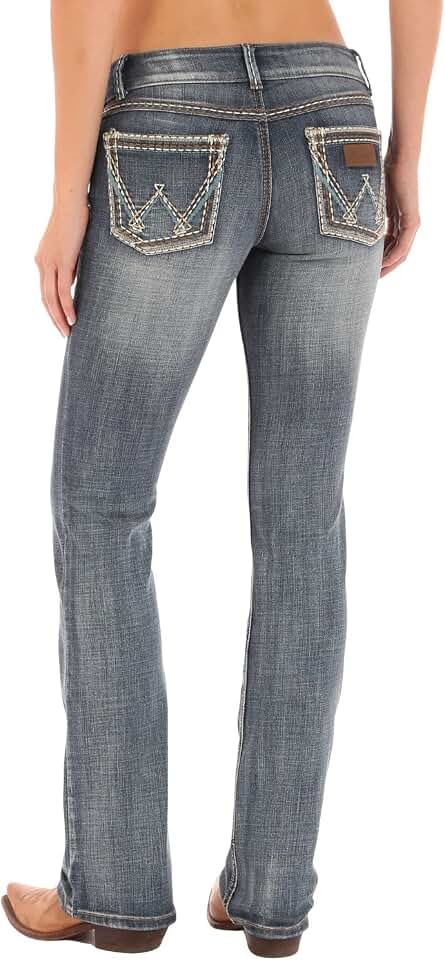
Levi's and Wrangler are the most reliable entry points for new flippers. Levi's 501s, particularly those with red tabs or leather patches, are instantly recognizable and command steady prices. Wrangler, especially from the 70s and 80s, offers a rugged aesthetic that appeals to the same vintage market. Look for tags that indicate age: single-stitch hems, copper rivets, and specific pocket stitching patterns are clear indicators of authenticity.
Condition matters, but minor distressing can actually add value if it looks natural. Avoid items with large holes, faded white patches, or odors that won't wash out. A quick inspection of the waistband and inner seams will tell you if the garment has been well-loved or poorly maintained.

As an Amazon Associate, we may earn from qualifying purchases.
Patagonia and North Face
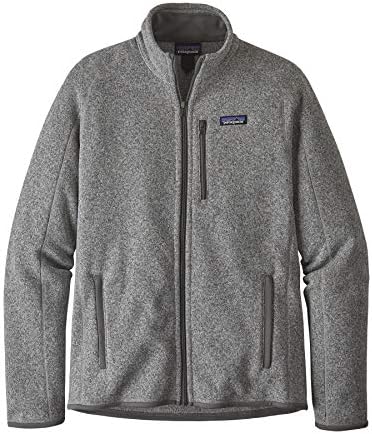
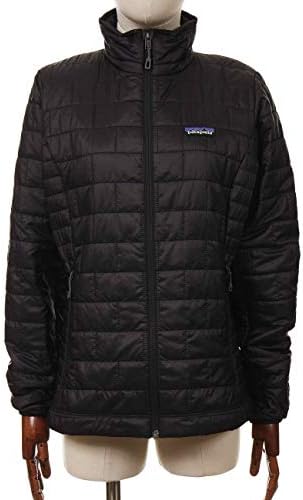
Technical outdoor gear is one of the safest bets in the resale market. Brands like Patagonia and The North Face built their reputations on durability, meaning their fleece jackets and hard shells hold up well to years of wear. This resilience makes condition less of a dealbreaker compared to delicate fabrics or structured tailoring. You can often find pieces with minor pilling or small stains that are easily cleaned or ignored, then resell them at a significant markup.
The resale market for these items is robust because outdoor enthusiasts prioritize function over fashion trends. A well-loved Patagonia Better Sweater or a North Face Nuptse jacket remains desirable regardless of the current season. This steady demand ensures that your flipping efforts aren't tied to fleeting style cycles, providing a more predictable profit margin.
To help you gauge potential returns, here are some popular items often found in thrift stores and their current market presence.

As an Amazon Associate, we may earn from qualifying purchases.
Workwear Staples from Carhartt and Dickies
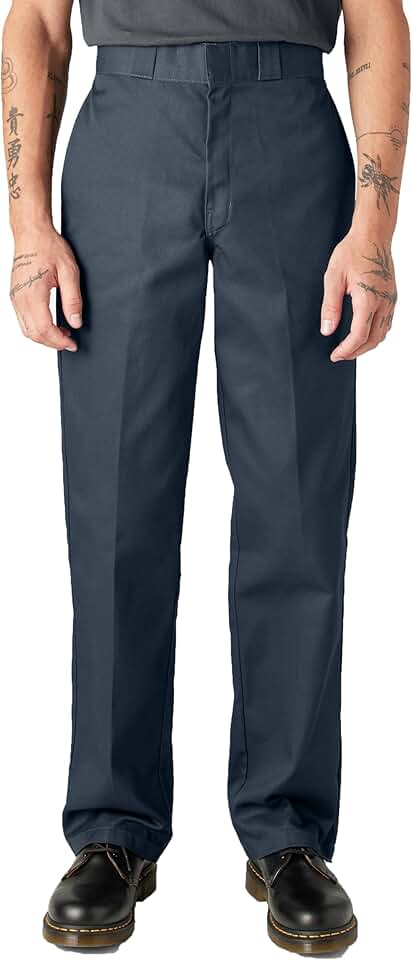
Durable workwear remains one of the most reliable categories for sourcing inventory. Brands like Carhartt and Dickies are built to last, meaning you are far less likely to find rips, stains, or worn-out seams compared to fast-fashion alternatives. This structural integrity ensures that even secondhand items retain significant value and appeal to buyers looking for longevity.
The resale demand for these items is consistent because they serve both functional and aesthetic purposes. Whether it is a classic Carhartt duck canvas jacket or a pair of Dickies 874 work pants, these pieces have transcended their industrial roots to become wardrobe staples. Buyers are willing to pay a premium for authentic, well-maintained vintage workwear that holds up to daily use.
When hunting for these gems, look for heavy-weight fabrics and reinforced stitching. Even minor signs of wear can be part of the charm for workwear enthusiasts, provided the core structure remains intact. By focusing on these durable brands, you reduce the risk of buying unsellable inventory and increase your chances of a quick, profitable flip.



As an Amazon Associate, we may earn from qualifying purchases.
Sportswear from Nike and Adidas
Vintage athletic wear has become a cornerstone of the resale market. While modern performance gear often dominates resale platforms, collectors and style enthusiasts frequently pay a premium for specific silhouettes and logos from the 1980s and 1990s. These pieces offer a distinct aesthetic that mass-produced current items simply cannot replicate, making them highly desirable for resellers.
When hunting for profit, focus on the "swoosh" and the "three stripes" from eras when branding was more prominent and varied. Nike windbreakers, track jackets, and sweatpants featuring the classic "swoosh" logo or "Nike Sportswear" text often command higher prices than their contemporary counterparts. Similarly, Adidas pieces with the vintage trefoil logo or the original three-stripe design on track pants and hoodies are consistent sellers. The key is identifying the era of the logo; older, less standardized branding usually indicates higher collectible value.
Authenticity and condition remain the primary drivers of profit margins. Look for items with vibrant, unwashed colors and intact logos. Faded or cracked prints significantly reduce resale value. Additionally, rare colorways or limited-edition collaborations from these brands can skyrocket in price, but even standard vintage pieces in excellent condition can yield solid returns when sourced correctly at thrift stores.


As an Amazon Associate, we may earn from qualifying purchases.
How to list items for maximum profit
Finding the right vintage piece is only half the battle; getting it sold at a healthy margin is where the real work begins. Your listing is the digital handshake that turns a $5 find into a $50 sale. You need to present your items with the same care you would use to display them in a boutique window.
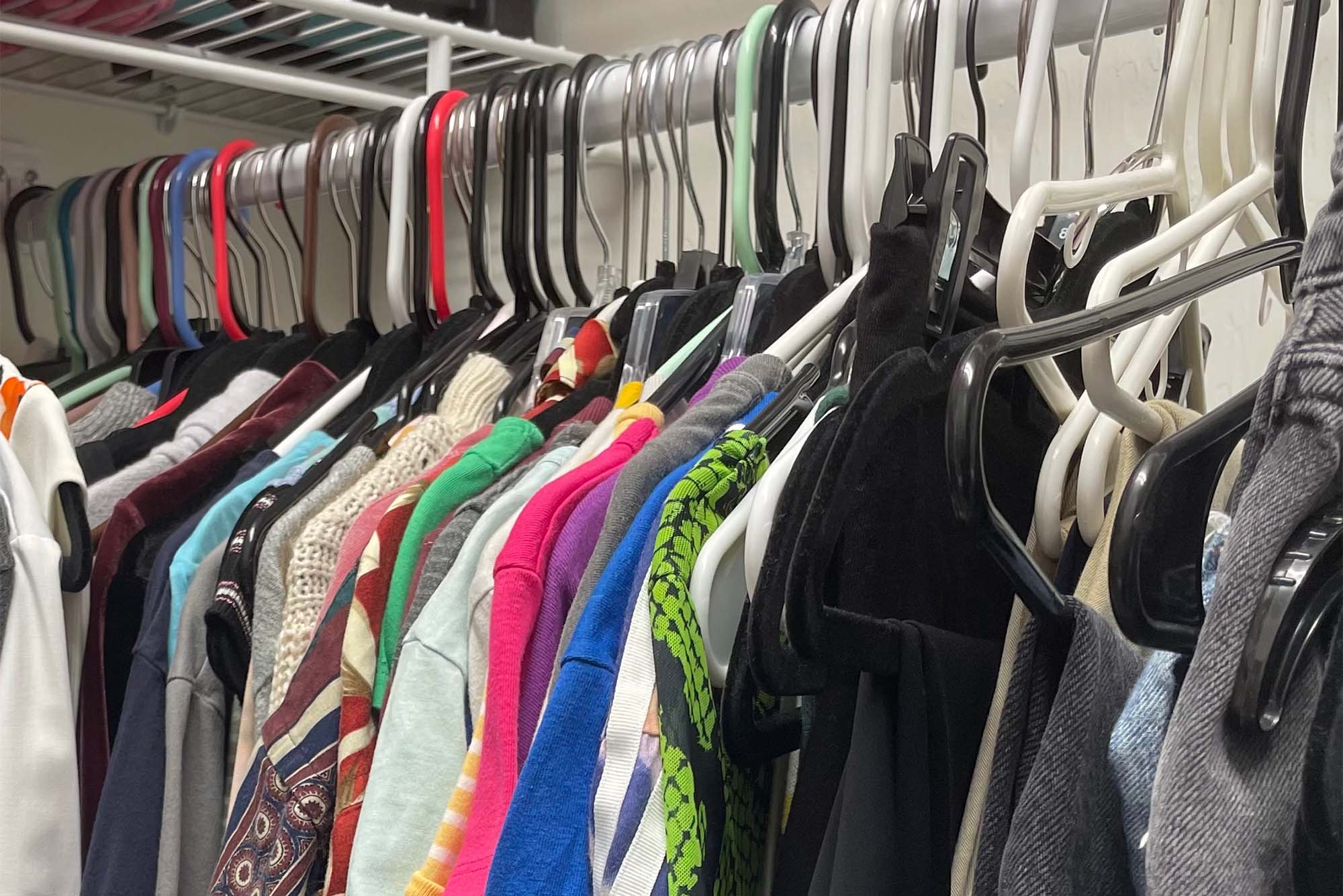
Lighting makes or breaks a listing. Avoid indoor yellow bulbs or direct flash, which can distort colors and hide flaws. Instead, take photos near a large window during the day. Show the full garment, the fabric texture up close, and any unique details like buttons or stitching. If there is a stain or a loose thread, photograph it honestly—transparency builds trust and prevents returns.
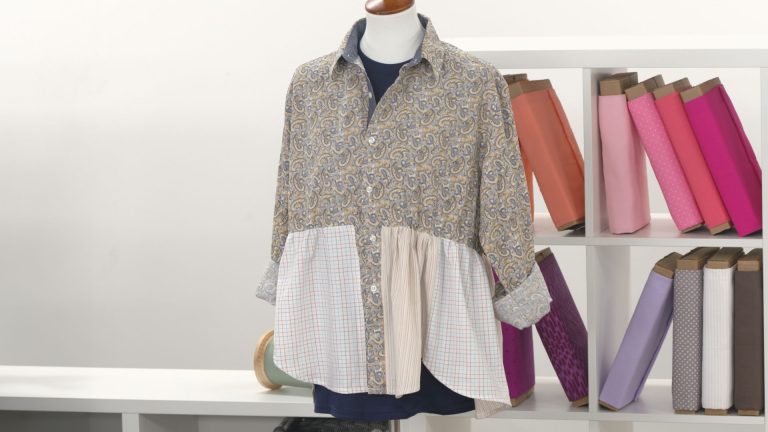
Shoppers search for what they know. If you have a Levi’s 501 or a Ralph Lauren polo, put those exact brand names in the title and tags. Don’t just write "Vintage Jeans." Write "Vintage Levi’s 501 High Waist Straight Leg." This helps your item appear in specific searches. Include style descriptors like "90s," "Y2K," or "minimalist" to catch trend-driven buyers.
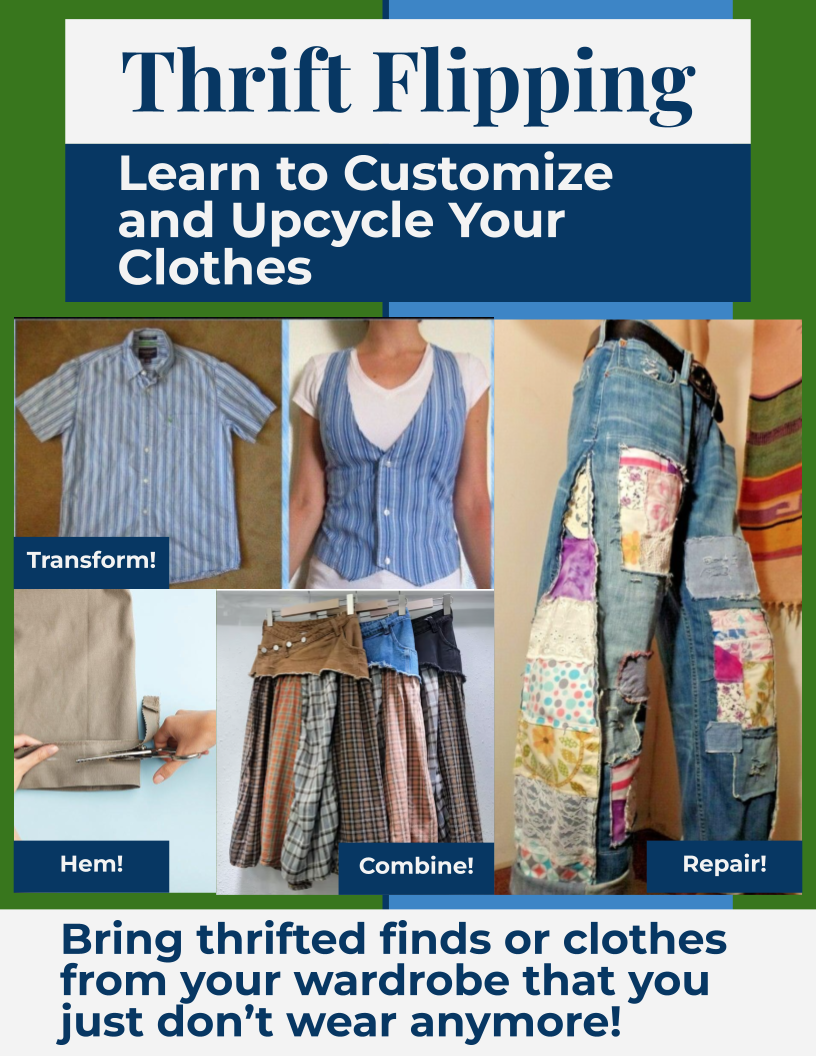
Not all marketplaces are created equal. eBay is excellent for rare vintage pieces, designer handbags, and collectibles where bidding can drive up the price. Poshmark and Depop are better for contemporary streetwear, trendy vintage tees, and fast-moving fashion items. Match your item’s vibe to the platform’s audience to ensure it gets seen by the right people.
Once your listing is live, keep it fresh. On platforms like Poshmark, sharing your listing to your social feeds or to relevant parties can bump it back up in the search results. If an item hasn’t sold after a few weeks, consider lowering the price slightly or refreshing the photos to give it a new look.
Common mistakes that kill your margins
Thrift flipping is a numbers game, and it is easy to miscount when you are excited by a find. Many beginners focus entirely on the purchase price, forgetting that the true cost includes everything from the moment you leave the store until the item ships. If you do not account for these hidden expenses, a "great deal" can quickly become a loss.
Buying damaged goods
It is tempting to grab a vintage Levi’s or a designer handbag just because the brand is right, even if it has a stain, a broken zipper, or a missing button. While minor repairs can sometimes be worth the effort, significant damage often eats directly into your profit margin. A $10 jacket that needs $15 in tailoring is not a bargain; it is a liability.
Ignoring shipping costs
Shipping can be the silent margin killer. If you buy a heavy denim jacket for $5 but shipping costs $12, you are already underwater. Always calculate the total landed cost before you commit. Use online calculators to estimate shipping weights and dimensions accurately. Do not assume that lightweight items are always cheap to ship; bulky vintage boxes or glassware can incur dimensional weight fees that surprise you.
Overpaying for common items
Just because an item is vintage does not mean it is valuable. Common mass-produced items from the 1980s or 90s often have low resale demand. Paying $20 for a generic vintage t-shirt that sells for $15 online is a mistake. Research recent sold listings on platforms like eBay or Poshmark to understand what buyers are actually paying. If the market is saturated, skip it and look for the next unique find.
No comments yet. Be the first to share your thoughts!