What makes vintage clothing brands worth money
Determining which vintage clothing brands worth money requires looking past the label alone. Value is rarely about age; it is about the intersection of specific manufacturing standards, material quality, and brand heritage. A garment from 1970 is not automatically valuable, but a Levi’s 501 made in the USA during that era often is. The market rewards items that signal durability and authenticity, traits that are increasingly rare in modern fast fashion.
Four primary drivers dictate resale value. First, origin matters. Pieces labeled "Made in USA" or "Made in Italy" from established heritage brands command higher prices because they represent a specific era of domestic manufacturing or high-end European craftsmanship. Second, material composition is critical. Natural fibers like heavy-weight cotton, raw denim, and wool hold up better over decades and are preferred by collectors. Synthetic blends from the same period often degrade or look dated, reducing their market appeal.
Third, brand prestige and iconic status create a baseline demand. Labels like Filson, Pendleton, and Woolrich have built reputations for rugged utility that translate directly to resale value. Finally, condition is the ultimate multiplier. Even a rare item loses significant value if it has stains, holes, or faded logos. Pristine or lightly worn pieces from these heritage brands are the ones that flip for profit.
Designer labels driving the highest resale prices
Certain heritage houses command premiums that far exceed their original retail value, turning vintage pieces into appreciating assets. The resale market for luxury fashion is not uniform; value is heavily concentrated in specific eras and iconic silhouettes from brands with strong collector bases. Understanding which labels hold their value is essential for anyone looking to buy vintage clothing brands worth money.
Christian Dior and Yves Saint Laurent represent the pinnacle of archival value. Dresses from the 1950s New Look era or 1960s mod collections by YSL consistently fetch high prices at auction and on specialized resale platforms. These garments are sought after not just for wearability, but as wearable art. A well-preserved 1990s Saint Laurent suit, for instance, often retains significant value due to the brand's modern influence on the era's aesthetic.
Italian powerhouses like Gucci and Versace drive demand through bold logos and distinct hardware. Vintage Gucci bags from the 1970s and 80s, featuring the double-G logo or bamboo handles, are staples in the resale market. Similarly, Versace pieces from the 1990s, particularly those designed by Gianni Versace himself, are highly coveted for their vibrant prints and Medusa motifs. These items benefit from a strong celebrity culture that keeps the brand's vintage imagery relevant.
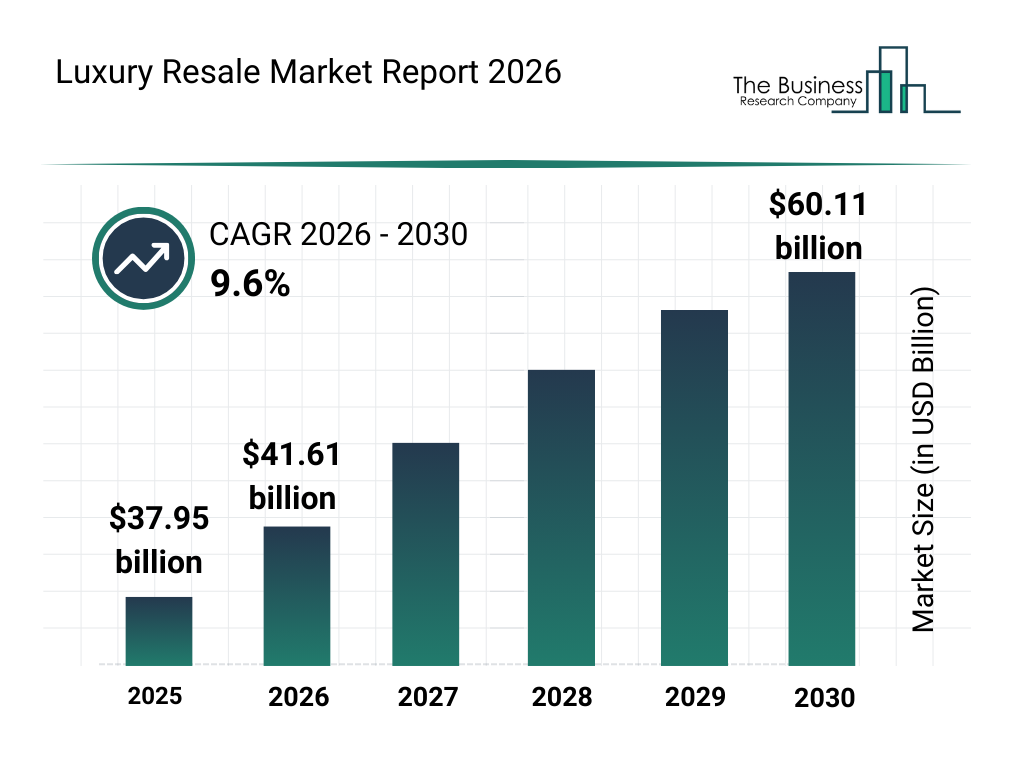
The resurgence of 1990s fashion has also elevated brands like Moschino and Balenciaga. Items from this decade, characterized by minimalist cuts or avant-garde designs, are seeing accelerated growth in value. This trend mirrors the broader market expansion, where online resale platforms report continued growth in luxury segment sales, suggesting that designer vintage will remain a strong investment category.


As an Amazon Associate, we may earn from qualifying purchases.
Workwear and denim brands with steady demand
Use this section to make the Vintage Clothing Brands Worth Money decision easier to compare in real life, not just on paper. Start with the reader's actual constraint, then separate must-have requirements from details that are merely nice to have. A practical choice should survive normal use, maintenance, timing, and budget. If a recommendation only works in an ideal situation, call that out plainly and give the reader a fallback path.
| Factor | What to check | Why it matters |
|---|---|---|
| Fit | Match the option to the primary use case. | A good deal still fails if it does not fit the job. |
| Condition | Verify age, wear, and service history. | Hidden condition issues erase upfront savings. |
| Cost | Compare purchase price with likely upkeep. | The cheapest option is not always the lowest-cost option. |
Niche labels and band tees that sell fast
Certain vintage categories operate like a specialized currency, where specific labels and graphics command premiums far above standard secondhand values. Band merchandise and niche graphic tees form a dedicated collector market driven by scarcity and cultural nostalgia. According to industry analysis, iconic band t-shirts remain among the most valuable vintage garments, often outperforming mainstream designer pieces in resale velocity.
The value of these items hinges on provenance and condition. Original tour tees from the 1970s and 1980s, particularly those from major rock acts like Led Zeppelin or The Rolling Stones, are rare finds. Even less famous but highly sought-after niche bands can yield significant returns if the print quality is intact and the garment is free of major flaws. For collectors, the "vintage clothing brands worth money" often include these specific merchandise lines rather than just apparel labels.
Beyond music, niche graphic tees from defunct brands or specific cultural moments also hold strong resale potential. Items featuring vintage logos from brands like Champion, Nike, or specific movie franchises from the 90s are frequently sought after. The key is identifying pieces that reflect a specific era or subculture, as these tend to have the most engaged buyer bases on platforms like eBay and Grailed.

As an Amazon Associate, we may earn from qualifying purchases.
How to verify authenticity before buying
Spotting a vintage piece that holds value requires moving past brand names and examining the physical evidence of its age. Counterfeits of high-demand vintage labels are common, so treating every find as a potential fake until proven otherwise protects your investment. The following steps help you distinguish genuine vintage clothing brands worth money from modern reproductions.
Examine the neck label and side seams. Authentic vintage pieces often feature hand-stitched or early machine-stitched seams with slight irregularities. Labels should be made of fabric or paper, not cheap plastic. Look for era-specific font styles and spelling errors that were common before strict quality control standards.

Feel the fabric weight and texture. Vintage denim, wool, and silk have a distinct hand-feel that modern synthetics often fail to replicate. Check zippers and buttons for brand markings (e.g., Talon, YKK, or specific brand logos). Plastic buttons or modern synthetic zippers on a garment claiming to be from the 1970s or earlier are immediate red flags.

Care labels evolved over time. Pre-1970s garments often lack care labels or have handwritten ones. Post-1970s labels should match the brand’s known typography and material standards for that decade. A mismatch between the label’s style and the garment’s claimed era is a strong indicator of a reproduction or alteration.
High-quality vintage brands paid attention to pattern matching at seams, especially on plaids and stripes. Check if patterns align at the side seams, pockets, and collars. Poor alignment suggests mass production or lower-quality manufacturing, which typically correlates with lower resale value. The cut should also reflect the silhouette trends of the specific era.
TLDR; Authenticity hinges on material, stitching, and label details. Focus on physical evidence like fabric weight, zipper brands, and era-specific care labels to avoid counterfeits when hunting for vintage clothing brands worth money.
Where to flip vintage clothing for maximum profit
Matching the right vintage clothing brands worth money to the correct sales channel is the difference between a quick sale and a significant return. Each platform serves a distinct buyer demographic, and leveraging this alignment ensures you capture the full market value of specific eras and styles.
High-end designer and rare collectibles command the highest premiums on eBay. The platform’s global auction and fixed-price infrastructure attracts serious collectors hunting for specific items like a 1990s Calvin Klein slip dress or a vintage Levi’s Type III jacket. The search-driven nature of eBay allows buyers to filter by exact brand and era, making it the optimal venue for niche, high-value inventory.
Streetwear, band tees, and workwear staples thrive on Grailed and Depop. These communities prioritize visual presentation and brand narrative. A vintage Carhartt chore coat or a rare Nirvana tour shirt sells best here because the buyer base actively seeks the "grail" items that define subculture aesthetics. Depop’s social-media-like interface is particularly effective for 90s and Y2K pieces that rely on trend cycles.
Everyday vintage and accessible brands move fastest on Poshmark and Mercari. For items like vintage Nike windbreakers or common Pendleton shirts, the lower barrier to entry and social sharing features of these platforms drive volume. While individual profit margins may be lower than on eBay, the speed of turnover is significantly higher, allowing you to clear inventory and reinvest quickly.


As an Amazon Associate, we may earn from qualifying purchases.
Common questions about vintage clothing brands worth money
How do I identify the era of a garment?
Era identification relies on specific construction markers rather than just the brand name. Look for side-seam zippers, which typically indicate pre-1970s manufacturing, and check the neck label for material composition tags that changed with federal regulations in the late 1960s. For denim, the presence of a red tab on Levi’s or the specific stitch count on pockets can pinpoint production years. These physical details are more reliable than style alone, as brands often replicate past designs.
Which platforms offer the best value for vintage clothing brands worth money?
Different platforms serve different segments of the market. eBay offers the widest selection for high-end designer pieces from houses like Dior or Gucci, where collector demand drives prices. Etsy is often better for curated workwear staples like Carhartt or Filson, where sellers provide detailed condition reports. For bargain hunting, local thrift stores and estate sales remain the best sources for undervalued items before they hit online marketplaces. Compare listings across these sites to gauge current market value.
What makes a vintage brand hold its value over time?
Value retention depends on material quality, brand heritage, and rarity. Items made from natural fibers like wool, silk, or heavy cotton tend to survive decades better than synthetic blends. Brands with a strong historical reputation, such as Pendleton or Woolrich, maintain value because collectors trust their craftsmanship. Limited edition runs, such as specific band tour merchandise or designer collaborations, also appreciate due to scarcity. Always check for signs of wear, as pristine condition significantly impacts resale potential.
No comments yet. Be the first to share your thoughts!