
Designer labels driving resale value
High-end designer vintage from houses like Chanel, Dior, and Yves Saint Laurent commands the highest prices in the resale market. These brands set the benchmark for "worth money" in vintage clothing, with specific items routinely selling for hundreds or thousands of dollars. The hierarchy is clear: heritage houses with recognizable logos and distinct silhouettes hold their value best.
Chanel vintage jackets, handbags, and costume jewelry are among the most valuable vintage clothes you can find. Chanel pieces from the Karl Lagerfeld era, particularly those with the classic tweed suit silhouette or the iconic flap bag, consistently fetch high prices on secondary markets. Dior’s New Look dresses and YSL’s Le Smoking tuxedo jackets are similarly coveted by collectors who prioritize provenance and condition.
To understand the tangible value of these labels, consider how specific items appear in current marketplaces. The following examples illustrate the concrete products that drive this segment's revenue.
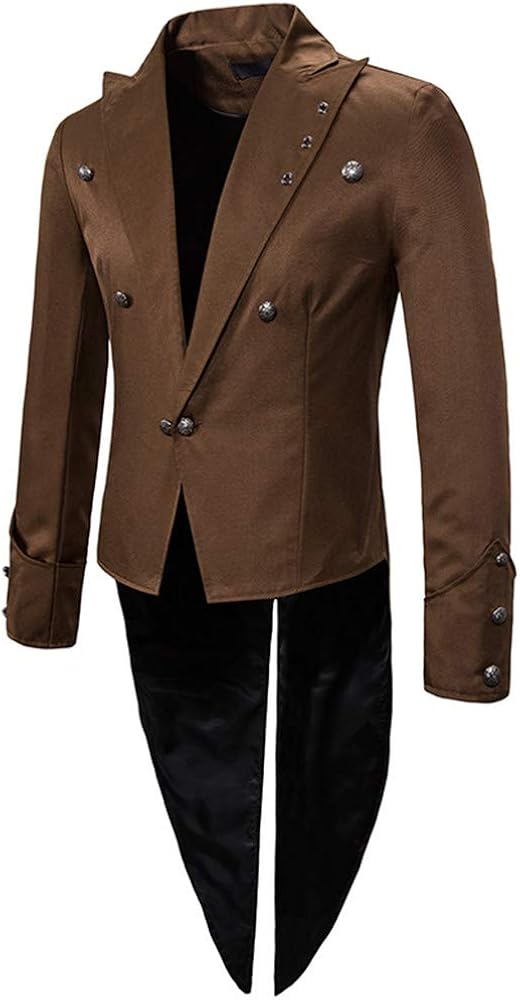

As an Amazon Associate, we may earn from qualifying purchases.
While these items represent the premium end of the spectrum, their consistent demand ensures that designer labels remain the primary driver of resale value in the vintage clothing industry.
Heritage workwear and denim staples
Accessing the vintage market through heritage workwear offers a lower barrier to entry for resellers. Brands like Levi’s, Filson, and Woolrich rely on durable construction and recognizable logos, creating consistent demand that outpaces fleeting fashion trends. This reliability translates to predictable profit margins for flippers who prioritize condition over rarity.
The primary advantage of these brands is brand recognition. Buyers know exactly what they are getting, reducing the friction of the sales process. Levi’s 501s and Woolrich parkas are not just clothing items; they are standardized assets with known market values. This familiarity allows sellers to price items competitively without extensive marketing efforts.
Durability is the second pillar of this value proposition. These garments were often constructed with heavier fabrics and reinforced stitching than their modern counterparts. As a result, vintage pieces from these labels often survive decades of wear in sellable condition. This longevity ensures a steady supply of inventory for resellers who scour thrift stores and estate sales.
| Brand | Typical Resale Range | Condition Sensitivity |
|---|---|---|
| Levi's | $30 - $150+ | High - stains or fading reduce value significantly |
| Filson | $80 - $300+ | Medium - minor wear acceptable due to rugged nature |
| Woolrich | $50 - $200+ | Low - functional wear is often preferred by buyers |


As an Amazon Associate, we may earn from qualifying purchases.
While these brands are accessible, the condition of the item remains the primary driver of resale value. A well-preserved Levi’s 501 in medium wash will command a significantly higher price than a faded, stained example. Similarly, Filson jackets with intact wax coatings and functional zippers are highly sought after. Resellers must carefully inspect for holes, excessive thinning, or irreversible stains before purchasing inventory.
The market for vintage workwear is also influenced by current fashion trends. Streetwear and heritage aesthetics have kept these brands in high demand. This cultural relevance ensures that even older, less "rare" pieces maintain solid resale value. For flippers, this means that a diverse inventory of heritage workwear can provide a stable income stream, even if individual items do not sell for hundreds of dollars.
Streetwear and luxury crossover brands
The boundary between high fashion and street culture has dissolved, creating a volatile but highly lucrative market for brands that bridge the two. For resellers targeting younger demographics, items from Versace, Moschino, and Gucci offer significant upside, driven by a demand for logo-heavy statements and archival pieces from the 1990s. Unlike timeless luxury staples, these items rely heavily on trend cycles, meaning their value can spike or dip rapidly based on current social media visibility.
Versace and Moschino, in particular, have seen a resurgence in value for 90s-era pieces. The bold graphics and distinct branding of that era are now considered collectible, often selling for premiums that exceed their original retail price. Gucci, under various creative directors, has maintained a consistent presence in the resale market, with vintage bandanas, belts, and graphic tees remaining steady sellers. The key to success in this niche is identifying authentic pieces with strong provenance and minimal wear.
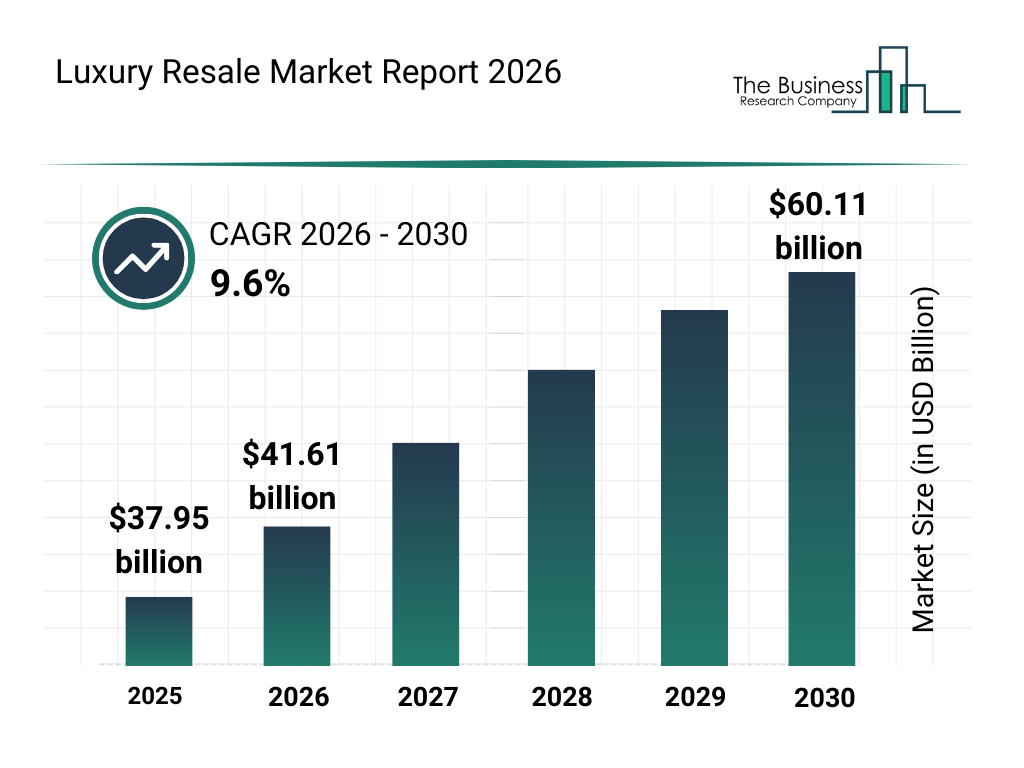
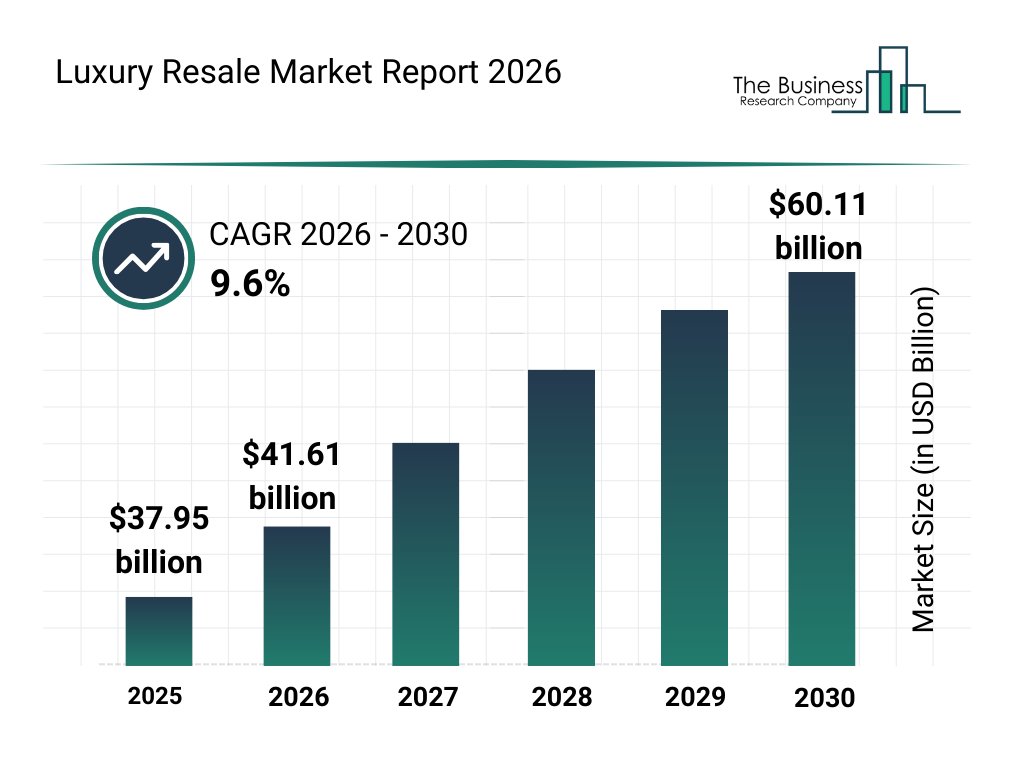
The broader luxury resale market continues to grow, with these crossover brands acting as entry points for new collectors. According to market reports, the global luxury resale sector is expanding, driven by a shift toward sustainable consumption and the desire for unique, pre-owned items. This growth benefits sellers of streetwear-adjacent luxury, as the pool of interested buyers expands beyond traditional luxury consumers to include streetwear enthusiasts and fashion-forward millennials.
To understand the current market reality, it helps to look at what is actively selling. The following Amazon listings for vintage-style or authenticated pieces from these brands provide a snapshot of current availability and pricing trends.

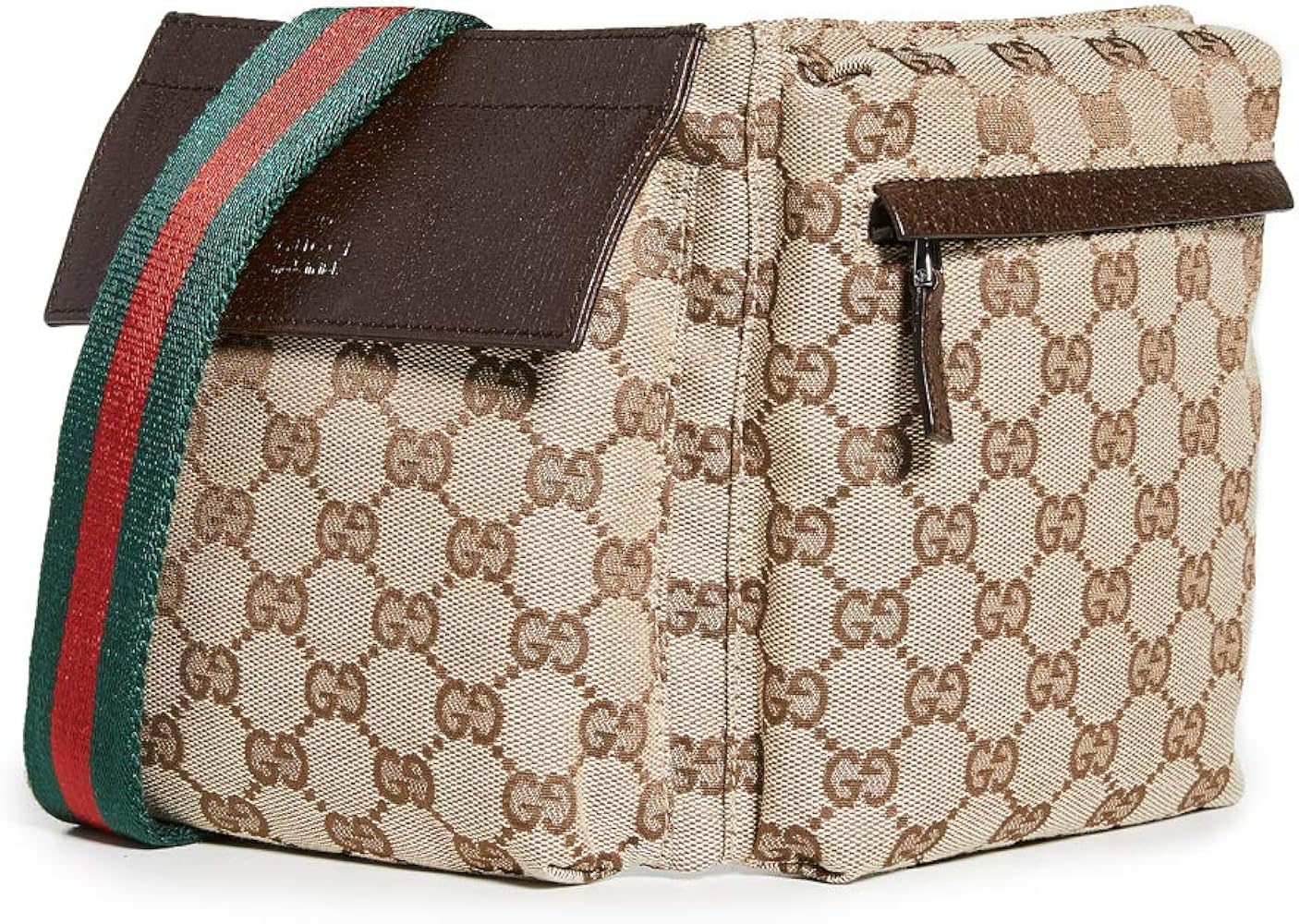
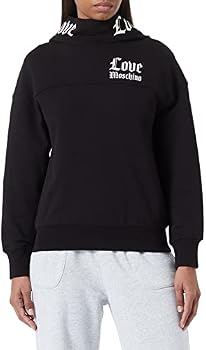
As an Amazon Associate, we may earn from qualifying purchases.
Preppy and professional menswear marks
High-end professional wear from the late 20th century has carved out a steady, often overlooked niche in the vintage market. While streetwear trends fluctuate, brands like John Henry, O'Connell's, and Jones New York maintain consistent value because they represent a specific era of accessible, high-quality tailoring. These pieces are not just relics; they are functional staples that bridge the gap between thrift store finds and department store quality.
John Henry dominated the affordable dress shirt market for decades, known for durable cotton blends and classic fits that still hold up in modern office settings. O'Connell's served as a go-to for formalwear and prep staples, offering blazers and slacks that resist the dated look of fast fashion. Meanwhile, Jones New York established itself as a benchmark for professional women’s and men’s wear, with tailored suits that retain their structural integrity long after purchase. The resale value for these items relies on condition and fabric quality rather than rare exclusivity.
These brands offer a reliable entry point for collectors looking to build a vintage wardrobe without the volatility of designer labels. The market for this category is less about hype and more about longevity, making it a stable segment for both buyers and sellers.


As an Amazon Associate, we may earn from qualifying purchases.
How to resell clothes online for profit
Turning vintage inventory into profit requires treating your listings as data points rather than garage sale tags. The secondary market rewards precision: accurate condition grading, keyword-optimized titles, and visual consistency that signals authenticity. Below is the operational workflow to maximize returns on vintage clothing.
Lighting dictates click-through rates. Use natural daylight or a 5000K LED panel to eliminate color casts. Capture the front, back, and any flaws. For luxury vintage, include close-ups of logos and hardware to prove authenticity. Avoid shadows that obscure fabric texture.
Generic titles like "Vintage Dress" attract low-intent traffic. Use exact brand names, era identifiers (e.g., 90s, Y2K), and material composition. Include measurements for chest, waist, and length. Buyers filter by fit; missing data leads to returns. Reference the brand hierarchy to prioritize high-value labels.
Do not guess prices. Search completed listings on your target platform to see what buyers actually paid. Filter by condition and brand. Set your price within 10% of the median sold price for new listings. This strategy balances speed of sale with margin protection.

Enhance your listing quality with professional tools. Use the following equipment to standardize your workflow and improve visual appeal.


As an Amazon Associate, we may earn from qualifying purchases.
Common Questions About Vintage Resale
Authentication is the primary barrier to high-value sales. Luxury items from Chanel or Dior require professional verification to prove legitimacy, while mass-market staples like Levi’s or Filson rely on visible construction details and era-specific tags. Buyers on platforms like eBay or Poshmark increasingly demand proof of authenticity for items over $200.
Platform selection depends on the brand tier. High-end designer pieces, such as 1990s Versace or Moschino, command better margins on specialized resale sites or eBay due to their global collector base. Conversely, durable workwear like Woolrich or Pendleton sells consistently on broader marketplaces where volume matters more than exclusivity.
Condition dictates the final sale price more than the brand name alone. Items with original tags, minimal wear, or intact hardware fetch significantly higher prices. Always photograph flaws clearly; transparency reduces return rates and builds trust with niche buyers who prioritize accuracy over polished marketing.
No comments yet. Be the first to share your thoughts!