
Why vintage labels drive resale value
Not every old shirt is a goldmine. The resale market operates on a specific economic logic where three factors collide: durability, brand heritage, and scarcity. When you see a garment selling for fifty or a hundred dollars, it’s rarely just because it’s “old.” It’s because the label signals that the item was built to last and remains desirable decades later.
The most profitable vintage pieces share a common trait: they were made for function first. Brands like Carhartt and Dickies dominated the workwear scene from the 1970s through the 1990s. Their chore coats and utility pants were designed for labor, meaning they were constructed with heavy-duty fabrics and reinforced stitching. Today, that same durability is exactly what collectors want. A well-worn Carhartt jacket isn’t just a relic; it’s a testament to quality that modern fast fashion often lacks.
Note: In the resale world, “vintage” typically refers to items 20 to 100 years old. Items over 100 years old are classified as “antique,” but the bulk of profitable resale inventory comes from the vintage era, particularly the mid-to-late 20th century.
Heritage also plays a huge role. Brands like Filson, Pendleton, and Levi’s have built their reputations over generations. When a buyer sees a Levi’s 501 pair from the 1980s, they aren’t just buying jeans; they’re buying into a lineage of American denim. This brand equity allows these items to command higher prices because the buyer trusts the maker’s history. Scarcity amplifies this further. Limited production runs, discontinued styles, or items made in specific countries (often cited by collectors as those with higher labor standards) become rare finds. The combination of a trusted name, rugged construction, and limited availability is what turns a simple garment into a valuable asset.

As an Amazon Associate, we may earn from qualifying purchases.
Workwear brands that hold their value
Vintage workwear isn't just about looking rugged; it's about owning a piece of industrial history that actually survived. Unlike fast fashion, these garments were built for abuse, which means the materials and construction hold up decades later. For resellers, this durability translates directly into demand. Collectors aren't just buying clothes; they're buying reliability.
Carhartt and Dickies: The Utility Staples
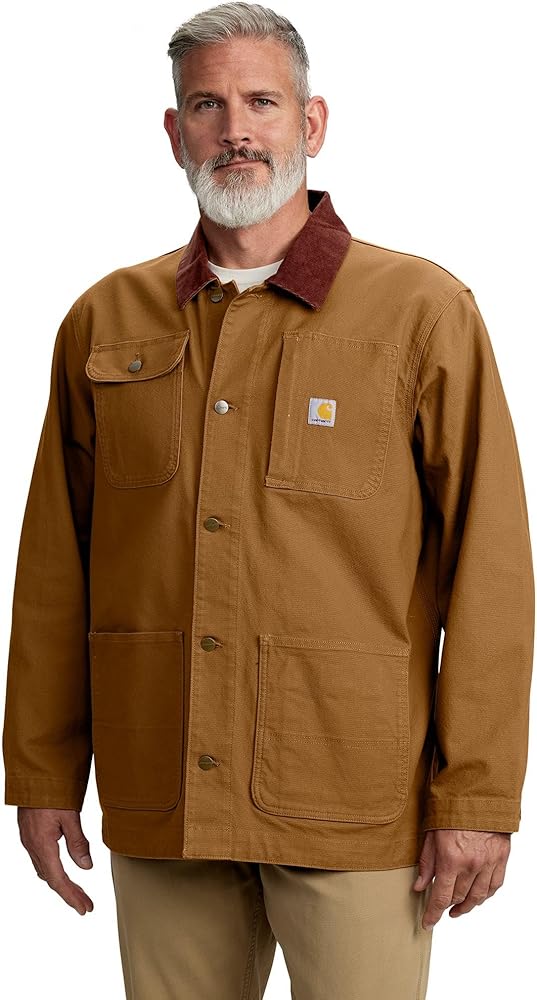
Carhartt chore coats and Dickies work pants from the 1970s through the 1990s are the bread and butter of the vintage resale market. Carhartt's heavyweight duck canvas and Dickies' durable polyester-cotton blends were designed for laborers, not trends. Today, they are sought after by streetwear enthusiasts and practical workers alike. A vintage Carhartt jacket in good condition can often sell for more than its modern retail price, especially if it features original logos or specific era-specific cuts like the B01 chore coat.
Filson and Woolrich: Built for Extremes
If you want to talk about longevity, Filson and Woolrich are in a league of their own. Filson's tin cloth jackets and Woolrich parkas were engineered for Arctic expeditions and logging camps. These brands used natural materials like waxed canvas and heavy wool, which develop a unique patina over time. This aging process is a feature, not a bug, for vintage buyers. A well-worn Woolrich Arctic Parka from the mid-20th century is a collector's item because it represents a specific era of American exploration and utility.
Levi's and Red Wing: Heritage Denim and Boots
Levi's workwear jeans, particularly the 501 model from the 1940s to 1980s, are iconic. The "made in USA" tags and specific stitching details help identify valuable pieces. Similarly, Red Wing work boots are renowned for their Goodyear welt construction, which allows for endless resoling. A pair of vintage Red Wing Iron Rangers or Moc Toes in original leather can command a premium because the soles can be replaced, keeping the boots functional for another generation.


As an Amazon Associate, we may earn from qualifying purchases.
Why Levi's Is the Gold Standard for Vintage Denim
When you walk into a thrift store or browse a resale app, the denim section can feel overwhelming. There are thousands of jeans, but one brand consistently drives the highest prices: Levi Strauss & Co. For collectors and resellers, vintage Levi's aren't just old clothes; they are tangible artifacts of American manufacturing history. The value lies in the specific details—the cut, the fabric weight, and most importantly, the tags that tell you exactly when and where the pair was made.
Identifying high-value vintage denim comes down to decoding the label history. A simple red tab on the back pocket might just mean a standard pair from the 1990s, but a "Big E" Levi's from the 1950s or a "Redline" selvedge from the 1970s can command hundreds of dollars. Understanding these nuances separates a $20 flip from a $200 investment piece. The market for vintage Levi's is robust because the brand has maintained a consistent identity while subtly changing its construction over decades, creating distinct eras that collectors actively hunt for.
To help you spot the difference between a common find and a rare gem, here is a breakdown of the key eras and tag variations that signal higher resale value.
Decoding Levi's Tags and Eras
The history of Levi's is written in its labels. If you are looking to profit from vintage denim, you need to know which tags indicate the most desirable production periods. The following comparison highlights the most valuable identifiers in the vintage market.
Designer labels with strong resale demand
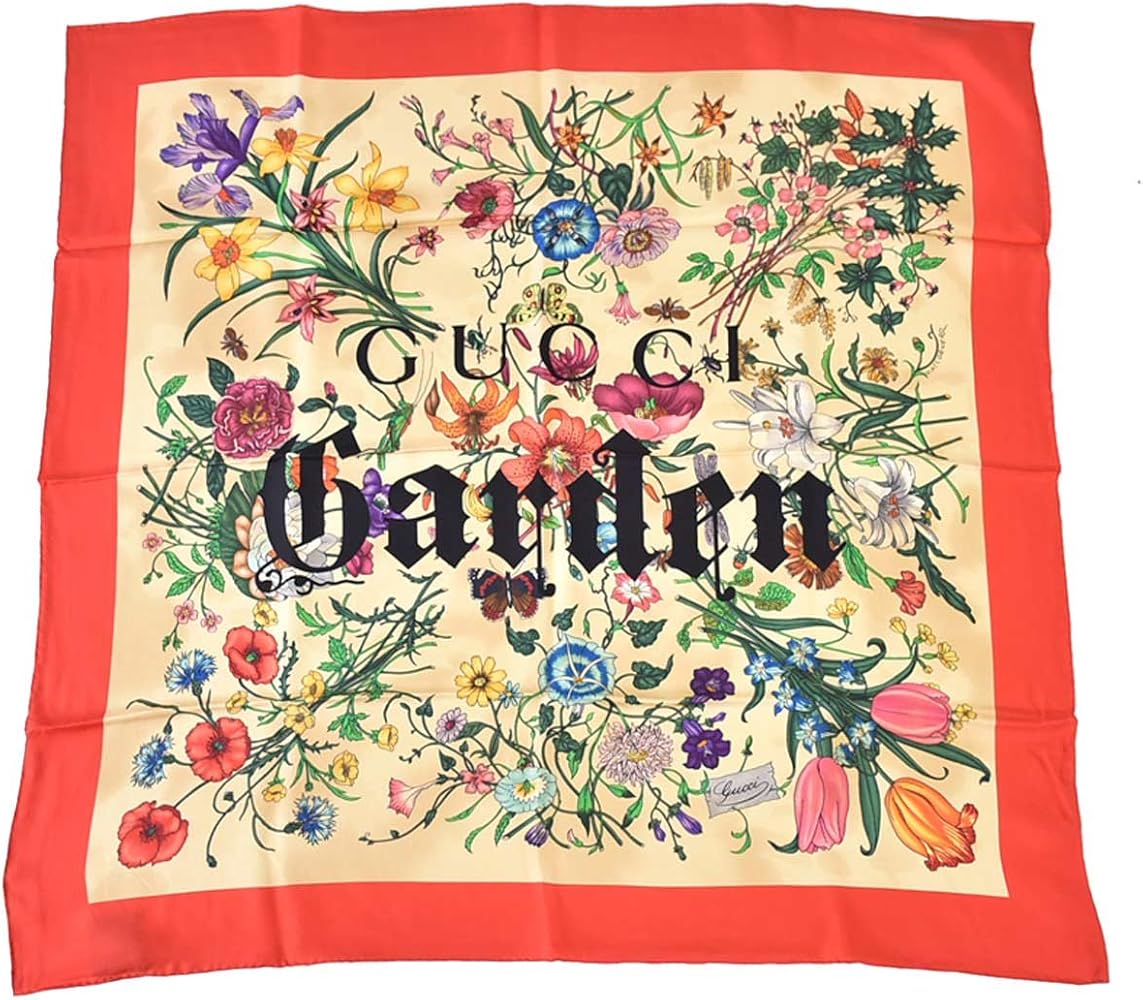
High-end vintage isn't just about the brand name; it's about specific eras and iconic silhouettes that collectors actively hunt for. While fast fashion fades quickly, pieces from houses like Christian Dior, Yves Saint Laurent, and Gucci have held their value for decades. These items often command premium prices because they represent a tangible piece of fashion history, with designs that remain visually striking today.
The resale market for luxury goods is robust, with certain labels consistently outperforming others. Vintage leather goods and 1990s pieces from Versace and Moschino are particularly hot commodities. According to industry data, these brands retain collector interest due to their distinctive craftsmanship and cultural impact during their peak production years. If you are looking for investment-grade vintage, focusing on these established houses is a safer bet than chasing fleeting trends.
To see what these items look like in the current market, here are some examples of designer vintage and modern reproductions that reflect the style and quality associated with these top brands.


As an Amazon Associate, we may earn from qualifying purchases.
How to authenticate vintage clothing tags
Spotting a fake vintage piece comes down to the details most buyers skip. Authentic tags act like fingerprints for the garment’s era. If the stitching, font, or material label feels off, the item likely isn’t what it claims to be.

Reproduction tags often have slightly blurry printing or incorrect kerning. Compare the font weight and spacing against known authentic examples from that specific brand and decade. Levi’s tags from the 70s, for instance, have a very specific red tab texture and font that fakers rarely nail perfectly.
Older garments were built to last, so the stitching should be tight, even, and often double-stitched at stress points. Look for chain-stitching on hems, which was common before lockstitching became the cheap standard. Loose threads or uneven tension on the main label are immediate red flags for a modern copy.

The fabric content label must match the era. Synthetic blends like polyester and spandex became common in the 1970s and 80s, but a "vintage" 1950s dress claiming to be 90% nylon is wrong. Also, check for specific regulatory tags like "Care and Content" labels that became mandatory in the US in 1971.
Brands often change their logos or add specific tags to mark anniversaries or collection lines. For example, Wrangler added a "Western" tag in the 1970s. If you’re looking at a Dickies work shirt, check for the "Double Dye" tag or the specific font used in the 90s. These small branding shifts are hard for mass-market reproductions to replicate accurately.
Where to flip vintage clothing for profit
Choosing the right platform is like picking the right buyer for your inventory. You wouldn't sell a rare 1950s Dior dress at a yard sale, and you shouldn't list a pair of 90s Levi's on Amazon if eBay is the better fit. Each marketplace has a different audience, and matching your item to the right crowd makes the difference between a quick sale and a listing that gathers dust.
eBay remains the heavyweight champion for high-value and niche vintage. If you have rare designer pieces, military uniforms, or specific era-heavy items like 1970s bell-bottoms, eBay's collector base is unmatched. The auction format can also drive prices up for unique finds that enthusiasts are willing to bid on. It requires more effort to manage listings, but the profit potential for serious vintage is highest here.
Depop is the go-to for Gen Z and millennial trends. Think 1990s band tees, Y2K slip dresses, and oversized flannels. The app’s social-media-style feed rewards visual appeal and trendy descriptions. If your inventory leans into streetwear or retro casual wear, Depop’s community is actively hunting for these specific aesthetics.
Poshmark sits nicely in the middle, offering a social shopping experience that feels more like a curated closet than a database. It works well for mid-range vintage brands like Pendleton, Ralph Lauren, or classic denim from the 1980s. The sharing feature helps your listings reach new eyes, making it a strong option for brands that have steady, recognizable demand.
Amazon is generally the trickiest for vintage. While it has massive traffic, its strict condition guidelines and buyer expectations for "new" items can lead to returns or account flags if you aren't careful. It’s better suited for vintage-style new reproductions or very specific, hard-to-find items where the title includes the year and brand clearly. For most true vintage resellers, the other three platforms offer a smoother path to profit.
As an Amazon Associate, we may earn from qualifying purchases.
No comments yet. Be the first to share your thoughts!