Get resell clothes online right
Before listing your first thrift flip, set up the infrastructure that keeps your sales legal, organized, and profitable. Skipping these steps creates friction that kills momentum faster than a bad photo.
Pick your primary marketplace
Start with one platform to master the workflow. eBay works best for unique, high-value vintage pieces where individual buyer interest varies. ThredUp is better for bulk lots of recognizable mid-range brands, though you surrender more margin for convenience. Do not list on five sites at once; you will lose track of inventory and shipping deadlines.
Verify your seller credentials
Most platforms require identity verification before you can withdraw funds. Ensure your bank account or PayPal is linked and verified. You will also need a valid government ID for tax purposes once you cross the income thresholds set by the IRS. Keep these documents ready to avoid sudden listing suspensions.
Prepare your measurement kit
Vintage sizing is inconsistent. A "Medium" from the 1990s is often a modern "Small." Buy a soft measuring tape and a flat surface. Measure pit-to-pit, shoulder width, sleeve length, and total length for every item. Record these numbers in a spreadsheet before photographing. This data prevents returns and builds trust with buyers who know exactly what they are getting.
How to list and sell vintage clothing online
Reselling thrifted items requires a structured approach to maximize profit. Instead of listing everything at once, start with your highest-value pieces. This strategy prevents you from getting overwhelmed and ensures your best items get the attention they need.
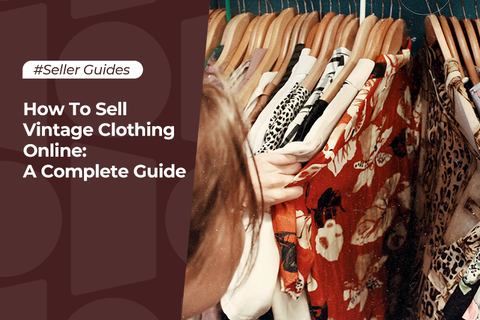
Separate items by brand and condition. Focus on high-value vintage brands first, as they sell faster and for higher margins. Group similar items together to streamline photography and listing creation.
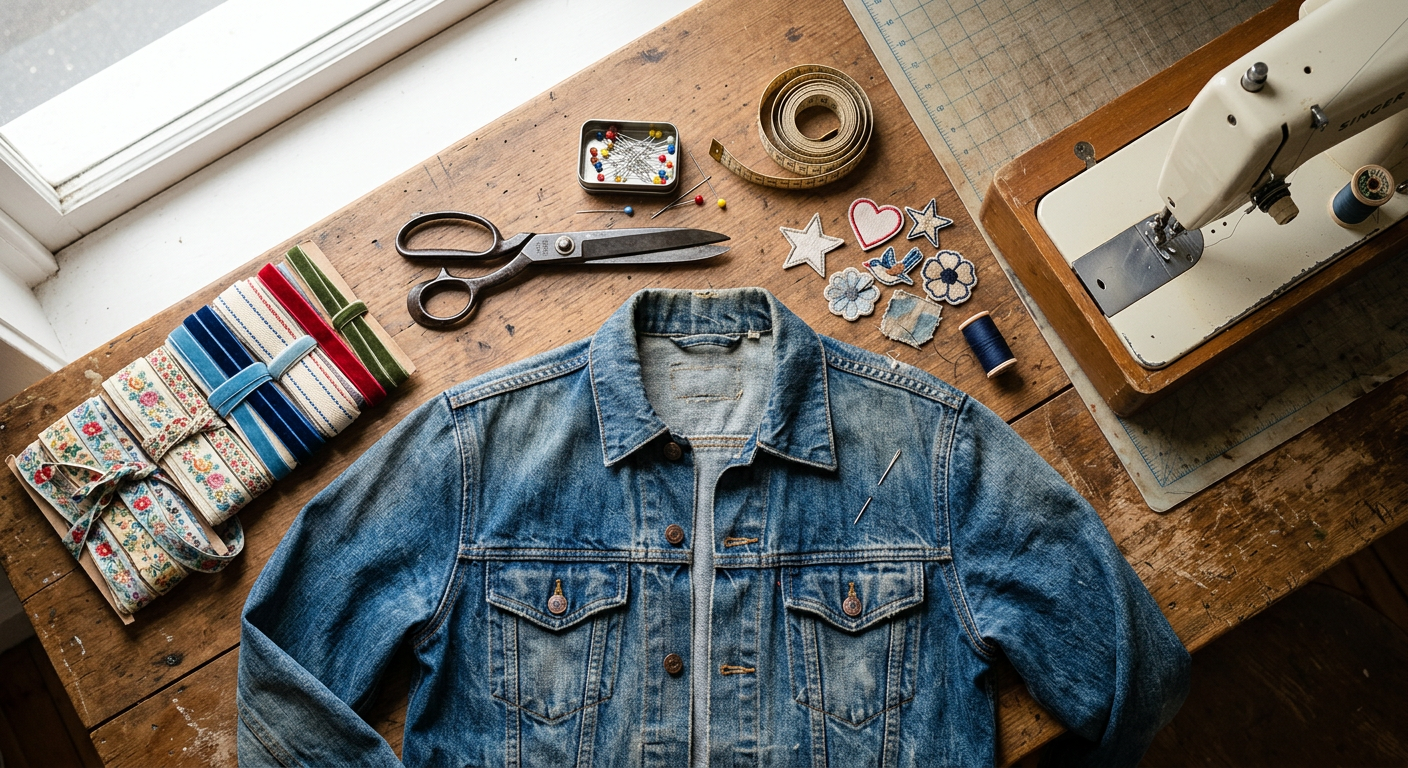
Check recent sold listings on eBay or Poshmark for identical or similar items. This data helps you set competitive prices. Avoid guessing; use actual transaction history to determine what buyers are willing to pay.
Use natural light and a plain background. Capture front, back, and detail shots of labels, fabric texture, and any flaws. Transparency about condition reduces returns and builds buyer trust.
For individual high-value items, eBay or specialized vintage shops often yield better prices. For bulk or lower-value items, consider consignment services like ThredUp for a hands-off approach. Match the platform to your time and profit goals.
Include brand, size, material, measurements, and condition notes. Use keywords like "vintage," "thrift flip," or specific brand names to improve search visibility. Clear descriptions reduce questions and speed up sales.
-
Verify brand authenticity before listing
-
Check for stains, holes, or fading
-
Measure garment flat (pit to pit, length)
-
Write keywords-rich title and description
-
Set competitive price based on sold items
Common Mistakes That Sink Your Thrift Flip Profits
Even with high-value vintage clothing brands in your cart, poor execution can turn a potential profit into a loss. Most sellers fail not because they lack good finds, but because they overlook the details that buyers scrutinize before purchasing. Fixing these errors early saves time and prevents negative feedback.
Ignoring Fabric Composition and Care Labels
The most frequent mistake is listing items without verifying the material. A polyester blend sold as "vintage silk" or "100% cotton" will result in returns and damaged reputation. Buyers for 2026 thrift flip trends are increasingly savvy about fabric quality. Always check the care label inside the garment. If the label is missing, describe the fabric honestly based on feel and drape, but do not guess.
Poor Lighting and Flat Lay Photography
Blurry or dark photos kill sales. Many sellers use indoor lighting that casts yellow shadows or hides stains. Take photos in natural daylight near a window. Use a plain, neutral background to keep the focus on the garment. Show the front, back, and any unique details like buttons or zippers. If there is a flaw, photograph it clearly. Transparency builds trust and reduces return rates.
Incorrect Sizing and Measurements
Relying on the size tag (e.g., "Medium") is unreliable because sizing varies wildly between decades and brands. Always provide actual measurements: bust, waist, hips, and inseam. Use a soft tape measure and lay the garment flat. Include these numbers in the title or the first line of the description. This simple step prevents "not as described" disputes and helps buyers determine fit without guessing.
Neglecting Brand Authenticity Verification
Not all vintage items from famous brands are authentic. Counterfeits are common in high-demand categories like designer handbags or luxury sportswear. Learn to spot hallmarks of genuine items, such as stitching quality, hardware weight, and logo font. If you are unsure, it is better to list the item as "inspired by" or skip it entirely. Misrepresenting authenticity is a quick way to get banned from resale platforms.
Underpricing or Overpricing
Pricing requires research. Underpricing leaves money on the table, while overpricing leads to stagnation. Check completed listings on eBay or Poshmark for similar items in similar condition. Adjust your price based on rarity, brand demand, and current trends. Start slightly higher if you are open to offers, but ensure the initial price is competitive.
No comments yet. Be the first to share your thoughts!