Thrift store flipping profit budget
Setting a realistic budget for thrift flipping is less about having deep pockets and more about managing risk. You don’t need a huge investment to start, just a disciplined approach to what you buy. Many successful flippers report making $2,000–$3,000 a month, but this income is built on volume and speed, not single high-ticket wins. The margin for error shrinks as you scale, so your initial budget should cover only inventory you can liquidate quickly.
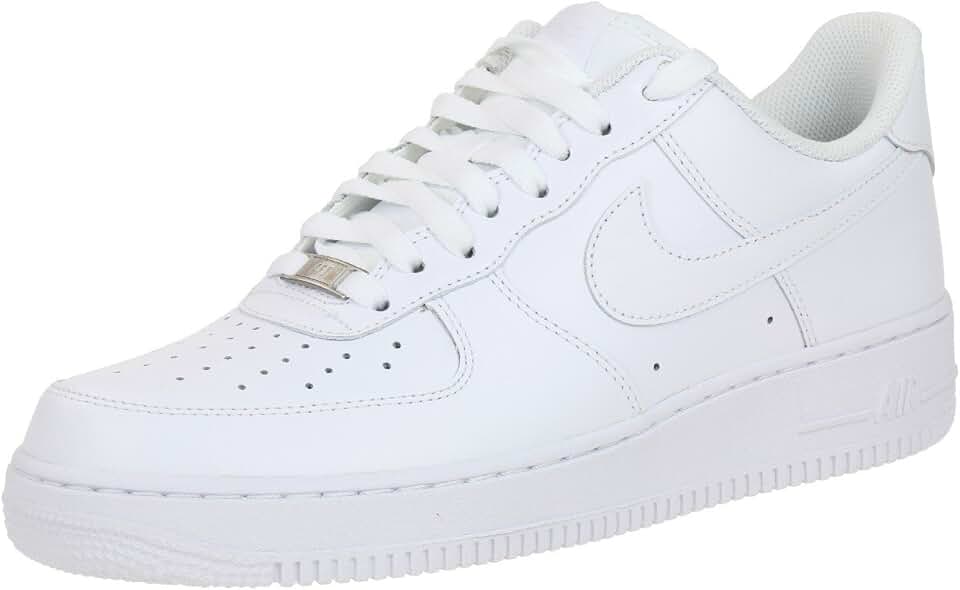
Focus your spending on categories with high liquidity. Vintage Levi’s, designer handbags, and specific sneakers move faster than obscure decor or fast-fashion duplicates. A $5 pair of jeans that sells for $40 offers a better return on time than a $20 lamp that sits for months. Keep your per-item cost low—ideally under $10 for general items and under $25 for premium brands—to ensure that even if some items don’t sell, they don’t eat your profits.
Track your "cost of goods sold" (COGS) strictly. This includes the purchase price, cleaning supplies, packaging, and shipping materials. If you buy a jacket for $8 and spend $5 on shipping and a poly mailer, your break-even point is $13. Any sale above that is profit. Start with a small, testable budget of $50–$100 to learn the market dynamics before committing larger sums. This prevents you from getting stuck with dead inventory that ties up your capital.

As an Amazon Associate, we may earn from qualifying purchases.
The most profitable items are often those with strong brand recognition and timeless style. By sticking to proven categories and keeping your entry costs low, you protect your budget while building a steady stream of resale income. Avoid chasing trends that may fade before you can sell, and always prioritize condition and authenticity over price alone.
Shortlist real options
Thrift store flipping for profit relies on identifying undervalued inventory and reselling it at market rate. The most reliable returns come from categories with established secondary markets, such as vintage denim, designer handbags, and collectible electronics. While margins vary by season and sourcing location, these items offer the highest liquidity for beginners and experienced resellers alike.
Vintage Denim
Vintage Levi’s and Wrangler jeans, particularly those made in the USA or Canada, command consistent premiums on platforms like eBay and Depop. Look for specific tags like "LVC" (Levi’s Vintage Clothing) or heavy-weight selvedge denim. Condition is critical; even small stains or holes can significantly reduce value unless the item is rare. Authenticity can be verified by checking stitching patterns, rivet styles, and the iconic red tab design unique to specific eras.
Designer Handbags
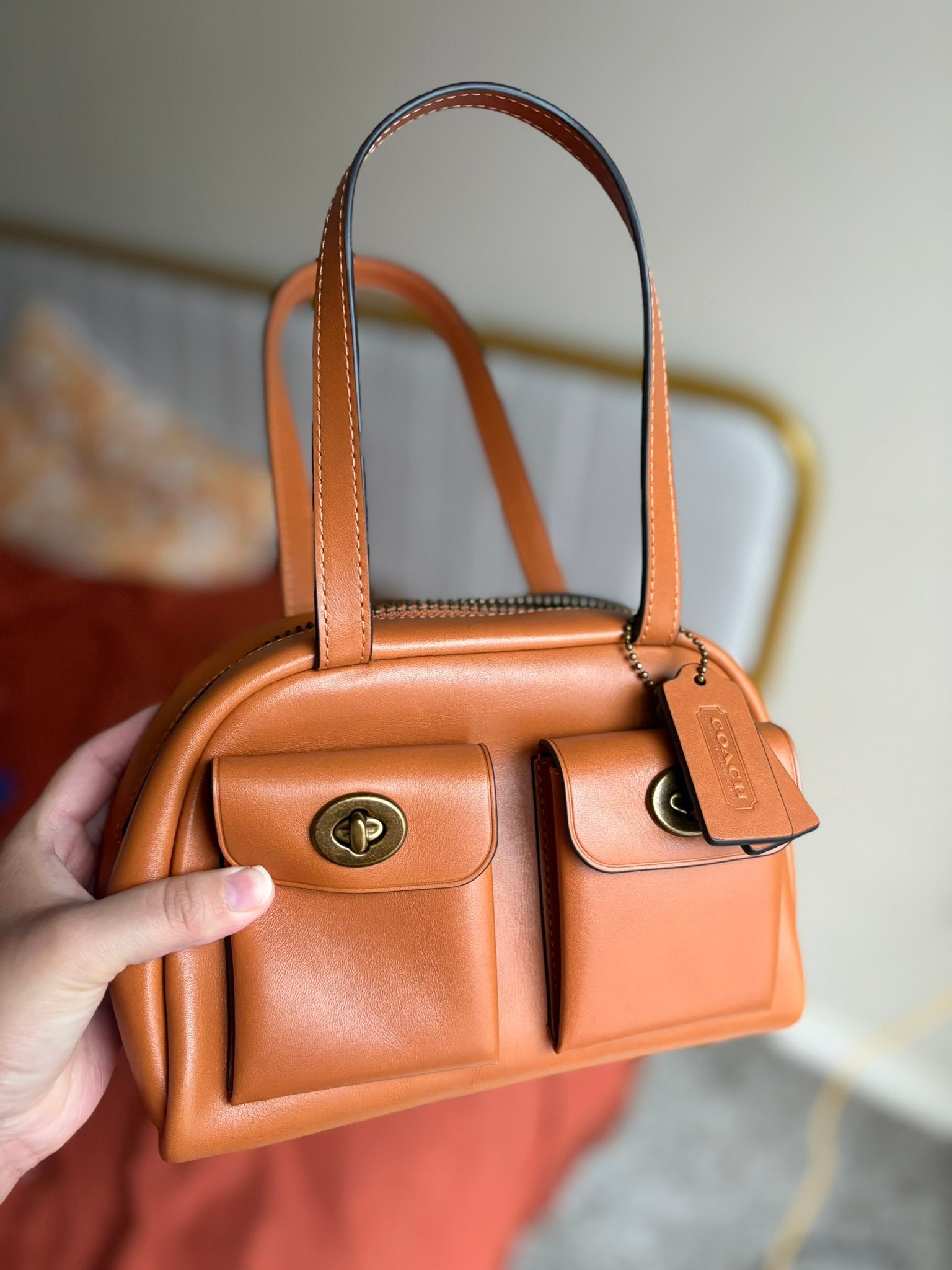
Brands like Coach, Michael Kors, and vintage Chanel retain value if kept in good condition. Leather bags with minimal wear, original dust bags, and authenticity cards sell fastest. Avoid bags with broken zippers, stained interiors, or missing hardware. Sourcing these from local thrift stores is challenging but possible during clearance sales or estate liquidations. Always inspect stitching and logo placement for signs of counterfeits.
Collectible Electronics
Retro gaming consoles, vintage cameras, and analog audio equipment are high-demand items. Nintendo Game Boys, Polaroid cameras, and Sony Walkmans often sell for multiples of their thrift store price. These items appeal to collectors who value nostalgia and functionality. Ensure all accessories, manuals, and original packaging are included, as these significantly boost resale value. Test functionality before purchasing to avoid buying non-working units.
| Category | Top Brands | Critical Check | Typical Margin |
|---|---|---|---|
| Vintage Denim | Levi’s, Wrangler, Lee | Tag origin, stitching, red tab | 2x–5x |
| Designer Handbags | Coach, Michael Kors, Chanel | Authenticity card, leather condition | 3x–10x |
| Collectible Electronics | Nintendo, Sony, Polaroid | Functionality, accessories, packaging | 2x–8x |
Common Pitfalls
Many new flippers overpay for items that look good but lack market demand. Always research sold listings on eBay or Poshmark before buying. Shipping costs can also erode profits, especially for heavy items like electronics or large furniture. Factor in platform fees, which typically range from 10% to 15%, when calculating potential profit. Start with smaller, lightweight items to minimize shipping expenses and test your sourcing strategy.


As an Amazon Associate, we may earn from qualifying purchases.
Inspect the expensive parts
A quick visual scan won't catch the costly mistakes. Many vintage and designer items look pristine on the rack but hide structural damage that costs more to repair than the item is worth. Focus your inspection on the high-stress areas where fabric fatigue and hardware failure usually start.
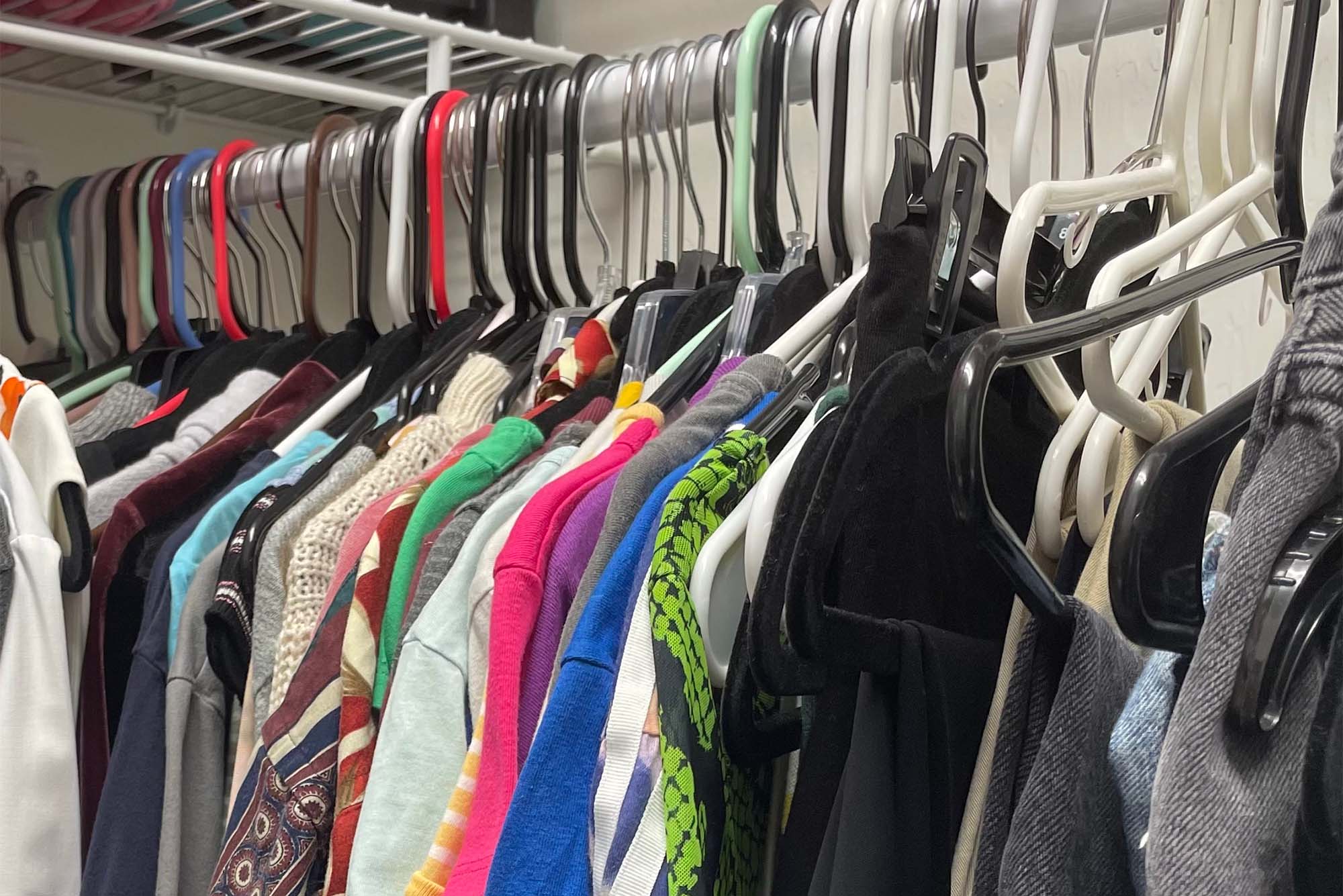
Run your fingers along the armholes, crotch seams, and shoulder straps. Look for thinning fabric, tiny holes, or loose threads that indicate the seam is about to split. On vintage denim, check the pocket bags for tears; replacing them is a tedious, expensive fix that kills your profit margin.
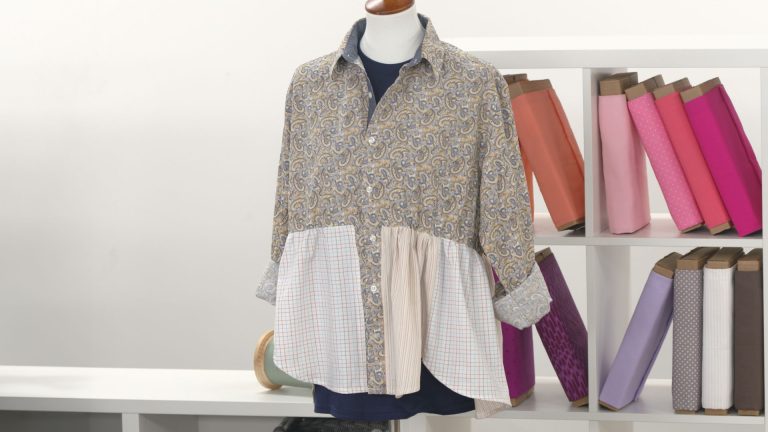
Zip and unzip every closure. If a zipper sticks or the slider feels gritty, it likely needs replacement. For buttons, tug them gently to ensure they are securely anchored. Broken zippers on vintage coats or high-end jeans can cost $50–$100 to fix professionally, turning a profitable flip into a loss.
Hold the garment up to the light to spot translucent spots or yellowing underarms. Smell the fabric deeply for mildew, smoke, or body odor, which are often impossible to remove completely. A faint musty smell might be washable, but a strong chemical or smoke odor usually means the item should be left on the rack.
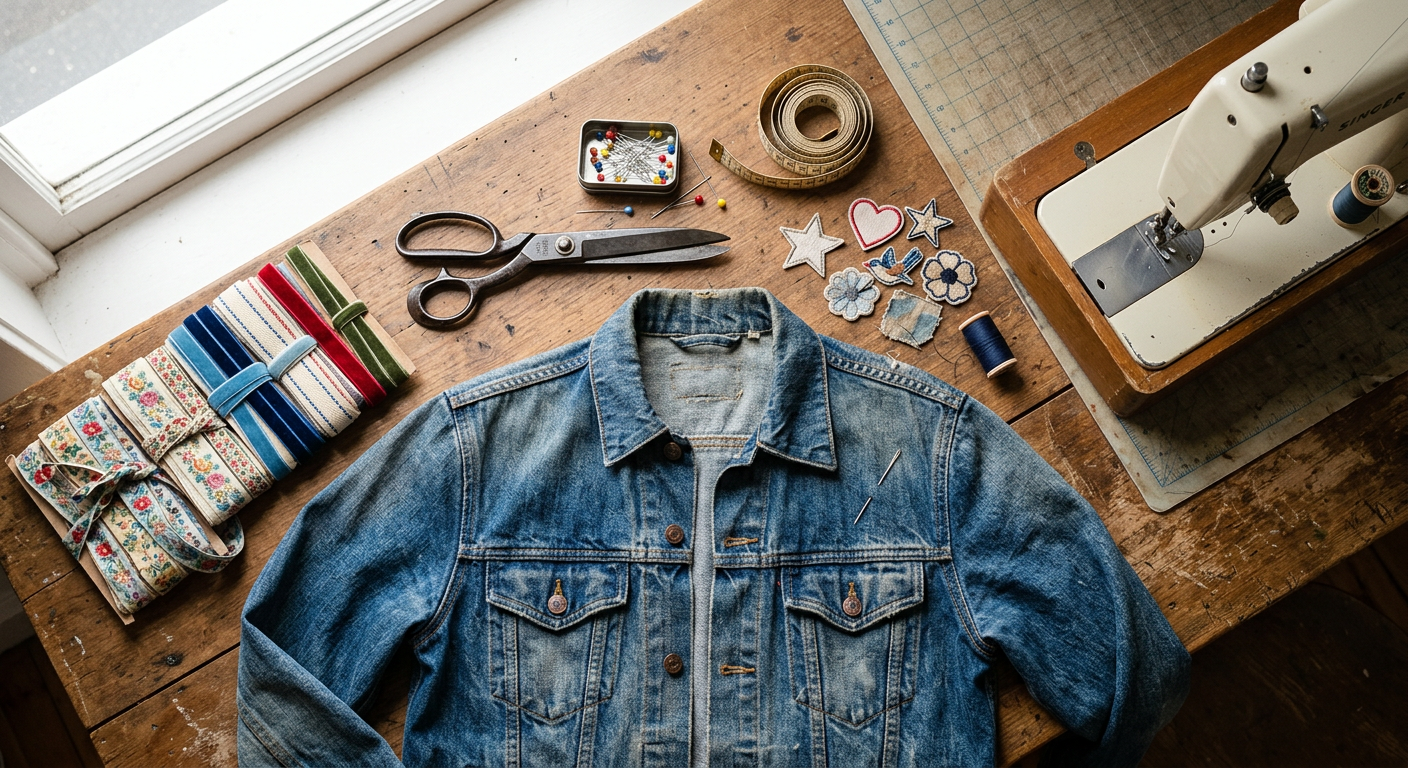
Check the care label for material content. Natural fibers like wool, silk, and cotton often hold value better and are easier to resell than synthetic blends, which can pill or melt easily. Be wary of "dry clean only" labels on items with visible wear; the cleaning costs will eat into your resale price.
Taking five minutes to inspect these specific failure points saves you from buying items that require professional restoration. Stick to pieces with solid construction, and you'll keep your flipping costs low and your profit margins high.
Plan for ownership costs
A $10 vintage jacket might look like a steal, but the true cost of flipping includes the hidden expenses that eat into your margin. Before you list an item, factor in cleaning, repairs, and the tools required to make it saleable. A stained leather jacket isn't just a bargain; it's a project that requires professional cleaning or specialized conditioners, which can cost more than the item itself.
Consider the "maintenance surprise." Thrifted electronics often need new batteries or cables. Vintage clothing may have missing buttons or loose hems. If you buy a designer bag with a broken clasp, the repair cost must be subtracted from your potential profit. Always inspect items for wear that requires immediate attention. If the fix costs more than 20% of your purchase price, the deal is likely bad.
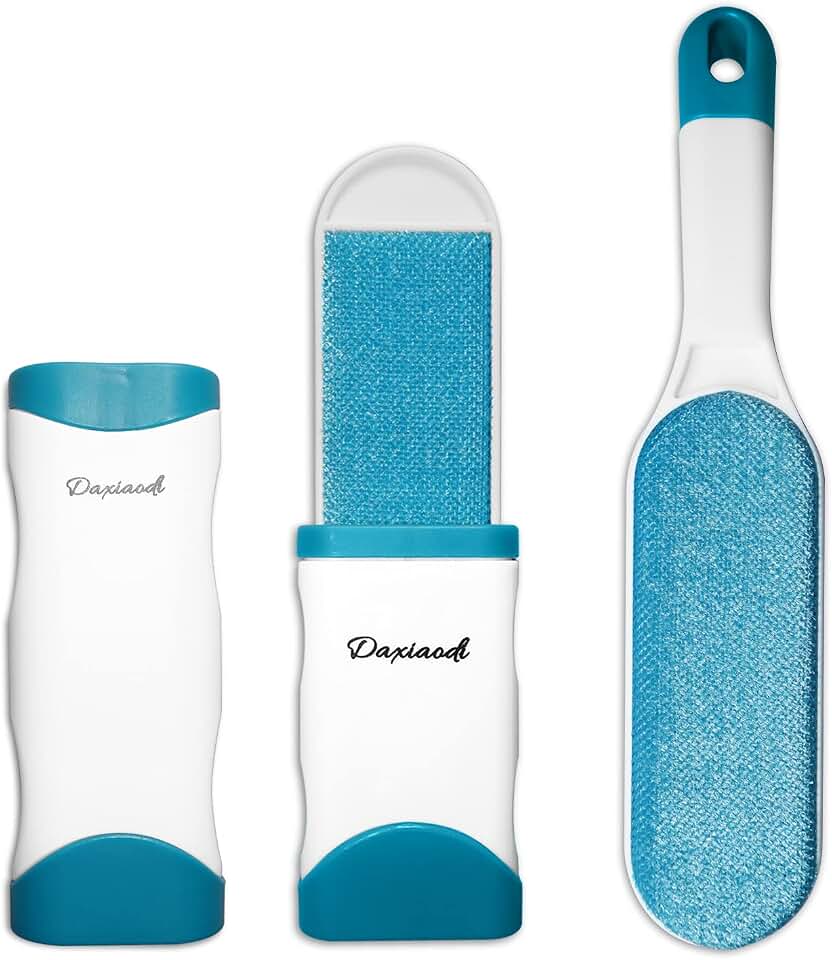
Here are common tools and supplies that add to your ownership costs:


As an Amazon Associate, we may earn from qualifying purchases.
When a cheap buy stops being cheap is when the total investment—purchase price plus time and materials—exceeds the market value. Flipping is a business, not just a hobby. If you spend three hours cleaning a $5 shirt that sells for $15, your hourly wage is low. Calculate your break-even point before you buy. If the item doesn't cover its own maintenance costs, put it back.
Thrift store flipping for profit: what to check next
Flipping thrift store items is a viable side hustle, but it requires treating it like a business rather than a casual shopping trip. Success depends on understanding market value, platform fees, and the time investment required to source, photograph, and ship items. Below are the most common questions readers ask before starting.
No comments yet. Be the first to share your thoughts!