Setting a realistic thrift flipping budget
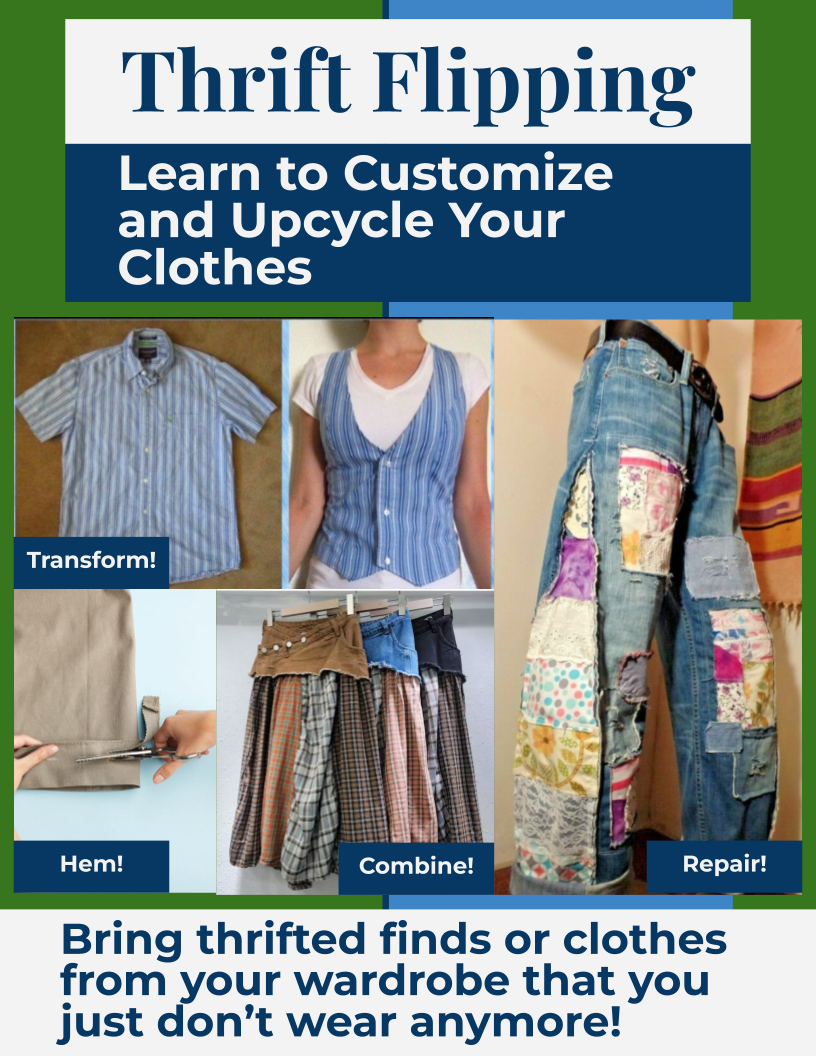
Thrift store flipping works best when you treat it as a low-cost inventory game rather than a high-stakes auction. You do not need huge investments to start; the goal is finding underpriced items in local thrift stores and flipping them online for a profit. This approach keeps your risk low while you learn to identify vintage brands and designer finds that sell quickly.
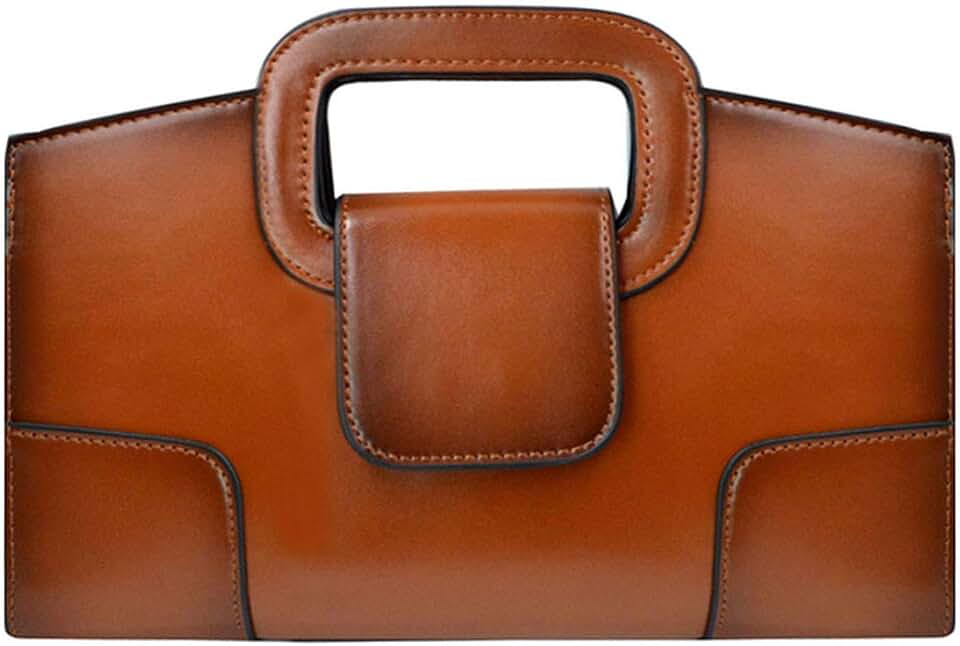
A practical starting budget for most beginners ranges from $50 to $200. This amount allows you to buy a few higher-value pieces—like a vintage Levi’s jacket or a Mid-Century Modern chair—without draining your savings. If you are just testing the waters, start with a $20–$50 budget focused on small accessories like handbags or jewelry. These items move faster and help you understand pricing trends without tying up capital in bulky furniture.
Condition and age are your primary tradeoffs. Older items with visible wear, stains, or missing buttons will sell for significantly less, even if the brand is desirable. Your budget should account for cleaning supplies or minor repairs. If you buy a piece that needs restoration, factor in the cost of materials and your time. Items in "like new" condition command higher prices but are harder to find at thrift store prices, so you may need to increase your initial budget to compete with other flippers.
Track your spending carefully. Many new flippers overbuy on cheap items, thinking volume equals profit. Instead, focus on quality over quantity. A single well-researched designer item sold for a $50 profit is better than ten thrift store donations that sit in your garage. Review your sales data monthly to see which categories yield the best return on investment, then adjust your budget accordingly.


As an Amazon Associate, we may earn from qualifying purchases.
Shortlist real options
Thrift Flipping works best when the purchase path is explicit. Verify the source, compare the offer against real alternatives, check the total cost, and confirm what happens after payment before you decide. After each comparison, write down the one risk that would change your mind. If the seller, condition, support, warranty, shipping, or upkeep still feels uncertain, resolve that question before moving to checkout.
| Factor | What to check | Why it matters |
|---|---|---|
| Fit | Match the option to the primary use case. | A good deal still fails if it does not fit the job. |
| Condition | Verify age, wear, and service history. | Hidden condition issues erase upfront savings. |
| Cost | Compare purchase price with likely upkeep. | The cheapest option is not always the lowest-cost option. |
Inspect the expensive parts
Thrift Flipping works best as a clear sequence: define the constraint, compare the realistic options, test the tradeoff, and choose the path with the fewest hidden costs. That order keeps the advice usable instead of decorative. After each step, pause long enough to check whether the recommendation still fits the reader's actual situation. If it depends on perfect timing, unusual access, or a best-case budget, include a simpler fallback.
Ownership costs: when a cheap buy stops being cheap
A $5 thrift store find can quickly become a $20 loss if you ignore the hidden costs of ownership. Before you list an item, calculate the total cost of acquisition, which includes the purchase price, shipping supplies, and platform fees. These overheads eat into your margin faster than you might expect.
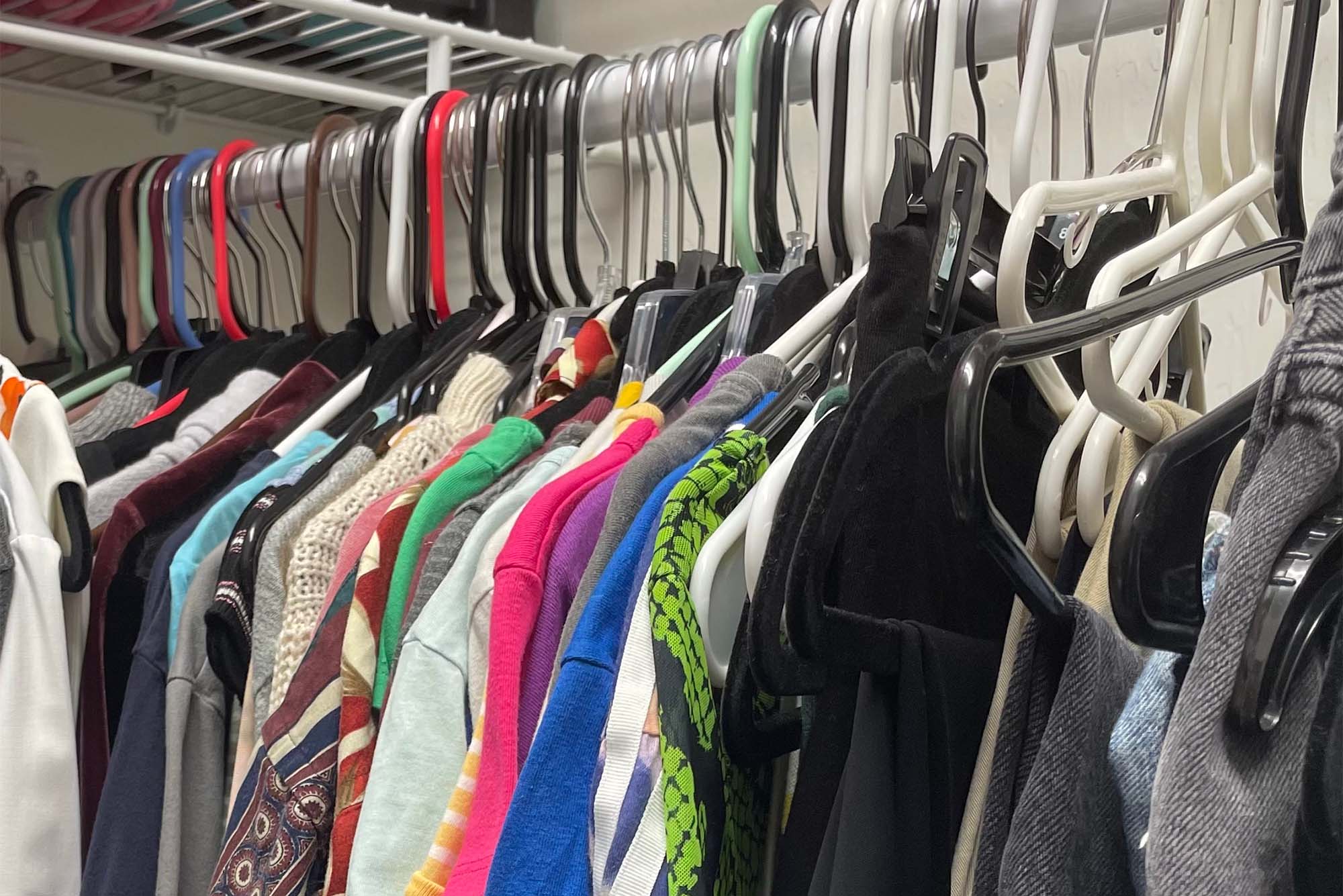
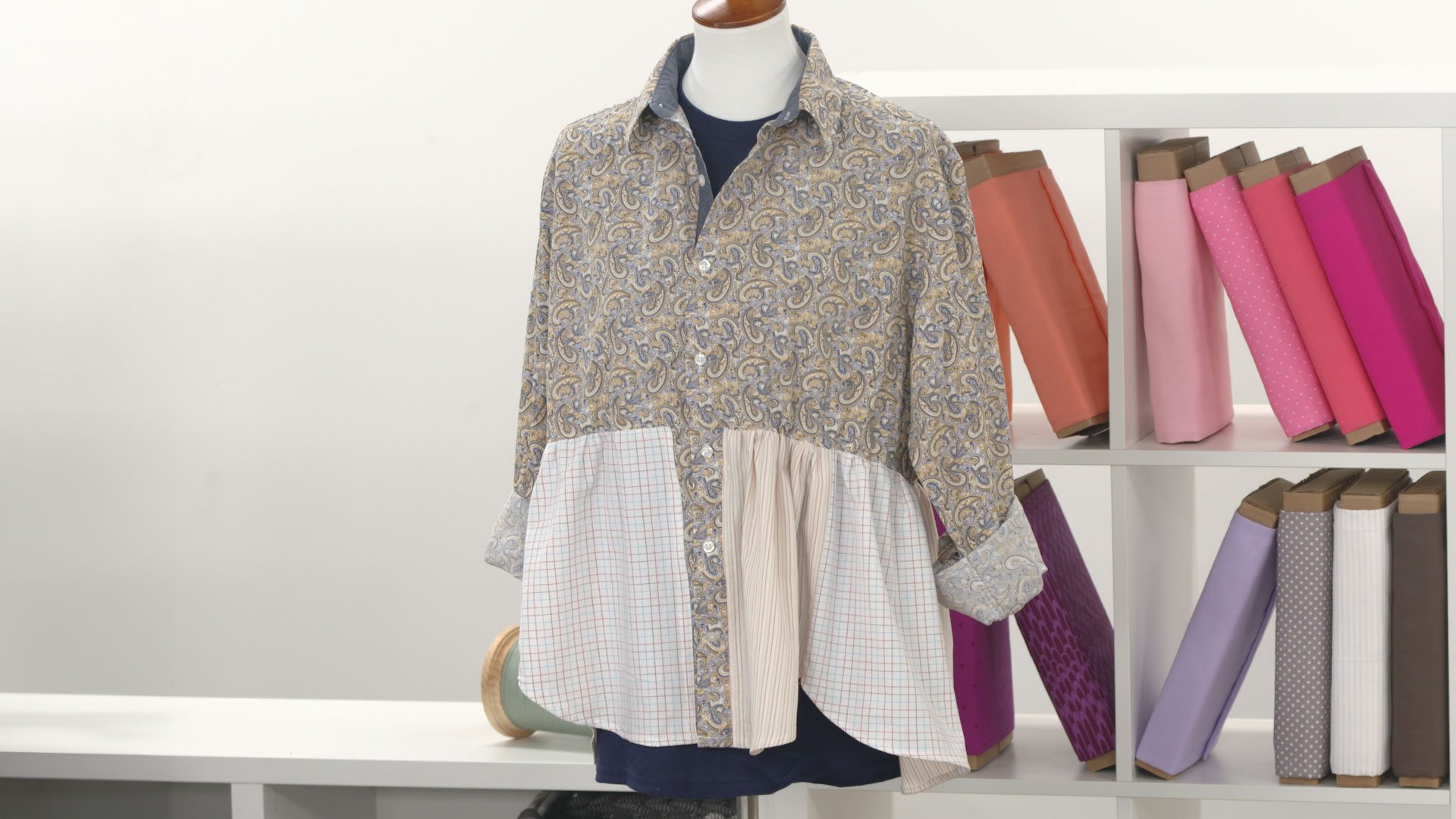
Maintenance is the most common surprise. Vintage clothing often requires professional dry cleaning or specialized leather conditioning to be market-ready. If a designer bag has broken hardware or a torn seam, repair costs can exceed the item’s resale value. Always inspect items thoroughly before buying to avoid inheriting someone else’s repair bills.
Storage and time are also hidden costs. Cluttered inventory takes up space and mental energy. If you cannot sell an item within a reasonable timeframe, it becomes dead stock that ties up capital. A cheap buy only stays cheap if you can move it quickly and efficiently.


As an Amazon Associate, we may earn from qualifying purchases.
Thrift store flipping for profit: what to check next
Thrift store flipping is a legitimate business model, but it requires more than just finding cheap items. Success depends on your ability to spot value, navigate resale laws, and manage the logistics of online selling. Here are the most common questions about turning secondhand finds into profit.
No comments yet. Be the first to share your thoughts!