Get thrift store flipping profit right
Thrift flipping isn't passive income; it's a disciplined arbitrage business. Before you buy a single item, you need to verify that your sourcing strategy aligns with your resale margins. The gap between what you pay and what the market bears determines your survival.
Start with your equipment. A reliable digital scale, a portable steamer, and a decent camera setup are non-negotiable. Without these, your listings will look amateurish, and shipping costs will eat your profits. You also need a dedicated workspace for washing and inspecting items. Don't skip the laundry step; stained vintage pieces rarely sell above $20 unless they are rare designer finds.
Next, understand the legal and platform boundaries. Selling used clothing is legal, but you must comply with tax laws in your jurisdiction. Most platforms require you to report income if it exceeds a certain threshold. Additionally, familiarize yourself with each platform's prohibited items list. Some marketplaces restrict certain vintage textiles or branded goods. Ignoring these rules can get your account banned before you make your first sale.
Finally, set realistic financial expectations. While some flippers report making $2,000–$3,000 a month, this usually requires full-time hours and a deep knowledge of brand value. For most beginners, the first few months are about learning the market. Focus on finding one or two categories you know well, such as denim or specific sportswear brands. Mastering a niche reduces your research time and increases your confidence in pricing.
Work through the steps to flip thrift store clothes
Thrift store flipping for profit relies on a simple arbitrage model: buy underpriced items locally and resell them online for a market rate. The goal is to find vintage clothing brands worth money that other shoppers overlook. Success depends on speed, accurate valuation, and efficient logistics rather than luck.
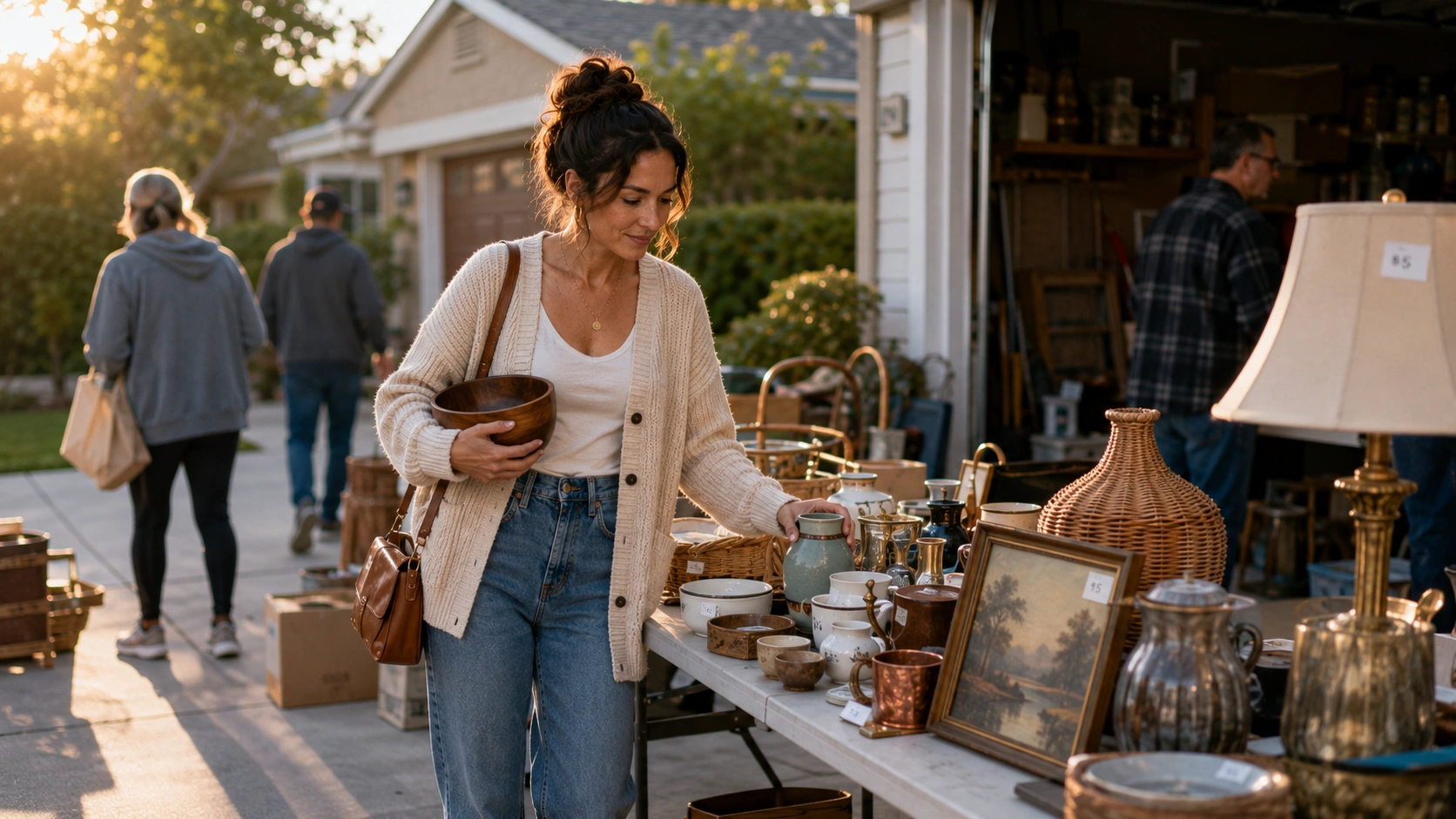
Start your hunt in local thrift stores, estate sales, or discount outlets like Goodwill or Salvation Army. Focus on sections with higher-end brands: women’s blouses, men’s button-downs, and denim. Look for specific vintage clothing brands worth money, such as Levi’s, Pendleton, Ralph Lauren, or Patagonia. Avoid fast fashion items unless they are heavily discounted, as they rarely hold resale value.
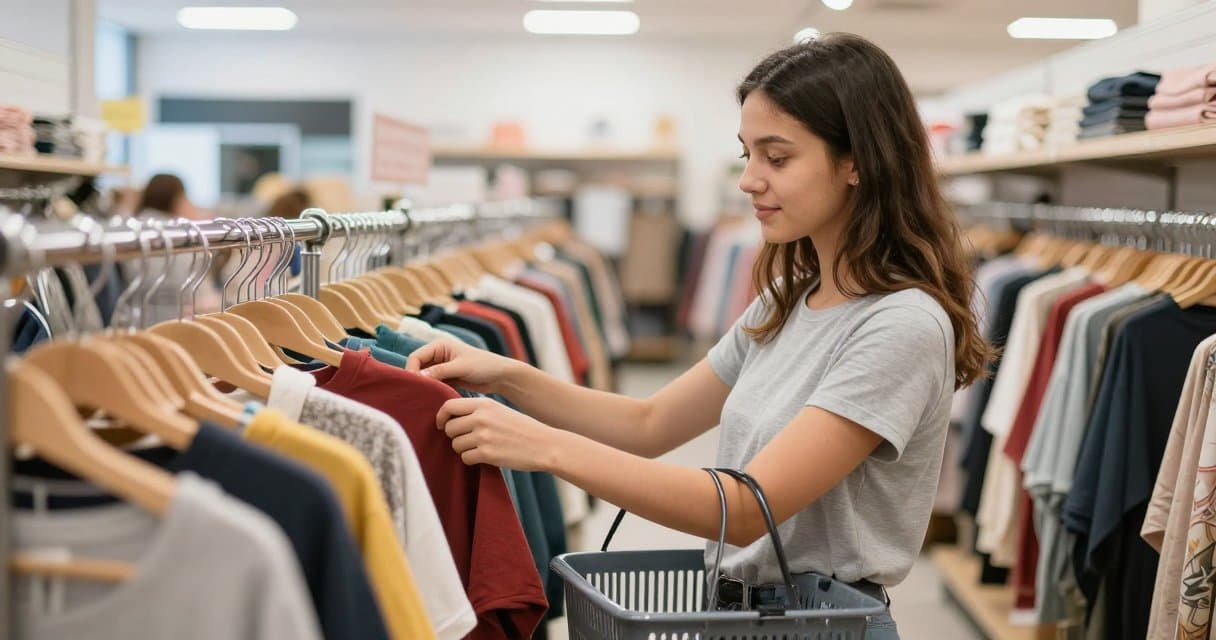
Before purchasing, examine every garment for flaws. Check for stains, holes, missing buttons, or fading. Smell the fabric for mildew or smoke, which are difficult and expensive to remove. Verify authenticity by checking tags, stitching quality, and hardware. For vintage clothing brands worth money, specific details like red tab Levi’s or wool content labels can significantly increase value.
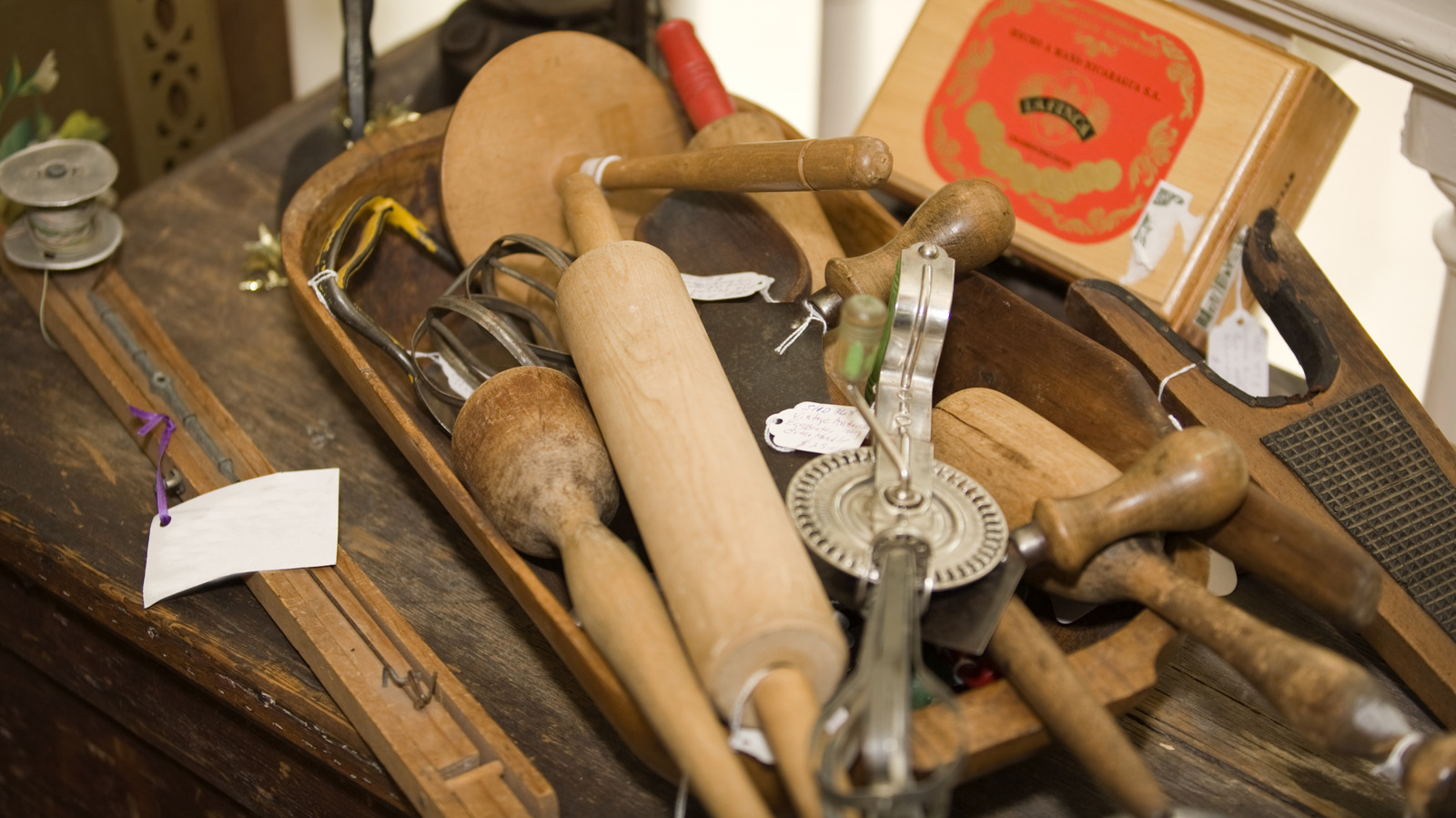
Use the eBay app or website to search for sold listings of the item, not just active listings. Sold data shows what buyers actually paid. Aim for items where you can buy for less than 20% of the resale value. This margin covers platform fees, shipping materials, and postage while leaving room for profit. If an item doesn’t meet this threshold, leave it behind.
Clean or steam the garment if necessary. Take clear, well-lit photos against a plain background. Include close-ups of the brand label, care tag, and any unique details or flaws. Accurate photos reduce return rates and build buyer trust. Natural light works best; avoid heavy filters that distort the true color of the fabric.
Create a detailed listing with a keyword-rich title, including the brand, style, and condition. Measure the garment flat and provide those dimensions in the description. Use a scale at home to weigh the package accurately before buying postage. Print the label through the platform you are using (e.g., eBay, Poshmark) to access discounted commercial rates. Ship within one to two days to maintain good seller metrics.
Fix common mistakes
Thrift flipping is not a get-rich-quick scheme; it is a disciplined retail arbitrage business. The gap between a $2 find and a $50 sale is usually closed by attention to detail, not luck. Most beginners lose money because they skip verification steps or ignore platform-specific rules.
Ignoring fabric composition
The biggest error is buying based on brand name alone. A vintage Levi’s made in 2024 with synthetic blends is worth far less than a 1990s 100% cotton piece. Always check the care tag. If the material is polyester or a blend, the resale value drops significantly unless it is a high-fashion designer piece.
Overlooking hidden damage
Flaws kill profits. Inspect under bright light for:
- Stains: Check armpits, collars, and hems. Set-in stains are often unsellable.
- Holes: Look for thinning fabric or moth damage in wool items.
- Zippers and Buttons: Test all closures. Broken zippers cost more to fix than the item’s profit margin.
Skipping market research
Never buy an item without checking its sold price on eBay or Poshmark. A quick search shows what buyers actually pay, not what sellers list. If an item has sold for $5 in the last 90 days, do not buy it for $3. The margins are too thin to cover fees and shipping.
Poor photography
Your photos are your sales pitch. Blurry, dark, or cluttered images signal low quality. Use natural daylight. Shoot the front, back, tags, and any flaws clearly. A clean, well-lit photo can increase your selling price by 20-30%.
Thrift store flipping for profit: what to check next
Before committing time to sourcing and listing, it helps to clarify the financial and legal realities of the business. Thrift store flipping involves buying undervalued items at charity shops and reselling them online for a profit. While the barrier to entry is low, success depends on knowing what to buy, how to price it, and staying compliant with local tax laws.
Is thrift store flipping worth it?
Yes, it is worth it for those willing to treat it as a serious side hustle rather than a casual hobby. The primary advantage is the low financial risk; you only spend money on inventory you intend to sell. However, profitability relies heavily on your ability to identify high-demand items quickly. If you enjoy thrifting and have the patience to research market prices, the time investment often yields a strong return on investment compared to traditional retail arbitrage.
How much money can you make flipping thrift store items?
Earnings vary significantly based on volume and item quality. Beginners might earn a few hundred dollars a month, while experienced flippers can generate $2,000 to $3,000 monthly with consistent sourcing. The margin on individual items is often small, so profit scales with the number of successful flips. High-end vintage brands and collectibles typically offer the highest per-item margins, while everyday items require higher volume to achieve substantial income.
Is thrift store flipping legal?
Flipping items bought from thrift stores is generally legal, as you own the items once purchased. However, you must comply with local business regulations. This includes registering your business if required, collecting and remitting sales tax on online transactions, and reporting income for tax purposes. Some jurisdictions have specific rules about reselling second-hand goods, so checking local laws is essential to avoid fines or legal issues.
What is the most profitable item to flip?
Vintage clothing from recognized brands, particularly outerwear, denim, and band tees, often yields the highest profit margins. Mid-century modern furniture and authenticated designer accessories are also highly profitable but require more space for storage and shipping. Electronics and popular book series can be lucrative if you can verify functionality and condition quickly. The key is to focus on categories where you have specific knowledge to accurately assess value and demand.
No comments yet. Be the first to share your thoughts!