Vintage clothing brands worth budget
Flipping vintage clothing is less about finding a hidden treasure and more about knowing which labels carry weight. A faded Levi’s 501 might sell for $20, but a vintage Chanel tweed jacket or a pristine Pendleton wool shirt can command hundreds. The difference lies in construction, brand heritage, and current demand. When you’re hunting for profit, you need to separate the iconic labels from the generic "vintage style" pieces that dominate thrift stores.
Focus your search on brands with strong resale histories. Chanel, Hermès, and Yves Saint Laurent remain the gold standard for luxury vintage. Their items hold value because of their timeless design and rigorous quality control. For a more accessible entry point, look at workwear and Americana brands like Levi’s, Wrangler, and Carhartt. These pieces are durable, often well-made, and consistently in demand among younger buyers who prefer quality over fast fashion.
Don’t overlook outdoor and heritage brands. Patagonia, L.L.Bean, and North Face items from the 1980s and 1990s are highly sought after. Their technical fabrics and classic cuts have aged well, making them easy to resell. Even brands like Tommy Bahama or Ralph Lauren can yield good profits if the condition is excellent. The key is to check for stains, tears, or fading before you buy. A small defect can slash the resale value by half, turning a potential profit into a loss.
To help you identify which pieces are worth buying, here are some of the most profitable vintage brands to look for in thrift stores and online marketplaces.

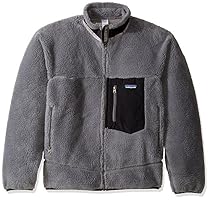
- Iconic fleece design
- Excellent condition rarity
- Strong resale market

As an Amazon Associate, we may earn from qualifying purchases.
Shortlist real options
Not all vintage holds value. The market rewards specific labels known for craftsmanship, scarcity, or strong brand equity. Flipping works best when you target pieces that already have a resale floor.
We compared the strongest vintage clothing brands worth money based on current resale activity, condition sensitivity, and brand recognition. These are the labels that consistently move on platforms like eBay, Poshmark, and Depop.
Chanel
Chanel vintage, particularly tweed jackets from the 1980s and 1990s, remains the gold standard for flipping. The iconic CC logo and high-quality materials ensure steady demand. However, condition is everything. Missing buttons or stained linings can drop value drastically.
Pendleton
Pendleton wool shirts and blankets are staples of vintage Americana. Their durability means pieces from the 70s, 80s, and 90s often survive in excellent shape. The brand’s association with quality wool makes it a reliable flip target for casual and outdoor styles.
Tommy Bahama
This brand captures the relaxed resort wear trend. Vintage Tommy Bahama pieces with bold prints are popular for their nostalgic 90s and 2000s appeal. The cotton blends used in their shirts are easy to clean and maintain, keeping condition risks low.
Christian Dior
Designer dresses from Christian Dior, Yves Saint Laurent, and Gucci can fetch hundreds or thousands. These pieces are valuable due to their historical significance and craftsmanship. However, they require careful handling and authentication to ensure a successful sale.
Inspect the expensive parts
Thrift Flipping works best as a clear sequence: define the constraint, compare the realistic options, test the tradeoff, and choose the path with the fewest hidden costs. That order keeps the advice usable instead of decorative. After each step, pause long enough to check whether the recommendation still fits the reader's actual situation. If it depends on perfect timing, unusual access, or a best-case budget, include a simpler fallback.
Ownership Costs and Maintenance Surprises
A low purchase price doesn’t guarantee profit if the item requires significant investment to become resalable. Vintage clothing often carries hidden costs that eat into margins, from professional cleaning to necessary repairs. Before listing an item, assess the true cost of getting it into condition that meets buyer expectations.
Cleaning is the first expense to factor in. Delicate fabrics like silk, wool, or structured tweed (common in brands like Chanel or Pendleton) often require dry cleaning, which can cost $15–$30 per garment. For items with stains or odors that dry cleaning can’t remove, you may need specialized restoration services or may have to discard the item entirely. Always budget for at least one cleaning cycle per potential flip.
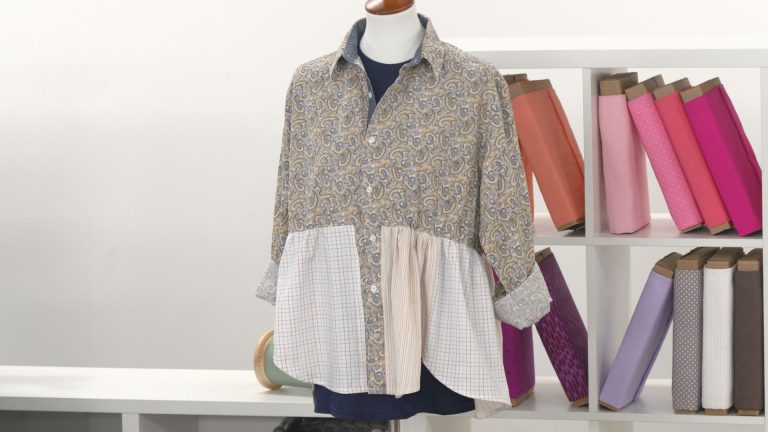
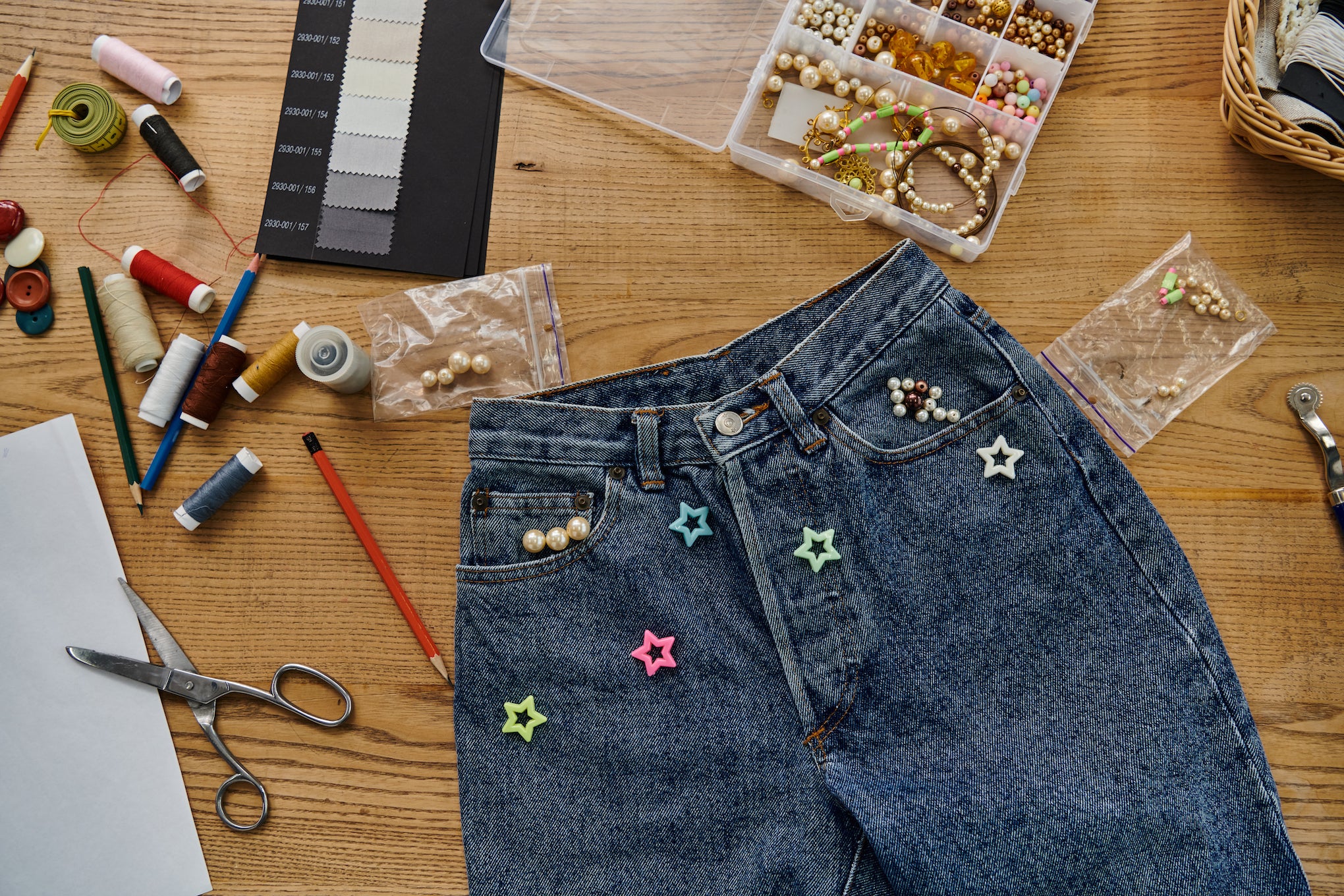
Repairs can quickly turn a $10 find into a loss. Loose buttons, broken zippers, and minor tears are common in vintage pieces. While replacing a button is a $1 DIY task, structural repairs like re-stitching seams or lining replacements can cost $20–$50 from a tailor. If the damage is extensive, the item may only be viable for parts or upcycling, not direct resale.
Storage and presentation also add up. Proper garment bags, acid-free tissue paper, and professional photography backgrounds are essential for maximizing sale price. Cheap items often look cheap if presented poorly. Investing in basic presentation materials ensures your vintage pieces stand out in a crowded online marketplace.
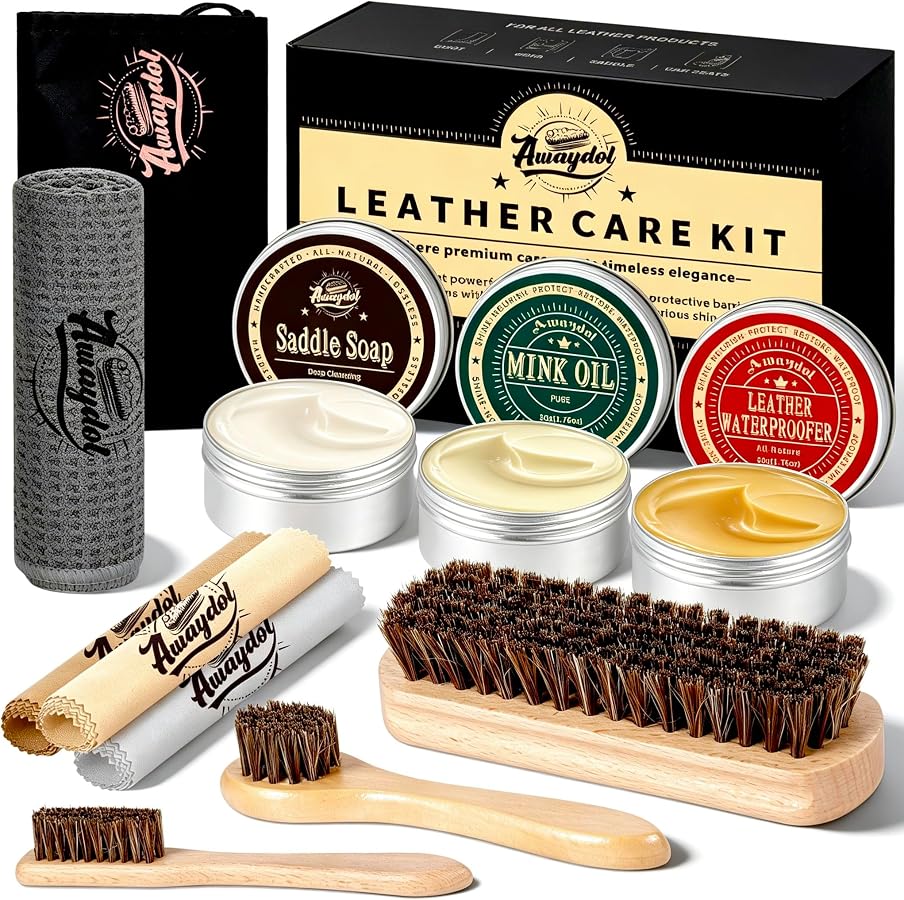


As an Amazon Associate, we may earn from qualifying purchases.
When a cheap buy stops being cheap is usually when the restoration cost exceeds 30% of your target resale price. If you buy a vintage blazer for $10 but need to spend $15 on cleaning and repairs, your break-even point is high, leaving little room for profit. Always calculate total ownership costs—purchase, cleaning, repairs, and listing fees—before committing to a flip.
Vintage clothing brands worth money: what to check next
Finding profitable vintage clothing requires knowing which labels hold value and why. Some brands are sought after for their construction quality, while others carry historical prestige or trend-driven demand. Below are answers to common questions about which vintage clothing brands are worth the money and reselling.
What are the best brands for vintage clothing?
High-value vintage brands typically fall into two categories: heritage workwear and luxury designers. Levi’s 501 jeans, Pendleton wool shirts, and Members Only jackets are consistent sellers due to their durability and current Gen Z popularity. On the luxury end, Chanel tweed blazers, Gucci silk scarves, and Christian Dior garments command higher prices because of brand recognition and resale demand.
Which clothing brands are worth the money?
When buying vintage to resell, focus on brands with strong secondary markets. Tommy Bahama, Gunne Sax, and Ralph Lauren are reliable choices for casual and preppy aesthetics. For high-end pieces, labels like Yves Saint Laurent and Balenciaga often retain or increase in value, especially if the items are in excellent condition and include original tags or documentation.
Which brands are considered old money?
"Old money" style refers to classic, understated luxury brands that signal heritage rather than flash. Think Brooks Brothers, Vineyard Vines, L.L.Bean, and Burberry trench coats. These items are popular for their timeless appeal and quality materials. They may not always fetch the highest prices like couture, but they sell steadily to buyers seeking a refined, preppy look.
What clothing brands are worth reselling?
The most profitable brands to resell are those with active communities and consistent demand. Levi’s, Nike, Adidas, and Champion sportswear move quickly. Designer items from Chanel, Dior, and Gucci offer higher margins but require authentication expertise. Always check for condition, completeness (buttons, zippers, tags), and any flaws before buying inventory to resell.
No comments yet. Be the first to share your thoughts!