Start with the right gear
Thrift store flipping for profit doesn't require a warehouse or a fancy scanning app before you make your first sale. You just need a few cheap tools to help you spot value and prepare items for listing. Think of this as your starter kit for turning secondhand finds into cash.
Essential Tools for Flippers
You can start flipping immediately with items you likely already own or can buy for under $20. Here is the minimal gear you need to succeed:
- Measuring Tape: Vintage sizing is notoriously inconsistent. A pair of jeans labeled "Medium" in the 1990s might fit like a modern "Large." Always measure the pit-to-pit, waist, and inseam of garments like Levi's or Nike windbreakers before buying. This prevents returns and keeps your seller rating high.
- Portable Steamer: Ironing is slow and risky on delicate vintage fabrics. A small, handheld steamer removes wrinkles from Lululemon leggings or flannel shirts in seconds, making them look fresh and ready to wear in photos. It’s a small investment that saves hours of labor.
- Flashlight or Ring Light: Store lighting is often dim or yellow, hiding stains, holes, or brand tags. A simple ring light or your phone’s flashlight helps you inspect seams and labels closely. Clear, well-lit photos sell items faster and at higher prices.
Where to Find Your Starter Kit
You don't need to overbuy. Start with one of each tool and expand as you scale. Here are some reliable options to get you started:


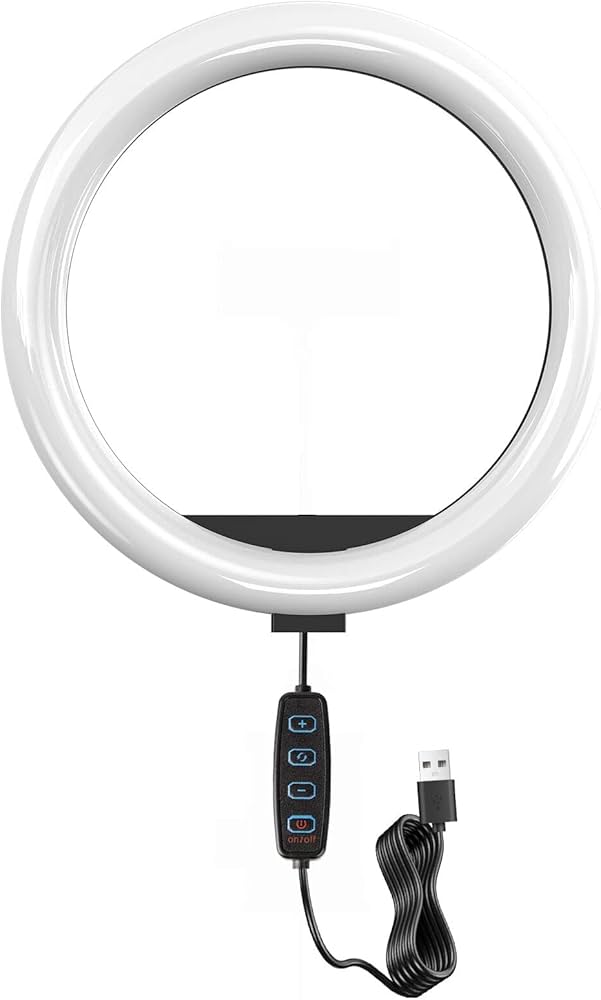
As an Amazon Associate, we may earn from qualifying purchases.
With these basics in hand, you are ready to hit the thrift aisles. The next step is learning how to scan items quickly and spot the brands that actually move.
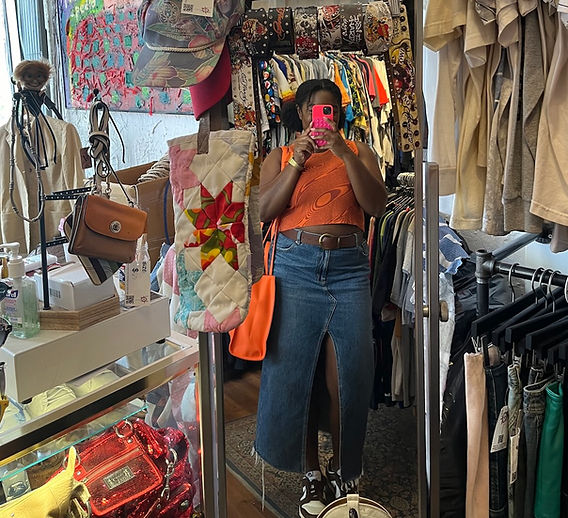
Keep a flexible measuring tape in your pocket or bag. When you spot a potential vintage find, measure it immediately. This habit saves time and ensures you only buy items that fit your target buyer profile.
Shine your light on seams, collars, and underarms. Look for hidden stains, pilling, or broken zippers. A quick inspection prevents you from bringing home damaged goods that won't sell.
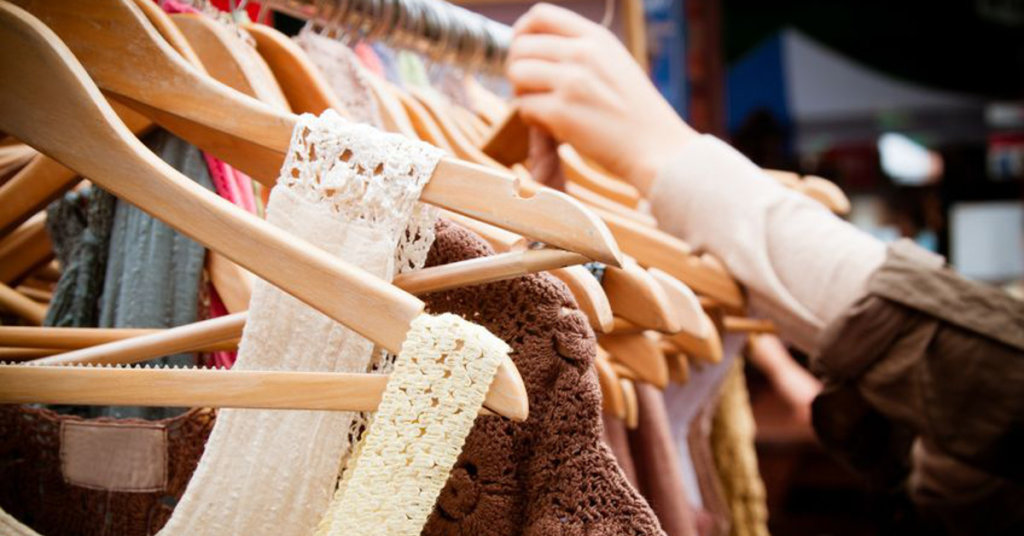
Identify the brand and era. Vintage Levi's, Nike, or Lululemon items often have specific tags that indicate their value. Look for "Made in USA" or discontinued colorways that collectors seek.

Once home, steam your items to remove wrinkles. A crisp, clean look in your photos increases click-through rates and helps you justify a higher price point.
Spot valuable thrift store finds
Flipping starts with your eyes. Before you even think about scanning barcodes or checking eBay sold listings, you need to know what to look for on the rack. The best finds are hiding in plain sight, usually marked down because they look worn or are in a less obvious section.
Check the label first
Flip the garment inside out and look for the brand tag. You are hunting for heritage names that hold value decades later. Levi’s is the gold standard here; look for the iconic red tab on the back pocket of denim. If the tab is missing or looks like a cheap reprint, skip it. Other reliable brands include Nike, especially vintage athletic wear, and Lululemon for high-quality activewear. Even if a modern brand like Lululemon has a small stain, the fabric quality often justifies the buy if you can clean it.
Feel the fabric
Brand isn't everything. The material determines how long the item lasts and who will buy it. Run your fingers over the fabric. You want heavy, substantial cottons, thick wool, or durable synthetics. If the fabric feels thin, scratchy, or like it will pill after one wash, put it back. Vintage denim should feel stiff and substantial, not flimsy. High-quality fabrics age gracefully and appeal to buyers looking for durability.
Inspect for damage
Once you spot a promising label and feel good fabric, do a quick damage check. Look at the underarms for yellowing or holes. Check the seams for splitting, especially on jeans and jackets. Inspect the buttons and zippers to make sure they are intact. A small hole can be a dealbreaker, but a missing button is an easy fix. If the item has strong odors like smoke or mildew, skip it. Those smells are nearly impossible to remove and will kill your resale value.
Know the price point
Finally, keep the thrift store’s pricing in mind. You are looking for items that sell for $20 or more online but are priced under $5 in the store. This margin gives you room for profit after fees and shipping. If you are unsure about a brand, take a photo and check your phone quickly. But don’t spend too much time researching every item. Move fast on the obvious hits and keep your eyes open for the next gem.
Check condition and authenticity
Before you add an item to your cart, you need to be sure it’s actually worth flipping. Buying damaged goods or fake vintage items is the fastest way to eat into your profits. A quick, systematic inspection saves you from buying things that won’t sell or that you’ll have to throw away.
1. Check for stains and odors
Start with the obvious. Hold the garment up to the light and look for yellowing, discoloration, or spots. Pay close attention to underarms, collars, and hems. If the item smells like mildew, smoke, or heavy perfume, skip it. These smells are notoriously difficult to remove and can ruin a high-quality piece.
Run your fingers along the seams. Look for fraying, loose threads, or holes. For denim, check the inner seams for fraying. If a seam is broken, it’s often a sign of poor storage or previous wear that will only get worse.
Look at the tags. Brands like Levi’s, Nike, and Lululemon have distinct tag styles that change over time. A Levi’s tag from the 90s looks different from one today. Check the stitching and fabric quality. If it feels cheap or the logo is peeling, it’s likely a modern reproduction or a low-quality knockoff.
Zip up zippers, button buttons, and stretch the fabric. Make sure zippers move smoothly and don’t catch. For activewear like Lululemon, check for pilling or loss of elasticity. If a zipper is stuck or a button is missing, factor in the cost and effort to fix it before you buy.
2. Look for hidden flaws
Sometimes the damage isn’t immediately visible. Turn the item inside out to check for thinning fabric, especially in high-friction areas. Look for moth holes in wool or cashmere. If you’re buying shoes, check the soles for uneven wear or separation. These hidden flaws can be dealbreakers for resellers.
3. Confirm authenticity
For high-value vintage items, authenticity is everything. Learn to spot the differences between genuine vintage and modern replicas. Check the stitching, hardware, and labels. If something feels off, do a quick online search or consult a vintage guide. Buying a fake as if it’s authentic will lead to returns and bad reviews.
4. Make the final call
After your inspection, decide if the item is a good flip. Consider the cost of repairs, cleaning, and shipping against the potential resale price. If the item has major flaws, it’s probably not worth the risk. Success relies on buying smart, not just buying cheap.
Price and list your items online
You’ve found the goods, cleaned them up, and now comes the part that actually pays the bills: getting them listed. Treat your listings like a storefront, not a garage sale. Buyers on platforms like Poshmark, eBay, and Depop want clarity, speed, and trust before they click "buy."
Research the real market value
Never guess what something is worth. A vintage Levi’s 501 jacket might look like a $20 item to you, but the market says otherwise. Use the "sold" filters on eBay or the "sold" tag on Poshmark to see what people actually paid recently.
Check specific vintage brands carefully. A standard Nike windbreaker might sell for $30, but a 90s Nike ACG piece could go for $150. Similarly, Lululemon items from the early 2000s often command higher prices due to fabric quality and nostalgia. If you can’t find recent sold comps, your item is likely overpriced or too niche. Aim for the median price of the last 10 sold listings, not the highest one.
Write listings that convert
Your photos and description do the selling for you. Start with clean, well-lit photos. Use natural light if possible, and show every angle, including any flaws. Transparency builds trust and reduces returns.
In your description, be specific. Instead of "vintage shirt," write "1998 Vintage Levi’s Denim Jacket, size M, slight fading on sleeves." Include measurements (pit-to-pit, length) because sizing varies wildly between decades. Mention any stains, holes, or missing buttons upfront. Buyers appreciate honesty, and it protects you from disputes.
Choose the right platform
Different platforms suit different items. Poshmark is great for fashion brands like Lululemon, Nike, and Levi’s because of its social sharing features. eBay is better for rare vintage pieces or electronics where buyers search by specific model numbers. Depop appeals to Gen Z buyers looking for trendy, streetwear, or Y2K aesthetics. List your items where your target buyer already hangs out.
Price for speed and profit
Price your items slightly below the average sold price to attract quick offers. Most platforms allow you to accept offers, so pricing a bit higher gives you room to negotiate. If an item hasn’t sold in two weeks, consider lowering the price or bundling it with another item. Speed turns inventory into cash, which you can use to buy more flips.
Pack and ship efficiently
Shipping is the final hurdle. A well-packed item arrives safely, keeping your seller rating high and your customers happy. Think of packaging as insurance for your inventory; it protects the vintage piece from the wear and tear of transit.
Gather your supplies
You don't need expensive equipment to start. A local office supply store or hardware store usually has everything you need for a fraction of the cost of specialty shipping mailers. Focus on durability over aesthetics.
- Padded mailers: Ideal for soft goods like clothing. Choose bubble-lined versions for extra protection.
- Cardboard boxes: Best for rigid items or stacks of heavy denim. Ensure the box is sturdy and not previously damaged.
- Bubble wrap: The gold standard for cushioning. Use it to wrap fragile items or line the bottom of boxes.
- Packing tape: Use clear, pressure-sensitive packing tape. Avoid masking tape, which can fall off and expose your package.
Prepare the item
Before sealing anything up, ensure the vintage piece is clean and dry. Moisture can lead to mold or mildew during shipping, which is a quick way to get a negative review. If you're selling a Levi's jacket or a Nike windbreaker, give it a quick steam or press to remove wrinkles. Wrinkles can make a high-quality vintage item look worn or neglected.
For items like Lululemon leggings or delicate fabrics, consider folding them neatly rather than stuffing them into a bag. This maintains the garment's shape and shows you care about the product. If the item has any minor flaws, take a close-up photo and include it in the package so the buyer knows exactly what they're getting.
Seal and label
Once your item is wrapped, seal the package securely. For boxes, use the H-tape method: apply tape along the center seam and then along both side edges. This prevents the box from popping open if it gets dropped. For padded mailers, ensure the adhesive strip is firmly pressed down.
When applying the shipping label, make sure it is fully visible and not covering any seams or edges where the package might tear. If you're using a printed label, place it in a clear plastic sleeve or cover it with clear packing tape to protect it from rain or dirt. This small step can save you from a lost package.
Final checks before drop-off
Before you head to the post office or schedule a pickup, do a quick quality check. Weigh the package to ensure you selected the correct shipping service. Double-check the address for typos. A simple mistake here can result in a long delay or a lost package, which hurts your reputation as a seller.
Pre-shipment checklist
-
Item is clean, dry, and pressed
-
Packaging materials are sturdy and appropriate
-
Bubble wrap or padding is sufficient
-
Label is clear, correct, and protected
-
Package is sealed securely with H-tape method
Common flipping mistakes to avoid
Even with a good eye for vintage brands like Levi’s or Nike, beginners often trip over the same hurdles. Success isn’t just about finding hidden gems; it’s about protecting your margins. Overpaying for items with hidden flaws or miscalculating shipping fees can turn a potential $50 sale into a net loss.
Start by treating every purchase as a business transaction, not a bargain hunt. If you can’t verify the condition or estimate the resale value immediately, put it back. Here are the most frequent errors that drain profits and how to sidestep them.
Beginners often fall in love with an item’s potential rather than its current state. A vintage Levi’s jacket with a missing button might seem like a $10 fix, but if you paid $20 for it, your profit margin shrinks significantly. Always calculate the total cost of goods, including repairs, before you buy.
Missing stains, loose seams, or worn-out soles on Lululemon leggings can kill a sale. Buyers are savvy and will deduct the value of repairs from what they’re willing to pay. Inspect every inch of an item under bright light. If you spot damage, either negotiate a lower price or skip it entirely.
Shipping can eat up half your profit if you aren’t careful. A heavy vintage denim jacket might sell for $40, but shipping it could cost $15. Always weigh your items and check carrier rates before listing. Factor this into your initial purchase price to ensure you still come out ahead.
By avoiding these common pitfalls, you protect your bottom line. Success relies on discipline as much as it does on finding the right vintage pieces. Stick to your budget, inspect thoroughly, and never let emotion override your numbers.
No comments yet. Be the first to share your thoughts!