Pick the right resale platform
Choosing the right marketplace is the first step in how to resell clothes online effectively. The platform you select dictates your audience, your profit margins, and the amount of work you do. A luxury designer jacket belongs on The RealReal, while a quirky vintage t-shirt might fly off Depop. Match your inventory type to the platform’s strengths.
To compare your options at a glance, look at the fees, audience size, and effort required for the top five marketplaces.
| Platform | Best For | Selling Fees | Effort Level |
|---|---|---|---|
| Poshmark | General secondhand | 20% (over $15) | High (share actively) |
| eBay | Broad, brand-agnostic | 12.9% + $0.30 | Medium |
| ThredUp | High-volume, low-effort | Varies by plan | Low (they handle it) |
| Depop | Vintage & streetwear | 10% | Medium-High |
| The RealReal | Luxury & designer | 20-85% | Low (they authenticate) |
If you have a few standout pieces, you might want to equip yourself with the right tools to present them well. A good camera and lighting setup can make the difference between a quick sale and a lingering listing.



As an Amazon Associate, we may earn from qualifying purchases.
For most beginners, Poshmark and eBay offer the easiest entry points due to their massive user bases. However, be aware that "free" platforms like Depop still charge payment processing fees. Always read the fine print before you list your first item. If you are unsure about the legality of reselling, rest assured that once you buy an item, you generally have the right to resell it, provided it wasn't counterfeit or stolen.
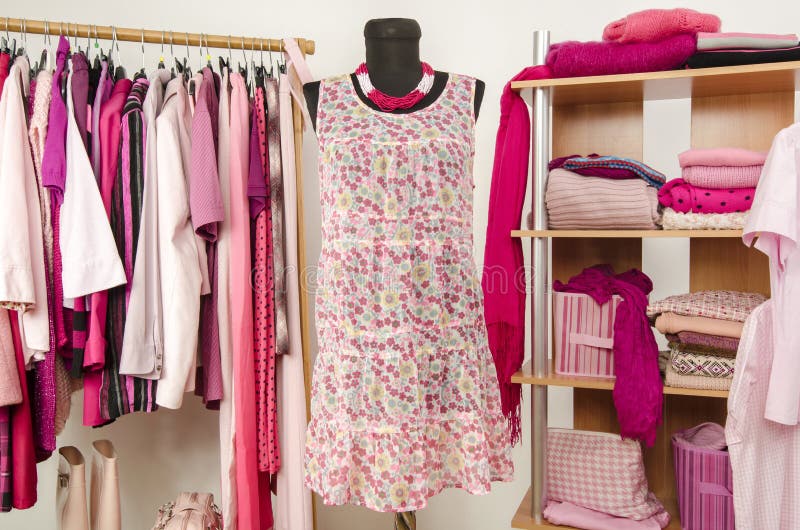
Source high-value thrift store finds
Finding profitable inventory requires treating thrift stores like a mine rather than a shopping trip. You are hunting for specific assets, not browsing for personal style. The most consistent returns come from recognizing high-quality materials and established brand names that hold value on resale platforms.
Start by feeling the fabric. Natural fibers like 100% cotton, linen, and wool retain their shape and command higher prices than synthetic blends. If a garment feels thin, pilled, or overly shiny, it likely won't sell well online. Always check the inside care tags to verify material composition; a 100% cotton tee is a safer bet than a polyester blend.
Next, scan for heritage and streetwear brands. Labels like Levi’s, Carhartt, Patagonia, and Nike are reliable indicators of value. For vintage items, look for specific eras or logos that signal authenticity. Even if a brand is less famous, excellent condition and unique design details can still make it a profitable flip.
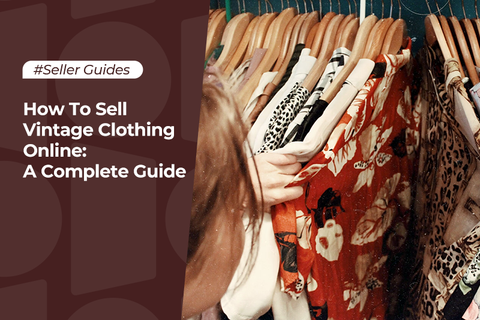
Finally, inspect for hidden flaws. Check underarms, collars, and hems for stains or tears. A small defect can drastically reduce the item's resale value or lead to returns. If you spot something you like, buy it immediately. High-value finds rarely stay on the rack, and hesitation is the biggest barrier to building a profitable inventory.
List items with clear photos and titles
Your photos and titles are the first thing a buyer sees. On platforms like Depop, Poshmark, or eBay, a sharp image and a searchable title can mean the difference between a sale and a scroll-past. Treat this step like a mini product launch: clarity builds trust, and trust drives conversions.
Start with the lighting. Natural light is your best friend. Set up near a window during the day, but avoid direct sunlight, which creates harsh shadows and blown-out highlights. Turn off overhead yellow lights; they distort colors and make fabrics look older than they are. You want the buyer to see the true hue of the garment, not a yellow-tinted approximation.
1. Photograph the garment flat
Lay the item on a clean, neutral background. A white sheet, a light wood floor, or a dedicated photography backdrop works well. Smooth out wrinkles with your hands or a quick steam. This angle shows the overall shape and fit. If the item is a dress or jacket, button or zip it up so the silhouette is clear.
Place the item on a clean, neutral surface. Smooth out wrinkles and ensure buttons or zippers are fastened to show the true silhouette. This gives buyers a clear view of the garment's shape and structure before they commit.
Hang the item on a simple, non-distracting hanger. This is crucial for flowy fabrics like dresses or blouses, as it shows how the material drapes and moves. Avoid cluttered closets in the background; keep the focus entirely on the piece.
Zoom in on the brand label, size tag, and care instructions. Buyers often search by brand or size specifically. A clear, well-lit shot of these details reduces questions and builds confidence in the item's authenticity and care history.
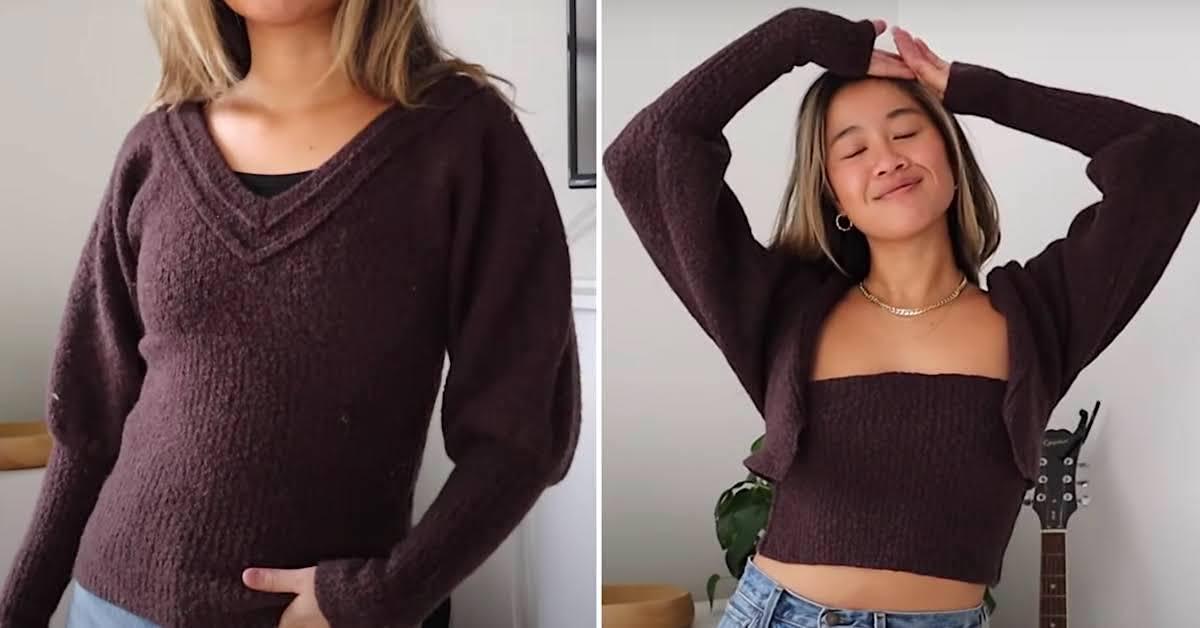
Take close-up photos of any stains, pilling, loose threads, or wear. Honesty about flaws prevents returns and negative reviews. If an item is perfect, mention that in your title or description to highlight its condition.
2. Write a searchable title
Your title needs to work for both humans and the platform’s search algorithm. Think about what a buyer would type into the search bar. A good title follows this formula:
Brand + Item Type + Key Feature + Color/Pattern + Size
For example, instead of "Nice Blue Shirt," use "Zara Women's Blue Linen Button-Down Shirt Size M." Including the brand is critical because many shoppers filter by specific labels. If the brand is unknown, use a generic descriptor like "Vintage Floral Blouse" rather than leaving it blank.
Avoid keyword stuffing. "Shirt top blouse tee" is spammy and can hurt your visibility. Stick to natural, descriptive phrases. Also, include the size in the title if the platform doesn’t auto-populate it prominently, as size is often the first filter buyers apply.
3. Highlight key details in the description
While the title gets the click, the description closes the sale. Start with the condition. Be specific: "Like new," "Gently worn," or "Minor pilling on cuffs." If you’re reselling clothes online, transparency is your best policy. Mention if the item has been washed or dry-cleaned.
Include measurements if you’re unsure about sizing. Sizing varies wildly between brands (a Medium in Nike is very different from a Medium in Ralph Lauren). Provide pit-to-pit, length, and inseam measurements. This reduces the risk of returns due to fit issues, which is a major pain point for both buyers and sellers.
4. Use relevant tags and categories
Most platforms allow you to add tags or select a category. Choose tags that describe the style, occasion, or fabric. For a vintage Levi’s jacket, tags might include "90s," "denim," "streetwear," and "oversized." These help your item appear in niche searches.
Check what tags are popular on your chosen platform. On Depop, aesthetic tags like "cottagecore" or "Y2K" can drive significant traffic. On eBay, precise category selection is more important than broad aesthetic tags. Align your tagging strategy with where your target buyer is likely to look.
Pack and ship orders securely
Shipping is where your profit margin meets reality. A torn sleeve or a lost package can wipe out weeks of thrift flipping. To keep your items safe and your costs low, you need a system that prioritizes protection without overpaying for shipping.
Start by inspecting every piece one last time. Ensure there are no stains, tears, or missing buttons that weren’t in your photos. If you find a flaw, list it immediately or discard the item. Never ship a compromised product.
Avoid crumpling clothes. Fold structured items like blazers and denim along their natural seams. For soft items like t-shirts or knitwear, rolling them tightly reduces bulk and prevents deep creases. This simple step makes the item look professional and fits it better into smaller, cheaper shipping boxes.
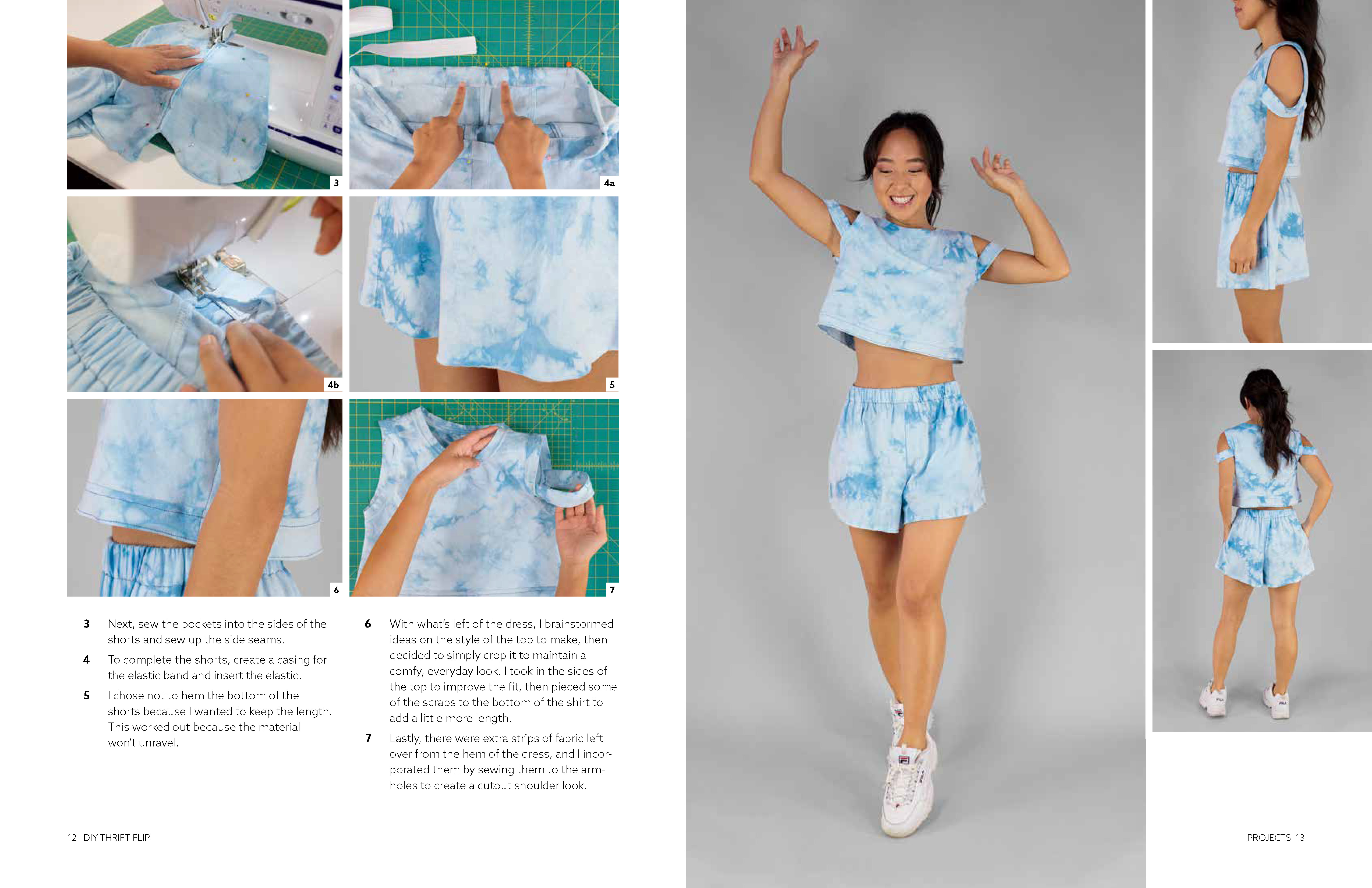
Wrap each item in tissue paper or a thin poly mailer before placing it in the box. This prevents dirt from transit from transferring to your clean clothes. For delicate fabrics, use a breathable garment bag. This layer acts as a buffer against moisture and minor abrasions during handling.
Use a rigid box for structured items like jackets or shoes to prevent crushing. For soft items, a poly mailer is often sufficient and cheaper. If using a box, fill empty space with packing paper or air pillows so the item doesn’t shift. Seal all seams with strong packing tape. Do not use duct tape or masking tape, as they fail easily in transit.
Print the shipping label on standard paper and place it in a clear plastic sleeve or cover it with clear packing tape. Ensure the barcode is flat and free of wrinkles. Place the label on the largest flat surface of the package, away from seams or edges. Remove or black out any old labels to prevent scanning errors.
To ensure you don’t miss any steps, use a pre-shipment checklist. Verify the item is clean, folded, protected, boxed, and labeled. Once shipped, upload the tracking number to your platform immediately. This keeps your buyer informed and protects your seller rating.
Shipping costs can eat into your profits, so compare rates across carriers. Platforms like eBay and Poshmark often provide discounted shipping labels that are cheaper than retail rates. Always weigh your package accurately before buying the label to avoid underpaying and having the package returned.
Common mistakes new resellers make
Even with a good eye for thrift flips, small errors can eat into your profits or get your account suspended. Avoiding these common pitfalls in how to resell clothes online is just as important as finding the right inventory.
Pricing too low or too high
New sellers often undervalue their finds or guess wildly on expensive items. If you price a vintage Levi’s at $10 because it’s "just used," you’re leaving money on the table. Conversely, pricing a fast-fashion item at designer rates will kill your conversion rate. Use eBay’s "Sold Items" filter to see what buyers actually paid, not what sellers are asking.
Ignoring flaws or listing inaccurately
A single stain, missing button, or hidden tear can lead to returns and negative feedback. Always photograph every flaw under good lighting. If you miss something, the buyer will find it, and you’ll likely pay for return shipping. Honesty builds trust and reduces disputes.
Choosing the wrong platform
Not every platform suits every item. Poshmark is great for mid-range brands like Lululemon or J.Crew, while Depop attracts Gen Z buyers looking for streetwear and vintage. Vinted is ideal for budget-friendly basics with lower fees. Selling high-end luxury on a budget-focused app will result in slow sales and frustrated buyers.
Frequently asked questions about reselling
Reselling clothes online is a straightforward way to turn unused wardrobe items into cash, but beginners often have questions about the rules and logistics. Here are the most common concerns addressed with clear, actionable answers.
No comments yet. Be the first to share your thoughts!