The local thrift flip margin
Thrift store flipping is a simple arbitrage model: you buy used goods for pennies and sell them for dollars. The profit doesn't come from the item's original price tag, but from the gap between what a local charity shop values it at and what a niche online buyer is willing to pay. This gap exists because local stores often lack the specialized knowledge to identify brand-name value, while global marketplaces connect specific items with specific enthusiasts.
Consider a vintage Levi's 501 jacket. At a local Goodwill or Salvation Army, it might sit on a rack for $5.00 because the staff sees only a generic denim jacket. On eBay, that same jacket might sell for $45.00 if it has the correct red tab, a specific size, and clean condition. The $40.00 profit isn't magic; it's the result of you recognizing the brand details and doing the work of listing, photographing, and shipping it to the right buyer.
This mechanic works best with items that have established resale markets. Brands like Patagonia, L.L.Bean, and Carhartt hold value because they are durable and recognizable. Fast fashion items rarely flip profitably because the supply is endless and the quality is low. By focusing on durable, branded goods, you minimize the risk of buying inventory that won't sell.
The initial investment is low, but the real cost is your time. You're trading hours of store browsing and online listing management for profit. The more you know about fabric, tags, and brand history, the faster you can spot these opportunities. This knowledge turns a random treasure hunt into a systematic business.
Best thrift stores near me for resellers
Finding the right local thrift store is less about luck and more about knowing where the good stuff hides. While big chains like Goodwill and the Salvation Army are reliable for volume, the real profit margins often come from smaller, community-run charity shops. These smaller stores typically have lower overhead, meaning their pricing is often more negotiable and their inventory cycles turn slower, giving you more time to snag undervalued items.
When scouting locations, look for stores with high foot traffic but low reseller presence. A good rule of thumb is to visit right after a major donation drop, usually mid-week. This is when shelves are restocked with fresh goods before the weekend crowds arrive. You might find designer handbags, vintage denim, or collectible toys sitting untouched in the bargain bins.
Use a map to identify clusters of stores in your area. Some neighborhoods have a higher concentration of high-end donations due to demographic factors. For example, areas near university campuses often yield better results for vintage clothing and furniture, while affluent suburbs might have higher-end home goods and electronics. Checking online reviews can also give you a clue about a store's reputation; look for comments about "fresh stock" or "good pricing" rather than just general satisfaction.
Don't overlook local hospital gift shops or university bookstores. These specialized thrift stores often have niche inventory that fewer resellers are monitoring. A hospital gift shop might have unused kitchenware or small appliances, while a university store could have out-of-print textbooks or academic materials that hold value in specific markets.
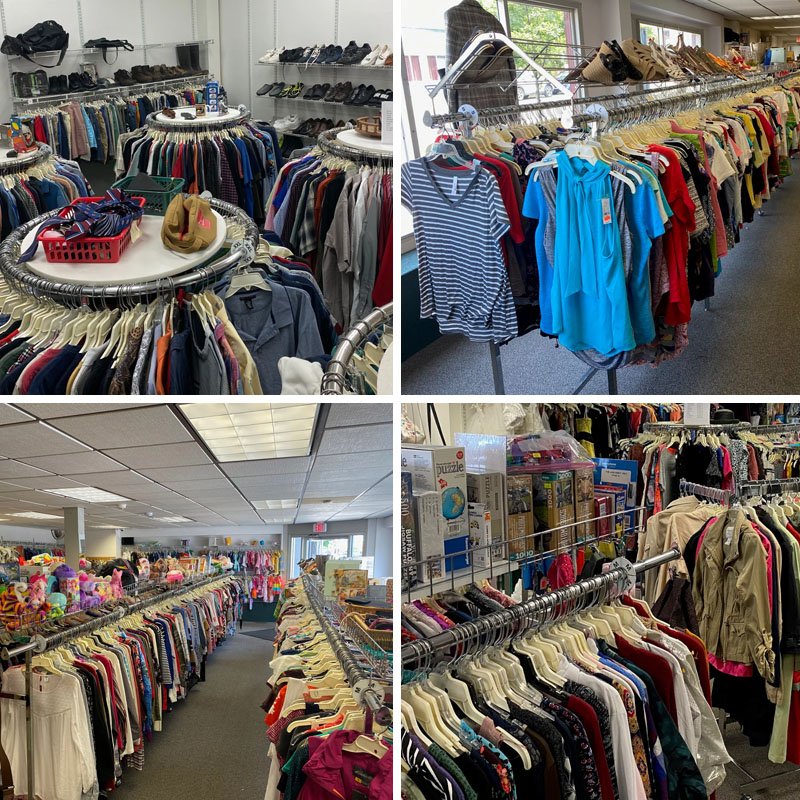
Map of local thrift stores
What to Hunt in the Bins
Thrift store flipping works best when you know exactly what to look for before you even walk through the door. Instead of wandering aimlessly, focus on categories where brand recognition and condition drive high resale values. The most reliable targets are vintage clothing, specifically denim and outerwear, alongside mid-century modern decor and high-quality textiles.
Vintage Denim and Workwear
Vintage Levi’s are the gold standard for resellers, but you need to know what makes them valuable. Look for the iconic red tab on the back pocket and the "leather" patch on the waistband (which is usually vinyl or faux leather in older pairs). Styles like the 501, 505, and 517 from the 1970s and 80s often sell for $50–$150 depending on wash and size. Other workwear brands like Carhartt, Dickies, and Wrangler also hold strong value, especially if they feature original tags or rare colorways.
Mid-Century Modern Furniture
Furniture takes up space and requires shipping, but the margins can be substantial. Focus on clean lines, tapered legs, and walnut or teak finishes typical of the 1950s and 60s. Look for pieces from brands like Herman Miller, Knoll, or even lesser-known local makers with solid wood construction. A good rule of thumb: if it’s heavy, solid, and has a distinct era-specific design, it’s worth inspecting. Avoid particle board or anything with significant structural damage.
Home Decor and Textiles
Don’t overlook the home goods section. High-quality rugs, ceramic vases, and wall art from known artists or brands like Portmeirion or Wedgwood can fetch high prices. Look for vintage signs, enamelware, and cast iron cookware (Lodge, Griswold, Wagner). These items are durable, easy to ship, and have a dedicated collector base on platforms like eBay and Etsy.
The Value Gap: Vintage vs. Modern
Understanding the difference between vintage and modern items is crucial for pricing. Vintage items often have unique details, better materials, and a story that buyers are willing to pay for. Modern items, while still useful, typically sell for much less unless they are from a highly sought-after contemporary brand.
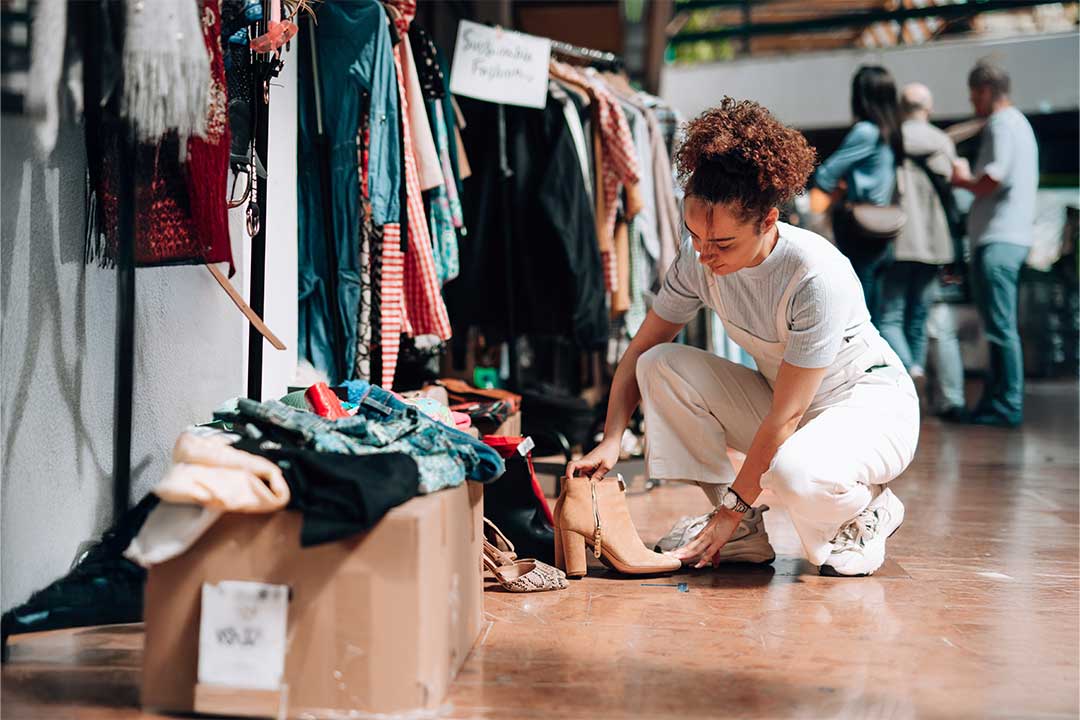
Local Sourcing Strategy
To maximize your profits, focus on thrift stores in affluent neighborhoods. These areas often have residents who upgrade their wardrobes and home decor more frequently, leaving behind higher-quality items. Visit stores during off-peak hours, such as weekday mornings, when restocking is fresh and competition is lower. Building relationships with store managers can also help you get first dibs on new donations.
How to resell clothes online effectively
Listing clothes online is where the actual profit happens. You aren’t just moving inventory; you’re building a digital storefront that needs to convince a stranger to buy a used sweater from a city they’ve never visited. The process breaks down into three main parts: getting the photo right, writing a description that ranks, and picking the right platform for the item.
Skip the ring lights and studio backdrops. Buyers trust photos that look like they were taken in a real home. Find a window with indirect sunlight and lay the item flat or hang it on a plain wall. Avoid shadows that hide fabric texture. If there’s a small stain or loose thread, photograph it. Transparency builds trust and prevents the return hassle that eats into your margins.
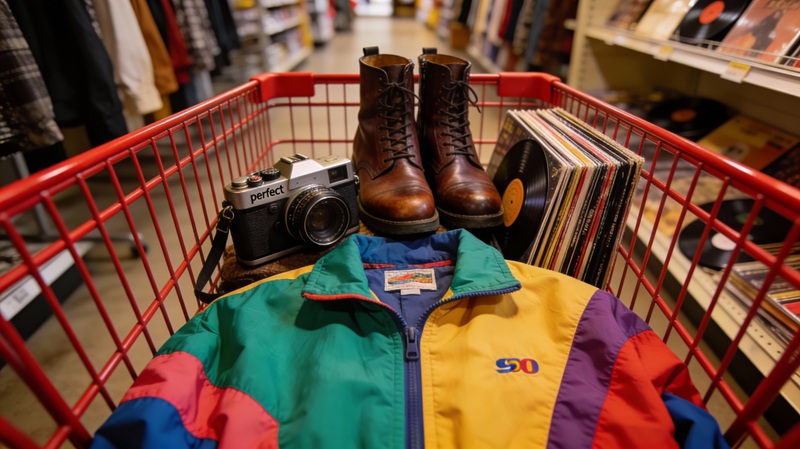
Think like a shopper typing into a search bar. Don’t write “Nice blue shirt.” Write “Vintage Levi’s Type III Trucker Jacket Blue Denim Size M.” Include the brand, item type, color, and size in the first 50 characters. Platforms like Poshmark and eBay rely heavily on these keywords to show your listing to the right people. If the item is vintage, mention the era or specific style details like “70s floral” or “90s grunge.”
Not every item sells best everywhere. Poshmark is great for trendy women’s brands like Lululemon, Madewell, or Anthropologie because of its social sharing features. Depop works best for Y2K, streetwear, and unique vintage pieces where aesthetics matter. eBay is the king for men’s clothing, shoes, and branded items with high resale value like Nike or Carhartt. Use the platform where your specific buyer hangs out.
Sizing varies wildly between brands, especially vintage. Never rely on the tag size. Lay the shirt flat and measure pit-to-pit, length from shoulder to hem, and sleeve length. Add these numbers to the description. A buyer looking for a shirt that fits a size Large from 2024 might be a Size Medium from 1995. Giving exact measurements reduces questions and returns.
-
Clean and iron or steam the item
-
Take photos in natural light
-
Measure pit-to-pit and length
-
Write a descriptive, keyword-heavy title
-
Select the platform best suited for the brand
Common questions about thrift flipping
Reselling secondhand goods is a legitimate business, but it comes with specific logistical and ethical questions. Here is how seasoned local resellers handle the most frequent concerns.
What is the most profitable item to flip?
Vintage brand-name clothing and mid-century modern furniture consistently yield the highest margins. Items like Levi’s 501s, Patagonia fleece, or solid wood dressers often sell for five to ten times their thrift store price on platforms like eBay or Facebook Marketplace.
Is thrift flipping ethical?
Flipping is ethical when you pay the full asking price and contribute to the store’s revenue. The concern arises when resellers buy entire pallets or hoard inventory, preventing local community members from accessing affordable goods. Most reputable stores now limit purchase quantities to prevent this.
What are the best items to flip from thrift stores?
Focus on high-demand, durable goods. Look for vintage electronics, cast iron cookware, and unbranded linen clothing. These items hold value well because they are either nostalgic, functional, or made with higher-quality materials than modern equivalents.
How profitable is owning a thrift store?
Thrifting to flip is low-risk because you only buy what you intend to sell. Owning a physical thrift store involves significant overhead, including rent, utilities, and staffing. Profit margins for flipper-resellers are typically higher per item, while store owners rely on volume.
No comments yet. Be the first to share your thoughts!