Start with the right gear
Thrift store flipping for profit isn't just about luck; it's about preparation. Before you step into a store, you need the right tools to spot value and avoid buying junk. Carrying these essentials helps you authenticate items quickly and reduces the risk of purchasing something that won't sell.
Essential Tools
- Magnifying Glass: Use this to inspect fabric weaves, logos, and maker’s marks. High-quality vintage items often have specific stitching patterns or brand stamps that are hard to see with the naked eye.
- UV Light: A small ultraviolet flashlight reveals hidden stains, repairs, or bleach marks that store lighting might hide. This is crucial for white fabrics and delicate items.
- Measuring Tape: Size labels can be misleading. Always measure the chest, waist, and inseam of clothing to ensure it fits modern standards.
- Microfiber Cloth: Wipe down surfaces to check for sticky residues, old glue, or hidden dirt that might indicate poor storage or damage.
Authentication Basics
Knowing how to verify authenticity saves you from costly mistakes. Look for brand-specific details like hardware quality, stitching consistency, and material tags. For high-value items, cross-reference these details with official brand resources or reputable authentication guides online.
Legal Considerations
While thrift store flipping is a legitimate business, always check local laws regarding resale permits and sales tax collection. In some jurisdictions, you may need a basic seller’s permit to legally resell goods. Starting with small, low-risk items allows you to learn the ropes while staying compliant.
By equipping yourself with these tools and knowledge, you turn every thrift store visit into a strategic hunt rather than a random browse.
Spot high-value designer labels
Finding the right tag is the first step in thrift store flipping for profit. You aren't just looking for "clothes"; you are hunting for specific maker marks that signal quality and demand. A quick scan of the inside neck or waistband can turn a $5 shirt into a $50 sale. Focus on brands with strong secondary markets, particularly those known for durable materials or iconic status.
Start with American heritage brands. Levi's is the most common find, but look for the "Red Tab" era (pre-1971) or specific lines like Levi's Vintage Clothing. L.L. Bean and J.Crew (especially their 1980s–90s wool sweaters) hold value well. Ralph Lauren is a staple; look for the polo player logo, but be wary of modern counterfeits in thrift bins. Champion reverse-weave sweatshirts, particularly from the 1990s, are consistently high-demand items for resellers.
European luxury and vintage labels command higher premiums. Chanel and Louis Vuitton are obvious, but their tags and hardware are heavily counterfeited. Stick to smaller, verifiable luxury houses like Gucci, Prada, and Yves Saint Laurent for beginners. For mid-century fashion, look for Halston or Bill Blass. These brands used high-quality fabrics that age better than modern fast fashion, making them easier to sell without extensive cleaning.
| Brand | Era Focus | Key Identifier | Estimated Resale |
|---|---|---|---|
| Levi's | 1960s–1980s | Red tab, double stitching | $20–$100+ |
| L.L. Bean | 1980s–1990s | Wool content, classic logo | $15–$40 |
| Ralph Lauren | 1990s | Polo player, thick cotton | $10–$30 |
| Gucci | 1970s–1990s | GG logo, leather quality | $50–$200+ |
| Chanel | 1980s–2000s | CC logo, authenticity card | $500+ |
Don't ignore accessories. A Coach bag from the 1990s with the "C" monogram canvas is a safe bet. Tory Burch and Kate Spade are also reliable finds if the hardware isn't tarnished. When you spot a tag, check the material content tag too. Natural fibers like 100% wool, silk, or linen add value and justify a higher asking price. If the tag is faded or torn, the item may still be worth flipping if the brand is strong enough, but condition matters. Use a flashlight to check for stains or holes before you pull the item from the rack. This quick inspection saves time and ensures you're only buying items that will actually sell.

Verify authenticity before buying
Skipping the authentication step is the fastest way to turn a profitable flip into a loss. Counterfeits are everywhere in thrift stores, and selling a fake item can lead to account bans or legal trouble. Before you head to the register, run the item through this specific checklist to ensure you’re investing in something genuine.
Check the hardware and materials
Start by examining zippers, buttons, and clasps. High-end brands use specific hardware manufacturers like Lampo, Riri, or YKK. If a luxury bag has a zipper from a generic brand or shows signs of heavy tarnishing, it’s likely a counterfeit. Look for weight and texture; authentic leather feels substantial and smells distinct, while synthetic materials often feel plasticky or smell like chemicals.
Inspect stitching and alignment
Authentic items are crafted with precision. Look for even, straight stitching with no loose threads. On patterned items like Louis Vuitton monograms, the pattern should align perfectly at the seams. If the pattern is cut off awkwardly or doesn’t match up on opposite sides of a bag or jacket, it’s a red flag. Poor craftsmanship is a hallmark of most counterfeits.
Verify serial numbers and tags
Many designer brands include serial numbers, date codes, or authenticity cards. Use official brand resources or reputable databases to verify these codes. Ensure the font, spacing, and placement match the brand’s standards. Be cautious if the tag feels flimsy or if the serial number format doesn’t align with the item’s supposed production year.
Use official resources for confirmation
When in doubt, consult official brand guidelines or authorized authentication services. Brands like Gucci, Chanel, and Hermès have detailed information about their craftsmanship and materials online. For high-value items, consider using a third-party authentication service before purchasing. This small investment can save you from significant losses and protect your reputation as a thrifter.
Look for branded zippers (Lampo, Riri, YKK) and check for tarnishing or cheap materials. Authentic brands use specific, high-quality hardware manufacturers.
Check for even, straight stitching and aligned patterns at seams. Misaligned patterns or loose threads are common signs of counterfeits.
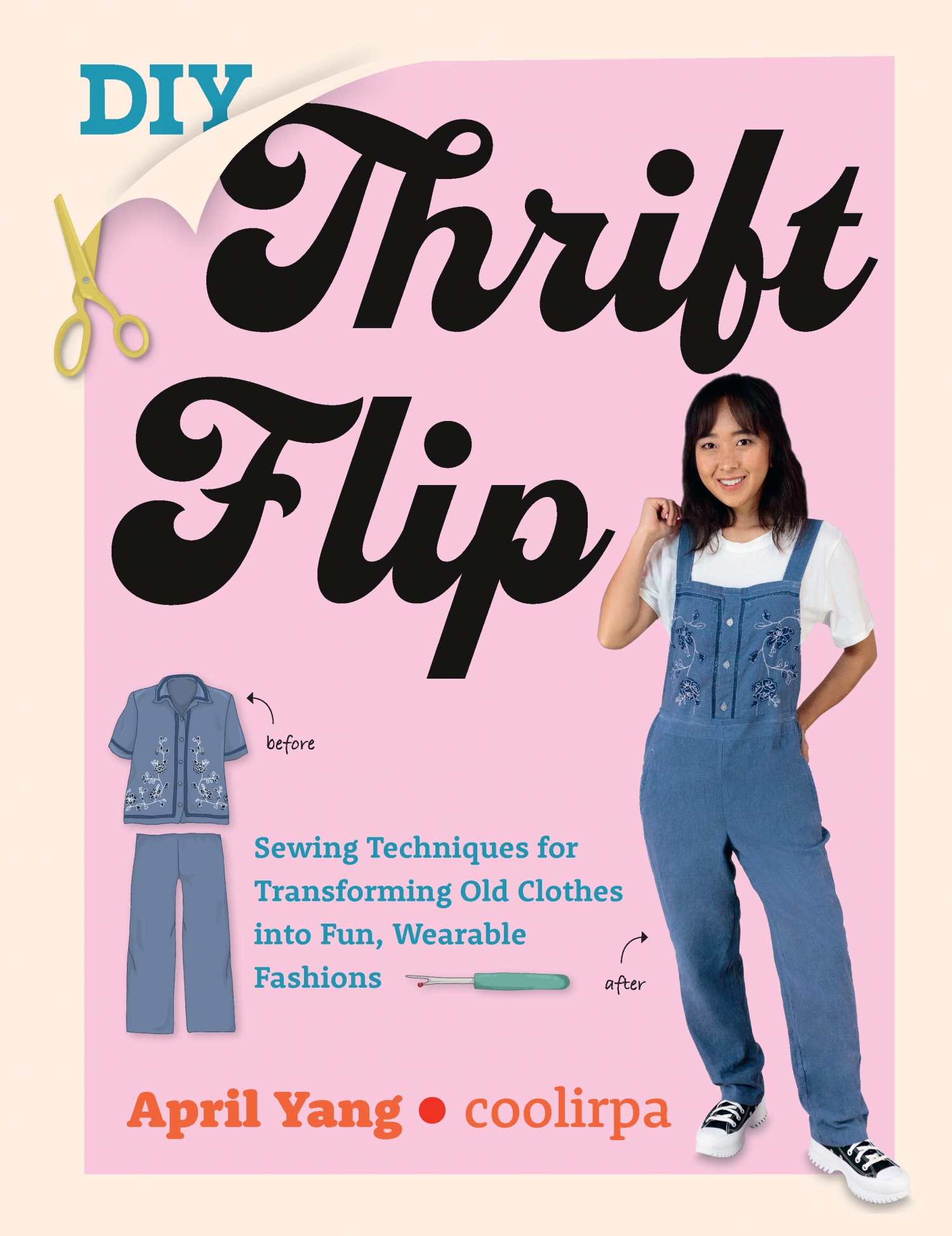
Cross-reference serial numbers or date codes with official brand databases. Ensure the format and placement match the item’s era.
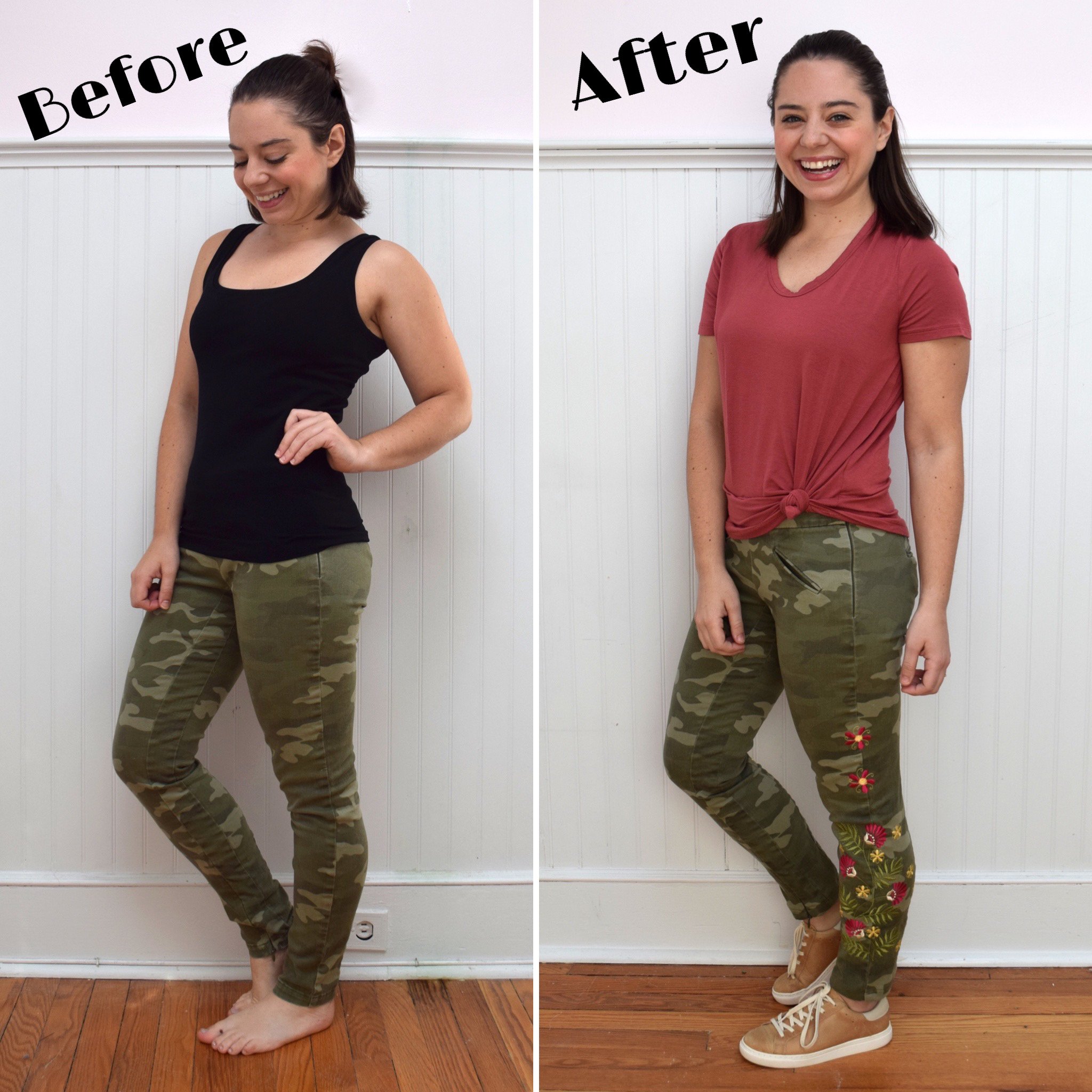
Use brand guidelines or professional authentication services for high-value items to avoid legal issues and protect your flipping business.
List items for maximum visibility
Photographing and listing your finds is where the real work begins. A cluttered photo or vague description kills visibility, regardless of how good the item is. To flip thrift store items for profit effectively, treat each listing like a mini-storefront. You need to show the item clearly, describe it honestly, and price it competitively.
Here is the step-by-step process to get your items seen by buyers and sold quickly.
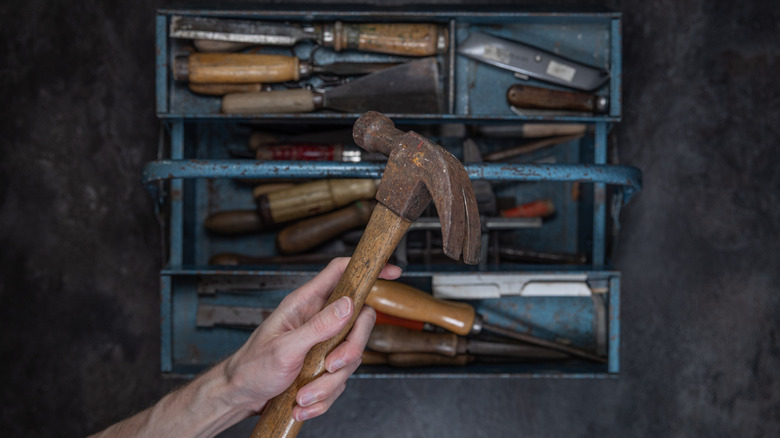
Start with a clean background. A plain white sheet or a neutral wall works best. Use natural daylight if possible; it shows true colors better than indoor lighting. Take at least five photos: front, back, sides, close-ups of tags or logos, and any flaws or stains. Honesty about damage prevents returns and bad reviews.
Buyers search for specific terms. Include the brand, item type, size, and color in your title. For example, use "Nike Air Max 90 Size 10 White" instead of just "Sneakers." If the item is vintage, mention the era or style. This helps your listing appear in relevant search results when people are looking for exactly what you have.
Be specific about the item's condition. Use standard terms like "new with tags," "excellent," "good," or "fair." If there are holes, stains, or missing buttons, state them clearly. For clothing, provide measurements (chest, waist, length) rather than just relying on the size tag, as sizes vary wildly between brands. This reduces uncertainty for the buyer.
Don't guess the price. Search sold listings on your chosen platform for the same item or very similar ones. This shows you what buyers are actually willing to pay. If you want a quick sale, price slightly below the average. If you're willing to wait, price at the median. Remember to factor in platform fees and shipping costs into your final profit margin.
Once posted, keep an eye on your items. If an item isn't selling after a few weeks, consider lowering the price or refreshing the photos. Respond to questions from potential buyers quickly. Quick replies can often close the sale. If an item stays listed for too long, consider bundling it with other items or moving it to a different platform.
Handle shipping and returns safely
Shipping is where your profit margin meets reality. A single damaged package or lost package can wipe out weeks of sourcing work. To protect your earnings and keep your buyer happy, treat packing as the final stage of the sale.
Start by choosing the right box. Use a sturdy corrugated cardboard box that fits the item snugly. If you are selling fragile goods like glass or ceramics, wrap each piece in bubble wrap and secure it with packing tape. Fill any empty space with packing peanuts or crumpled paper to prevent shifting during transit.
For clothing and textiles, a poly mailer is often sufficient and cheaper. Ensure the item is clean and free of odors before sealing. Include a handwritten thank-you note or a small sticker; this small touch often leads to positive reviews and repeat customers.
Returns can be tricky in thrift flipping. Clearly state your return policy in the listing description. If an item has minor flaws, photograph them and mention them in the description to avoid disputes. Most platforms like eBay or Poshmark require sellers to accept returns for items that are significantly not as described. Keep your tracking numbers and receipts organized in case you need to file a claim.
No comments yet. Be the first to share your thoughts!