Start with the right gear
You don’t need a warehouse or a business license to begin thrift store flipping for profit. You just need a few low-cost tools that turn a casual browse into a targeted hunt. Think of this setup as your field kit: small, portable, and ready to use the moment you step into the store.
The most critical tool is your phone. It is your scanner, your market researcher, and your inventory tracker all in one. Before you even pick up an item, open the eBay app and check "Sold Listings" to see what people actually paid. If the data doesn’t show a profit margin, put it back. Speed matters, and having this data in your pocket lets you make instant decisions without guessing.
Next, grab a lint roller and a handheld steamer. Condition is everything in online resale. A $10 steamer can turn a wrinkled blazer into a premium-looking piece, and a lint roller ensures your photos look professional. These small touches reduce return rates and help you justify higher prices.
Finally, keep a portable barcode scanner or a dedicated label printer for when you’re ready to scale. For now, a simple roll of shipping labels and a digital scale will suffice. You can always upgrade later, but starting with these basics lets you test the waters without a heavy financial commitment.



As an Amazon Associate, we may earn from qualifying purchases.
Spot valuable thrift store finds
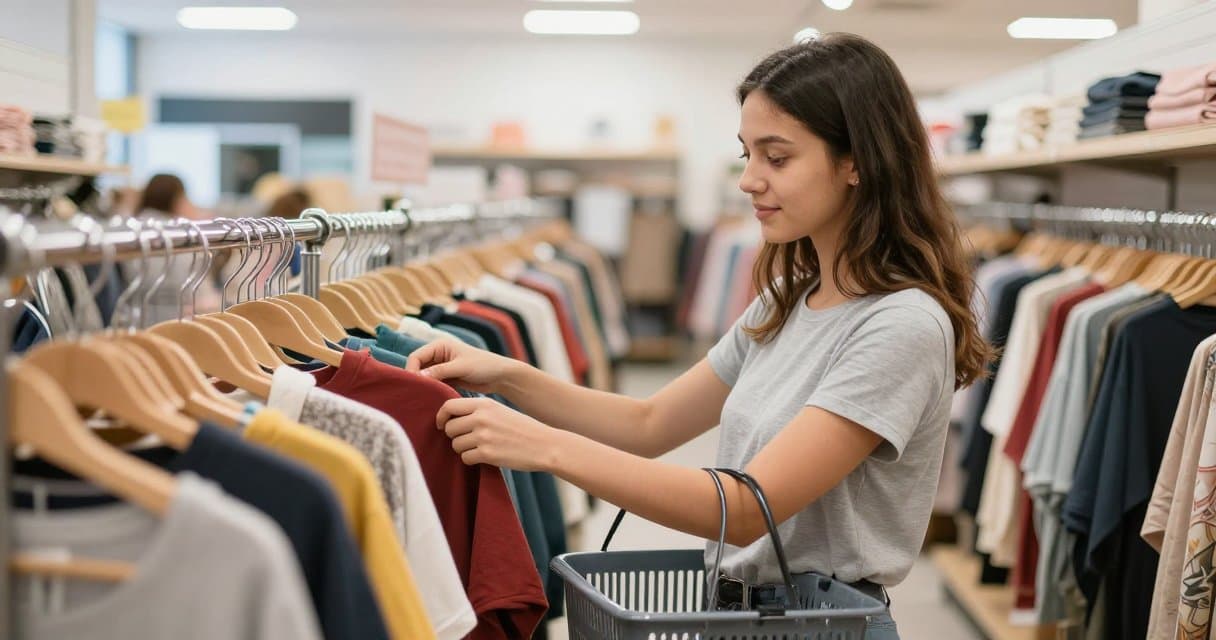
Spotting valuable thrift store finds is the first step in making a profit. You don't need a crystal ball; you just need to know what to look for. The best items are often hiding in plain sight, waiting for someone with a trained eye. Focus on quality materials, recognizable brands, and solid construction.
Check the tag
The tag is your best friend. It tells you the brand, the material, and sometimes even the origin. High-end brands like Patagonia, L.L.Bean, or vintage Levi’s are always worth a second look. But don't ignore lesser-known labels if the material is premium. Look for natural fibers like wool, silk, linen, or 100% cotton. These materials often hold up better and resell for more than synthetic blends.
Tip: Always check fabric content tags; natural fibers like wool and silk often retain higher resale value than synthetics.
Look for quality furniture
Furniture can be heavy, but the profit margins can be huge. Mid-century modern pieces are particularly sought after. Look for solid wood construction, dovetail joints, and sturdy hardware. Avoid particle board or items held together by staples. If a piece feels solid and has clean lines, it’s likely a good candidate for flipping. A little bit of sanding and a fresh coat of paint can turn a $10 dresser into a $100 sale.
Inspect condition closely
Before you buy, inspect the item for any damage. Small flaws can kill your profit margin. Look for stains, tears, missing buttons, or broken zippers on clothing. For furniture, check for wobbly legs, water rings, or deep scratches. Minor repairs are worth it, but major damage usually isn't. If you can fix it in under an hour, it’s probably worth buying. If it requires a professional upholsterer or carpenter, put it back on the shelf.
Verify value before you buy
Before you swipe your card or hand over cash, you need to know what the item is actually worth. This is the most important step in thrift store flipping for profit. If you don’t check the market first, you’re just gambling.
The secret isn’t looking at what people are asking for an item. It’s looking at what people have actually paid. Listings can be inflated, but sold history tells the truth about demand.
Step 1: Open your phone and find the sold filter
Pull up the eBay app or website. Type in the brand name and item type—for example, "Patagonia fleece" or "Levi’s 501 jeans." Don’t just guess; use the specific keywords you see on the tag. This narrows down the noise and gets you to the data you need.
Step 2: Filter for "Sold Items"
This is where most beginners make a mistake. They look at active listings and assume those prices are realistic. Instead, go to the "Filters" menu. Look for the "Show only" section and toggle on "Sold Items." This removes the unsold clutter and shows you what actually moved off the shelves.
Step 3: Check recent sales prices
Look at the prices in gray text. These are the final sale prices, including shipping. If you see a Patagonia fleece selling for $45 consistently over the last 30 days, that’s your benchmark. If the thrift store price is $8, you have a healthy margin. If it’s $40, walk away.
Step 4: Factor in fees and shipping
A quick mental math check keeps you profitable. eBay and other platforms take a cut, usually around 13-15% plus payment processing. Add the cost of a poly mailer ($0.50) and your time. If the sold price is $45, your net profit is roughly $35. Make sure that number justifies the effort before you buy.
Step 5: Spot check other platforms
If the item is vintage or niche, check Depop, Poshmark, or Mercari. Sometimes a brand like Ralph Lauren sells better on Depop, while Nike sneakers move faster on StockX. Knowing where your specific item thrives helps you choose the right selling channel later.
Step 6: Verify condition matches the listing
Sold items are usually graded. If you see a "Good" condition item selling for $30, but the thrift store find has a small stain or missing button, its value drops significantly. Adjust your offer accordingly. Never assume a thrifted item is in "New" condition unless it literally has tags still on it.
Clean and photograph items
Start by defining what a good Thrift Store Flipping for Profit purchase has to prove before you compare prices. Separate must-have requirements, seller credibility, condition, delivery timing, and return terms from nice extras that can wait. Keep the first pass narrow. Shortlist a few credible sources, check the evidence behind each listing, and reject options that hide basic details. A cheaper offer is not useful if it leaves the most important risk unanswered.
-
Verify the sellerCheck reputation, included details, delivery terms, and return policy before treating the listing as credible.
-
Compare total costAdd shipping, accessories, maintenance, warranty, and likely replacement costs to the listed price.
-
Confirm fitMatch the option to the real use case before paying for features that will not matter.
List and ship efficiently
Your profit margin lives or dies in these final steps. A great find means nothing if the listing is unclear or the package arrives damaged. Treat this phase with the same care as the hunt itself.
Start by taking clear, well-lit photos against a neutral background. Capture any flaws, tags, and brand labels. Honest photos build trust and reduce returns, which are the silent killers of thrift store flipping for profit.
Next, research sold listings on your chosen platform. This tells you what buyers are actually paying, not just what sellers are asking. Price competitively to move inventory quickly.
When it’s time to pack, measure the item and weigh the package. Use sturdy boxes and ample padding. Print the shipping label immediately and attach it securely. A smooth transaction keeps your reputation high and your bank account healthy.
-
Measure item dimensions accurately
-
Weigh package with padding included
-
Photograph all flaws and tags
-
Price based on sold listings
-
Print and securely attach shipping label
Common flipping mistakes to avoid
Even experienced flippers make errors, but beginners often repeat the same costly blunders. You can sidestep these pitfalls by adopting a disciplined approach to sourcing and listing. The difference between a loss and a profit usually comes down to attention to detail.
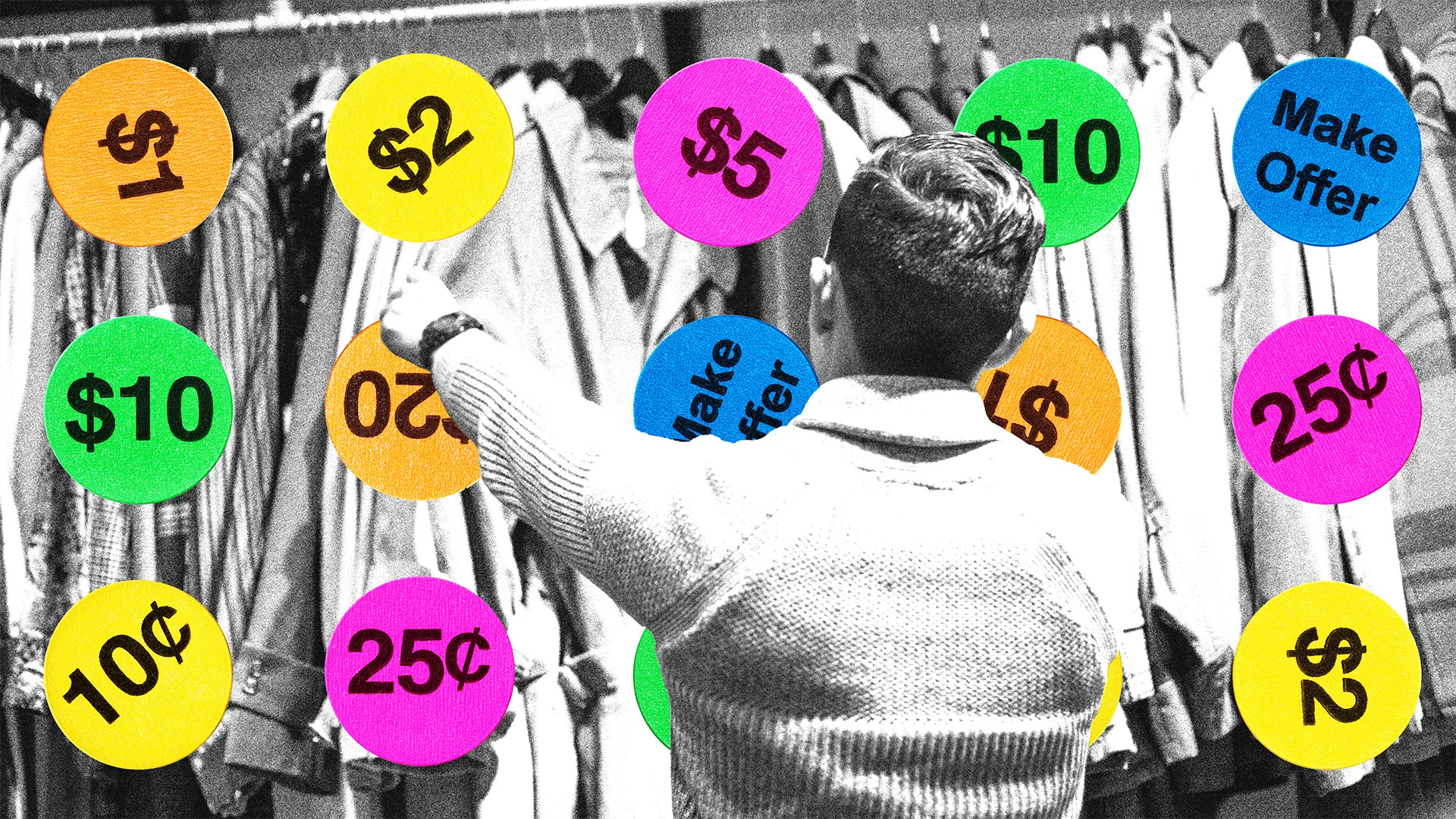
One of the most frequent errors is ignoring hidden costs. New flippers often calculate potential profit based solely on the item's sale price, forgetting to factor in shipping materials, platform fees, and postage. If you are selling on eBay or Poshmark, these fees can eat up 15-20% of your earnings. Always run a final calculation after accounting for all expenses before you commit to buying.
Another major trap is buying damaged goods without realizing it. A small stain, missing button, or broken zipper can turn a $10 find into a $0 liability. Take the time to inspect seams, zippers, and fabric thoroughly. If you spot damage, check if it's repairable and factor in the cost of materials and labor. If it's not worth the effort, leave it on the shelf.
Finally, avoid listing items without checking recent sold listings. Just because an item is listed for $50 doesn't mean it will sell for that price. Use the "sold" filter on eBay or Poshmark to see what buyers have actually paid in the last 30 days. This data gives you a realistic price point and helps you avoid overpricing items that will sit unsold for months.
Frequently asked: what to check next
Is thrift store flipping worth it?
Yes, but it requires strategy. Many people buy random items and lose money because they skip research. To make thrift store flipping for profit work, you must check sold listings on eBay or Poshmark before buying. Treat it like a job: track your costs, calculate shipping, and only buy items with a clear margin. If you can’t find the profit, walk away.
How much money can I make flipping thrift store finds?
Earnings vary wildly based on your hustle. Some beginners make $100 a month, while dedicated flippers report $2,000–$3,000 monthly by sourcing consistently. The key is volume and speed. You aren’t just selling one shirt; you’re building a pipeline. Start small to learn the market, then scale your inventory as you identify reliable brands and price points.
What items are easiest to flip for beginners?
Focus on branded apparel, vintage tees, and specific home goods like cast iron cookware. Look for tags from Nike, Levi’s, Patagonia, or Ralph Lauren. Avoid fragile electronics or items with stains unless you know how to clean them. Start with clothing because it’s easy to ship and photograph. Steam the shirt, snap a clean photo, and list it quickly to capture current trends.
Work through The Resale Boom
No comments yet. Be the first to share your thoughts!