Start with the right sourcing strategy
Thrift store flipping for profit begins before you pick up an item. It starts with knowing where to look and when. The goal is simple: find underpriced inventory that has a clear resale path. You are not buying for yourself; you are buying for the margin.
Visit local thrift stores on their restock days. Many shops replenish their racks early in the week, often on Tuesdays or Wednesdays. Fresh inventory means less competition and a better chance of finding hidden gems before other resellers arrive.
Evaluate every potential buy against three criteria: condition, demand, and resale price. Check for stains, tears, or missing buttons. Check online marketplaces to see what similar items actually sell for, not just what they are listed for. If the math doesn’t work after accounting for fees and shipping, put it back.
Treat your sourcing trip like a professional audit. Move quickly but thoroughly. If you find an item that meets your criteria, buy it immediately. Hesitation is the most common mistake new flippers make. The best deals disappear fast.
Identify high-value vintage clothing brands
Spotting profitable vintage clothing requires moving beyond generic "vintage" labels to specific makers, fabric quality, and era-specific construction. When you are practicing thrift store flipping for profit, the goal is to find pieces with established resale demand and clear condition markers.
Start by checking the interior care label. Brands like Levi's, Pendleton, and Woolrich often hold value due to their reputation for durable materials. Look for tags that indicate American or Japanese manufacturing, as these are frequently sought after by collectors. If a garment has no brand tag, examine the stitching quality, seam finishes, and fabric weight. Heavy wool or 100% cotton pieces from the 1970s or earlier often command higher prices than synthetic blends from the 1990s.
Condition is the other half of the equation. A stained Levi's jacket may still be valuable for upcycling, but a pristine piece sells for significantly more. Check underarms, collars, and hems for discoloration or thinning. Use the comparison below to quickly assess common vintage brands and their typical resale potential.
| Brand | Peak Era | Resale Potential | Key Condition Check |
|---|---|---|---|
| Levi's | 1960s-1980s | High | No rips in back pockets; original buttons |
| Pendleton | 1950s-1970s | Medium-High | No moth holes; wool integrity |
| Woolrich | 1970s-1990s | Medium | Zippers functional; no stains |
| Carhartt | 1980s-2000s | Medium | No excessive fading; pocket linings intact |
Verify authenticity and condition
Before you bag an item, you need to confirm it’s genuine and in sellable shape. Buying a counterfeit or a damaged good kills your margin instantly. You might spend hours listing it, only to face a return or a negative review that tanks your store’s reputation.
Start with a physical inspection. Check seams, zippers, and buttons for stress or breakage. Look closely at fabric for thinning, stains, or moth holes. For branded items, verify the authenticity markers: specific stitching patterns, font styles on tags, and hardware quality. If something feels off, walk away. The risk isn’t worth the potential profit.
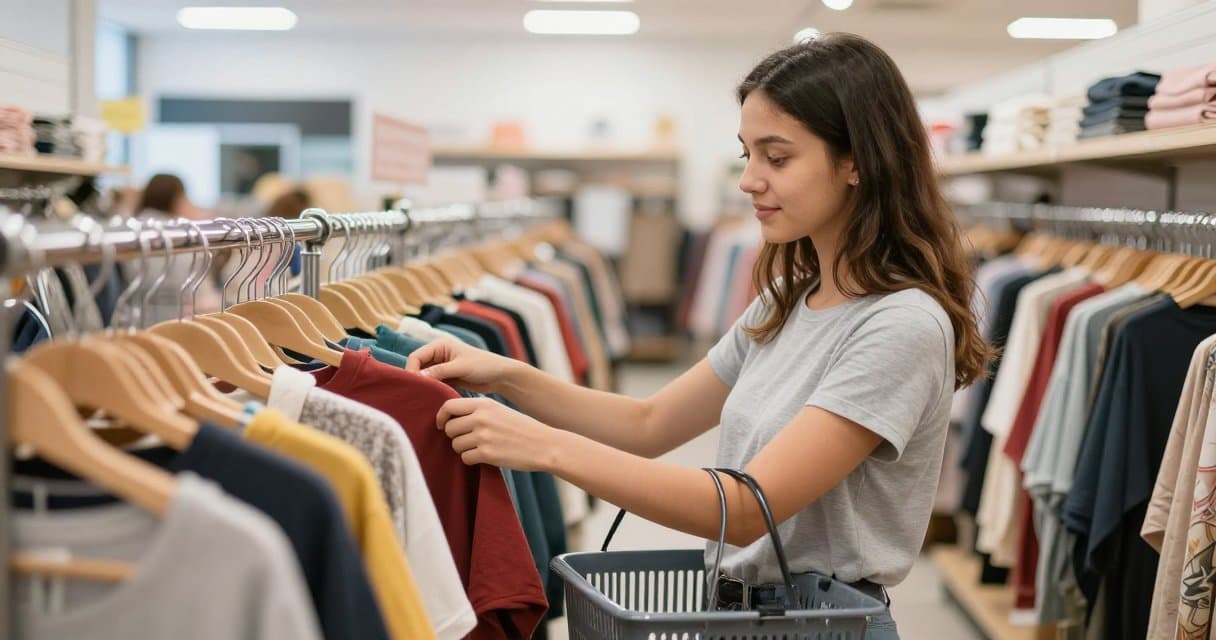
Use this quick checklist to standardize your pre-purchase inspection:
- Tags and Labels: Check for brand logos, material composition, and care instructions. Missing or mismatched tags can be a red flag for counterfeits.
- Hardware: Zippers should glide smoothly. Buttons should be secure and made of quality materials (e.g., horn, metal, or high-grade plastic).
- Seams and Stitching: Look for even, tight stitching. Loose threads or unraveling seams indicate poor construction or wear.
- Fabric Integrity: Hold the item up to the light. Check for thinning areas, especially under arms or on knees. Feel for pilling or stiffness from previous dry cleaning.
- Odor: Smell the item. Musty or smoke odors are often impossible to remove completely and can deter buyers.
Taking two extra minutes to verify these details protects your inventory quality and ensures you’re building a trustworthy brand.
List items for maximum visibility
To turn thrift store flipping for profit into a consistent income stream, your listings need to work harder than the item itself. Buyers on eBay, Poshmark, and Depop make split-second decisions based on photos, titles, and price. If your listing looks amateurish, even a high-quality find will sit unsold.
The process breaks down into three distinct actions: capturing clean images, writing searchable titles, and setting a competitive price. Treat this phase as the final quality control step before your inventory hits the market.

Start with a clean, neutral background and natural light. Take at least five photos: the front, back, sides, any tags or labels, and close-ups of flaws or unique details. Buyers trust transparency; hiding defects leads to returns and bad reviews, which hurt your visibility on any platform.
Your title is your primary search tool. Include the brand, item type, size, color, and material. For example, instead of "Vintage Jacket," use "Levi's Vintage Denim Jacket Blue Size 32." This matches how buyers actually search. Avoid all-caps or excessive punctuation, which platforms often flag as spam.
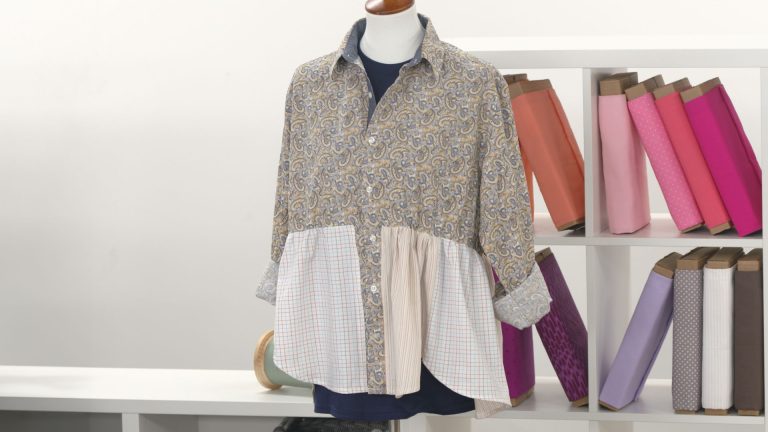
Research sold listings on your target platform to find the current market rate. Price slightly below the average to attract the first buyer, which boosts your seller ranking. Remember to factor in platform fees and shipping costs into your final price to ensure your strategy remains profitable.
Handle shipping and customer service
Successful thrift store flipping for profit depends on how efficiently you move inventory from your home to the buyer. Secure packing prevents damage claims, while prompt communication maintains the seller ratings needed to keep your account in good standing.
-
Use sturdy boxes that are not previously damaged
-
Include a thank-you note or business card
-
Track every package and confirm delivery
-
Reply to messages within 24 hours
-
Keep receipts for 30 days after shipping
Common questions about thrift flipping
Starting a business involves legal and financial questions. Here are the most frequent concerns for those doing thrift store flipping for profit.
No comments yet. Be the first to share your thoughts!