Spotting High-Value Vintage Brands
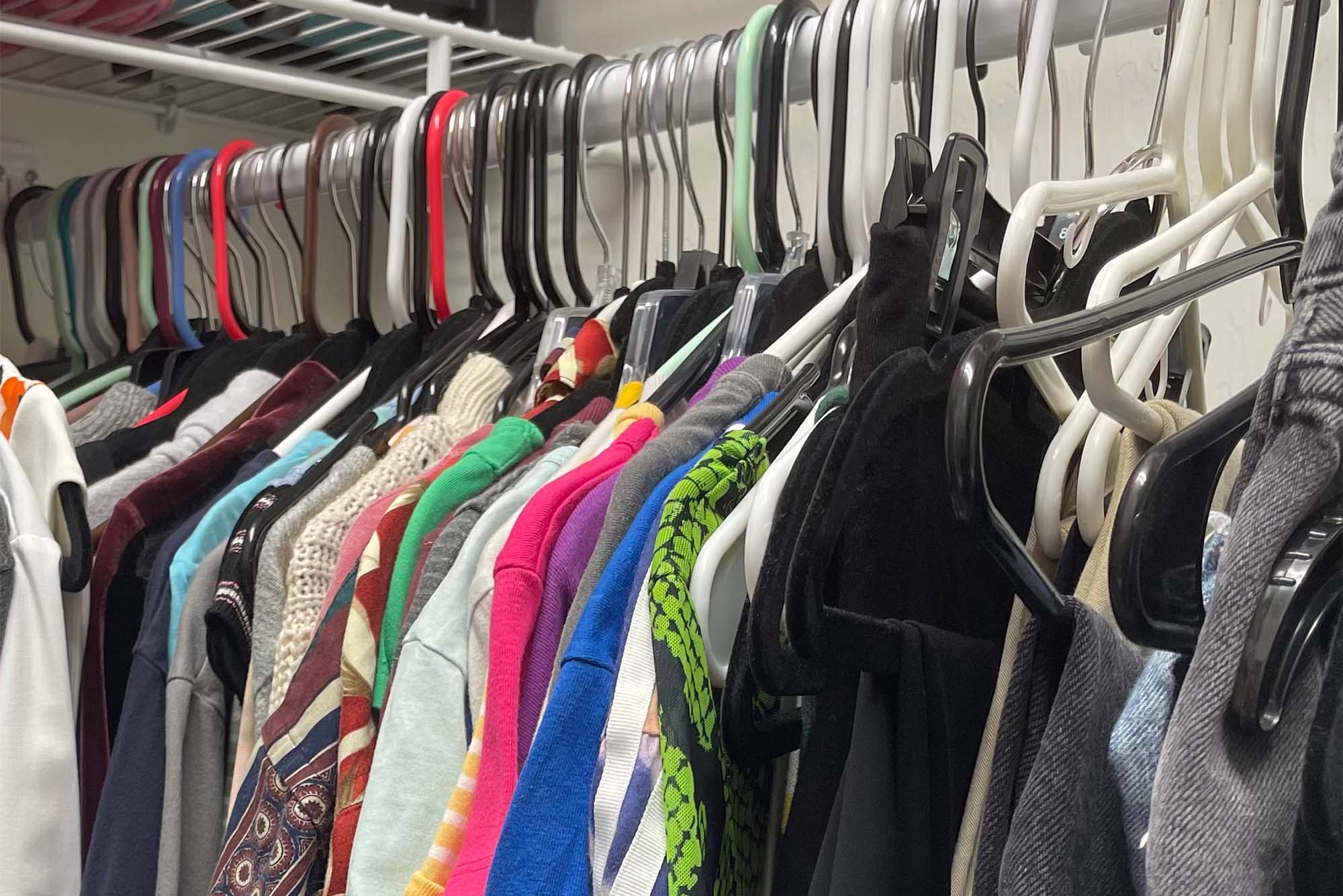
Finding high-value vintage brands is less about guessing and more about recognizing specific labels that have held their worth over decades. When digging through racks, skip the generic "nice clothes" and lock onto tags signaling quality materials, specific eras, or cult-following status. These brands are the currency of the flipping world because buyers already know what they’re looking for.
Start with outdoor and workwear heavy hitters. Patagonia, especially 1990s pieces, is a goldmine. Look for the "Better Sweater" fleece or classic Synchilla pullovers. The key is the tag; a woven tag from the 90s or early 2000s often commands a higher price than modern versions. Similarly, Carhartt WIP or vintage Carhartt double-knit jackets in good condition are always in demand. Their durability translates directly to resale value.
Don’t overlook denim and sportswear. Levi’s 501s, particularly those with a red tab (pre-1971) or specific stitching details, can be incredibly profitable. For sportswear, hunt for vintage Nike windbreakers, Adidas track jackets, or Russell Athletic hoodies from the 80s and 90s. Logos should be crisp, and fabric should feel substantial, not thin or shiny. If you see an unrecognized brand, check the material composition; natural fibers like wool, cotton, and silk are generally safer bets than synthetic blends unless it’s a specific technical fabric from a known brand.


As an Amazon Associate, we may earn from qualifying purchases.
Best Sneakers and Streetwear to Flip
Sneakers and branded streetwear offer the highest margins in thrift flipping. Vintage pieces from the 90s and early 2000s have a dedicated resale market that values rarity and condition above all else. A faded graphic tee might sell for $15, but a pristine vintage Nike windbreaker or rare Jordan silhouette can command hundreds.
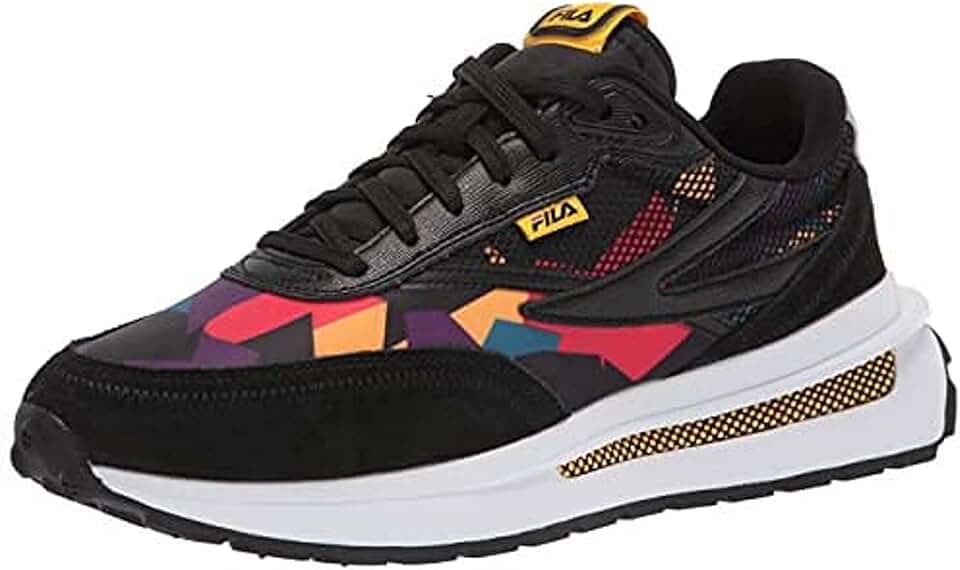
Success hinges on knowing what to look for. Hunt for specific visual cues: the "made in USA" tag on Nike apparel, thick ribbed cuffs on vintage Fila tracksuits, or distinct stitching patterns on early Champion reverse weave hoodies. Condition is everything. Small stains or yellowing can kill the value of a rare pair, so always inspect seams, soles, and fabric under good lighting.
Verification is your next step. Learn to spot the logos of heritage brands like Champion, Fila, and Russell Athletic. Check tags for era-specific fonts and materials. If unsure about authenticity or specific model details, cross-reference with online databases or communities before buying. This diligence separates a profitable flip from a dead-end purchase.


As an Amazon Associate, we may earn from qualifying purchases.
Check Condition and Hidden Flaws
Buying a vintage Levi’s 501 or a Patagonia fleece feels like striking gold until you spot a hidden hole in the armpit or a faint ring of sweat on the collar. These small issues can destroy your profit margin because buyers on Depop or eBay are incredibly picky. Treat every item like a detective, looking past the brand label to see the actual wear and tear.
Start with the basics: hold the garment up to the light. Look for thinning fabric, especially in high-friction areas like the inner thighs of jeans or the underarms of t-shirts. If the material looks see-through, it’s likely too worn to sell for a premium price. Check seams for loose threads or splits, particularly around the waistband and pockets. A simple repair might fix it, but factor that time and cost into your flip.
Stains are the biggest deal-breakers. Inspect collars, cuffs, and underarm areas for yellowing or discoloration. Even if a stain looks small, it might be set-in dirt or body oil that won’t come out with a normal wash. For heavier fabrics like denim or wool, check for moth holes. These tiny holes can expand quickly if not caught early, ruining an otherwise perfect vintage piece.
As an Amazon Associate, we may earn from qualifying purchases.
Tools for Verifying Resale Value
Before handing over cash for that vintage Levi’s or designer handbag, know what it’s actually worth. Guessing leads to a closet full of unsellable clutter. The secret weapon for any thrifter isn’t just a good eye for brands—it’s a smartphone app that shows what people have actually paid for the item recently.
The most reliable method is checking "sold" listings on eBay. Unlike active listings, which show what sellers hope to get, sold listings show the cold, hard truth of the market. Download the eBay app, search for the specific item (including brand, style number, and condition), and filter results by "Sold Items." This gives you a realistic price range. If you see a similar jacket selling for $40 consistently, you know not to pay $60 for it at the thrift store.
For clothing and accessories, apps like Poshmark and Depop are equally valuable. These platforms have massive audiences looking for vintage and second-hand goods. Searching these apps helps gauge demand for specific aesthetics or brands that might not have high volume on eBay. If a rare band tee is flying off Poshmark, that’s a strong signal to hunt for more in that niche.


As an Amazon Associate, we may earn from qualifying purchases.
Essential Supplies for Reselling Clothes
You’ve scored the vintage denim and spotted the rare graphic tee. Now comes the part that separates a messy hobby from a real business: presentation. Buyers judge the quality of your item by how it arrives. A crumpled bag or torn box signals carelessness, while crisp packaging signals professionalism. You don’t need an expensive studio, but you do need the right tools.
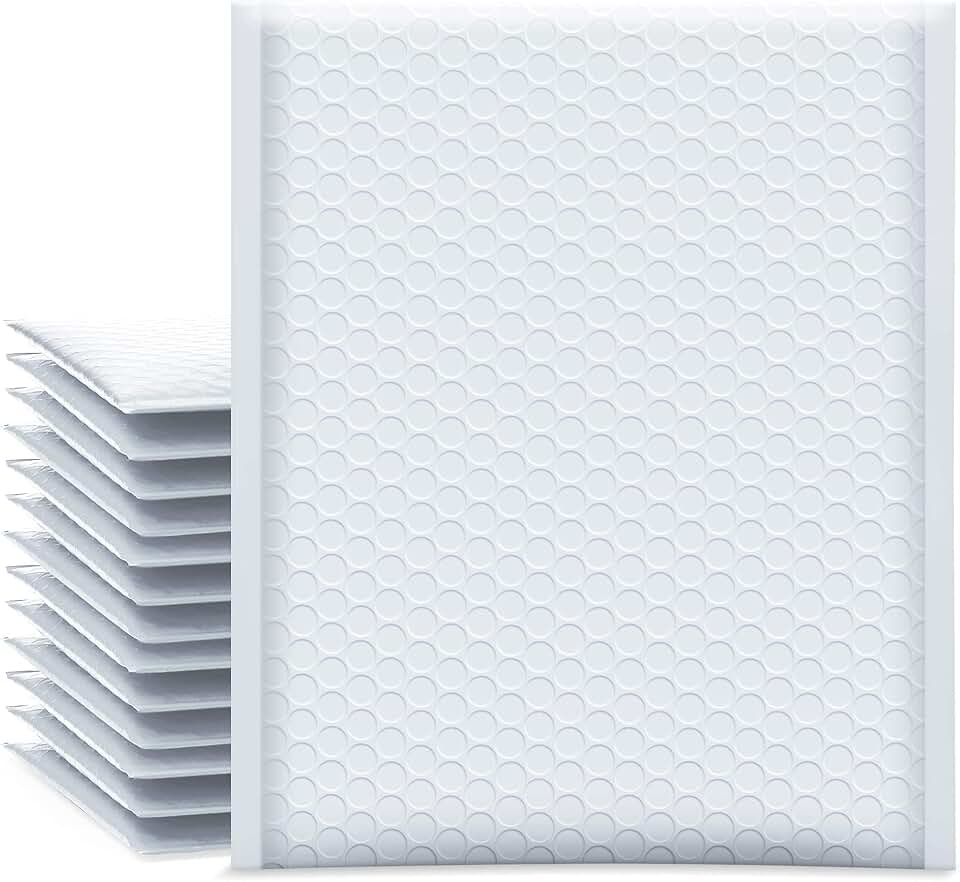
Start with protection. Poly mailers are the industry standard for clothing because they are lightweight, durable, and water-resistant. They slide easily into USPS flat-rate envelopes or standard boxes. Avoid cardboard boxes for single items unless the piece is bulky or fragile; extra weight eats into profit margins. If shipping delicate fabrics or structured blazers, a rigid mailer adds security against crushing.
Focus on the unboxing experience. A simple thank-you card or branded sticker encourages positive reviews and gives you a chance to include care instructions or social media handles, turning a one-time buyer into a repeat customer. For sealing, a reliable handheld label printer saves time and ensures your shipping label is crisp and scannable. If you prefer traditional labels, invest in a good thermal printer or high-quality ink cartridges to avoid smudged barcodes that delay delivery.


As an Amazon Associate, we may earn from qualifying purchases.
Common Mistakes New Flippers Make
Thrift store flipping looks easy on social media, but the margin for error is small. New flippers often lose money not because they can’t find gems, but because they make avoidable errors at the purchase or listing stage. Avoiding these pitfalls is the difference between a profitable side hustle and a pile of unsold inventory.
Overpaying for "Good Enough" Items
The biggest mistake is buying items that are merely "nice" rather than highly desirable. A generic vintage t-shirt might sell for $20, but a rare band tee from a specific era can fetch $100 or more. If you aren’t sure of the specific brand value or rarity, walk away. Don’t let the "thrill of the hunt" override your profit calculations. If you can’t verify the brand or condition quickly, it’s not a flip; it’s a donation.
Ignoring Shipping Costs and Fees
Profit isn’t what you sell it for; it’s what you keep. New flippers often forget to factor in shipping materials, postage, and platform fees (usually 10-15% total). If you buy a jacket for $5 and sell it for $30, but shipping and fees cost $12, your profit is only $13. Always calculate the "landed cost" before you buy. Use a shipping calculator on eBay or Poshmark to estimate costs based on weight and destination before committing to a purchase.
Listing Poorly or Too Late
A great item with a bad photo or vague title will sit unsold. Use natural light, show all tags, and measure the item flat. Include specific keywords like "vintage," the brand name, and the era if known. Also, don’t wait weeks to list. Prices drop and interest fades. List within 24 hours of purchase to catch the window of buyer interest.
As an Amazon Associate, we may earn from qualifying purchases.
No comments yet. Be the first to share your thoughts!