High-margin categories for thrift store flipping
The foundation of successful thrift store flipping lies in identifying product categories with built-in demand and durable resale value. Rather than hunting for random treasures, focus on specific segments where brand recognition and material quality drive consistent margins. These categories offer the most reliable path from a thrift store find to a profitable sale.
Designer and Vintage Clothing
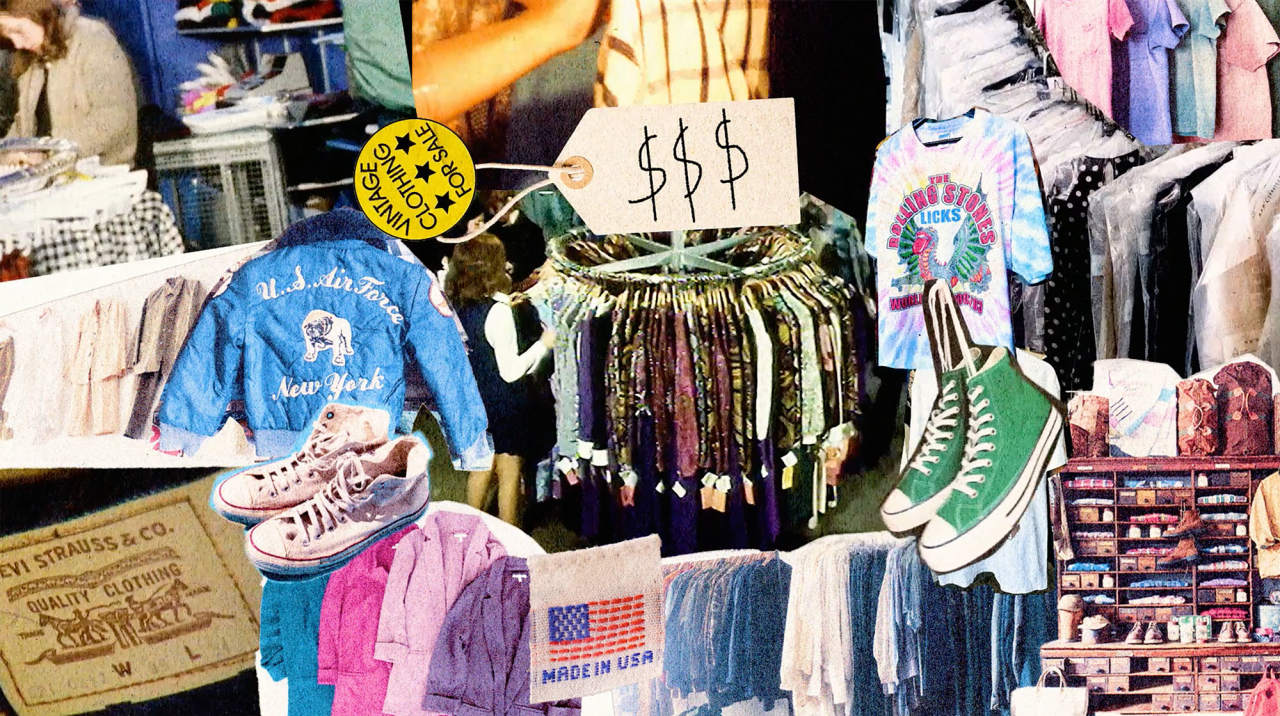
Designer labels and high-quality vintage apparel represent the most liquid segment of the resale market. Items from brands like Levi’s, Patagonia, or vintage Nike retain value because buyers actively search for specific cuts, logos, and conditions. When hunting, prioritize natural fibers like wool, cotton, and silk over synthetic blends, which rarely hold value in the resale market.
Look for classic silhouettes that transcend temporary trends. A vintage Levi’s 501 pair of jeans or a Patagonia fleece jacket from the 1990s will consistently outperform fast-fashion items. Check for signs of wear, such as thinning elbows or missing buttons, as these significantly reduce the final selling price.
Leather Goods and Accessories
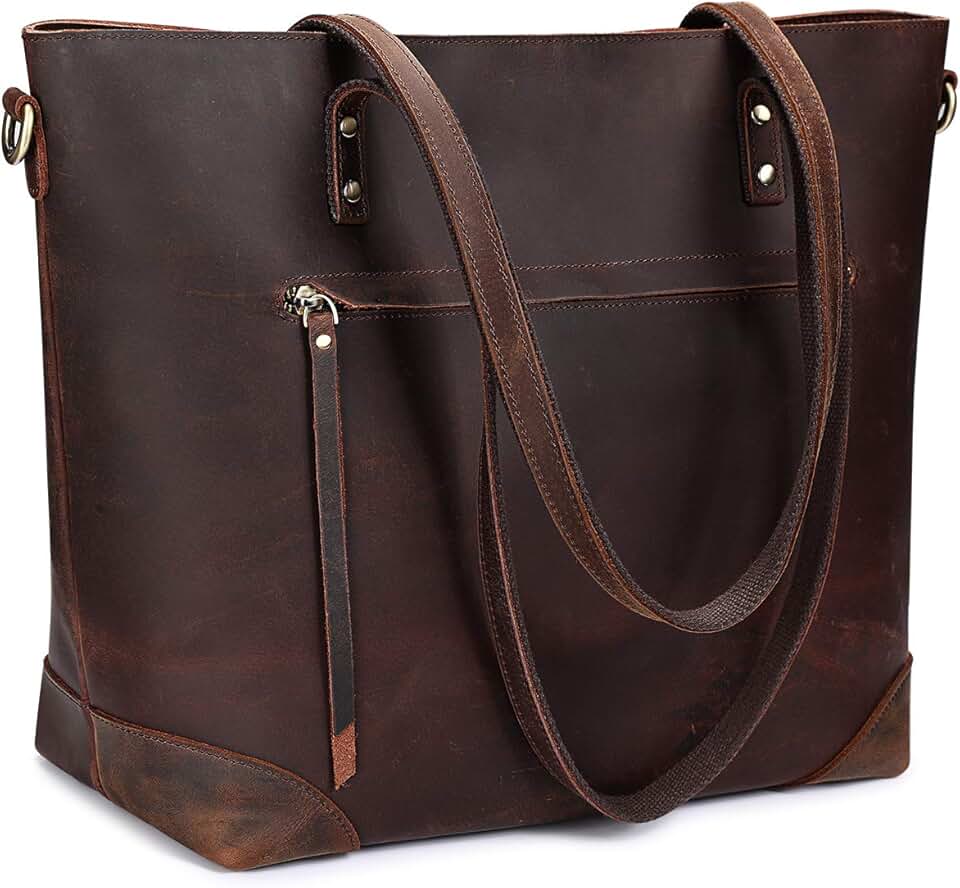
Leather goods, including handbags, wallets, and belts, offer high profit margins due to the durability of the material and the prestige associated with luxury brands. Items from Coach, Michael Kors, or Gucci are particularly sought after. Always inspect for cracks, stains, or broken hardware, as repairs can eat into your profit margin.
Accessories like silk scarves and vintage jewelry are also excellent candidates. Small items are easy to ship and often sell quickly, making them ideal for building inventory volume. Focus on recognizable brands and timeless designs rather than obscure pieces that require significant marketing to sell.
Footwear
Sneakers and boots form the third pillar of high-margin thrift finds. Limited-edition sneakers from Nike, Adidas, or New Balance can sell for multiples of their thrift store price. Even common styles like Converse Chuck Taylors or Dr. Martens hold steady value if they are in good condition.
Inspect the soles for excessive wear and the uppers for scuffs. Clean the items thoroughly before listing, as presentation significantly impacts the final sale price. Authenticity is critical; always verify the item is genuine before purchasing, as counterfeits are common in thrift stores.


As an Amazon Associate, we may earn from qualifying purchases.
Vintage brands that consistently sell
Not all vintage clothing holds value. The difference between a $5 bin find and a $100 resale lies in specific brand recognition and fabric quality. Focusing on high-velocity labels protects your margin and reduces the time items sit in inventory.
Levi’s 501 and 505
Levi’s remains the most reliable entry point for flipping. The 501 and 505 cuts are universally recognized, ensuring consistent demand on platforms like eBay and Depop. Look for vintage tags (pre-2000) with red tabs or double-stitched hems, which command higher prices than modern reproductions. Always check for armpit stains or fading, as these significantly impact resale value.
Tommy Hilfiger and Polo Ralph Lauren
90s and early 2000s logos from Tommy Hilfiger and Polo Ralph Lauren have seen a massive resurgence. These brands are easy to authenticate and sell quickly because the branding is distinct. Avoid items with large, faded logos or yellowed collars. Clean, crisp logos on navy or white fabrics typically yield the best margins.
Nike and Adidas Vintage Sportswear
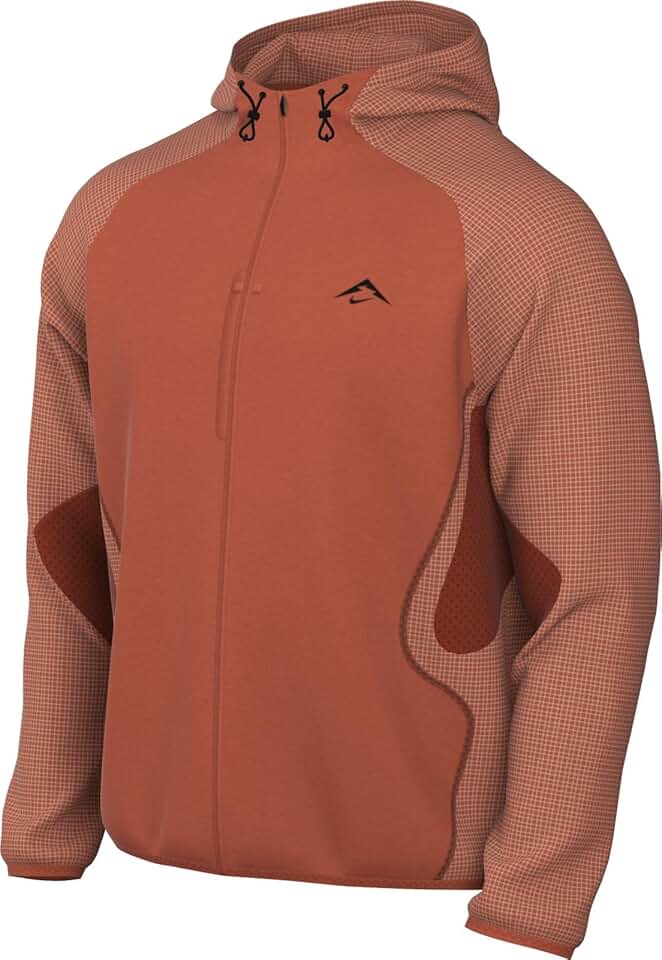
Vintage athletic wear from Nike and Adidas is highly liquid. Focus on windbreakers, track jackets, and retro jerseys. The key is identifying discontinued colorways or logos that are no longer in production. Plain white or black items with simple logos are safer bets than complex graphic tees, which appeal to a narrower audience.
Pendleton and L.L.Bean
For outerwear, Pendleton wool shirts and L.L.Bean Bean Boots are steady sellers. These brands are associated with durability and timeless style, making them less susceptible to trend fluctuations. Look for Pendleton shirts with unique plaid patterns and L.L.Bean boots in classic tan or navy. Condition is critical; scuffs on boots or pilling on wool can kill profit margins.


As an Amazon Associate, we may earn from qualifying purchases.
Spotting quality and avoiding fakes
The difference between a $50 find and a $500 profit often comes down to how closely you inspect the item before you buy. Thrift store flipping relies on identifying genuine condition and authenticity, because a single flaw can erase your margin or result in a return that eats into your time. Treat every purchase like a quality control checkpoint. If an item doesn’t pass the inspection, walk away.
Start with the hardware. Zippers, clasps, and buttons are the first things to wear out and the easiest way to spot a counterfeit. On a Louis Vuitton Neverfull or a Coach Tabby bag, the zipper should glide without catching, and the metal should feel heavy, not hollow. Look for crisp, even stitching. Loose threads or crooked seams on a high-end piece are immediate red flags. If the hardware is tarnished or scratched, factor that into your offer price, or skip it entirely.
Check the leather and fabric for hidden damage. Run your fingers along seams and corners to feel for cracks, dryness, or peeling. On a vintage Dooney & Bourke satchel, the leather should be supple, not brittle. Look inside the lining for stains, holes, or odors. A strong smell of mildew or smoke is nearly impossible to remove completely and will deter buyers. Also, verify the serial number or date code. While not a guarantee of authenticity, a missing or mismatched code on a designer item is a warning sign that requires further investigation.
Authenticity tags and dust bags matter, but they aren’t foolproof. A genuine dust bag adds value, but counterfeiters often include fake ones too. Focus on the item itself. If the stitching, material, and hardware all check out, you’re likely looking at a legitimate find. If anything feels off, trust your gut. It’s better to miss one deal than to buy a fake that ruins your reputation.
Where to list and ship items
Thrift store flipping works best when the purchase path is explicit. Verify the source, compare the offer against real alternatives, check the total cost, and confirm what happens after payment before you decide. After each comparison, write down the one risk that would change your mind. If the seller, condition, support, warranty, shipping, or upkeep still feels uncertain, resolve that question before moving to checkout.
| Factor | What to check | Why it matters |
|---|---|---|
| Fit | Match the option to the primary use case. | A good deal still fails if it does not fit the job. |
| Condition | Verify age, wear, and service history. | Hidden condition issues erase upfront savings. |
| Cost | Compare purchase price with likely upkeep. | The cheapest option is not always the lowest-cost option. |
Your weekly thrift flipping checklist
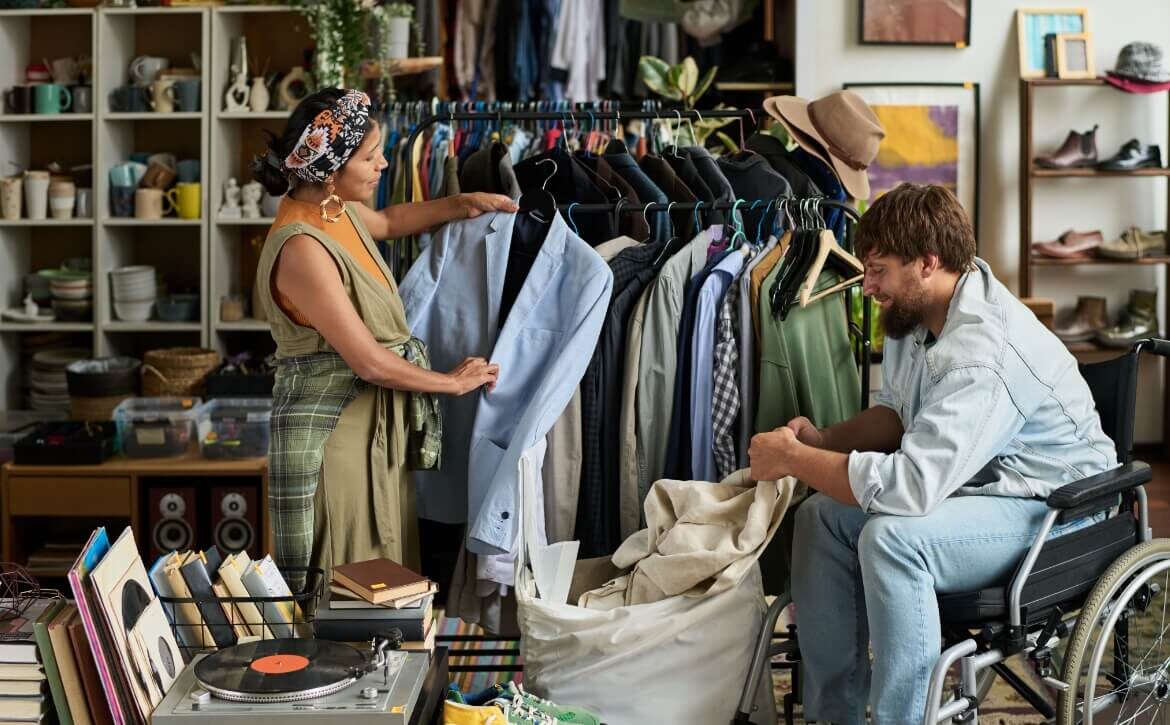
Treat every trip to the thrift store as a targeted sourcing run rather than a browsing session. A structured evaluation process protects your margins by filtering out low-potential items before they reach your cart. Follow this five-step workflow to maximize your return on investment.
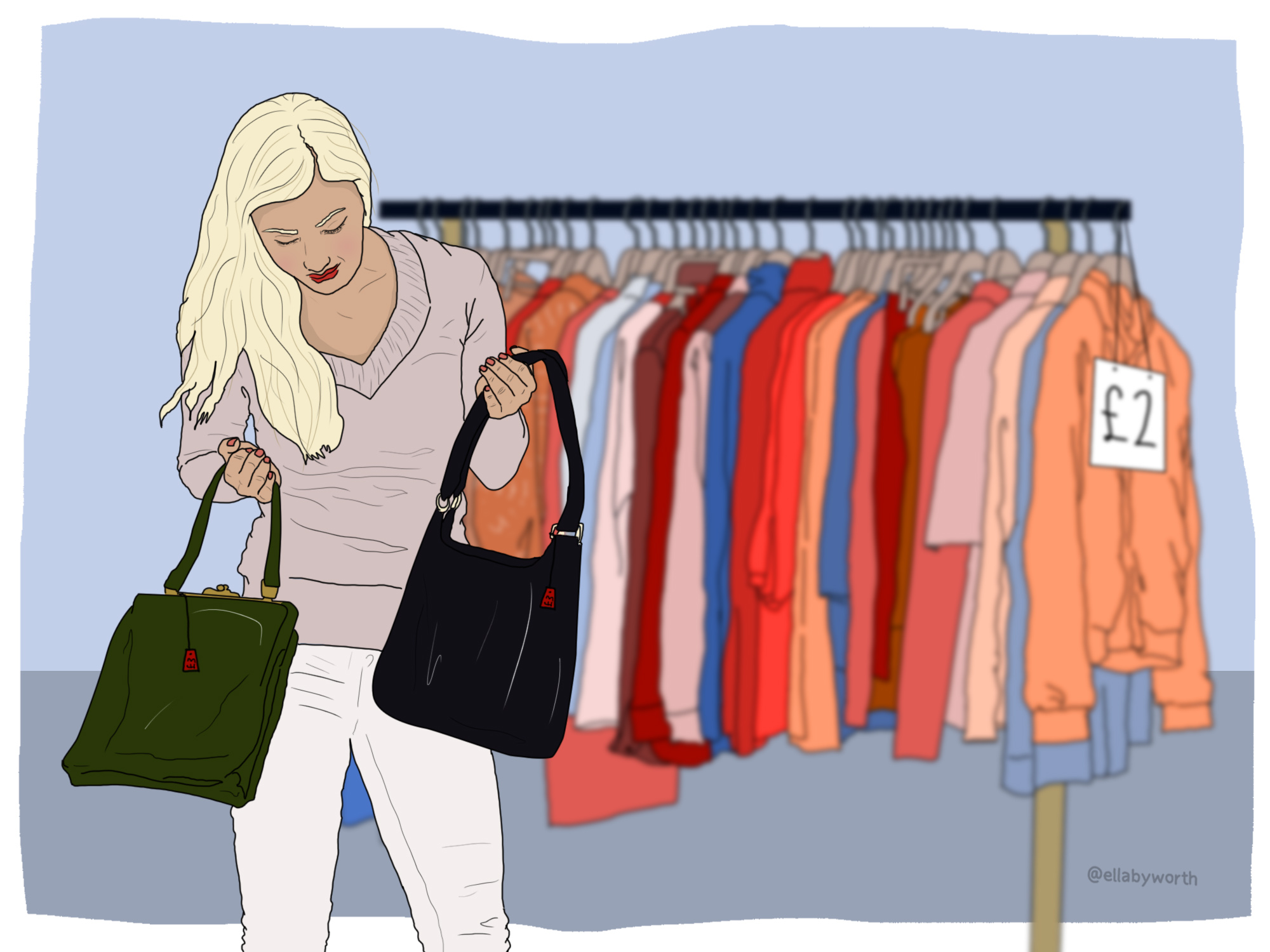
Ignore the pile and look for labels. High-demand vintage brands like Levi’s, Ralph Lauren, and Carhartt hold their value. If a garment lacks a visible brand tag or logo, set it aside unless the fabric quality is exceptional.
Check for holes, stains, missing buttons, or broken zippers. Even minor defects significantly reduce resale value. Focus on items that are clean, intact, and ready for immediate listing to minimize your handling costs.
Natural fibers like wool, silk, and heavy cotton tend to resell better than synthetic blends. Check the care label for material composition. High-quality materials often indicate better durability and appeal to vintage buyers.
Use your phone to quickly search sold listings on eBay or Poshmark. Confirm that the item has actually sold recently, not just been listed. This step validates demand and helps you set a realistic price point.
Subtract the purchase price, platform fees, shipping costs, and packaging supplies from your estimated sale price. Aim for at least a 50% margin to cover your time and effort. If the numbers don’t add up, leave the item on the rack.


As an Amazon Associate, we may earn from qualifying purchases.
Applying this checklist consistently turns random finds into a reliable inventory pipeline. By focusing on verified brands and solid margins, you reduce waste and increase your overall flipping profitability.
Common mistakes new flippers make
The gap between a promising find and a net loss often comes down to hidden costs and misidentified value. New flippers frequently focus solely on the purchase price, forgetting that profit is what remains after every fee, tax, and shipping dollar is deducted. To protect your margins, you must evaluate the total cost of acquisition before the transaction is complete.
One of the most frequent errors is overpaying for items that lack immediate resale velocity. A vintage Levi’s 501 jacket might look like a steal at $15, but if comparable pairs have not sold on eBay in the last thirty days, that inventory will sit in your garage rather than generating cash. Always verify recent sold listings on your phone before handing over money. If the item hasn’t moved recently, it likely won’t sell quickly.
Shipping costs also erode margins, particularly for heavy or bulky items like cast-iron cookware or large leather jackets. A $20 pot might seem profitable, but if it costs $12 to ship, your net profit shrinks significantly. Additionally, misidentifying brands can lead to listing errors that hurt your seller reputation. Always check for specific hardware details, such as YKK zippers or distinct button logos, to confirm authenticity.
Finally, avoid buying items with obvious flaws unless you are skilled at restoration. A missing button on a Ralph Lauren polo or a small stain on a Coach bag can reduce the item’s value by 30–50%. Stick to clean, complete pieces for your first few flips to ensure consistent returns and build a positive seller history.


As an Amazon Associate, we may earn from qualifying purchases.
No comments yet. Be the first to share your thoughts!