Spotting high-value vintage labels
Finding valuable vintage clothing brands worth money starts with learning to read the tags. When you pull a garment from the rack, the label is your first clue to its potential resale value. Certain designer names and country-of-origin markers consistently command higher prices on secondary markets.
Look for established luxury and designer labels like Oscar de la Renta, Ralph Lauren, or Calvin Klein. A men’s suit jacket from Oscar de la Renta, for example, can be a significant find, with some vintage pieces fetching thousands of dollars depending on condition and rarity. Even mid-century designer pieces from brands like Donna Karan or Michael Kors can hold substantial value if they are in excellent condition.
Country of origin matters just as much as the brand name. Garments made in the USA, Italy, or France often signal higher quality construction and materials, which translates to better resale value. Leather goods, particularly vintage bags from the 1980s, are also highly sought after. Finding a Donney & Burke leather bag or similar high-end vintage accessory can be just as lucrative as finding designer clothing.
By focusing on these specific labels and origin markers, you can quickly filter through racks to find the hidden gems that other shoppers might miss. This targeted approach helps you identify valuable thrift store finds efficiently, turning a casual browsing session into a profitable hunt.
Collectible glassware and kitchenware
Glass and kitchenware sections in thrift stores often feel like a maze of everyday dishes, but they hold some of the most consistent opportunities for resellers. While modern glassware is abundant, vintage pieces from specific manufacturers carry a dedicated collector base that drives prices well above retail. Focusing on recognized brands and distinct patterns allows you to separate the mundane from the valuable.
Pyrex is perhaps the most famous entry point for beginners. The key is identifying the era and pattern. Vintage Pyrex from the 1930s through the 1960s, particularly in bright colors like pink, blue, and red, is highly sought after. Patterns like "Butterfly Yellow" or "Cherry Blossom" can command significant premiums. Look for the Pyrex logo on the bottom; the style of the logo helps date the piece. Common patterns like "Happy Harvest" or "Lucky Leaf" are standard, but rarer color combinations or limited-edition sets are where the real profit lies.
Crystal and brass go hand in hand in the vintage market. Lead crystal pieces, especially those with intricate cuts or heavy bases, are durable and timeless. Brands like Waterford, Libbey, and Bohemian are well-known, but even unmarked heavy crystal can be valuable if the cut is complex. Similarly, brass candlesticks and serving pieces are often overlooked because they may need polishing. A heavy, ornate brass bowl or a set of matching candlesticks can be a quick flip if the metal is solid and not plated.
Other glass types worth noting include Jadeite and Carnival Glass. Jadeite, a pale green opaque glass, is popular for its retro aesthetic. Carnival Glass, with its iridescent sheen, was mass-produced in the early 20th century but remains a favorite at estate sales. When scanning shelves, look for the rainbow-like reflection on Carnival Glass and the distinct mint-green hue of Jadeite. These items are often sold in bulk lots, so buying a lot and sorting through it can yield high-margin individual pieces.
To help you distinguish between common and rare Pyrex patterns, here is a quick comparison of value ranges based on typical market conditions.
| Pattern | Era | Estimated Value Range |
|---|---|---|
| Butterfly Yellow | 1940s-1950s | $50-$200+ |
| Cherry Blossom | 1940s-1950s | $40-$150 |
| Lucky Leaf | 1940s-1950s | $15-$40 |
| Happy Harvest | 1950s-1960s | $10-$30 |
As the secondhand market grows, the demand for unique, vintage home goods continues to rise. This trend makes it easier to find buyers for your thrift store finds. By focusing on these specific glassware and kitchenware categories, you can build a profitable inventory without needing to be an expert in every niche. Start with Pyrex and crystal, as they offer the best balance of recognition and value for new resellers.


As an Amazon Associate, we may earn from qualifying purchases.
Vintage accessories and handbags
Leather bags and vintage jewelry are among the most reliable valuable thrift store finds because they are durable, easy to clean, and simple to ship. Unlike clothing, which can be damaged by stains or fading, accessories like structured handbags and sturdy metal jewelry hold their shape and finish far better over time. This durability makes them lower-risk inventory for beginners who want to focus on the most valuable thrift store finds without worrying about delicate fabrics or complex sizing charts.
When hunting for leather goods, look for well-constructed bags from recognizable brands like Dooney & Burke or Coach. Even if the hardware shows minor wear, the leather itself often remains in excellent condition, allowing you to restore the item with a simple cleaning kit before reselling. The market for vintage leather is robust, with reports from resale platforms like The RealReal showing consistent demand for pre-owned luxury accessories.
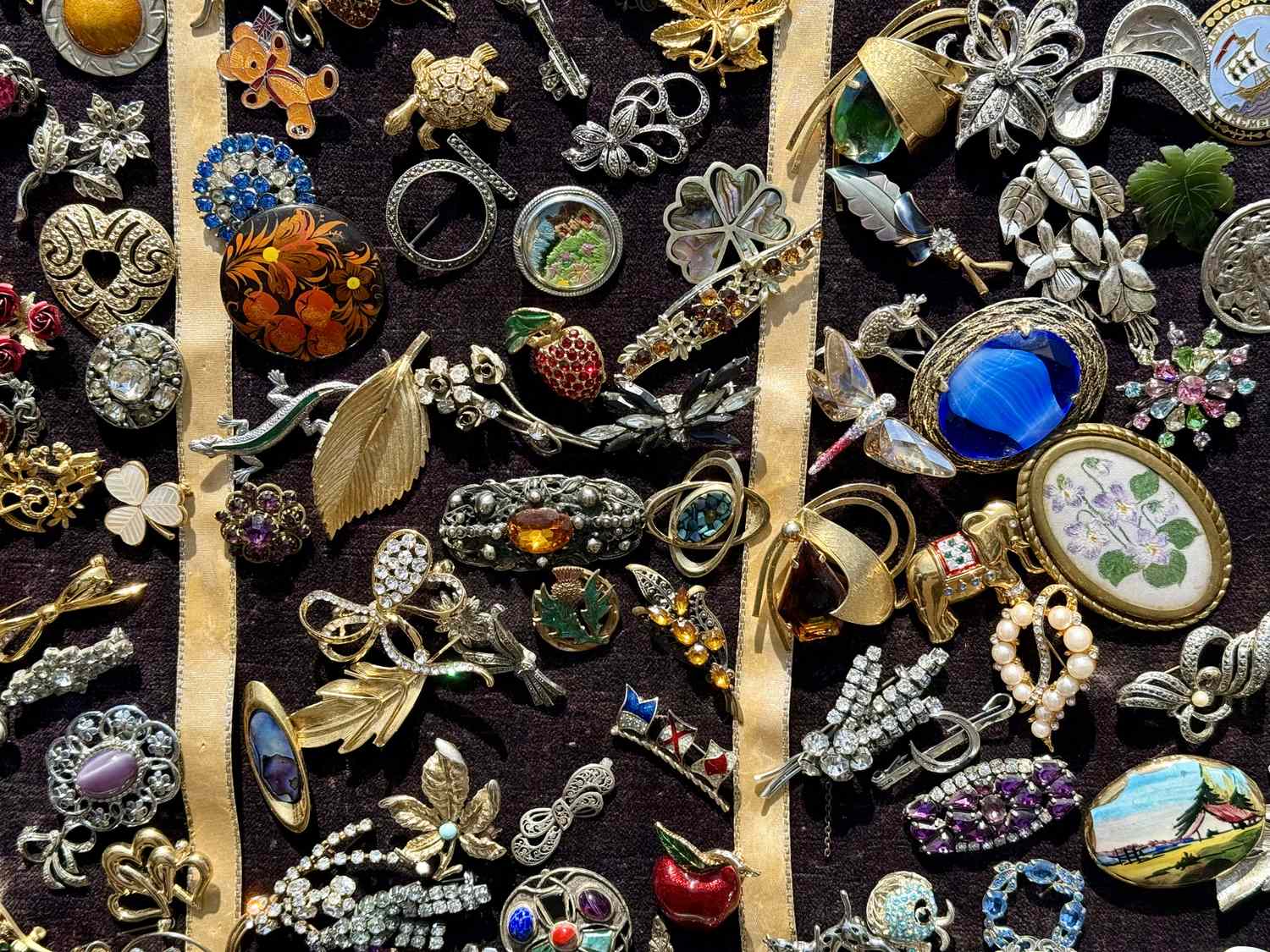
Jewelry offers a similar advantage for resellers. Items like Jelly Belly brooches or fruit-themed enamel pins are lightweight, inexpensive to list, and often sell quickly to collectors looking for specific vintage aesthetics. Because these items are small, shipping costs remain low, which helps protect your profit margins. Focus on pieces that are complete and free of broken clasps or missing stones to ensure they remain among the most valuable thrift store finds in your inventory.
Rare books and first editions
Books are among the most common valuable thrift store finds, but they are also the easiest to overlook. While many paperbacks have little resale value, specific editions of fiction, poetry, and non-fiction can command high prices from collectors. The key is knowing what to look for beyond the cover.
Start by checking the copyright page. This page holds the book’s identity. Look for the phrase "First Edition" or a number line that includes "1" (e.g., 10 9 8 7 6 5 4 3 2 1). Be careful: some modern reprints say "First Edition" to mean "first edition of this printing," not the original publication. True first editions are often marked as "First Printing" or "First Edition" without qualification.
Next, inspect the dust jacket. For many novels, especially from the mid-20th century, the jacket is essential for value. A book in fine condition with a torn or missing jacket is worth a fraction of the price of one with a pristine cover. Check for price clippings, name inscriptions, or foxing (brown spots) on the jacket.
Concrete examples help guide your search. First editions of J.D. Salinger’s The Catcher in the Rye or early printings of Ray Bradbury’s Fahrenheit 451 are highly sought after. Even lesser-known poets or local history books can be profitable if they are first editions in good condition. Always verify the edition before buying, as misidentified books can lead to returns or lower profits.
Mid-century tools and hardware
Sturdy, branded tools from the mid-century era are some of the most reliable valuable thrift store finds. Manufacturers like Stanley, Snap-on, and Craftsman built their reputation on durability, using heavy-gauge steel and precision machining that often outperforms modern equivalents. These items aren't just vintage decor; they are fully functional instruments that tradespeople still seek out for their reliability.
When scanning shelves, look for solid metal hammers, adjustable wrenches, and screwdrivers with distinctive wooden or Bakelite handles. The weight and balance of these older tools provide a tactile feedback that many professionals prefer. Even if a tool shows signs of surface rust, it can usually be restored to working condition with a little elbow grease and oil, making the initial thrift store price incredibly low for the value received.
Collectors also hunt for specific markings, such as the original logo stamps or model numbers etched into the metal. A well-preserved Stanley No. 4 hand plane or a pristine Snap-on ratchet can command a premium on resale platforms. By focusing on quality brands rather than generic hardware, you increase your chances of finding pieces that are both useful and profitable.
How to resell clothes online
Turning your valuable thrift store finds into cash starts with a clean, consistent listing process. Whether you are moving a vintage leather bag or a designer jacket, the goal is to make the item look as appealing online as it does in your hands. Here is a straightforward workflow to get your inventory listed and ready for buyers.

Start by washing or dry cleaning every piece. Buyers expect items to arrive in perfect condition, so removing stains and odors is non-negotiable. Iron or steam the clothes to remove wrinkles, and check for any loose threads or missing buttons before you take photos. A little prep work goes a long way in building trust with potential buyers.

Take precise measurements of the garment, including the chest, waist, hips, and length. Sizing varies wildly between vintage and modern brands, so numbers are more helpful than labels. Lay the item flat on a clean surface and photograph it from the front, back, and sides. Include close-ups of any tags, logos, or unique details that prove its authenticity.

Use specific keywords in your title and description to help your valuable thrift store finds show up in search results. Mention the brand, material, style, and any distinctive features. Be honest about any flaws, such as small stains or missing buttons, to avoid returns. A detailed description helps buyers feel confident in their purchase and reduces the chance of misunderstandings.
Different platforms attract different audiences. Poshmark is great for fashion-forward items and social sharing, Depop appeals to a younger, trendy crowd, and eBay is ideal for rare or vintage pieces with a broad collector base. Research where similar items sell best and list your finds on the platform that matches your target buyer. You can even cross-list items on multiple platforms to maximize your exposure.
Top picks for thrift store flipping
Turning a trip to the thrift store into profit starts with knowing what to look for. While some finds are rare lottery tickets, many valuable thrift store finds are common items that sell consistently online. The best strategy is to focus on categories with high demand and clear resale value.
Here are four reliable product categories to check first. These items often appear in the bargain bins but command strong prices on secondary markets.


As an Amazon Associate, we may earn from qualifying purchases.
Start by checking the bottom of glassware for maker marks and looking for solid brass rather than plated items. For bags, inspect for stains or tears that can kill resale value. These small checks help ensure your flips are worth the effort.
Common questions about thrift flipping
Many beginners worry about the legal side of reselling. In most cases, buying items at thrift stores and reselling them is perfectly legal. You own the items once purchased. However, always check local regulations regarding business licenses if you plan to resell frequently or in large volumes.
Valuable thrift store finds often hide in plain sight. Look for vintage Pyrex dishes, crystal vases, and Bakelite jewelry. Solid wood furniture with dovetail joints is another excellent category. Designer clothing, like Oscar de la Renta suits or vintage leather bags, can also yield significant returns if you know what to look for.
Condition matters, but so does rarity. A slightly worn first edition book might be worth more than a pristine copy. Always research specific items before buying. Checking sold listings on platforms like eBay can help you determine the true market value of a potential find.
No comments yet. Be the first to share your thoughts!