What makes vintage clothing brands worth money
Not every old garment is a goldmine. When you walk through a thrift store or browse online archives, you are looking for a specific intersection of heritage, condition, rarity, and era. Understanding these four pillars helps you separate a $5 t-shirt from a collectible piece that commands high resale value.
Brand heritage and recognition form the foundation. Names like Levi’s, Chanel, and Filson carry decades of cultural weight. Levi’s vintage denim, particularly pieces from the 1960s and 70s with specific selvedge details or red tab variations, is instantly recognizable to collectors. Similarly, Chanel’s construction and materials have maintained a reputation that drives consistent demand. These brands have built a legacy that survives trends, making their older items desirable even decades after production.
Condition is king. A pristine 1990s piece often beats a damaged 1960s one in resale value. Buyers are willing to pay a premium for items that require minimal restoration. Look for intact seams, vibrant colors, and original hardware. If a garment has stains, holes, or missing buttons, its value drops significantly unless it is an extremely rare archival piece. For most resellers, "good" condition is the minimum threshold for profitability.
Rarity and era also play critical roles. Limited production runs, unique design features, or items from specific historical moments can skyrocket in value. For example, vintage dresses by designers like Christian Dior or Yves Saint Laurent are highly sought after because of their craftsmanship and historical significance. However, rarity alone isn't enough; the item must still appeal to a market. A rare but obscure brand may sit unsold, while a well-known brand in good condition will move quickly.
When evaluating potential finds, ask yourself: Is the brand recognizable? Is the condition excellent? Is the style timeless? If the answer is yes to all three, you might have a valuable piece on your hands. This mindset helps you approach the vast sea of secondhand clothing with confidence and purpose.
High-end designer labels to hunt
When you walk into a thrift store, the real treasure isn't just in the fabric—it's in the label. Certain luxury heritage brands hold their value so tightly that a well-preserved piece from the 1970s or 80s can outprice its modern equivalent. These aren't just clothes; they're collectible assets that demand a sharp eye and a steady hand.
Christian Dior and Chanel are the heavy hitters here. A vintage Dior dress, particularly from the New Look era or the 1990s Galliano years, is often sought after by collectors for its impeccable tailoring and historical significance. Similarly, Chanel suits from the 1980s and 90s, with their iconic tweed and chain-weighted hems, remain staples in high-end resale markets. You'll also want to keep an eye out for Hermès. While their leather goods dominate the conversation, their vintage silk scarves and ready-to-wear pieces from the mid-century era carry an extreme rarity that drives up their worth significantly.
Other names like Yves Saint Laurent, Gucci, and Balenciaga also deserve your attention. A vintage YSL Le Smoking tuxedo or a Gucci print shirt from the 70s can be incredibly lucrative if the condition is pristine. The key is to look for specific eras where these brands were defining the fashion landscape, rather than just any item with their logo.
To help you spot these opportunities, we've rounded up some current listings that reflect the kind of archival designer pieces that are moving in the market today. These examples show what authenticated vintage styles look like when they hit the shelves.
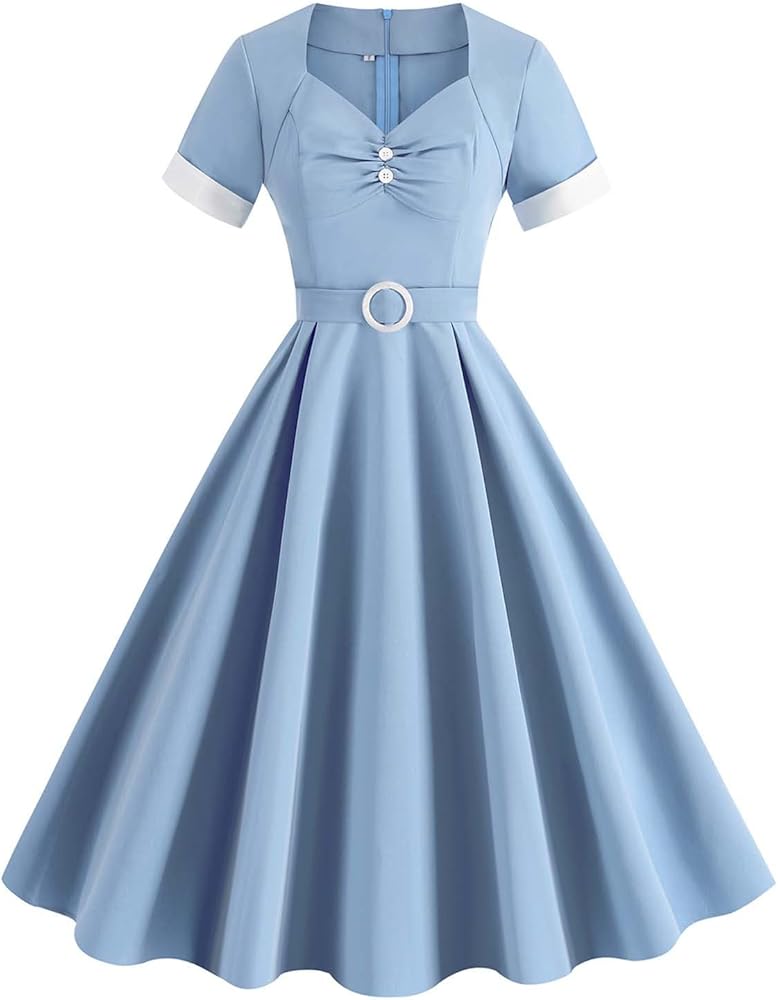
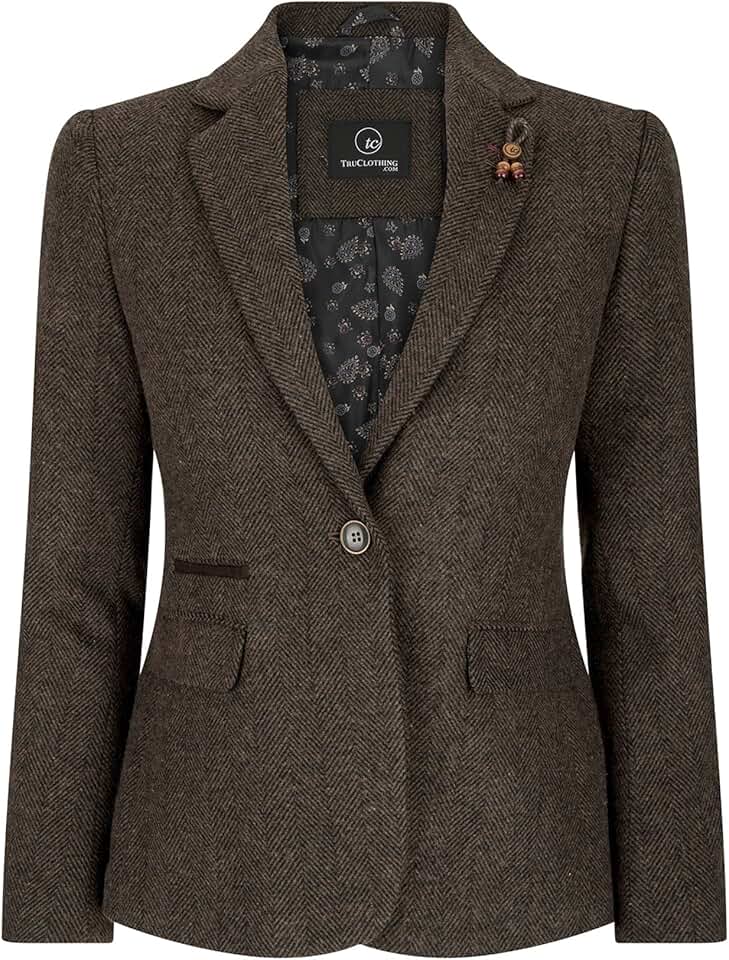

As an Amazon Associate, we may earn from qualifying purchases.
Denim and workwear staples
You can’t talk about vintage value without starting with the workhorse of the wardrobe: denim. We’ve all seen the thrift store racks piled high with jeans, but not every pair holds its weight. Levi’s is the obvious king here, but knowing which tags to look for separates a $20 find from a collector’s piece. We’re talking about specific details like the Redline, Orange Tab, or Big E labels that signal era and craftsmanship. These aren’t just labels; they’re the difference between a faded souvenir and a high-resale asset.
| Tag | Era | Value Tier |
|---|---|---|
| Redline | 1930s–1950s | High |
| Orange Tab | 1960s–1970s | High |
| Big E | Pre-1971 | Collectible |
While denim grabs the headlines, durable workwear from brands like Filson and Woolrich is quietly holding its own in the resale market. These pieces were built for extreme conditions, using natural materials that age gracefully rather than falling apart. When you find a vintage Filson jacket or a Woolrich parka in good condition, you’re looking at items with genuine collectible tier status. They offer that same rugged aesthetic as denim but often with more robust construction, making them a smart buy for anyone looking to invest in clothing that lasts.


As an Amazon Associate, we may earn from qualifying purchases.
How to verify authentic vintage tags
Spotting a fake vintage piece often comes down to the details you’d otherwise overlook. When you’re digging through bins, your eyes should gravitate toward the construction and the label, because that’s where modern reproductions usually trip up. We’ve found that checking the stitching, verifying the tag font, and inspecting the material composition is your best defense against buying a modern knockoff disguised as a collectible.
Check the stitching and seams
Authentic vintage garments from brands like Levi’s or Filson were built to last, which means the stitching is usually tight, even, and often done by hand or with industrial machines that leave a distinct signature. Look for single-needle stitching on hems or reinforced bar tacks at stress points like pockets. If you see loose threads, uneven tension, or serged edges that look too uniform, it’s likely a modern reproduction. High-quality vintage denim, for instance, often features chain-stitching on the hem that modern machines can’t perfectly replicate.
Verify the tag font and style
The label is the fingerprint of the garment. Brands like Chanel or Levi’s have evolved their tag designs over decades, and each era has specific characteristics. A Levi’s red tab from the 1970s will look different from one in the 1990s. Check the font weight, spacing, and the presence of specific phrases like “Made in USA” or “Dry Denim.” If the tag feels too crisp, uses a font that looks digitally printed, or has spelling errors, put it back. Authentic tags often have a specific texture and wear pattern that matches the age of the garment.
Inspect material composition
Vintage clothing often uses natural fibers like 100% cotton, wool, or silk, whereas modern reproductions might use blends or synthetic substitutes to cut costs. Feel the fabric; it should have a certain weight and drape that reflects the era. For example, a vintage Chanel jacket will use high-quality wool or tweed, while a fake might use a lighter, cheaper synthetic blend. Check the care label for fiber content; if it lists materials that weren’t common or weren’t used by that brand in that era, it’s a red flag.
Look for maker’s marks and hardware
Beyond the main label, look for smaller details like buttons, zippers, and rivets. Brands like Levi’s use specific button styles and rivet placements that changed over time. A Levi’s 501 jean from the 1950s will have a different button and rivet setup than one from the 1980s. Similarly, luxury brands like Chanel use specific hardware with logos or engravings that are hard to replicate accurately. If the hardware feels light, plastic, or has poor engravings, it’s likely not authentic.
Where to resell your vintage finds
The right platform makes the difference between a quick sale and a listing that gathers dust. You need to match the item’s value and your effort tolerance to the marketplace. We break down the best spots for your vintage clothing based on reach, fees, and ease of use.
eBay: The Global Collector’s Hub
eBay remains the gold standard for high-value vintage. If you have a collectible tier piece like a rare Levi’s denim or a vintage Chanel jacket, this is where the serious buyers are. The global reach means you’ll find niche collectors willing to pay top dollar for specific eras or conditions. However, the selling process is more involved; you’ll need to write detailed descriptions and manage shipping carefully to avoid disputes.
Etsy: For the Aesthetic Buyer
Etsy thrives on storytelling and visual appeal. This platform is ideal for vintage pieces that fit into current aesthetic trends, like 90s band tees or bohemian dresses. Buyers here appreciate the curated feel and are often willing to pay a premium for items that look great in photos. The audience is more focused on style than pure collectibility, making it perfect for mid-range vintage brands like Filson or vintage Levi’s that just need the right presentation.
Poshmark & Depop: Quick Sales for Trendy Pieces
For everyday vintage or trendy items, social commerce apps like Poshmark and Depop offer speed and simplicity. These platforms are built for quick transactions and social engagement. You can list items in minutes, and the built-in shipping labels make logistics a breeze. They are less effective for high-end luxury or ultra-rare collectibles, but they are excellent for moving inventory quickly. Think of these as your go-to for vintage workwear or casual wear that appeals to a broad, style-conscious audience.
Common questions about vintage resale
Selling vintage clothing can feel like a maze, but knowing the basics makes the process much smoother. We often get asked how to distinguish true value from common secondhand items, so here are the answers to the most frequent questions we see from new resellers.
How do I know if my vintage Levi's are valuable?
Value usually comes down to the tag and condition. Look for the iconic red tab on the back pocket, which indicates pre-1971 production, or the double-stitched seams that were standard before the 1980s. Specific models like the 501 or 505 in excellent condition with original hardware often hold high resale value. If the denim still has that crisp, unworn feel and the brand label is intact, you are likely looking at a collectible tier item.
What is the difference between vintage and antique clothing?
The distinction is purely chronological. "Vintage" refers to items that are at least 20 years old but less than 100 years old. This covers most of the eras you will encounter in thrift stores, from 1920s flapper dresses to 1990s grunge flannels. "Antique" clothing is strictly 100 years or older. While antique pieces are rare, most of the profitable resale market lies in the vintage category, including iconic pieces from brands like Chanel or Filson.
Do I need to clean vintage clothes before selling?
Always check the care label first. Many vintage garments, especially delicate silks from designers like Christian Dior or Yves Saint Laurent, require professional dry cleaning to avoid damage. For sturdy items like denim jackets or wool coats from Woolrich, spot cleaning or airing them out may be sufficient. Never machine wash something you aren't sure about, as shrinking or fading can destroy the item's value. When in doubt, leave it alone and let the buyer handle the cleaning.
No comments yet. Be the first to share your thoughts!